What Is still preventing the Rwanda–DR Congo conflict from coming to an end?
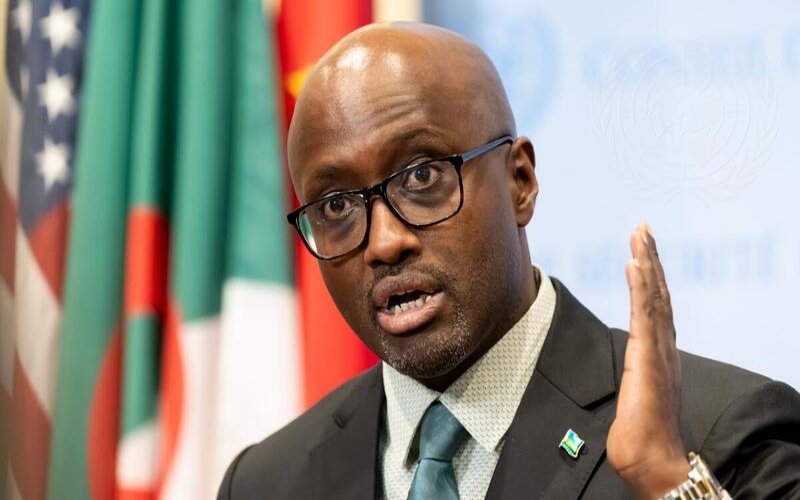
Rwanda’s Minister of Foreign Affairs and International Cooperation, Amb. Olivier Nduhungirehe, has stated that the principal obstacle to the implementation of the Rwanda–DR Congo Peace Agreement remains the persistent lack of political will on the part of the Congolese government.
Speaking in an interview with Radio France Internationale (RFI), Minister Nduhungirehe discussed the ongoing tensions between Rwanda and the Democratic Republic of the Congo (DRC), emphasizing that while the peace framework is comprehensive, its success ultimately depends on genuine political commitment.
On 24 June 2026, the sixth meeting of the Joint Oversight Committee (JOC) responsible for monitoring the implementation of the Washington Peace Agreement was convened in London, United Kingdom.
At the conclusion of the meeting, Rwanda and the DRC reaffirmed their commitment to fully implement the provisions of the Peace Agreement signed on 27 June 2025, including those relating to the cessation of attacks involving unmanned aerial vehicles (UAVs).
The two governments also agreed to urgently de-escalate hostilities, particularly in the Minembwe region, and to use their respective influence over all armed actors operating there to facilitate a cessation of violence.
Minister Nduhungirehe stressed that the Washington Peace Agreement already provides a comprehensive roadmap for resolving the security, political, and economic challenges underpinning the conflict.
“The only unresolved issue is political will,” he said. “Political will begins with respecting the ceasefire wherever hostilities are taking place, because every peace agreement, regardless of its nature, starts with the full observance of a ceasefire.”
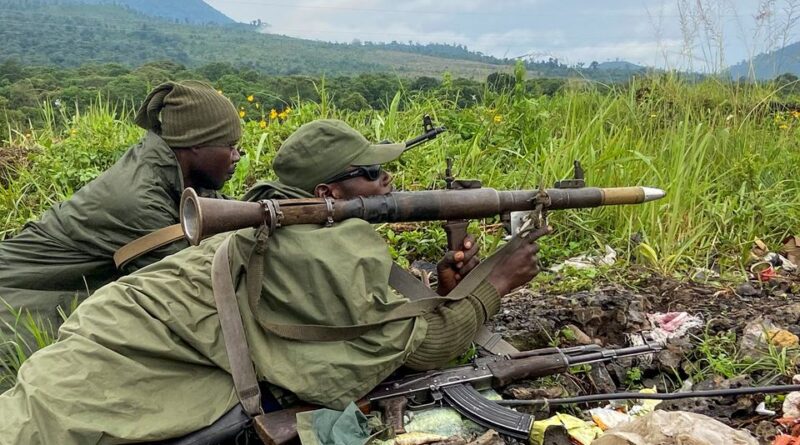
He argued that despite numerous ceasefire arrangements,including those incorporated into the Washington Peace Agreement the Congolese authorities have consistently failed to honor their commitments, alleging that Kinshasa has continued military operations using heavy weaponry, including armed drones.
According to the minister, these attacks have targeted not only positions held by the AFC/M23, which are covered under the peace agreement, but have also struck Banyamulenge civilians Congolese Tutsis whom he said continue to face deadly attacks on an almost daily basis.
Minister Nduhungirehe maintained that the cornerstone of the peace accord is strict adherence to the ceasefire, but asserted that the Congolese government has demonstrated a persistent absence of the political resolve required to uphold its obligations.
He further argued that another indication of this lack of commitment is Kinshasa’s failure to dismantle the FDLR militia, as stipulated under the agreement. He noted that Rwanda’s own commitment to scale back its defensive security measures is contingent upon the neutralization of the FDLR in accordance with the terms of the accord.