Rwanda moves closer to achieving petroleum supply security
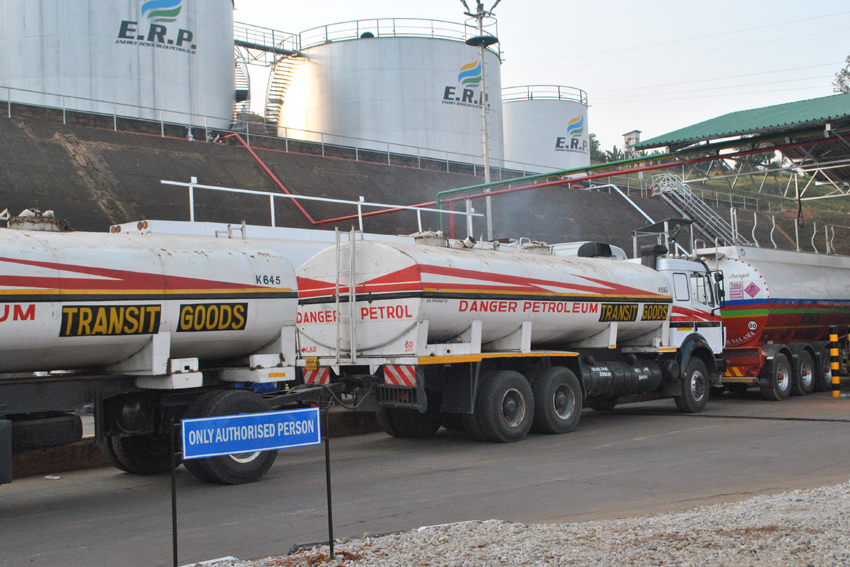
Rwanda has signed a strategic agreement with Tanzania to import refined petroleum products through the Port of Tanga, marking another significant milestone in the country’s pursuit of long-term petroleum supply security.
The agreement follows a similar bilateral deal recently concluded with Kenya, enabling Rwanda to utilize both the Central Corridor and the Northern Corridor for the importation of gasoline (petrol) and diesel fuel.
The latest accord was signed between the Rwanda National Energy Company (RNEC) and Gulf Bulk Petroleum Tanzania Limited (GBP). According to Rwanda’s Ministry of Trade and Industry, the agreement is designed to facilitate the importation, storage, and distribution of refined petroleum products via the Port of Tanga in Tanzania.
This development comes only days after Rwanda and Kenya signed a cooperation agreement on 29 June 2026 to strengthen petroleum imports through the Northern Corridor. That arrangement grants Rwanda greater access to global fuel markets by leveraging Kenya’s energy and transport infrastructure.
The Kenyan agreement is expected to bolster Rwanda’s energy security by diversifying supply sources, reinforcing strategic petroleum reserves, and mitigating the impact of disruptions and volatility in regional and international fuel markets.
The Ministry of Trade and Industry emphasized that the Tanzanian agreement complements the Kenyan partnership, providing Rwanda with seamless access to both the Central and Northern Corridors in close collaboration with regional stakeholders.
Collectively, these agreements are anticipated to deliver several strategic advantages, including enhancing the country’s petroleum self-sufficiency, increasing the availability of refined petroleum products, safeguarding Rwanda against regional and global supply-chain disruptions, and deepening regional economic integration and cross-border commercial cooperation.
The twin agreements underscore Rwanda’s broader strategy of building a resilient, diversified, and sustainable petroleum supply network capable of supporting the country’s long-term economic growth and energy resilience.