Stakeholders convene to advance agroecology under Rwanda’s NDC 3.0
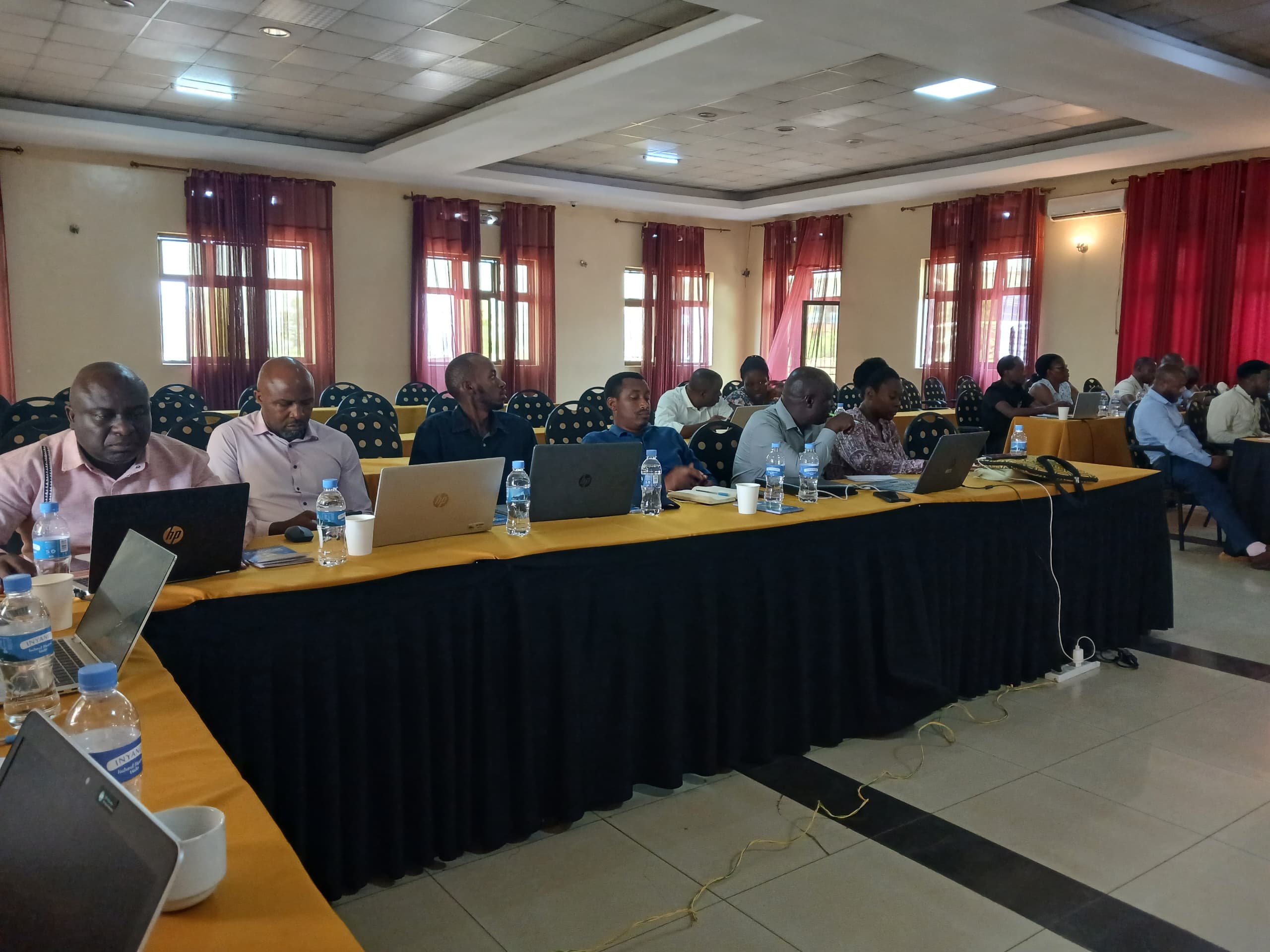
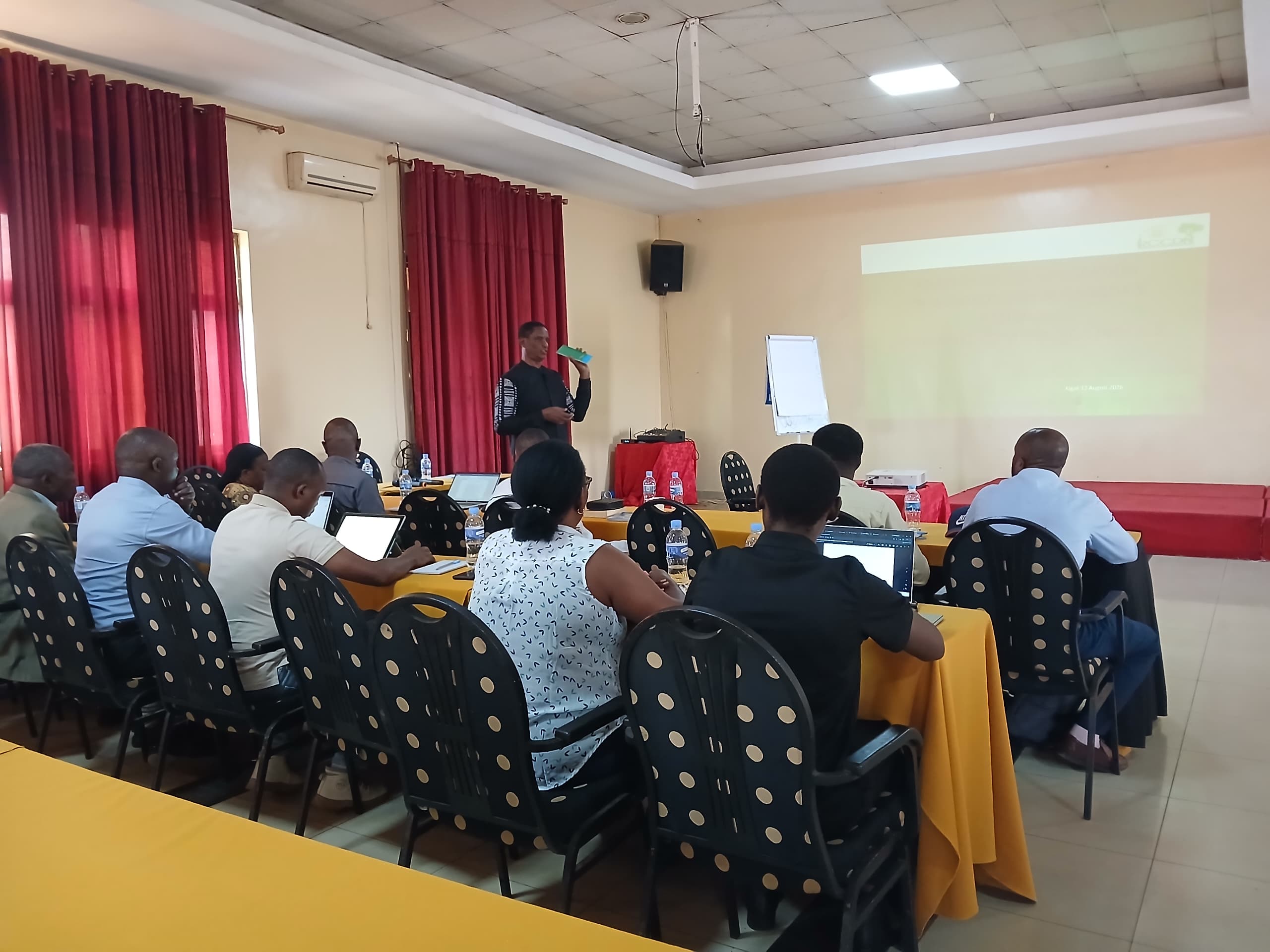
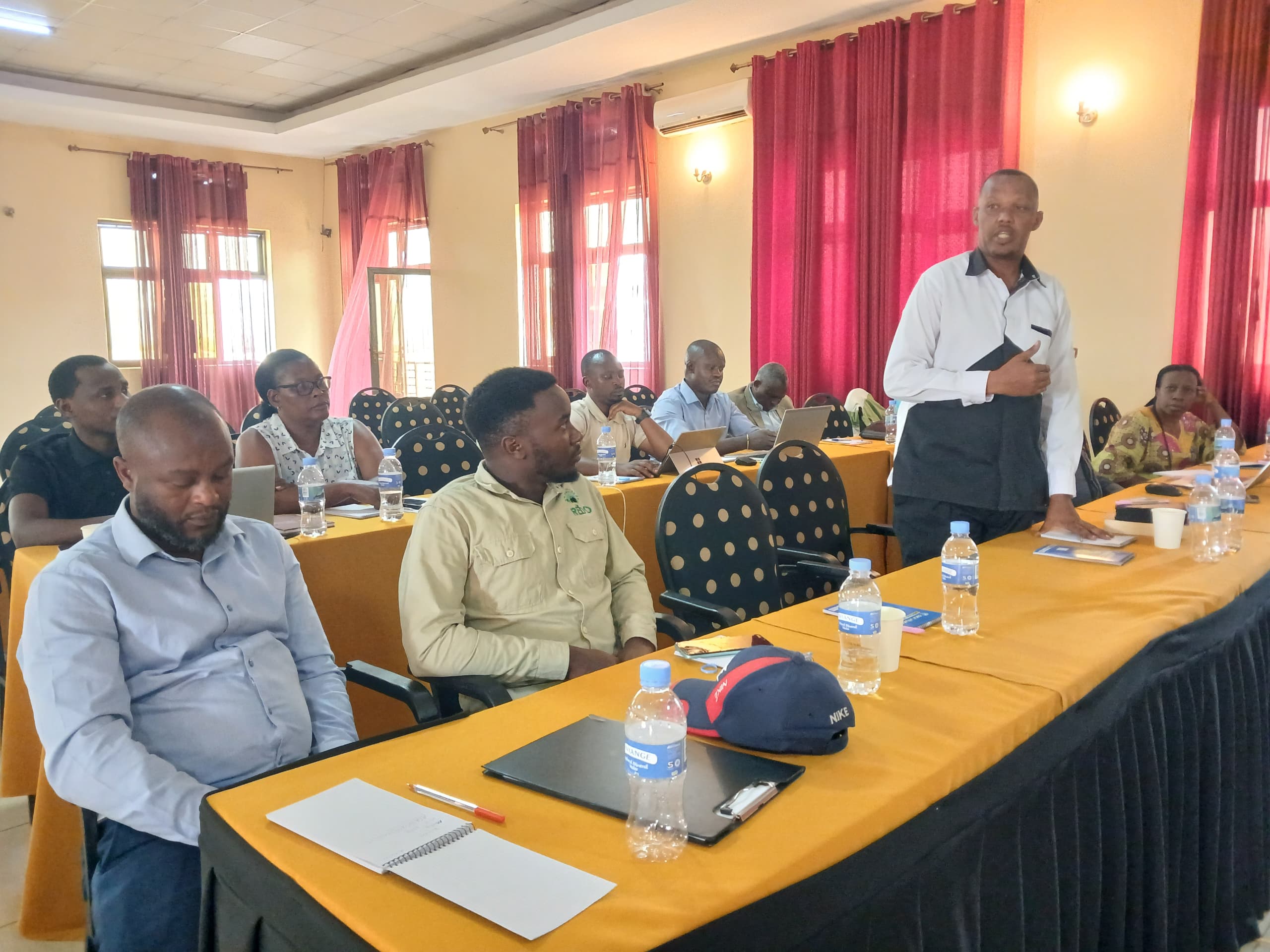
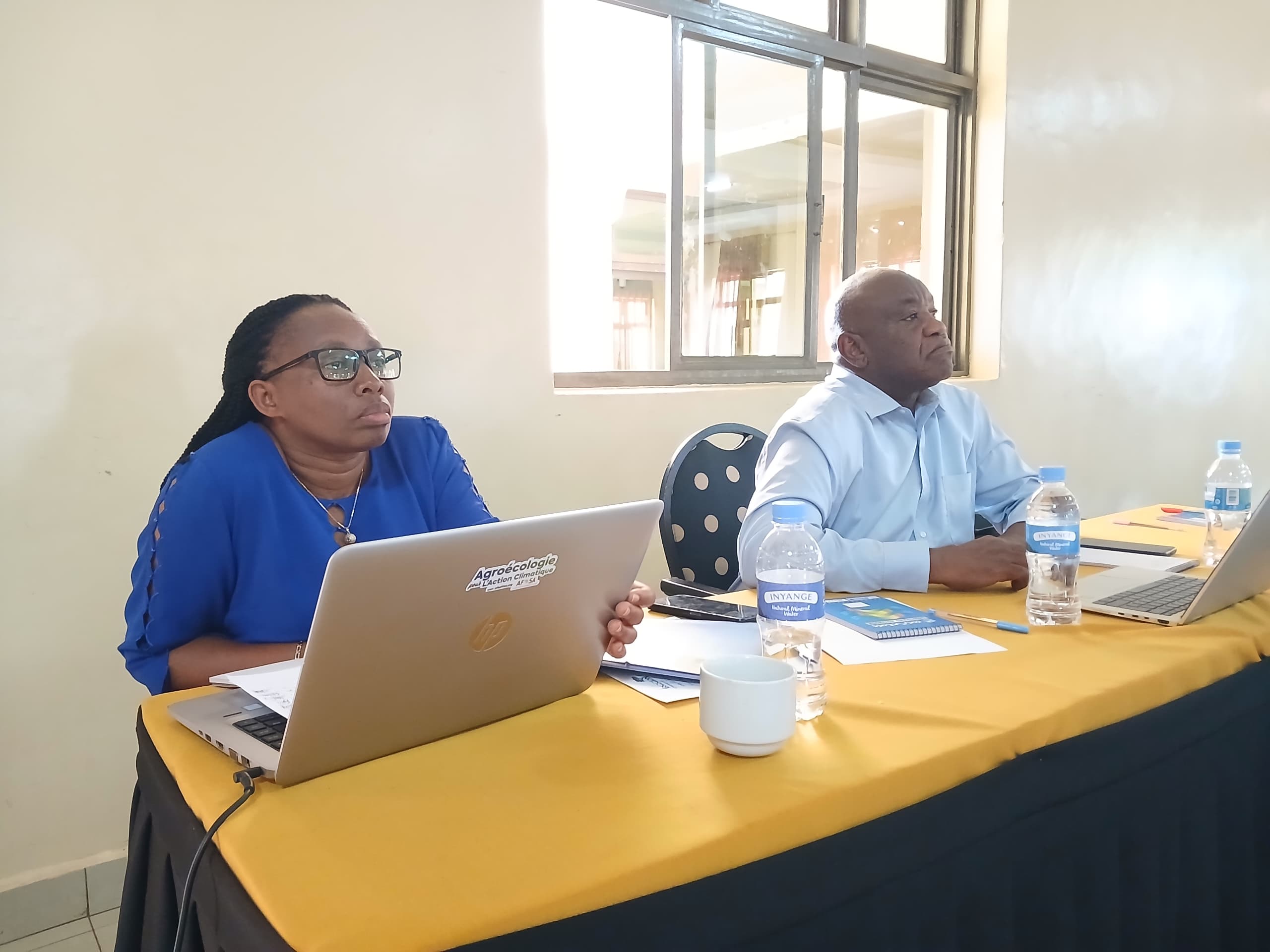
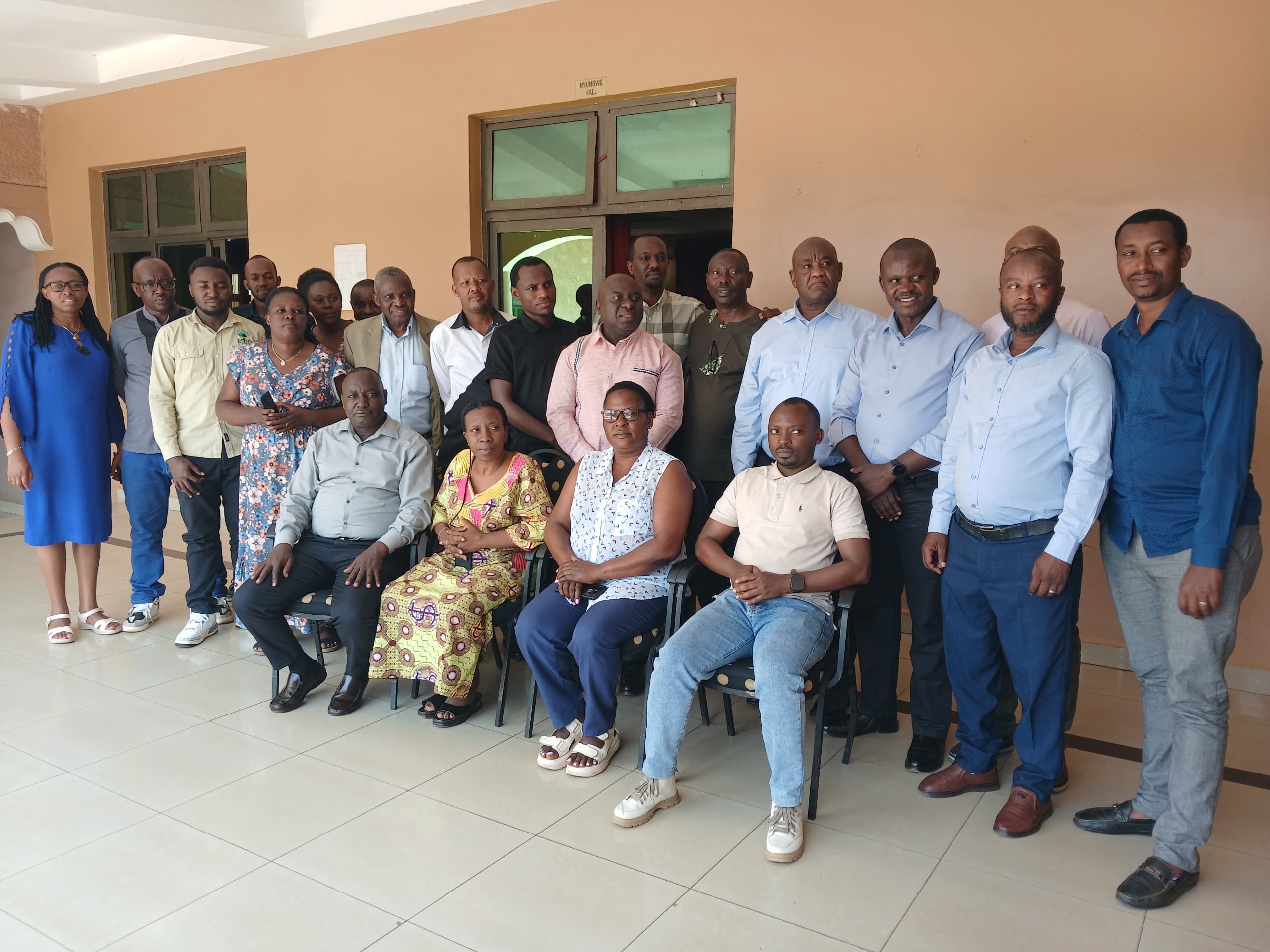
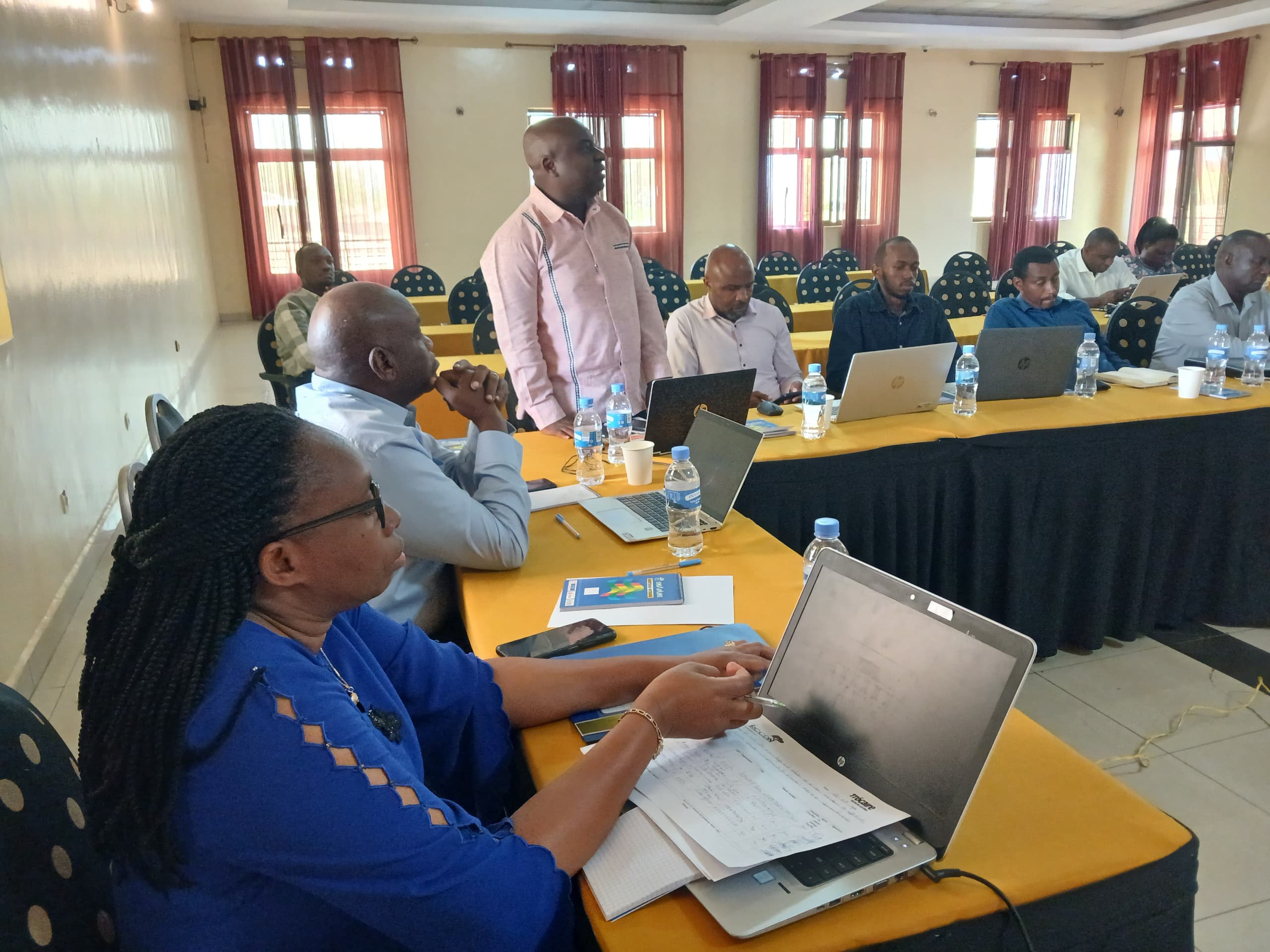
Stakeholders working to advance agroecology, address climate change, promote sustainable agriculture and food systems, conserve the environment, and strengthen civil society advocacy convened in Kigali on 13 August 2026 to reinforce coordinated advocacy aimed at integrating agroecological principles into Rwanda’s Nationally Determined Contribution (NDC 3.0).
The national advocacy workshop on the integration and implementation of agroecology within Rwanda’s NDC 3.0 was organized by the Rwanda Climate Change and Development Network (RCCDN) in collaboration with the Alliance for Food Sovereignty in Africa (AFSA).
The workshop brought together diverse stakeholders to exchange knowledge and practical experiences, identify policy and implementation gaps affecting the advancement of agroecology, and formulate common advocacy messages to promote agroecological approaches within Rwanda’s broader climate action agenda.
The discussions built on previous work undertaken to assess the integration of agroecology into Rwanda’s NDC 3.0 and to identify opportunities for strengthening its effective implementation.
RCCDN Coordinator, Faustin Vuningoma, said agroecology has significant potential to enhance communities’ resilience to the impacts of climate change, particularly through sustainable agricultural practices that improve soil health while increasing agricultural productivity.
He highlighted practices such as composting and soil fertility enhancement as approaches that can improve soil health, increase agricultural productivity, and strengthen the adaptive capacity of farming communities facing increasingly variable climatic conditions.
Vuningoma noted that agroecology is not a new concept in Rwanda, as many farmers already apply various agroecological practices in their day-to-day farming activities.
«“A significant number of Rwandans are already practising elements of agroecology. What is needed is to strengthen its scientific foundation and provide the necessary support to scale it up.”»
He further emphasized the need to strengthen research, evidence generation, demonstration and knowledge-sharing, access to finance, as well as policy and institutional support capable of accelerating the adoption and scaling of agroecological practices and maximizing their contribution to climate resilience.
The RCCDN Coordinator identified limited access to financing and the predominant orientation of agricultural extension services towards commercially driven farming systems among the challenges constraining the wider adoption and promotion of agroecology.
He called for stronger recognition of agroecology within NDC 3.0 and urged its systematic integration into agricultural extension strategies and services.
He also welcomed Rwanda’s progress in promoting conservation agriculture, noting that conservation agriculture contributes to the broader principles and objectives underpinning agroecological farming systems.
Participants emphasized that advancing agroecology requires sustained collaboration among civil society organizations, agroecological practitioners, farmer-focused organizations, researchers, policymakers, and other relevant stakeholders.
The workshop discussions focused on strengthening the integration of agroecological principles into the implementation of NDC 3.0, identifying policy and implementation gaps requiring strategic advocacy, and enhancing support for research, field demonstrations, financing, farmer support mechanisms, and agricultural extension services.
Participants are also working towards developing common advocacy messages and recommendations, while strengthening collaboration, coordination, and collective action among stakeholders operating across the agroecology, climate, agriculture, food systems, and environmental sectors.
The discussions seek to ensure that agroecology does not remain confined to policy recognition and strategic documents, but is effectively mainstreamed into agricultural planning, climate action, investment frameworks, extension services, implementation mechanisms, and monitoring and evaluation systems.
The workshop is therefore contributing to the development of a stronger, coordinated, and evidence-based advocacy agenda for agroecology in Rwanda.
By bringing stakeholders together, the initiative seeks to generate collective momentum for the effective integration of agroecological principles into the implementation of NDC 3.0 and translate policy commitments into practical interventions that strengthen the resilience of farmers, communities, agricultural systems, and ecosystems to climate change.
The overarching message from the discussions is that agroecology is already being practised by many Rwandan farmers. The immediate priority is therefore to strengthen the scientific evidence base, policy and institutional support, financing mechanisms, agricultural extension systems, and coordinated advocacy required to scale up these practices and position agroecology as a meaningful component of Rwanda’s climate action and sustainable agricultural transformation.