Camp 2026: 100 children trained in biodiversity and environmental conservation urged to turn knowledge into action
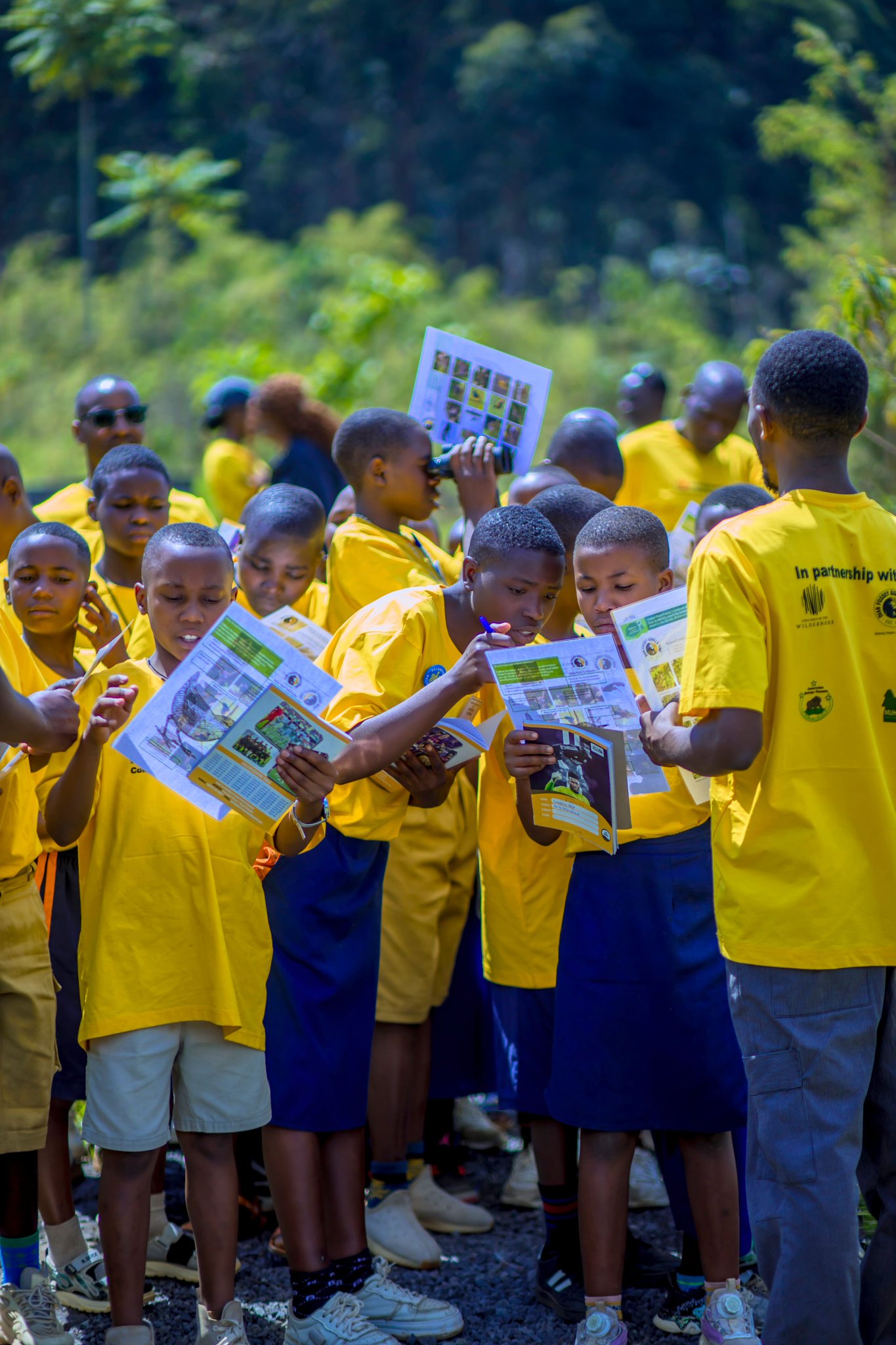
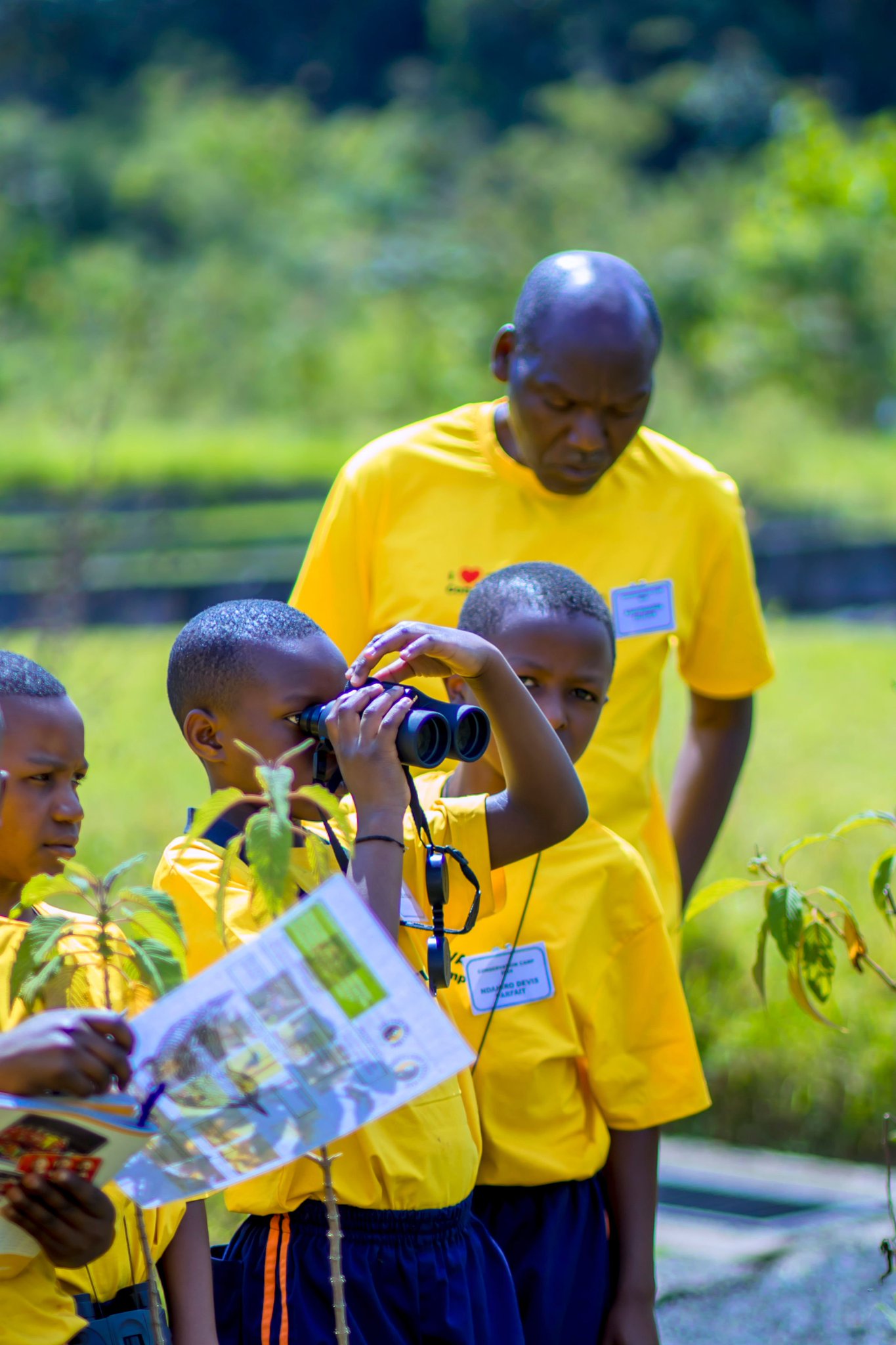
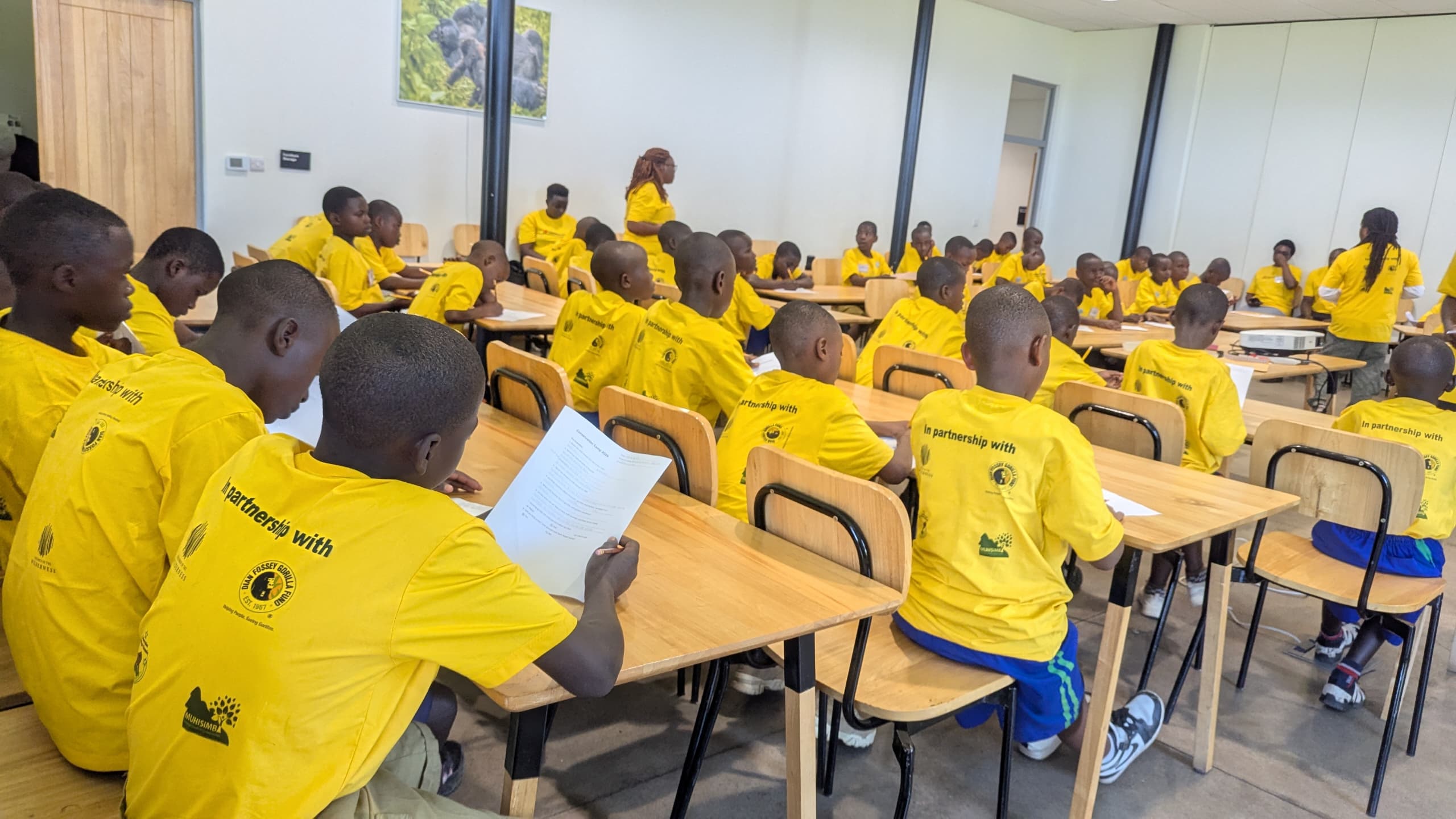
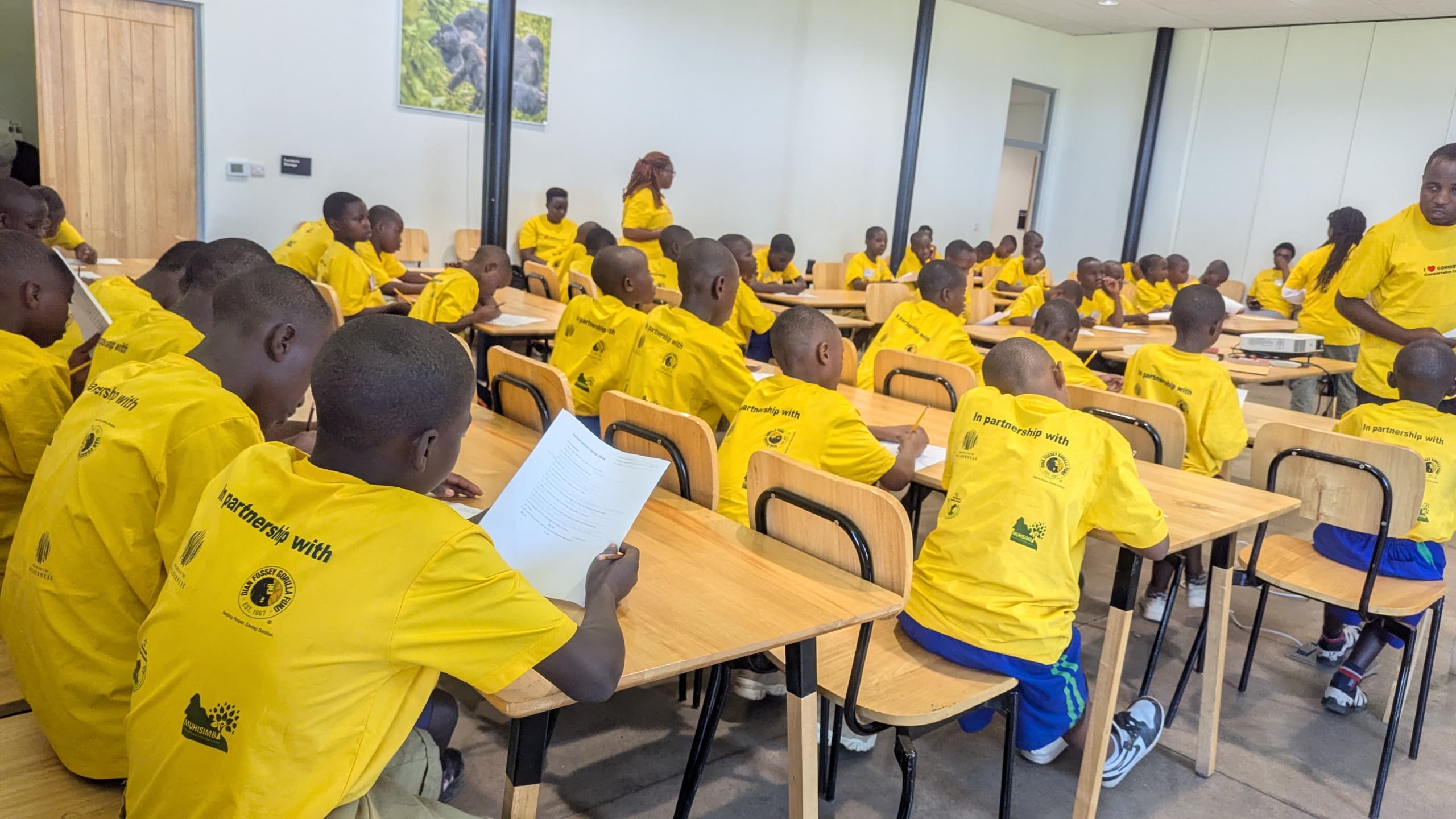
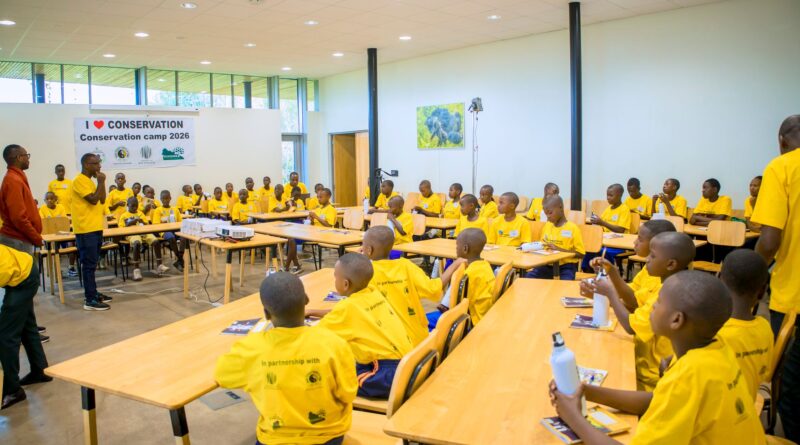
One hundred children from 10 schools across four districts bordering Volcanoes National Park,Musanze, Burera, Rubavu and Nyabihu,have completed a two-week residential camp designed to strengthen their knowledge of environmental conservation, biodiversity protection and the importance of natural ecosystems to human well-being and national development, particularly through sustainable tourism.
The 2026 camp was hosted at The Ellen DeGeneres Campus of the Dian Fossey Gorilla Fund and concluded on 13 August 2026. Participants were introduced to the interconnectedness of ecosystems and taught that every organism and component of the natural environment plays a role in sustaining life.
The children also learned how communities and the wider economy benefit from healthy ecosystems, as well as the critical role individuals can play in protecting natural resources so that their benefits can be sustained for future generations.
Participants said the camp had significantly changed their understanding of environmental conservation, particularly regarding activities they previously considered ordinary but which can contribute to environmental degradation.
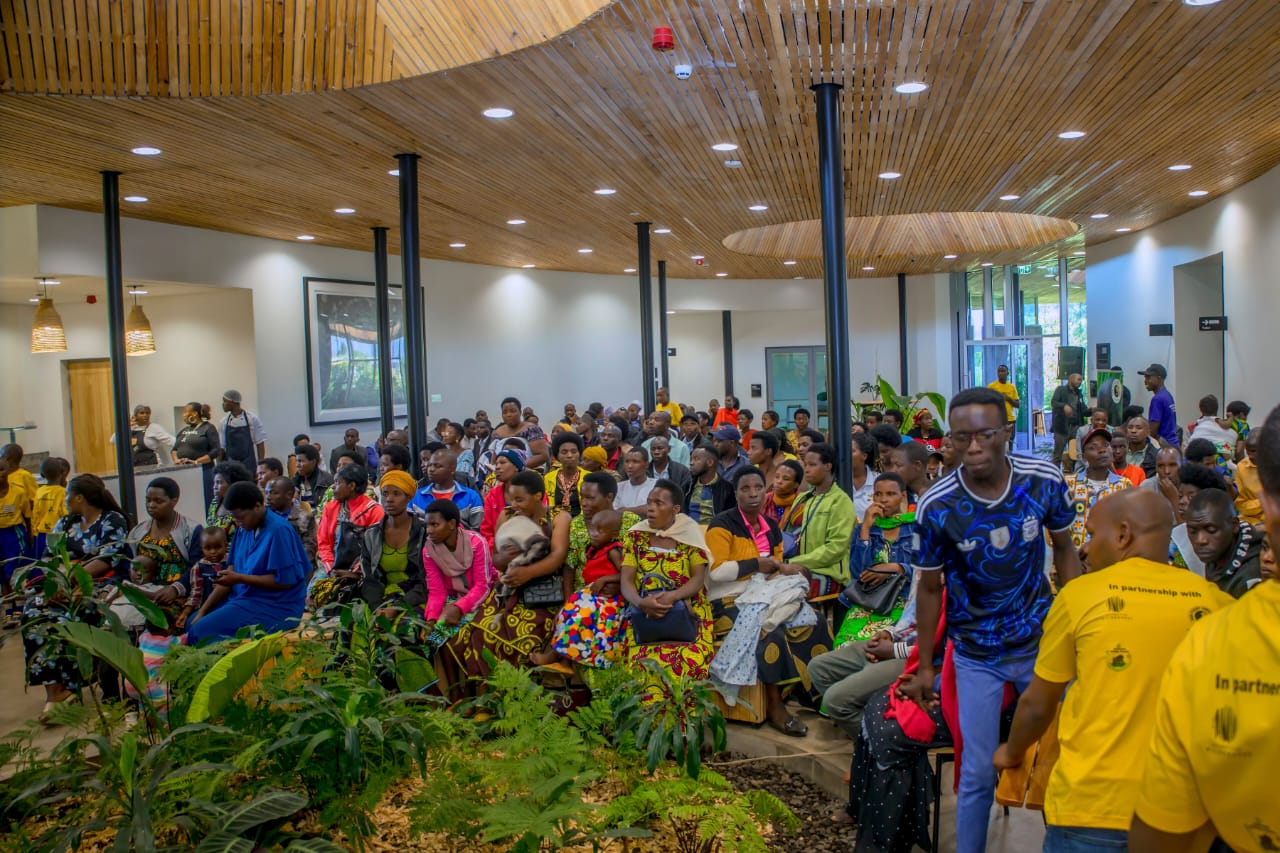
Solange Uwiringiyimana, one of the 100 children who attended the camp, said she had previously lacked a clear understanding of environmental conservation but had gained knowledge that she intends to share with her peers.
«“I came here without really knowing what environmental conservation meant. I used to throw plastic bottles and other waste wherever I found a place, but here I was taught how to manage waste properly and keep it in designated places so that it does not harm the environment. I will share what I have learned with my fellow students.”»
She also said the camp taught her about the importance of tree planting and combating poaching, while helping children understand how they can contribute to conservation without putting themselves at risk.
«“I learned that we must plant trees and help combat poaching. As children, we cannot confront or arrest poachers ourselves, but we can report them to adults and the authorities and alert them when someone is illegally entering the park or setting traps for wildlife.”»
Olivier Hirwa, another camp participant, said the training helped him understand the contribution of wildlife in Volcanoes National Park to Rwanda’s development, particularly through tourism.
«“We learned that the wildlife living in the park is extremely important to us. It contributes to the country’s development through tourism, while also playing an important role in supporting healthy ecosystems and human well-being.”»
He added:«“We are going to protect Volcanoes National Park, fight poaching and oppose activities that harm our wildlife, while also taking better care of the environment. We are Rwanda’s future generation. Among us will be tomorrow’s leaders, wildlife veterinarians and conservation professionals.”»
The training covered biodiversity conservation and the protection of natural habitats, including Rwanda’s four national parks and other protected areas. The children were also taught how to respond responsibly when they encounter wildlife, particularly high-altitude or mountain wildlife found outside its normal habitat.
They were advised to immediately alert the relevant authorities so that animals can be safely rescued and returned to appropriate habitats, rather than being chased, stoned or subjected to any other form of disturbance or abuse.
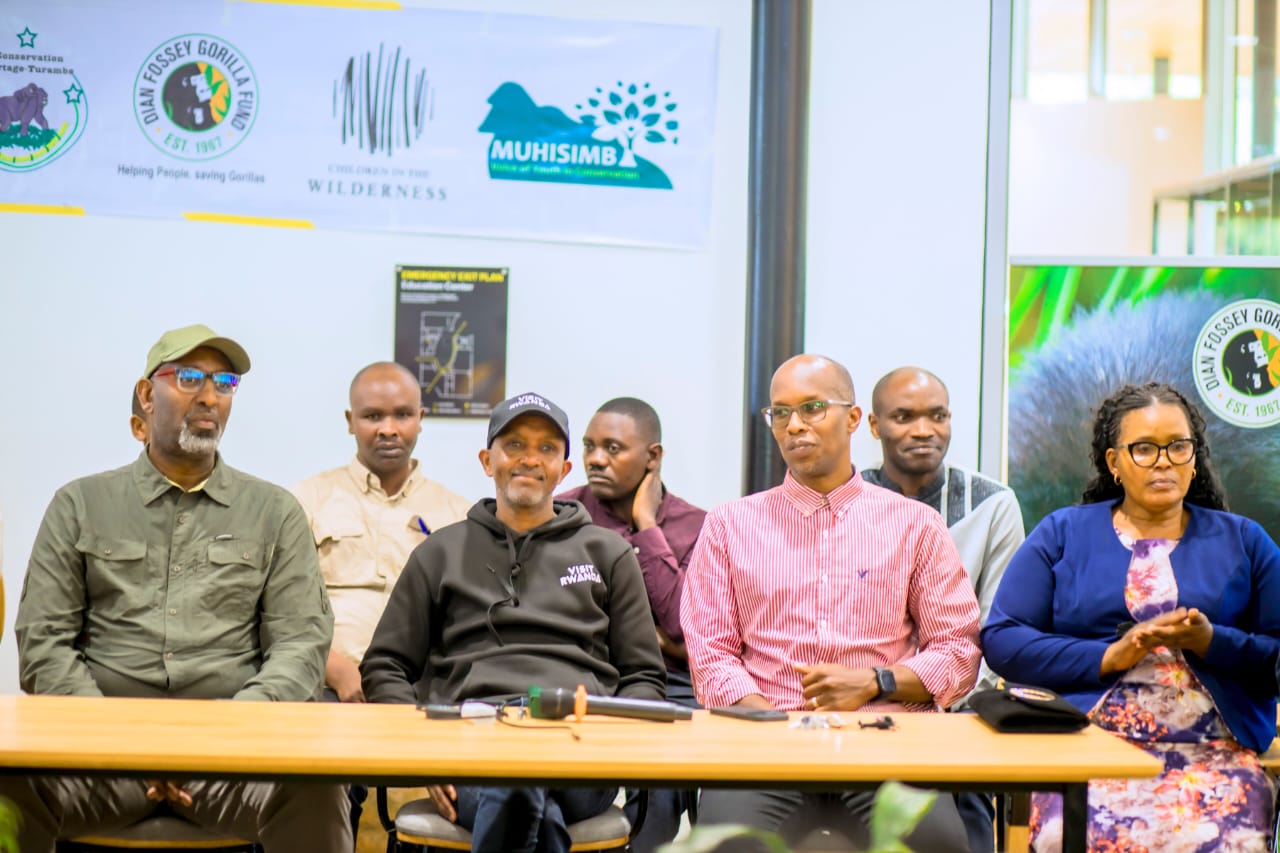
Valerie Akuredusenge, Executive Director of Conservation Heritage–Turambe (CHT),, one of the organisations collaborating in the programme, said the initiative deliberately invests in young people because they are central to building a sustainable future for conservation.
«“We have invested in young people because they are the strength of the country and the generation that will build a sustainable future. If we do not plan for the future of Volcanoes National Park, that would pose a serious challenge to its long-term development. We are investing in young people so that the park grows together with them, because we are doing this work today, but we are also growing older.”»
Emmanuel Harerimana, head of Muhisimbi Voice of Youth in Conservation and one of the people overseeing the camp, said its primary objective is to prepare young people to become future leaders in environmental conservation.
«“Our objective is to prepare young people to become tomorrow’s leaders in environmental conservation. Based on the monitoring and assessment indicators we have used, the results show that the children are responding positively to the training, demonstrating that the programme is delivering the impact we had hoped for.”»
He said the initiative has continued to expand in terms of both geographical reach and the number of participating schools.
«“We are pleased that the programme continues to expand and reach more children. We have moved from one district to four,Musanze, Burera, Rubavu and Nyabihu. We have also increased the number of participating schools from eight to 10, and we will continue expanding the programme while strengthening the training and knowledge we provide to the children.”»
Harerimana said some children who participated in previous editions have already begun applying what they learned, particularly through tree planting and habitat restoration.
«“We are pleased that some of the children who participated in previous camps have started putting what they learned into practice. Some of the trees they planted at the time have now grown and are contributing to wildlife habitat and the provision of clean air.”»
Felix Ndagijimana, a Country Director of the Dian Fossey Gorilla Fund-Rwanda said the knowledge provided to the children equips them with a stronger understanding of environmental conservation and the protection of Volcanoes National Park.
«“The knowledge these children receive gives them a stronger understanding of environmental conservation and the protection of Volcanoes National Park. By educating them from an early age, we help them understand the relationship between people, wildlife and the environment, enabling them to play a meaningful role in conserving and sustainably managing these natural resources for the future.”»
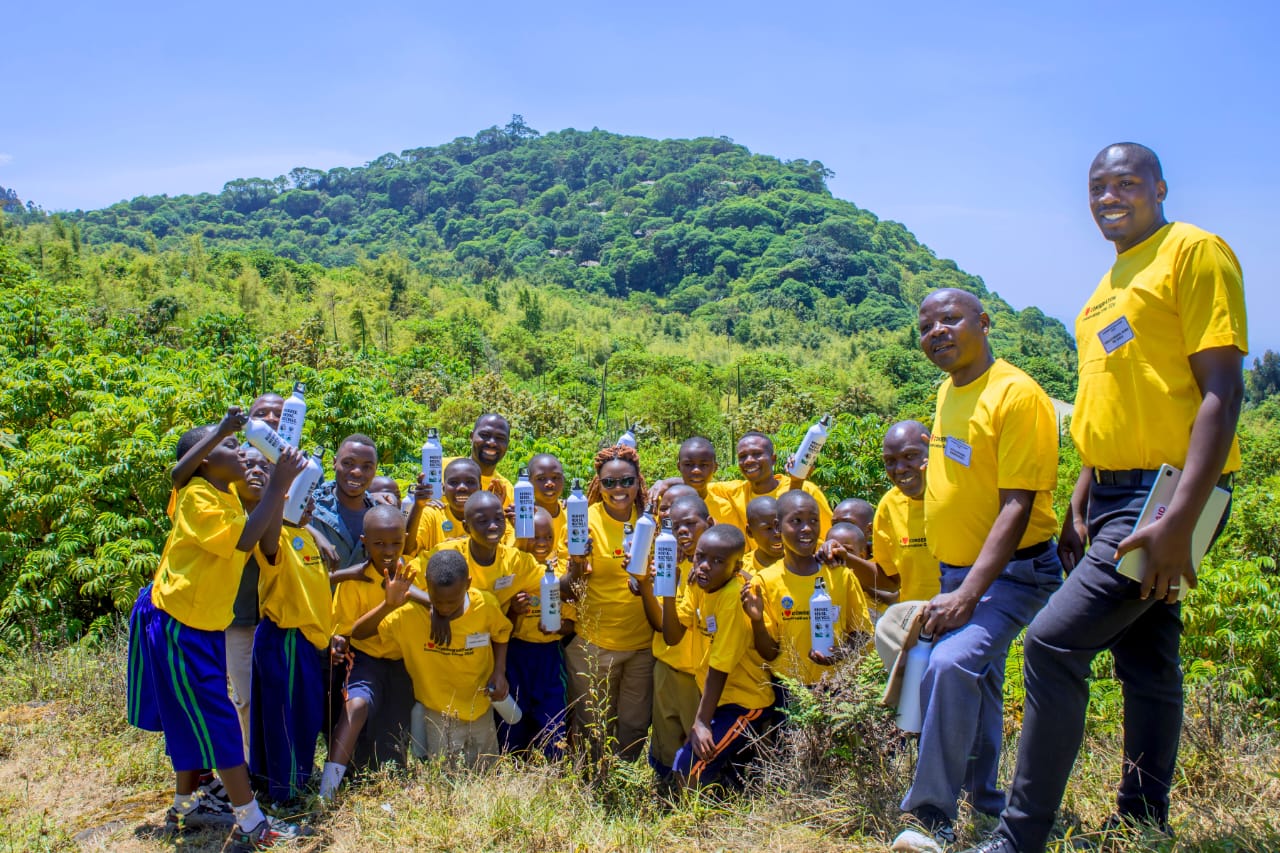
Manzi Kayihura, the Executive Chairman of Wilderness Rwand, a tourism company operating in the country and with five hotels in Rwanda, said building a lasting conservation ethic begins with children.
«“The most important thing anyone can do to build something good and sustainable is to instil those values in a child from an early age. When a child grows up respecting nature and carrying those values throughout life, that is when you create a strong and sustainable system. It is much more difficult to change the mindset of an adult who has already developed different attitudes.”»
He added:«“If you do not educate children, you have not done enough, because conservation is not something for today alone; it has to continue. That is why we must start with children. We expect them to support conservation, understand its value and make it part of their own lives, because tourism without the participation and support of local communities would have little meaning.”»
Manzi also called on parents to work closely with the children and help them put the lessons they received into practice, ensuring that the knowledge gained at the camp does not remain theoretical but becomes part of their everyday behaviour.
In 2025, Prosper Uwingeri, Chief Park Warden of Volcanoes National Park, said camps of this nature play an important role in strengthening the protection of the park and reducing activities that threaten its integrity.
He said:«“The value of this camp is that children gain a deeper understanding of the importance of ecosystems and biodiversity and set their own goals to protect them. We would like to see this programme expanded and conducted more frequently because when young people grow up with these values, it reduces the risks posed by poachers and others who enter the park and disturb wildlife, including mountain gorillas.”»
The camp is organised through a partnership involving four non-governmental organisations operating in Rwanda: Dian Fossey Gorilla Fund, Muhisimbi Voice of Youth in Conservation, Children in the Wilderness and Conservation Heritage–Turambe.
During the first four years, 80 children from eight schools located around Volcanoes National Park were selected annually to participate. Selection was based on their involvement in school-based environmental conservation clubs and their academic standing.
During the two-year period covering 2025 and 2026, the programme expanded considerably. The number of participants increased from 80 to 100, while its geographical reach also grew.
In 2025, participating children came from three districts—Musanze, Burera and Nyabihu. In 2026, Rubavu was added, bringing the total number of participating districts to four.
The number of participating schools also increased from eight to 10, with organisers planning to expand the programme further while strengthening the conservation education provided to participants.
The broader objective is to reach more children and extend conservation education to wider communities, enabling young people to become active custodians of biodiversity, protected areas and Rwanda’s natural heritage, while contributing to the development of sustainable tourism.
The 2026 camp was attended by parents of participating children, school leaders and various conservation and tourism stakeholders, including Ndagijimana Felix of The Ellen DeGeneres Campus of the Dian Fossey Gorilla Fund, Manzi Kayihura of The Wilderness Rwanda, Uwingeri Prosper of Volcanoes National Park, representatives of government and the private sector, and other partners involved in environmental and biodiversity conservation.