Humane Dog Population Management aims to curb stray dog populations and protect communities and wildlife in Rwanda
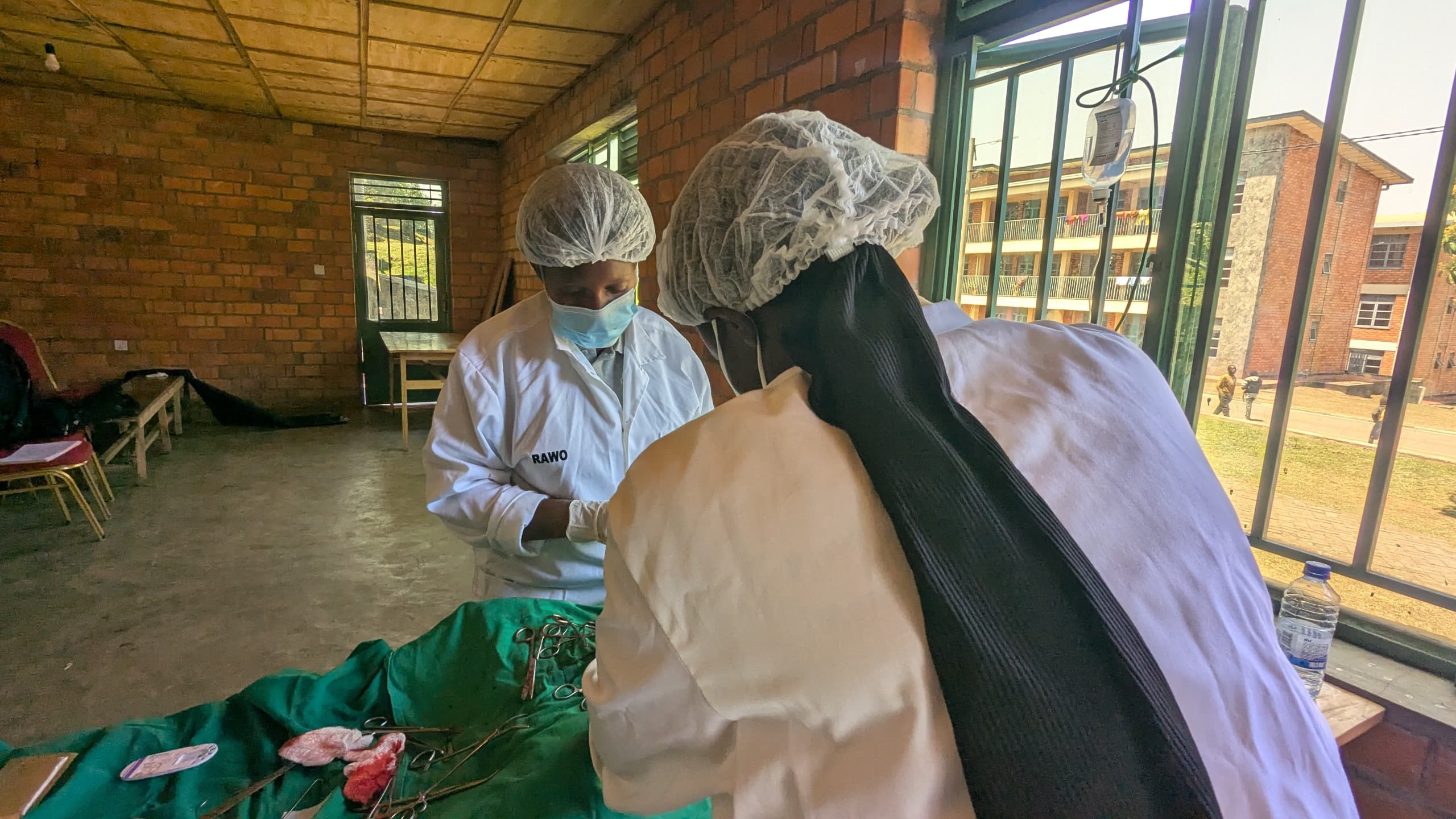
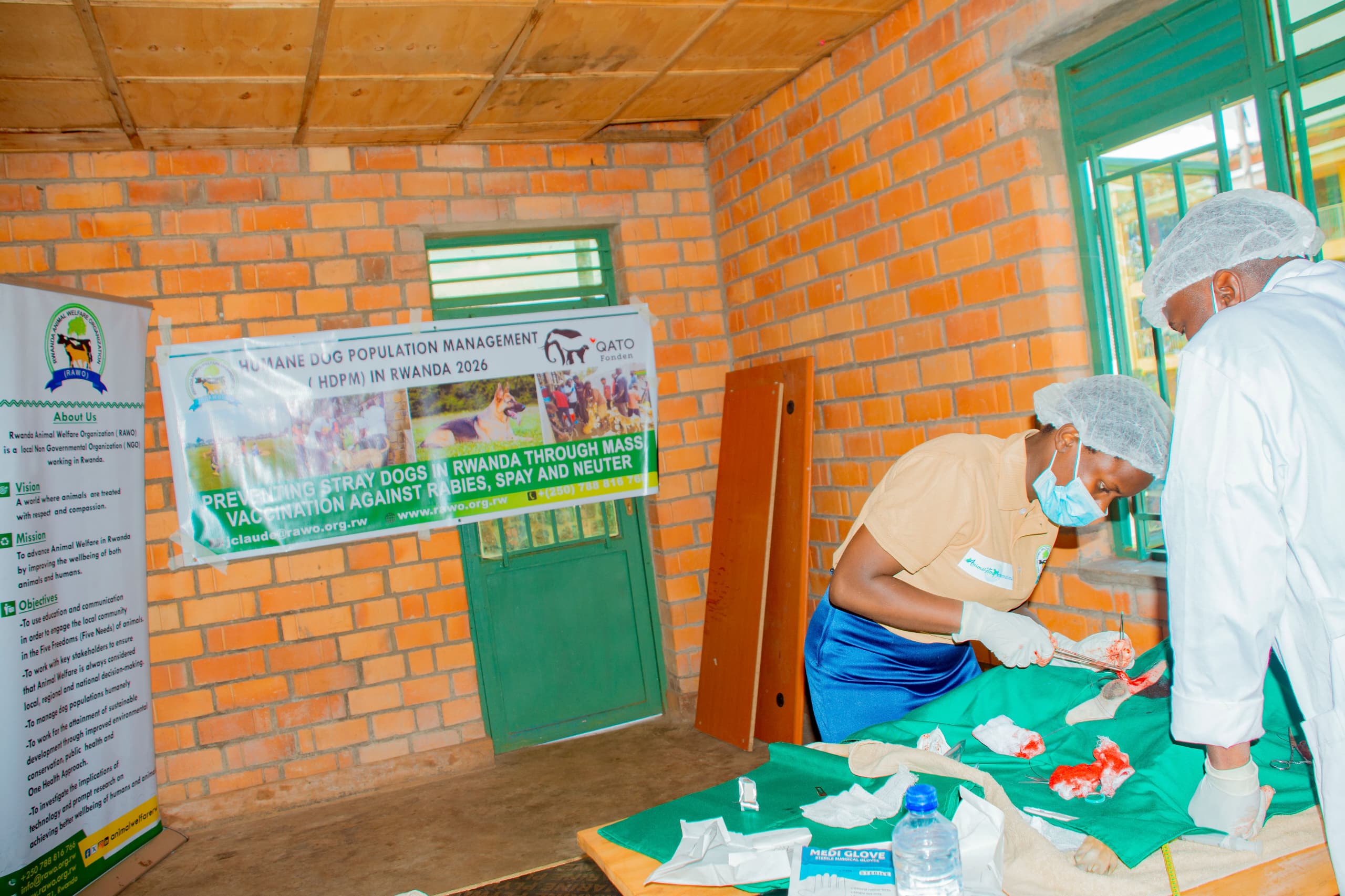
Rwanda Animal Welfare Organization (RAWO), a non-governmental organization dedicated to advancing animal welfare in Rwanda, has launched a campaign to vaccinate and sterilize dogs as part of efforts to combat rabies and reduce the population of stray dogs, which can pose significant risks to communities, livestock, property and the environment.
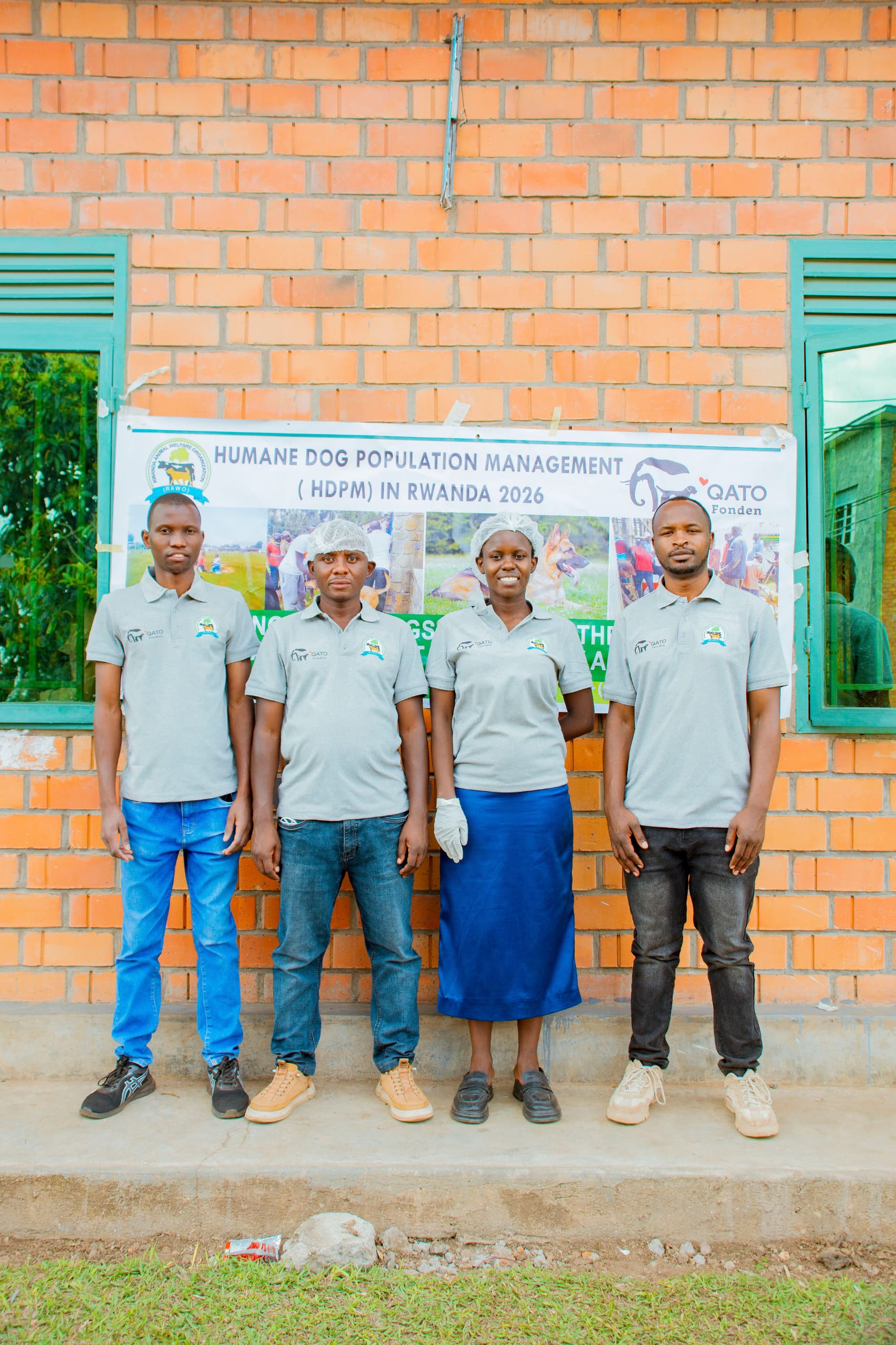
The initiative, implemented under the Humane Dog Population Management (HDPM) programme, which refers to the humane and responsible management of dog populations in a manner that safeguards their welfare, commenced in Kinigi Sector, Musanze District, on 12 August 2026.
Residents of Kinigi and neighbouring areas are bringing their dogs to the designated sites to receive rabies vaccinations and sterilisation services. Dog owners say the initiative is particularly valuable because accessing and paying for these veterinary services individually can be prohibitively expensive for many households.
RAWO says the Humane Dog Population Management programme is not solely intended to protect communities from zoonotic diseases associated with dogs, but also to prevent uncontrolled population growth among stray dogs and promote responsible ownership and improved animal welfare.
Jean Baptiste Nshimiyimana, one of the residents participating in the campaign, says the services provided by RAWO are of considerable benefit to dog owners who might otherwise be unable to afford the costs associated with vaccination and sterilisation.
He said: “This initiative has been extremely helpful because having your dog vaccinated or sterilised privately can be expensive. Bringing these services closer to the community is a significant form of support for dog owners.”
Israel Nkotanyi says stray dogs are among the problems that continue to concern residents, particularly when they enter homesteads in search of female dogs.
He said: “Stray dogs are a serious concern for us because they often enter our homes in search of female dogs and mate with dogs that are kept there. At times, they can also prey on livestock or damage other property around the household.”
He believes sterilising household dogs can contribute to addressing the problem over the long term because sterilised dogs can no longer reproduce.
He said: “Sterilising dogs will provide a long-term solution because a sterilised household dog will no longer mate with stray dogs or go looking for them. This will help reduce the number of stray dogs.”
Nkotanyi further says sterilised dogs can be more easily managed within households, allowing owners to provide them with better care while enabling them to fulfil their role as companion and guard animals.
He said: “A sterilised dog can have a more settled behaviour and can be properly cared for by its owners. When it remains within the household, it has the responsibility of protecting the home and becomes trusted by family members. When it is also vaccinated, this reduces the risks associated with rabies and other problems that may arise from dog bites.”
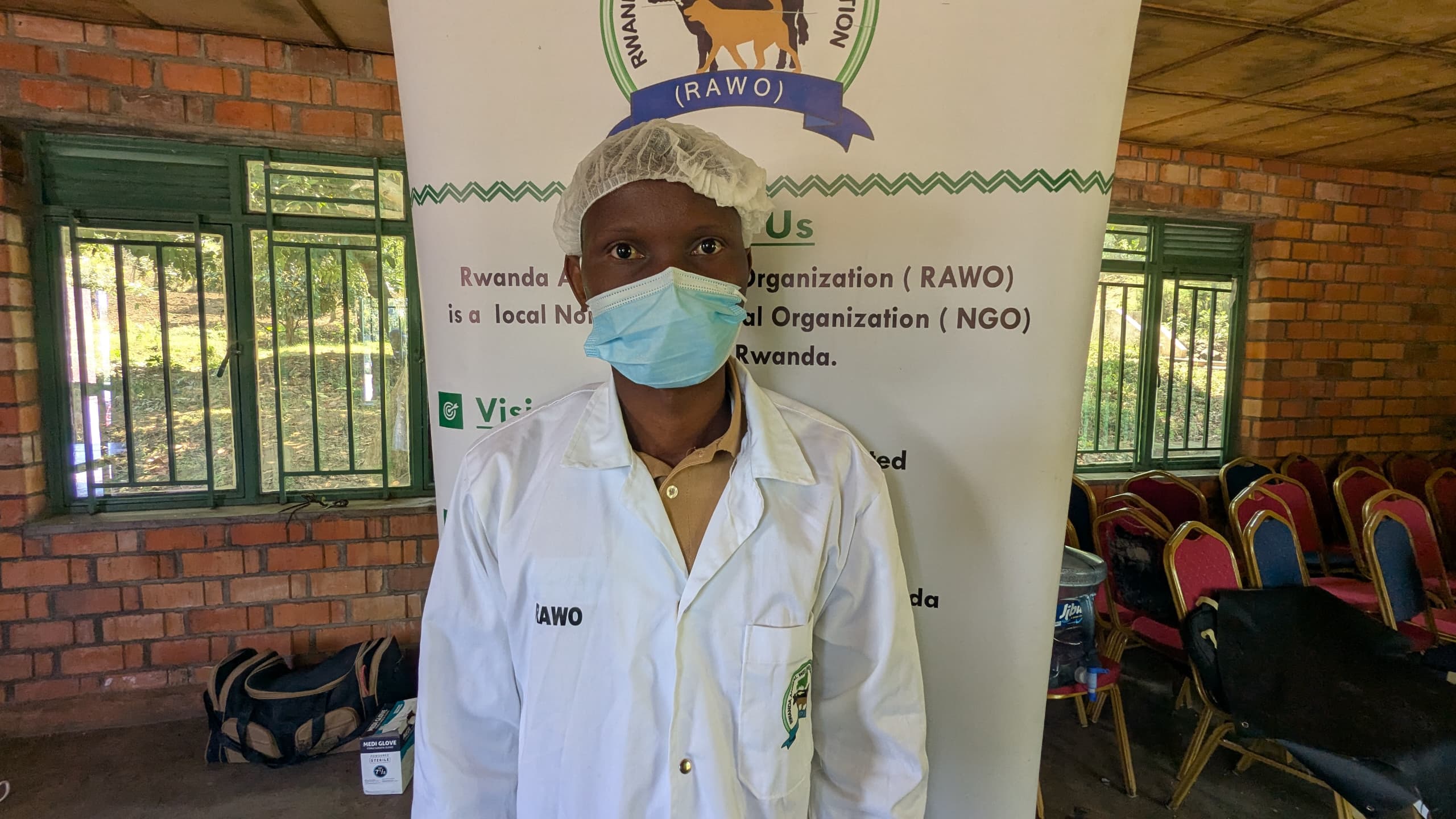
Valensi Hagenimana, a veterinarian working with RAWO, says the campaign is attracting substantial participation from residents because communities have demonstrated a strong need for dog vaccination and sterilisation services.
He said: “This is an initiative that is attracting a large number of residents. We launched it in Kinigi Sector on 12 August 2026, and the community has demonstrated that the programme has come at the right time because these are services they genuinely need.”
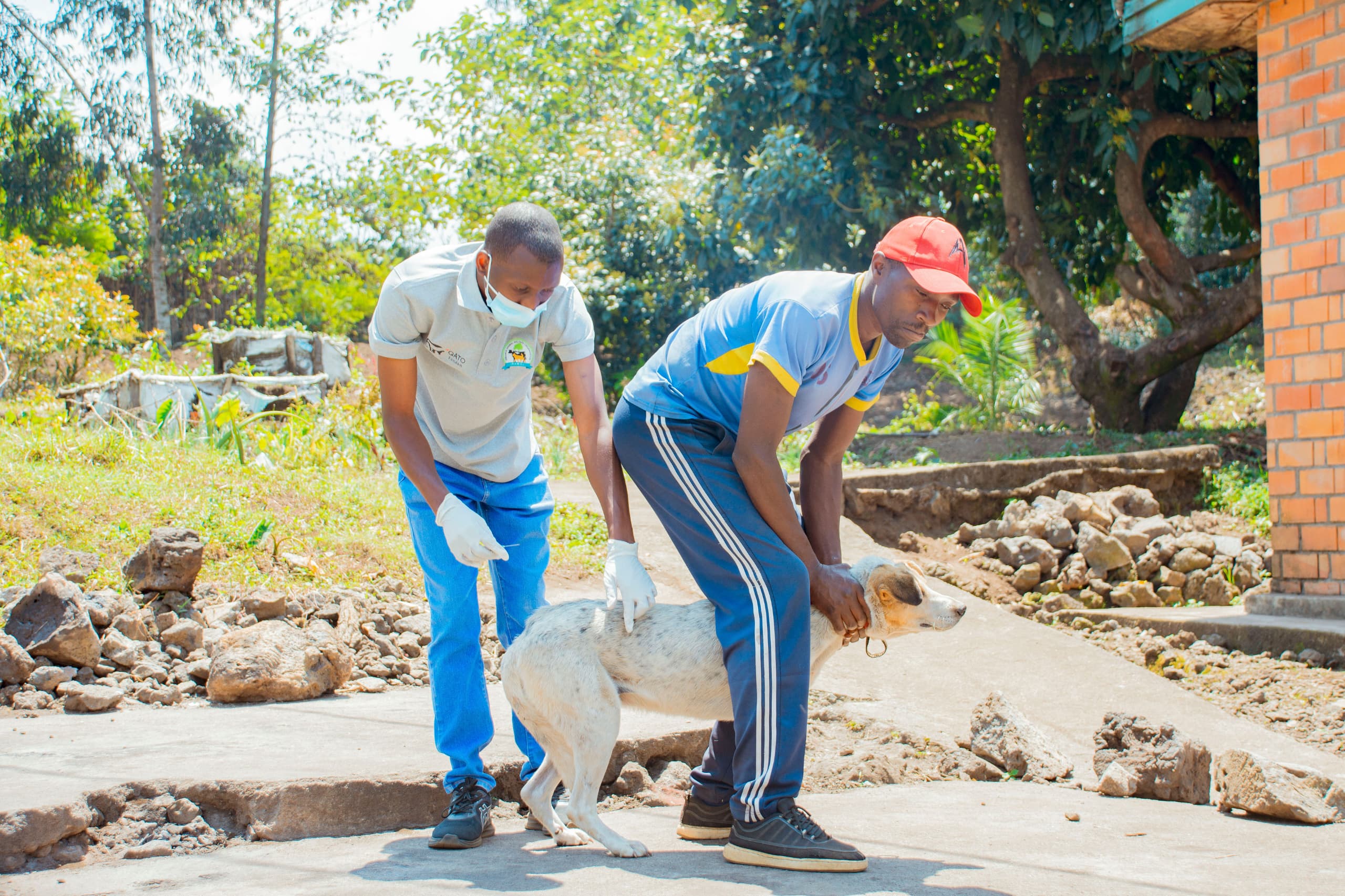
Hagenimana explains that the vaccination component is intended to protect dogs against rabies, a zoonotic disease that can be transmitted to humans and other animals through the bite of an infected animal.
He said: “We provide vaccination against rabies. A properly vaccinated dog develops protection against the disease, thereby reducing the risk of transmitting it to humans or other animals.”
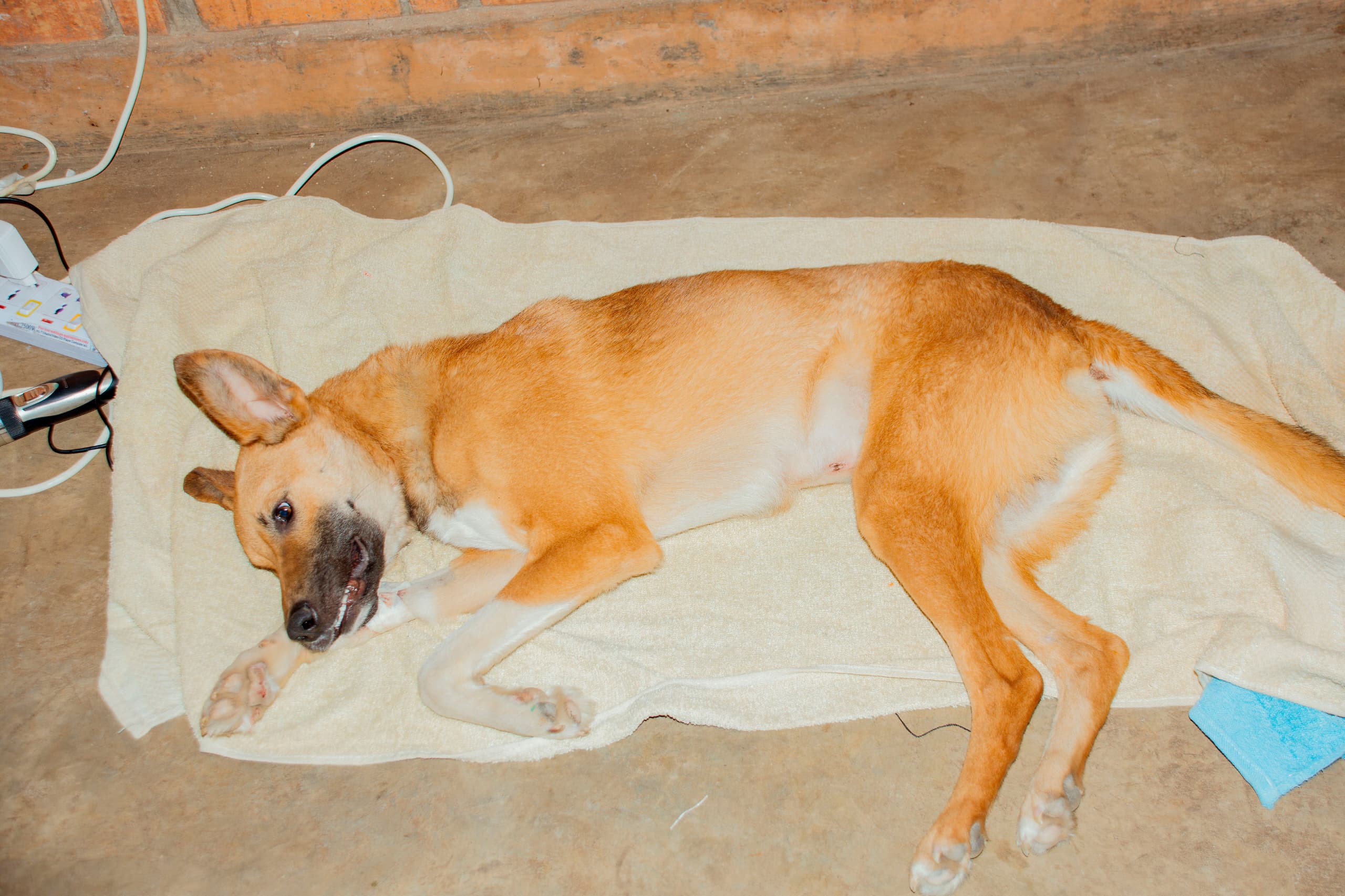
He adds that sterilisation is an important component of responsible dog population management, particularly in preventing uncontrolled reproduction that can contribute to the emergence of stray dog populations.
He said: “When we sterilise the dogs, they can no longer continue reproducing without control. Our objective is to reduce the number of stray dogs and ensure that dogs kept within households are responsibly managed.”
Hagenimana says the initiative also contributes to the protection of Volcanoes National Park, particularly because some of the sectors where the campaign is being implemented are located close to the park.
He said: “Sterilised dogs contribute to reducing the number of dogs that may enter Volcanoes National Park, where they can disturb wildlife. The sectors where we are implementing this programme are close to the park, so managing dog populations is also important for biodiversity conservation.”
He further says responsible dog ownership and proper animal care are central to the programme because dogs that have identifiable owners and receive adequate care generally experience better welfare than free-roaming dogs.
He said: “A sterilised dog can enjoy better welfare because it no longer reproduces or roams in search of other dogs. When it remains within the household, it can fulfil its role as a guard dog and is trusted by family members. When it is vaccinated as well, this reduces the concerns associated with rabies.”
The Director of Rwanda Animal Welfare Organization, Masengesho Jean Claude, says humane dog population management is important not only for human health but also for livestock, the environment and wildlife.
He said: “The number of dogs entering Volcanoes National Park and disturbing wildlife is decreasing, and as this initiative continues, we believe that these dogs will eventually disappear from the park.”
Masengesho says RAWO has so far vaccinated more than 200 dogs in Nyange and Kinigi sectors, as the vaccination and sterilisation campaign continues.
He said: “Stray dogs can cause a range of problems. They can transmit rabies to people, attack livestock and damage crops. We sterilise them so that they do not continue reproducing in uncontrolled conditions and increasing in number.”
He adds that RAWO begins its interventions with community sensitisation to ensure that dog owners understand their responsibilities regarding proper animal care and responsible ownership.
He said: “We first educate dog owners on how to handle and care for their animals properly, we teach them five freedoms of animals. The objective is not simply to reduce the number of dogs, but also to ensure that dogs live in good conditions, that communities practise responsible dog ownership, and that there is greater safety and coexistence between people and animals.”
Rwanda Animal Welfare Organization (RAWO) is a local non-governmental organization operating in Rwanda with a vision of a world in which animals are treated with respect, dignity and compassion. Its mission is to advance animal welfare in Rwanda by improving the wellbeing of both animals and people.
RAWO also places emphasis on education and communication as tools for engaging communities on the essential needs and welfare of animals. It works with key stakeholders to ensure that animal welfare considerations are incorporated into decision-making at local, regional and national levels, while promoting humane approaches to dog population management.
The Humane Dog Population Management programme continues in Kinigi Sector, with vaccination and sterilisation serving as key interventions for preventing rabies, curbing uncontrolled dog population growth, promoting responsible dog ownership and strengthening the protection of communities, livestock, the environment and wildlife.