Musanze: UNESCO-Associated Schools highlight AI’s benefits for education
School leaders affiliated with the United Nations Educational, Scientific and Cultural Organization (UNESCO) in Rwanda are advocating for greater integration of Artificial Intelligence (AI) into teaching and learning, citing its potential to enhance instructional delivery, improve lesson preparation and broaden students’ access to knowledge through research.
However, they warn that inadequate digital infrastructure, limited internet connectivity and disparities in AI literacy remain significant barriers to its effective adoption in schools. They are therefore calling for responsible and inclusive AI integration that strengthens, rather than undermines, the quality of education.
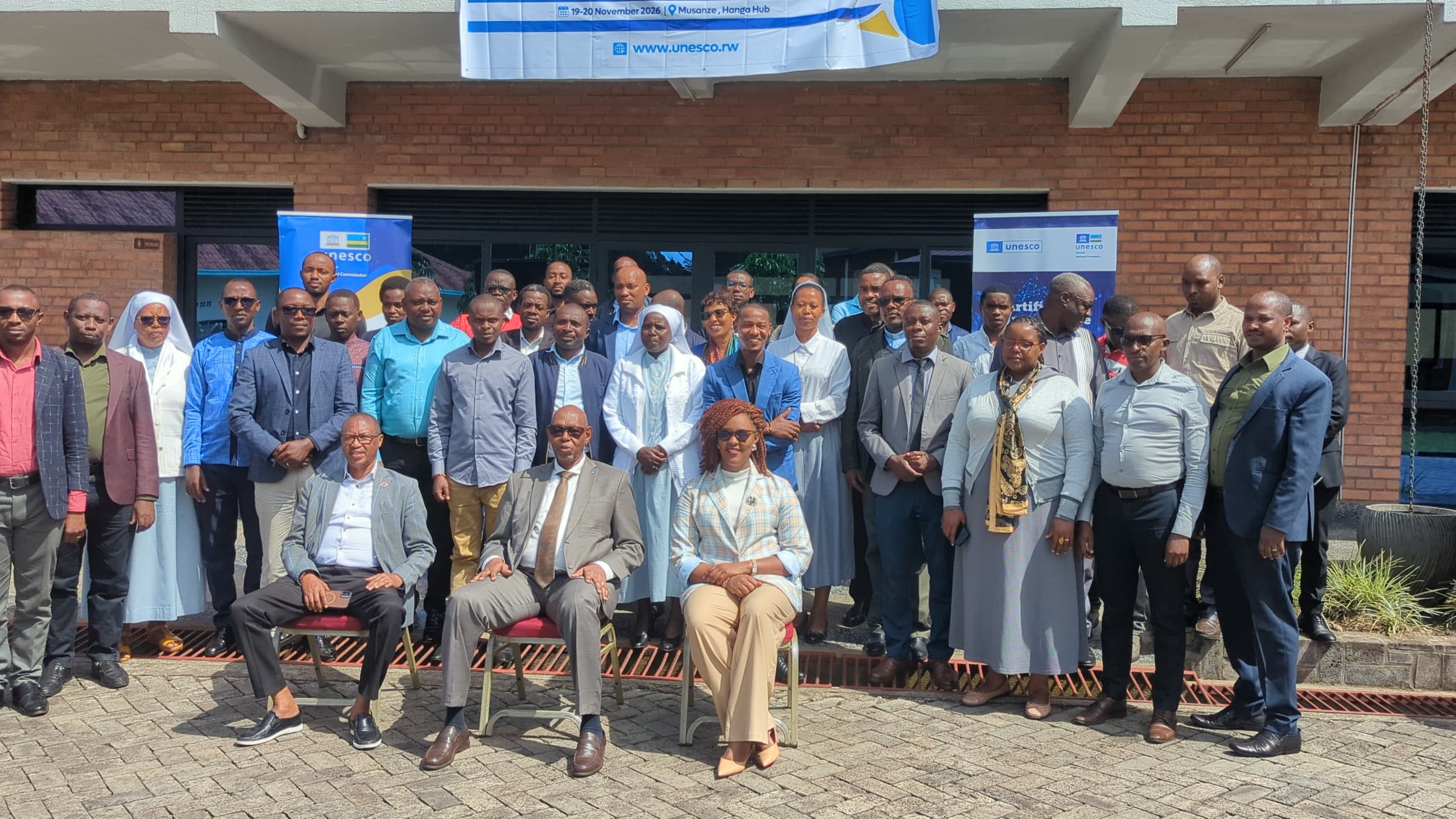
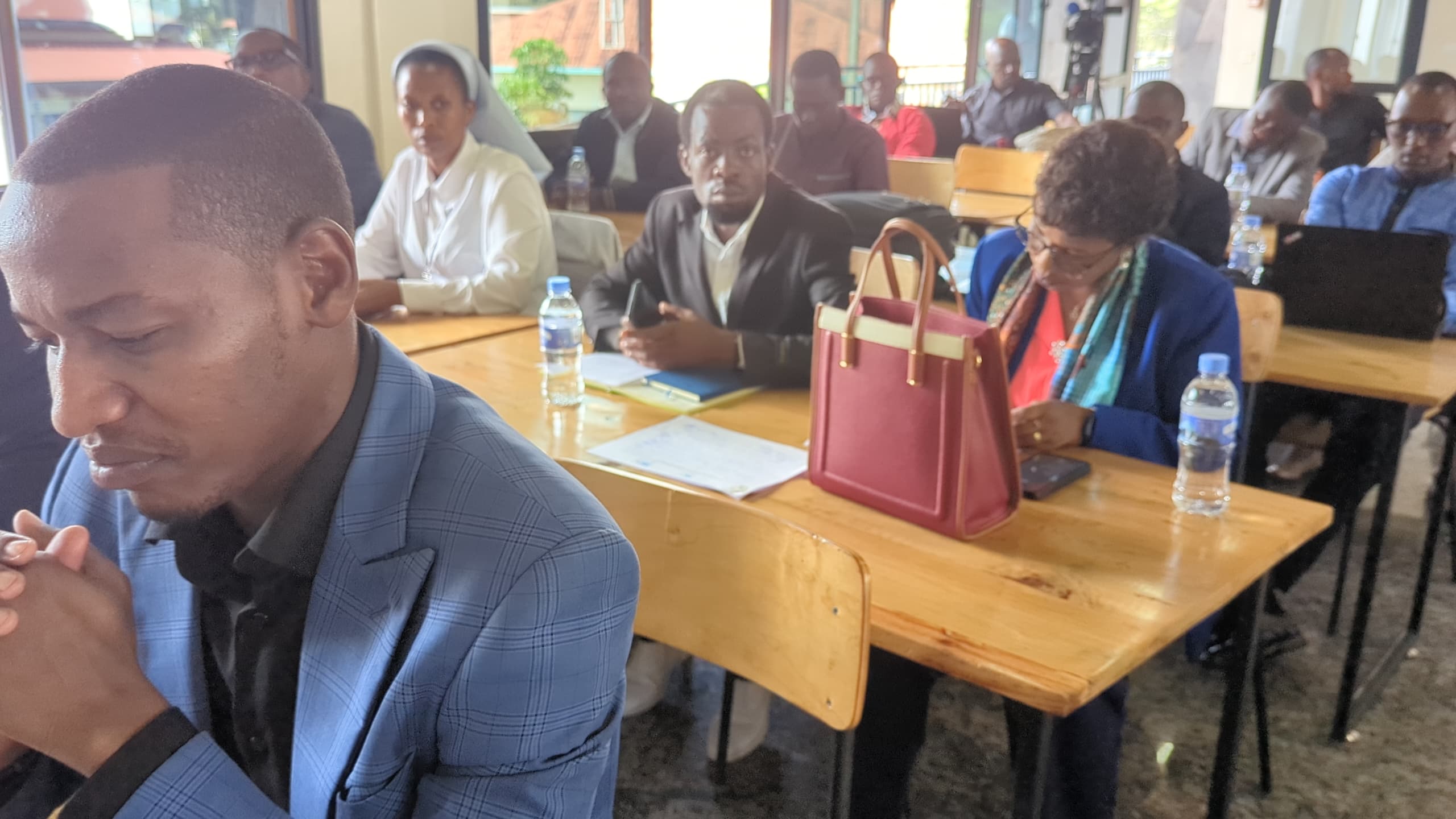
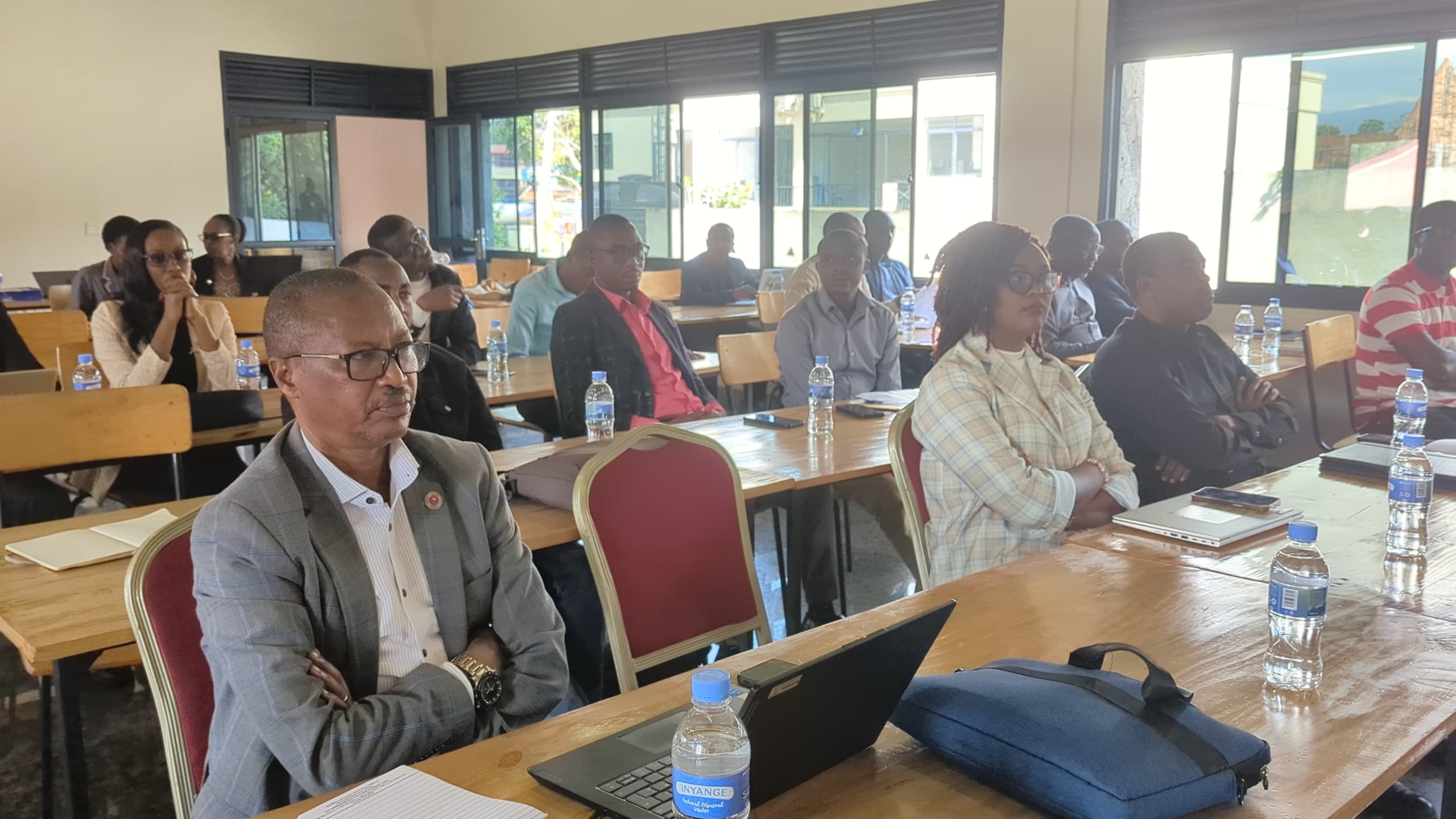
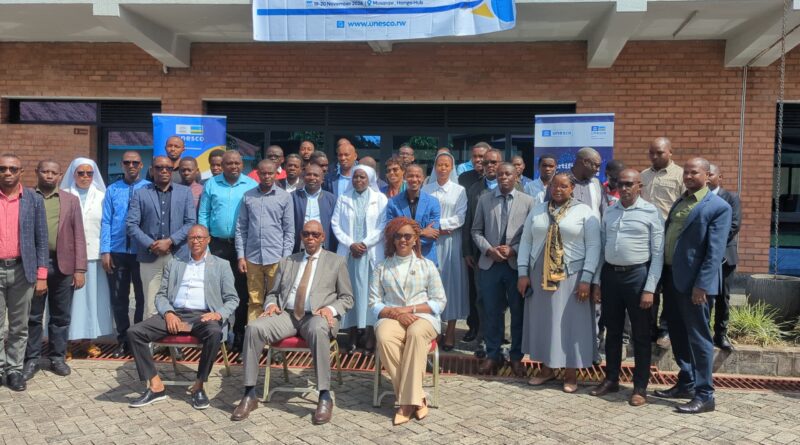
The discussions took place on Thursday, November 19, 2026, during the annual meeting of the UNESCO Associated Schools Network (ASPnet), held in Musanze District. The gathering brought together education stakeholders and school administrators to explore ways of leveraging emerging technologies, particularly AI, to advance quality education, inclusive learning and other UNESCO programmes implemented in schools.
The two-day meeting also serves as a training platform aimed at strengthening school leaders’ understanding of technological developments and their application in the education sector.
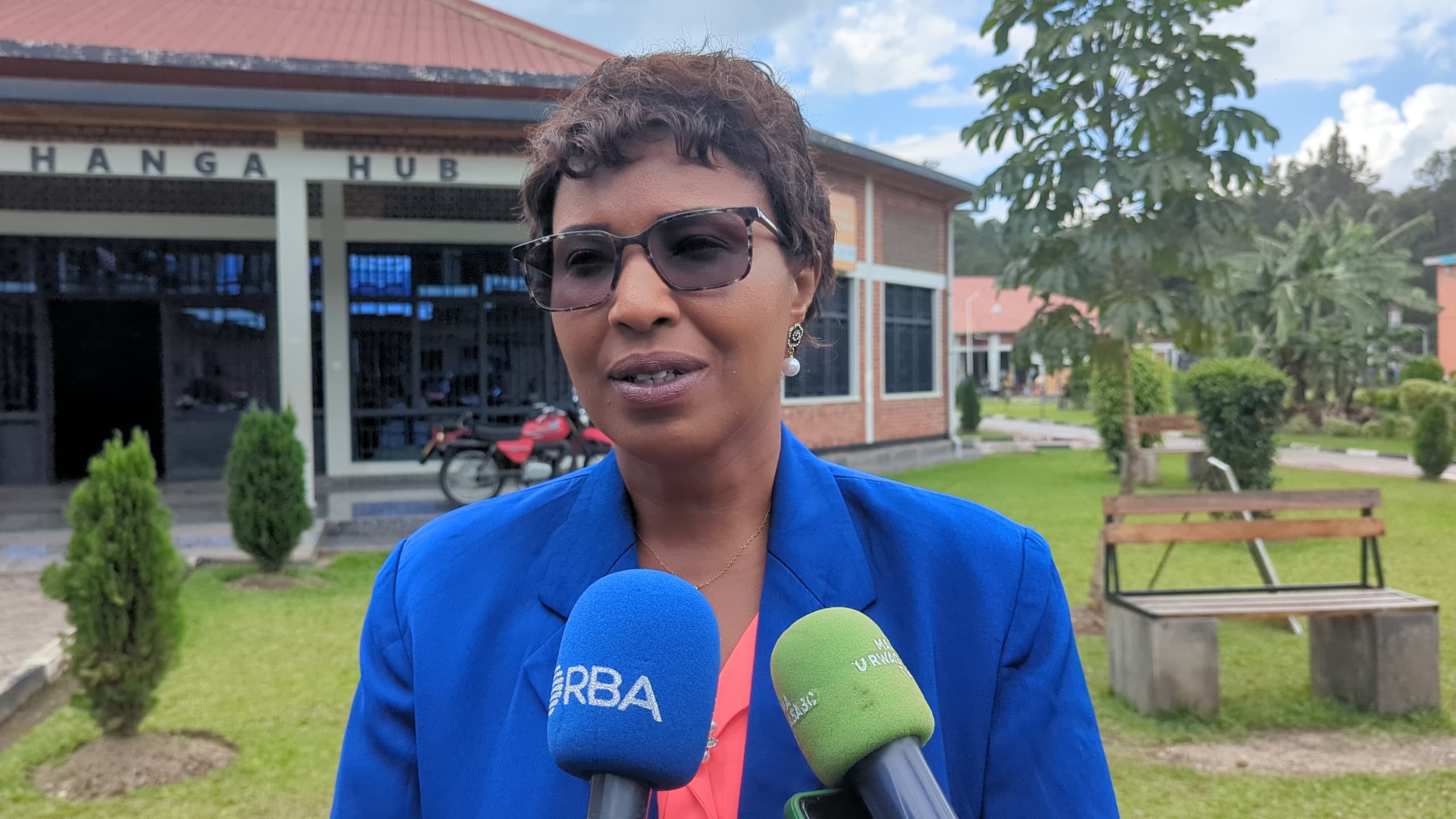
Jeanne d’Arc Mukabatesi, Head of Muhanga Teacher Training College, said AI was already demonstrating considerable potential in improving teaching practices, particularly by supporting teachers in lesson preparation and enhancing their professional capacity.
“Using Artificial Intelligence in schools is beneficial. More importantly, all teachers in Rwanda have now received certificates qualifying them to use this technology. When we regularly visit schools to assess how teachers prepare their lessons, we can clearly see that AI is making a significant contribution to their work,” she said.
Mukabatesi noted that teacher training institutions had made progress in strengthening digital infrastructure, including internet connectivity, computers and tablets, enabling teachers to incorporate AI into lesson planning and instructional delivery.
Nevertheless, she acknowledged that access to digital resources remains insufficient to meet all educational needs.
She also raised concerns about teachers who rely excessively on AI-generated content without critically evaluating its relevance and suitability for their students.
“Following the AI training, some teachers started asking the technology to prepare entire lessons for them. When we visit their schools, we sometimes find that they have simply copied everything it generated. As school administrators, we have a responsibility to monitor this practice. Teachers must learn to work alongside AI while critically reviewing and selecting appropriate content, rather than adopting everything it produces without considering whether it is suitable for their students,” she said.
She emphasised that AI should serve as a complementary teaching tool rather than replace teachers’ professional judgement, pedagogical skills and responsibility for delivering effective instruction.
Internet connectivity and digital access remain key challenges
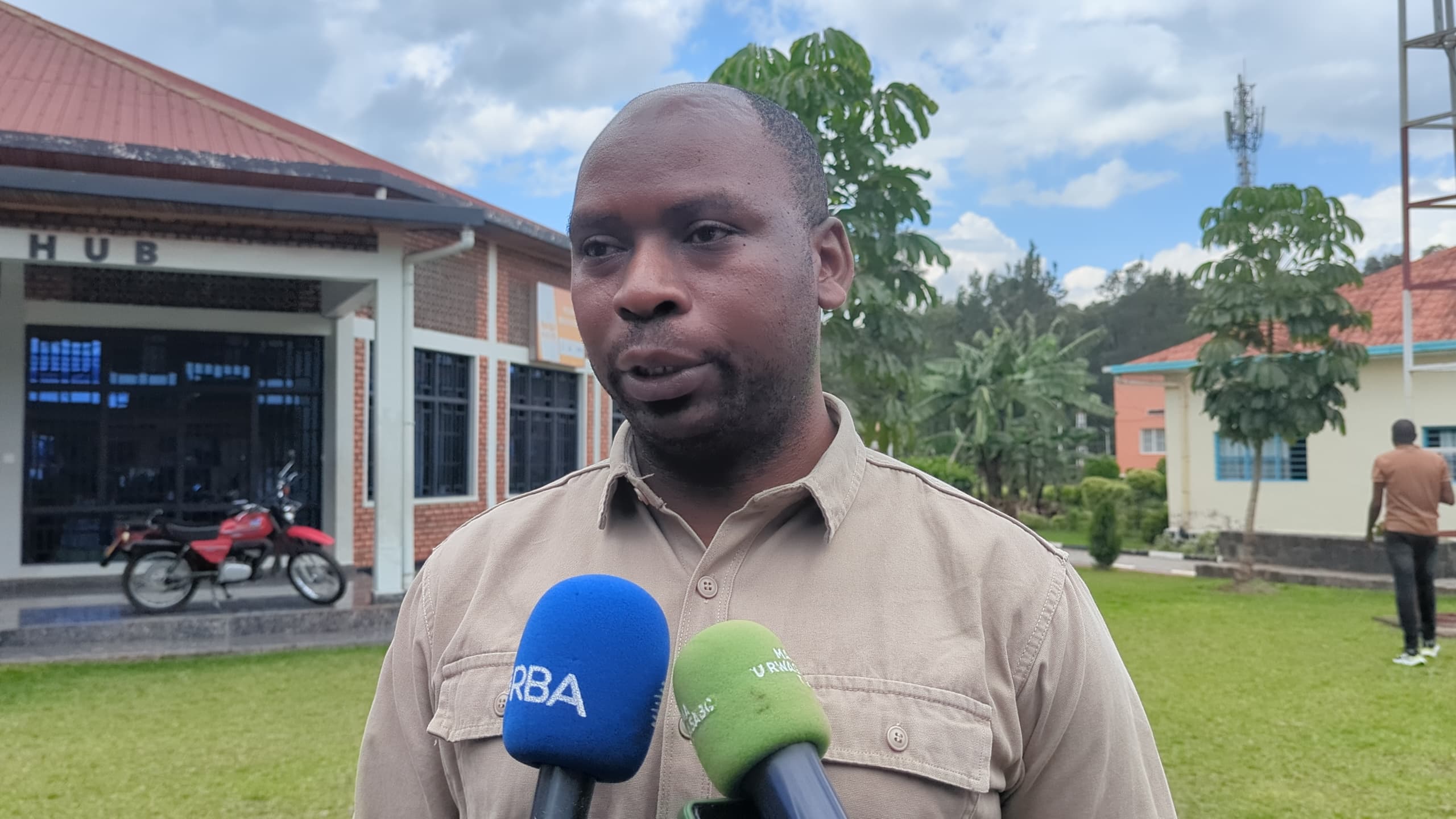
Frère Paulin Manirakiza, Deputy Head Teacher in charge of Academics at Lycée de Kigali, said that although AI offers significant opportunities for both teachers and learners, restrictions on students’ access to personal digital devices and inadequate internet capacity continue to constrain its effective use in schools.
“Modern technology offers numerous opportunities, and Artificial Intelligence is increasingly being used by both students and teachers. However, one of the challenges we still face is that students are not yet fully permitted to use their personal computers and mobile phones in the classroom. This makes it difficult for them to access and use these technologies freely,” he said.
He further identified limited internet bandwidth as a major challenge, particularly in schools where large numbers of students need to access online resources simultaneously.
“Another challenge is inadequate internet connectivity. In some cases, we have approximately 1,000 students trying to access the internet at the same time, which makes it difficult to provide reliable connectivity for everyone,” he explained.
Paulin stressed that students should be encouraged to use AI as a research and learning support tool, rather than becoming dependent on it to complete their academic work.
“We should encourage students to use Artificial Intelligence as a tool that supports them, not one that does everything on their behalf. The intention is not for them to ask it to answer every question and simply copy what it provides. AI is meant to simplify research, not eliminate the effort required from students or teachers, whether in developing their knowledge, retaining information or building independent understanding,” he said.
UNESCO promotes responsible technology integration in education
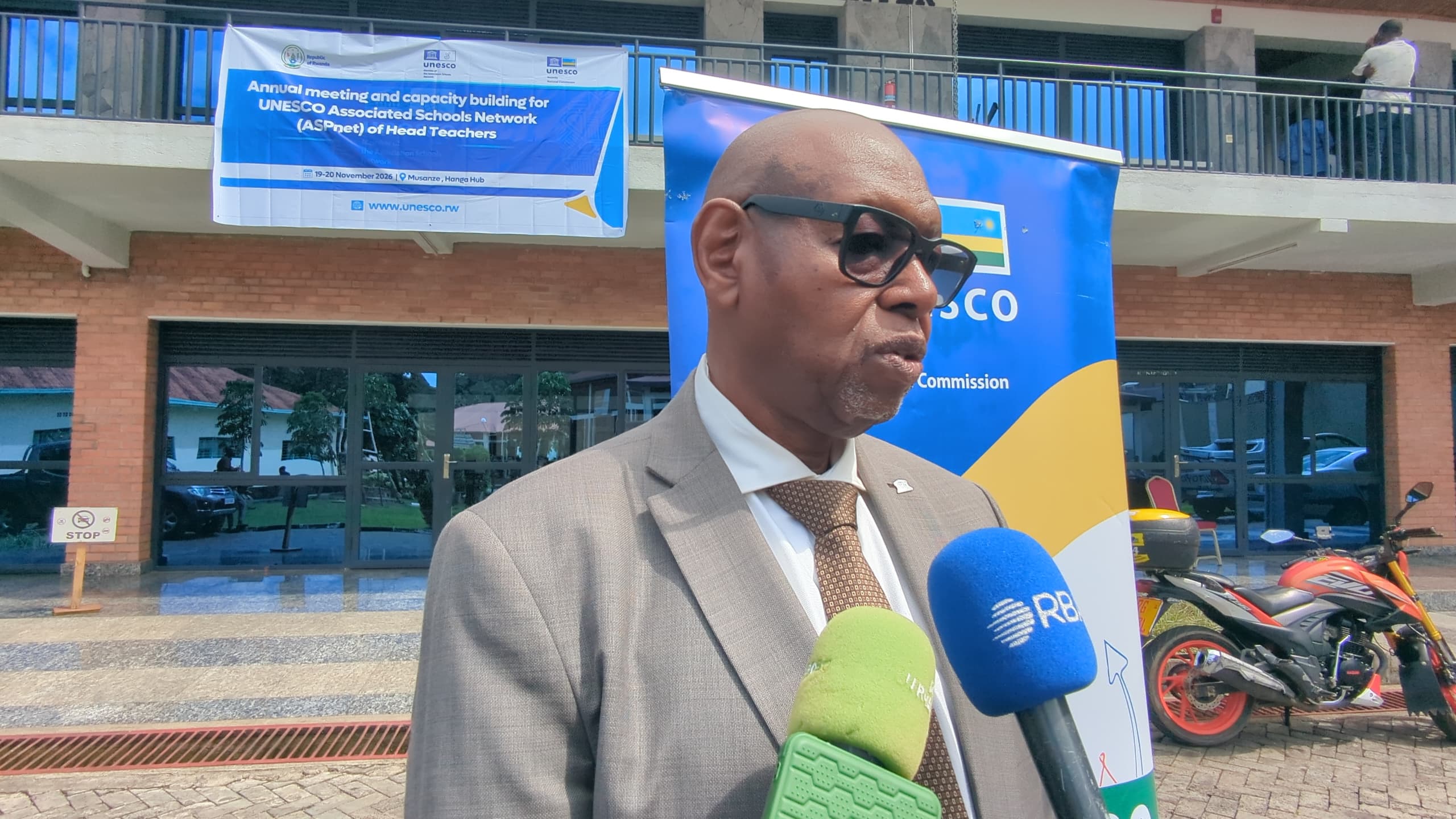
Albert Mutesa, Secretary-General of Rwanda’s National Commission for UNESCO, said technology integration forms part of the organisation’s broader collaboration with national institutions in areas including education, environmental conservation and cultural preservation.
He explained that cooperation with relevant government ministries helps align national programmes with emerging technological developments and international priorities.
“UNESCO’s work involves several areas, including environmental conservation, education and culture. Technology is also part of these interventions, through collaboration with the relevant ministries. This integrated approach helps us advance these priorities while keeping pace with developments at the international level,” Mutesa said.
He added that UNESCO’s commitment to quality education extends beyond academic achievement to include inclusive learning opportunities and programmes that promote environmental conservation and sustainable development.
According to Mutesa, the two-day annual meeting provides an opportunity for school leaders to revisit UNESCO programmes, assess their implementation and strengthen their capacity to respond to emerging developments, including the growing role of AI in education.
He said the UNESCO Associated Schools Network operates in approximately 130 countries, bringing together more than 12,000 schools worldwide. Rwanda’s network comprises approximately 60 schools and school-based clubs.
The meeting is therefore expected to strengthen collaboration among participating institutions, promote the exchange of experiences and encourage the responsible adoption of emerging technologies in teaching and learning.
As Artificial Intelligence continues to transform different sectors, its application in education presents opportunities to improve lesson preparation, facilitate research, expand access to information and support more effective learning experiences.
However, its successful integration requires adequate digital infrastructure, continuous professional development for teachers, responsible use and the ability of learners to critically evaluate AI-generated information.
For Rwanda’s UNESCO-associated schools, the priority is not merely to introduce AI into classrooms, but to ensure that it enhances teachers’ professional capabilities, strengthens students’ independent thinking and contributes to inclusive, equitable and high-quality education.