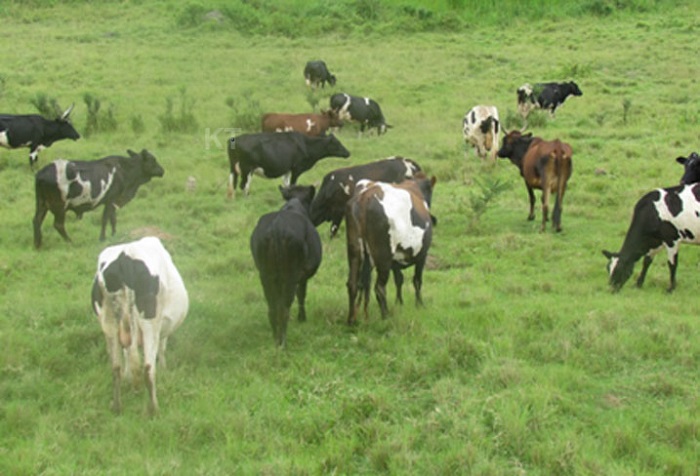
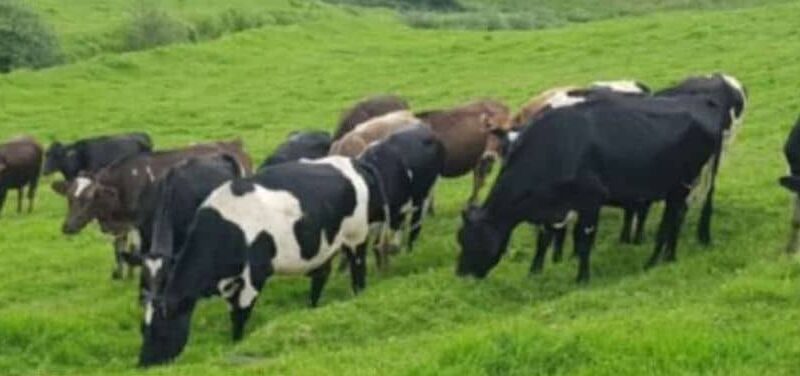
Livestock farmer, Here’s why you should feed your animals Cynodon dactylon) known as Couch grass
Livestock farming requires proper management, and animal nutrition is one of the most important factors determining productivity. Feeding livestock with quality forage, including Cynodon dactylon) also known as Couch grass (Umucaca grass), can contribute to improved milk and meat production, support healthy animal growth and reduce feeding costs.
Forage plays a vital role in the diets of ruminant animals such as cattle, goats and sheep. It provides dietary fibre, energy and other essential nutrients that support rumen function and overall animal health. For farmers practising modern livestock production, particularly zero-grazing systems, growing forage close to their homes is an effective way of ensuring a reliable supply of animal feed.
Research conducted in Rwanda on the nutritional quality of feed resources for dairy cattle in the Northern Province highlights the importance of forage production and proper feed management. Combining different feed resources according to their nutritional value can help improve livestock productivity.
1. Supports Better Milk and Meat Production
Proper nutrition is essential for livestock productivity. Animals that receive balanced diets are more likely to achieve better production performance than those experiencing nutritional deficiencies.
For dairy cattle, access to good-quality forage, supplemented with appropriate feed ingredients, can support milk production. Similarly, animals raised for meat require adequate nutrition to achieve healthy growth and good body development.
2. Reduces Livestock Feeding Costs
Growing forage on the farm can help farmers reduce expenditure on purchased animal feed.
Instead of constantly sourcing or buying forage from other farmers, livestock keepers can establish their own forage plots and harvest fresh feed whenever needed. This is particularly beneficial for farmers practising zero-grazing, where animals are kept in stalls and feed is brought to them.
Napier grass (elephant grass), for example, is widely used in cut-and-carry livestock production because of its high biomass production potential and ability to regenerate after harvesting.
3. Provides Essential Nutrients for Livestock
Forage contains different nutrients, including dietary fibre and energy, which are important for livestock health and digestion. However, its nutritional composition depends on the plant species, soil fertility, stage of maturity and harvesting practices.
Research published in the journal Tropical Animal Health and Production in 2025 examined the nutritional quality of livestock feed resources in Rwanda’s Northern Province.
Research findings indicate that forage harvested at an appropriate growth stage can offer better nutritional value and digestibility than overly mature forage. As grasses mature, their fibre content generally increases, while their digestibility and nutritional quality may decline.
4. Helps Farmers Prepare for Dry Seasons
Forage production and conservation are important strategies for ensuring a consistent supply of livestock feed throughout the year.
Farmers can preserve surplus forage through haymaking or silage production and use it during dry seasons or periods when fresh pasture is scarce.
Proper feed conservation helps reduce seasonal feed shortages and supports more stable livestock production.
5. Promotes Sustainable Livestock Farming
Establishing forage plots helps farmers secure a reliable source of animal feed while reducing pressure on natural grazing areas.
Some forage species can also contribute to soil conservation, particularly when planted along contours and field boundaries. This can help reduce soil erosion and support sustainable land management.
What Livestock Farmers Should Consider
Although forage is essential in livestock diets, it should not necessarily be the only source of feed. Farmers should consider combining different feed resources, including leguminous forages, crop residues and appropriate feed supplements, depending on the animal species, production stage and nutritional requirements.
It is also important to harvest forage at the right stage of maturity. Over-mature grasses generally contain more structural fibre, making them less digestible and potentially reducing nutrient intake.
Farmers should also ensure that livestock have continuous access to clean drinking water and seek advice from veterinary and livestock extension officers when developing appropriate feeding programmes.
Ultimately, investing in quality forage production and proper feed management can help livestock farmers improve productivity, reduce feeding expenses and build more sustainable livestock enterprises.