APPE and ESAFF Assess progress in promoting sustainable agriculture and climate resilience in Musanze
Appui aux Paysans Vulnérables pour la Protection de l’Environnement (APPEin collaboration with the Eastern and Southern Africa Small-Scale Farmers’ Forum (ESAFF), has conducted a field visit to assess sustainable agriculture and environmental conservation initiatives in Musanze District, focusing on their contribution to strengthening farmers’ resilience to climate change and improving rural livelihoods.
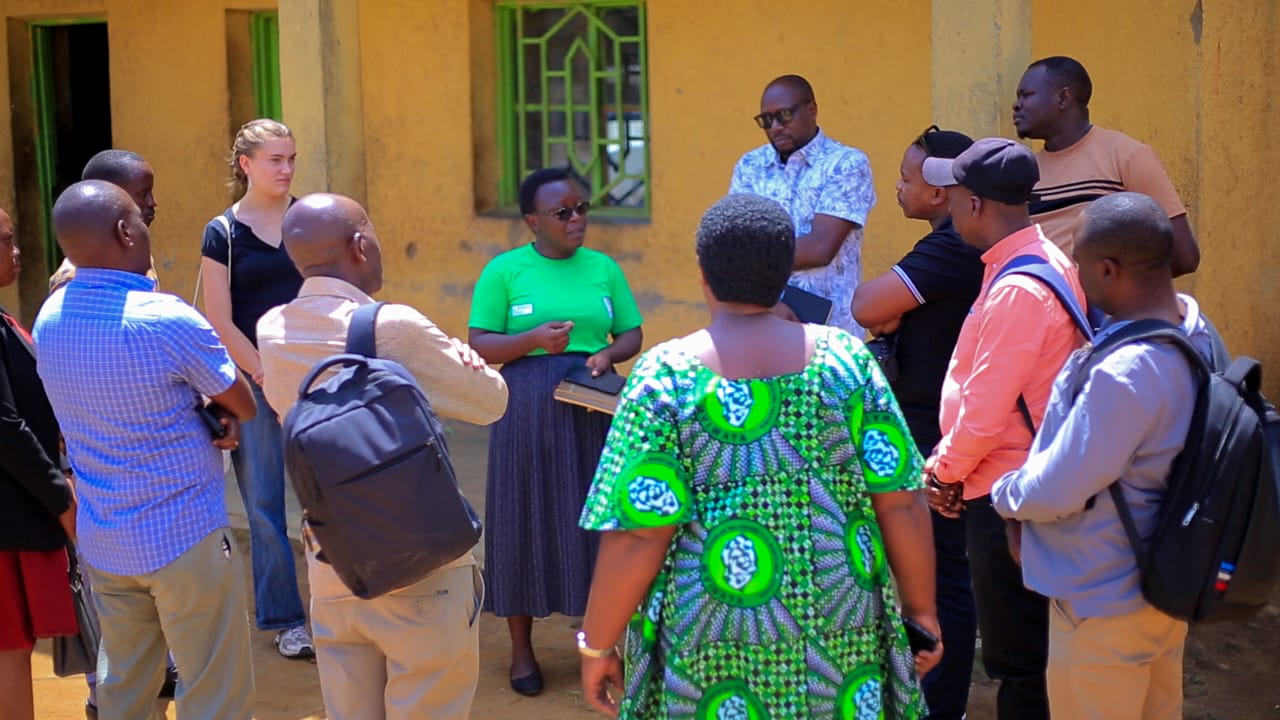
From 2 to 5 November 2026, an ESAFF delegation visited Rwanda to review APPE’s project implementation, exchange experiences and assess progress, achievements, challenges and opportunities for scaling up successful interventions.
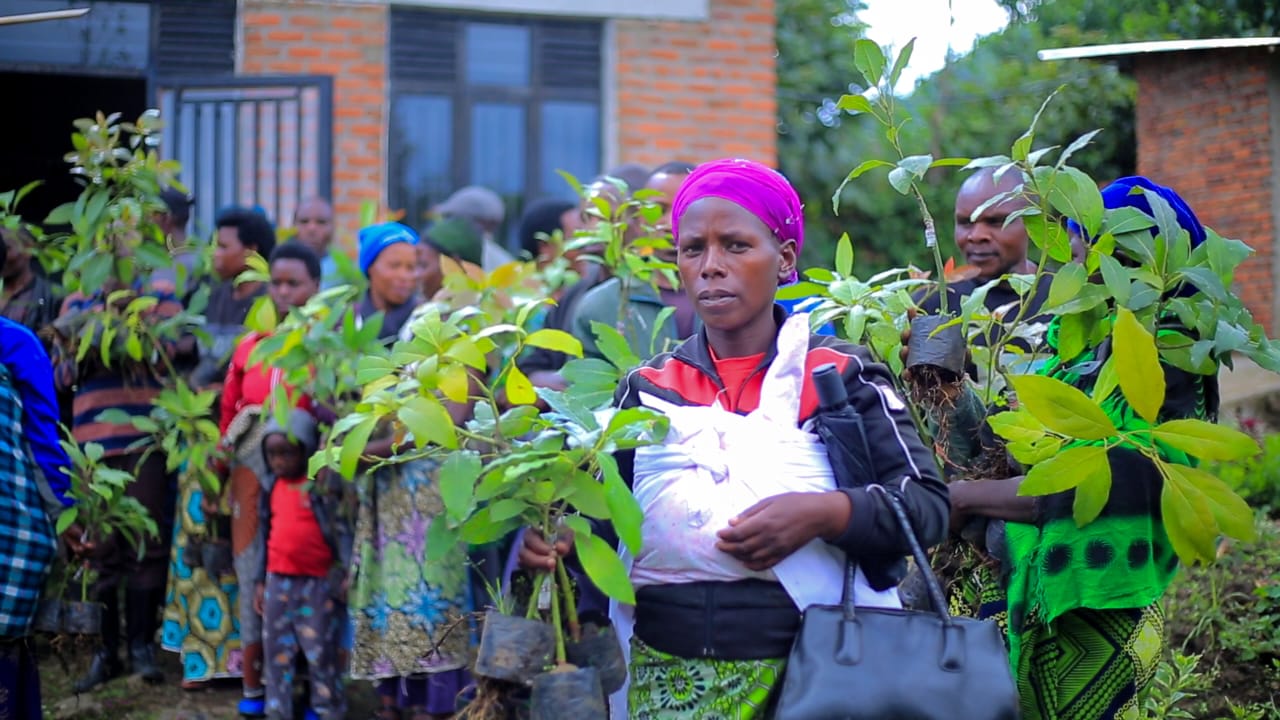
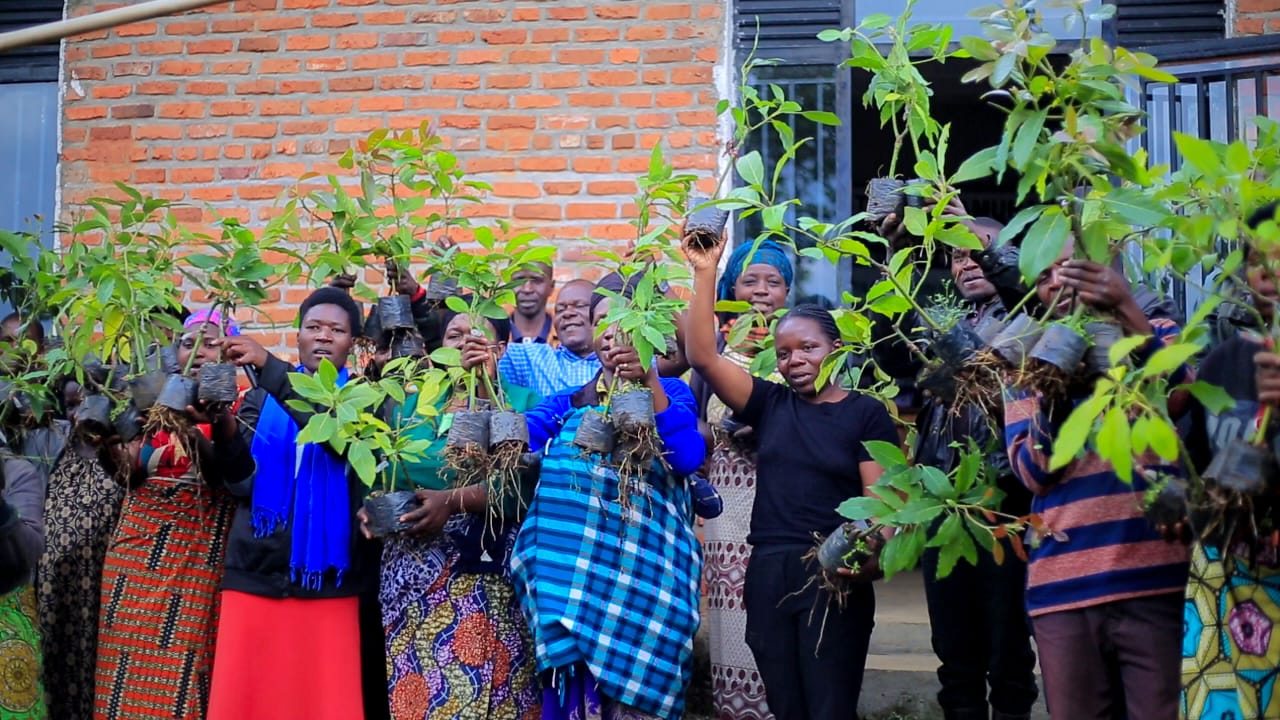
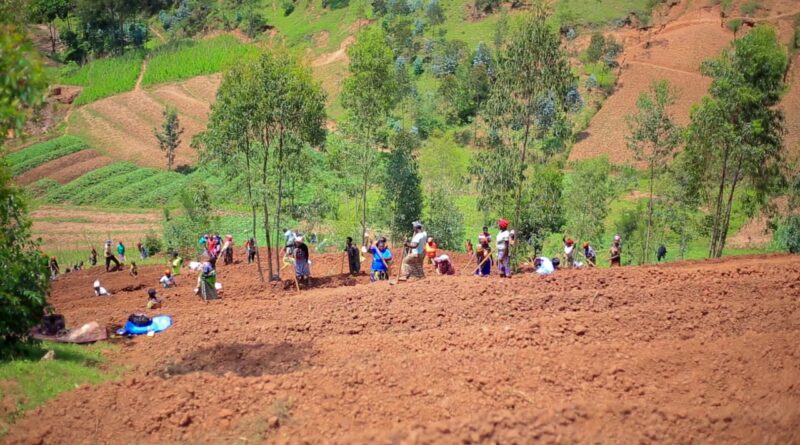
During the visit, the delegation toured several project implementation sites in Musanze District, including areas where agroforestry trees have been planted and soil conservation activities are underway.
ESAFF representatives also held discussions with three district officials and farmers to understand their experiences in implementing Public Expenditure Tracking Surveys (PETS), an advocacy mechanism designed to monitor how public funds are allocated and utilised, particularly in projects related to climate change adaptation and agricultural development.
The initiative seeks to strengthen transparency and accountability in public expenditure while ensuring that resources allocated to climate-related interventions effectively benefit smallholder farmers.
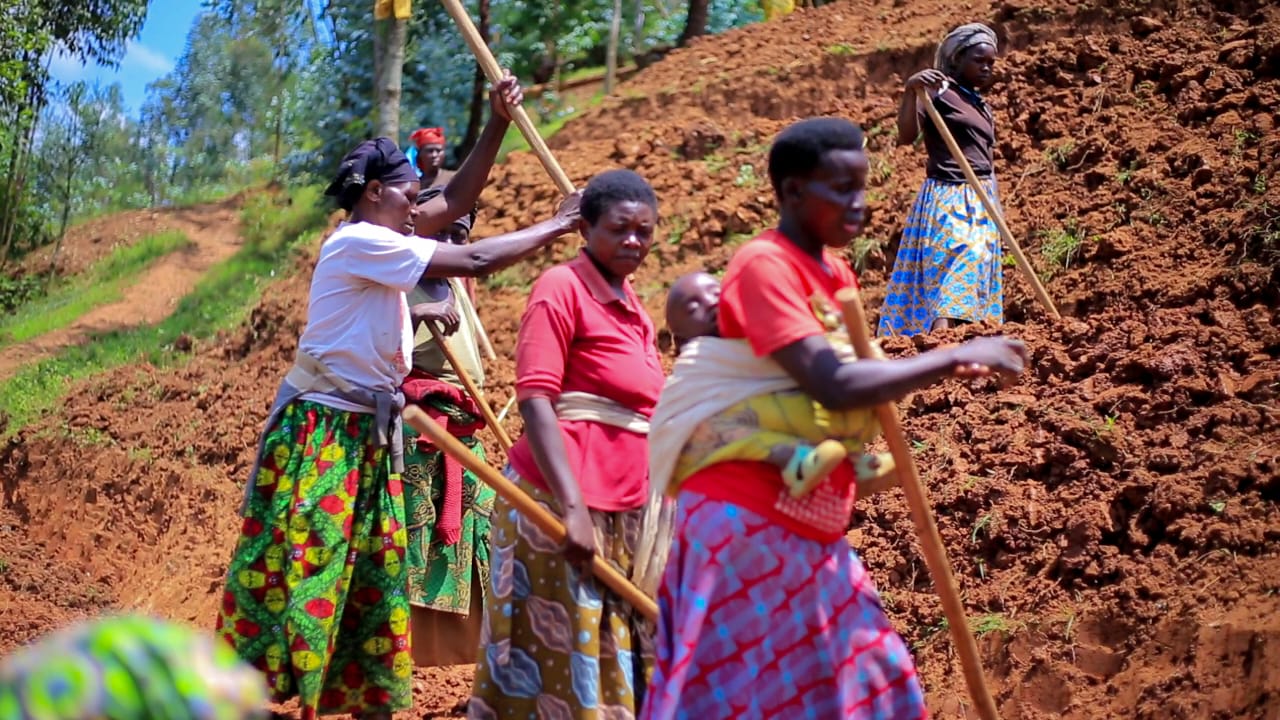
One of the beneficiaries,Petronile Nyiranugwra, who is employed in the construction of terraces, said the initiative provides farmers with employment opportunities, additional income and the means to improve agricultural production and expand livestock farming.
“We are constructing terraces to improve our livelihoods through agriculture, increase crop production and generate income that can also support goat and sheep farming. Today, we are beginning the fifth phase. These terraces are genuinely helping us because they provide us with a source of livelihood. We are paid for our work, and the money we earn helps us meet our basic needs, fight hunger and gradually overcome poverty,” she said.
Another beneficiary, Jean d’Amascene Ndimubanzi, explained that the income generated through terrace construction helps him provide for his household and build savings towards his livestock farming ambitions.
“These terraces are a source of livelihood for my family. The income I earn helps me buy food without much difficulty, while I save the remaining money through a savings group. I hope these savings will eventually enable me to start raising small livestock, including chickens, goats and other animals that generate returns within a relatively short period.
“We also expect these terraces to increase agricultural productivity because they help conserve soil and retain the nutrients and fertilisers applied to farmland, creating better conditions for crop growth,” he said.
Jean Ngendahayo, Musanze District’s Officer in Charge of Agriculture and Livestock, said the visit provided an opportunity for development partners, including international representatives, to learn about the district’s efforts in environmental protection, sustainable land management and community participation.
“Today, we welcomed different development partners, including representatives from Europe. Their objective is to learn from the initiatives we are implementing in environmental conservation and sustainable land management, as well as the role local communities play in ensuring that our natural resources are protected,” he said.
He explained that Musanze District promotes different soil conservation approaches, including progressive terraces, radical terraces and anti-erosion measures in forests, all aimed at reducing soil erosion, protecting agricultural land and improving productivity.
He added that these initiatives also provide local residents with employment opportunities and additional income, enabling them to meet household needs, provide balanced diets for their children, pay for community-based health insurance (Mutuelle de Santé) and contribute to the Ejo Heza long-term savings scheme.
“These activities help residents earn money to support themselves, provide their children with nutritious food, pay for health insurance and save through Ejo Heza. They can also afford essential household necessities, including soap and other basic items,” he explained.
Ngendahayo further highlighted the importance of terraces and anti-erosion structures in disaster risk reduction, explaining that they help retain rainwater, reduce its flow velocity and minimise destructive runoff.
This helps prevent the loss of fertile topsoil, protects agricultural fields and reduces the potential damage caused by heavy rainfall.
The visit concluded in Musanze District, with both organisations reaffirming their commitment to strengthening collaboration in advancing climate-resilient agriculture, public financial accountability, environmental conservation and sustainable livelihoods for smallholder farmers.
APPE is a Rwandan member organisation of ESAFF, a regional network operating in 16 countries across Eastern and Southern Africa. ESAFF supports small-scale farmers through capacity development, knowledge exchange and policy advocacy.
In Rwanda, APPE works with smallholder farmer cooperatives to promote agroecology and sustainable farming systems. Its interventions focus on restoring soil fertility, reducing dependence on synthetic fertilisers and strengthening farmers’ capacity to withstand climate-related challenges, including droughts, heavy rainfall and soil erosion.
The organisation is currently implementing two projects. The first focuses on campaigning for pro-smallholder farmer climate change adaptation policies and accountable climate financing.
The second, titled Strengthening Grassroots-Led Agroecology for Climate Resilience in Rwanda Volcanic Zone, aims to support 400 smallholder farmers in Rwanda’s volcanic region.
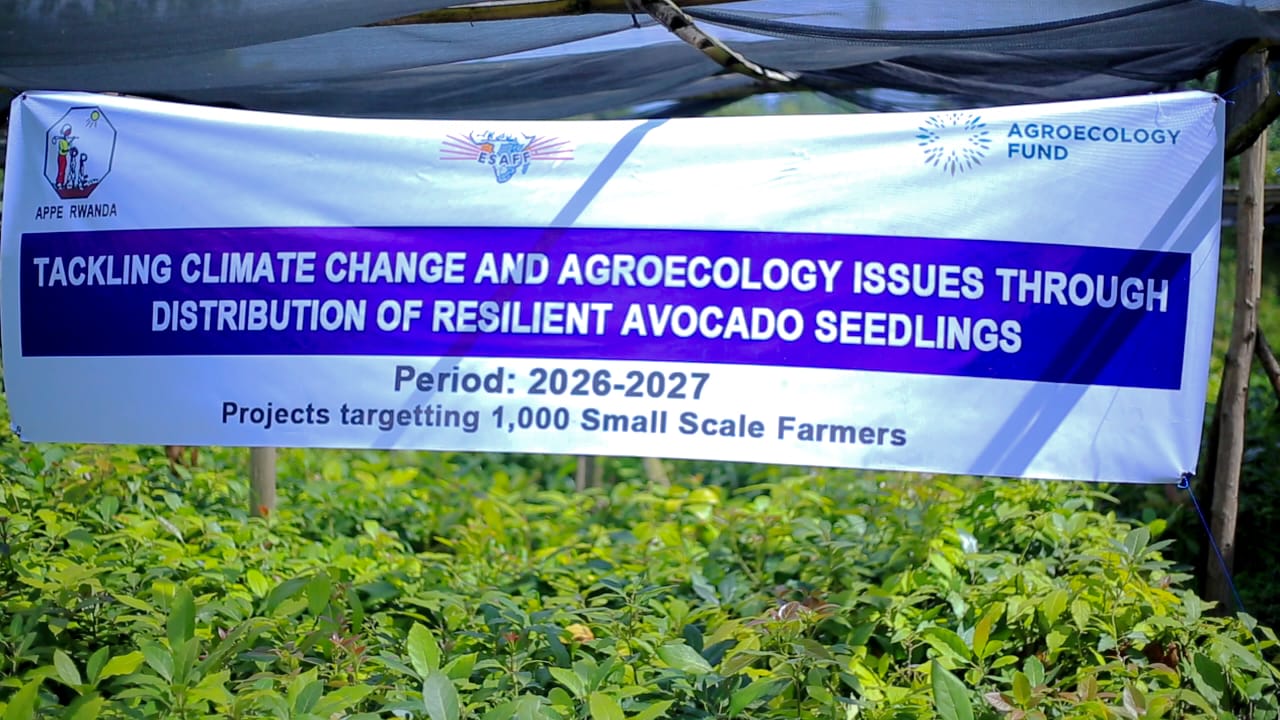
Through this project, APPE is conducting farmer training and distributing agroforestry trees, with activities reaching approximately 1,000 farmers across Musanze, Burera, Gakenke, Nyabihu and Rubavu districts.
Following the initial training sessions, farmers continue to strengthen their practical knowledge through farmer-to-farmer learning approaches conducted at demonstration plots within their respective communities.
APPE and ESAFF maintain that strengthening agroecological practices, improving land management and empowering smallholder farmers are essential to building climate-resilient agricultural systems, increasing productivity and safeguarding the environment for future generations.