
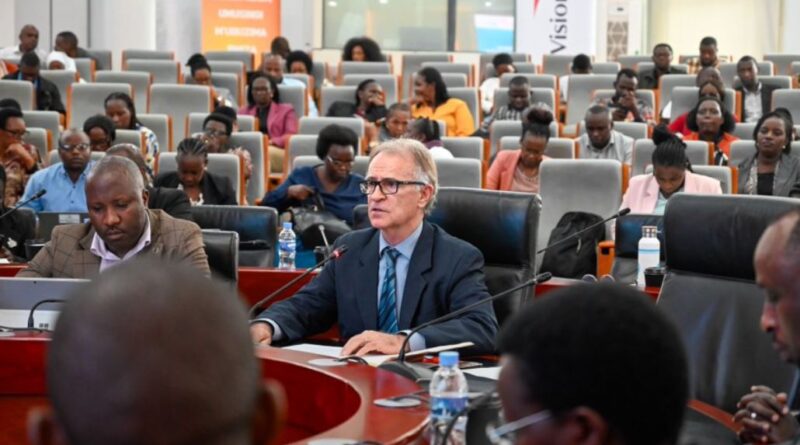
Kigali city calls for multi-sectoral collaboration to combat child malnutrition
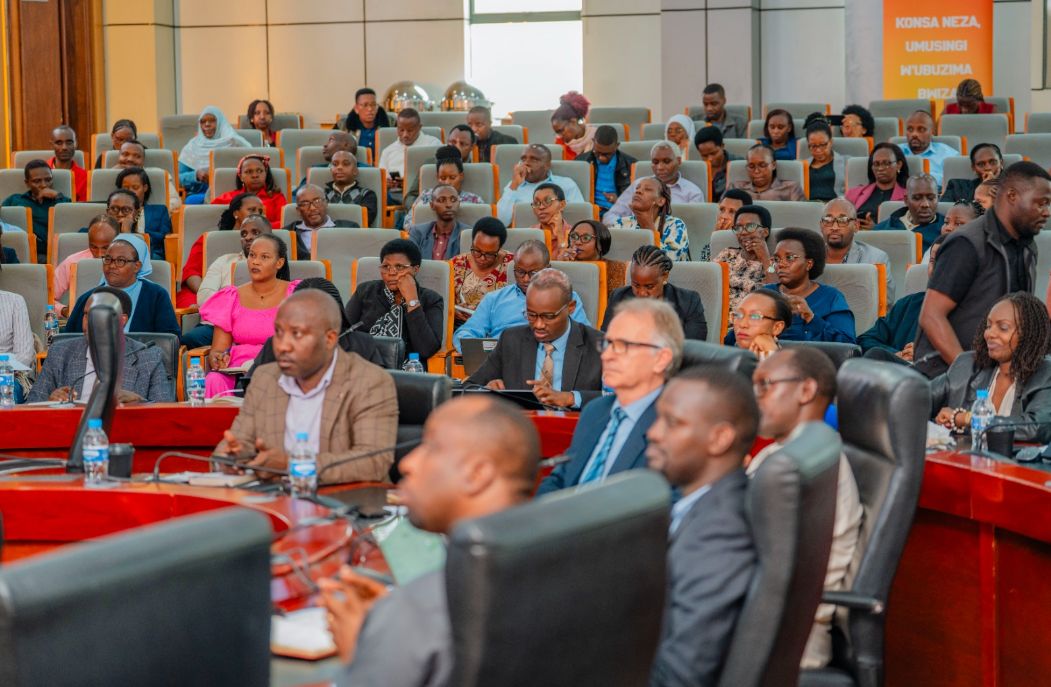
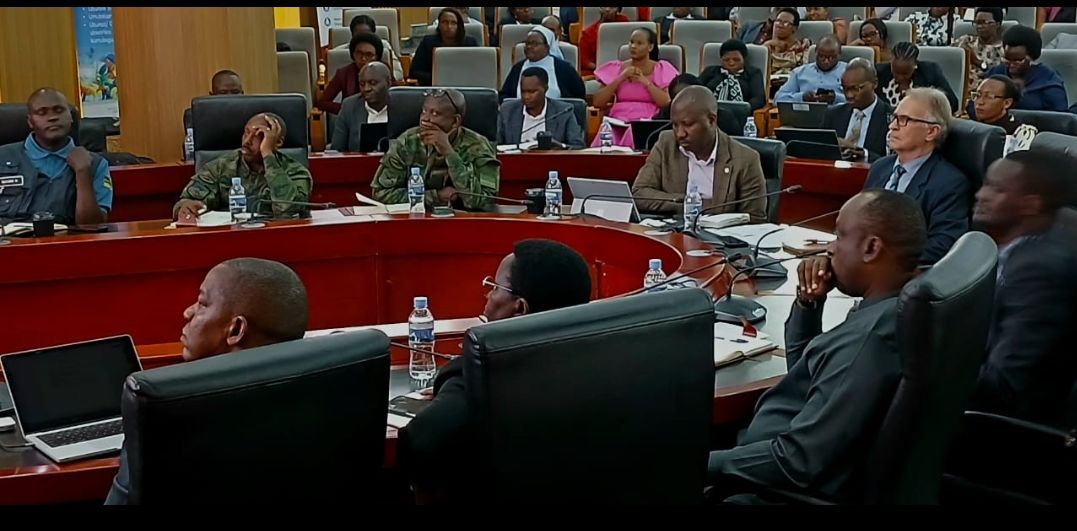
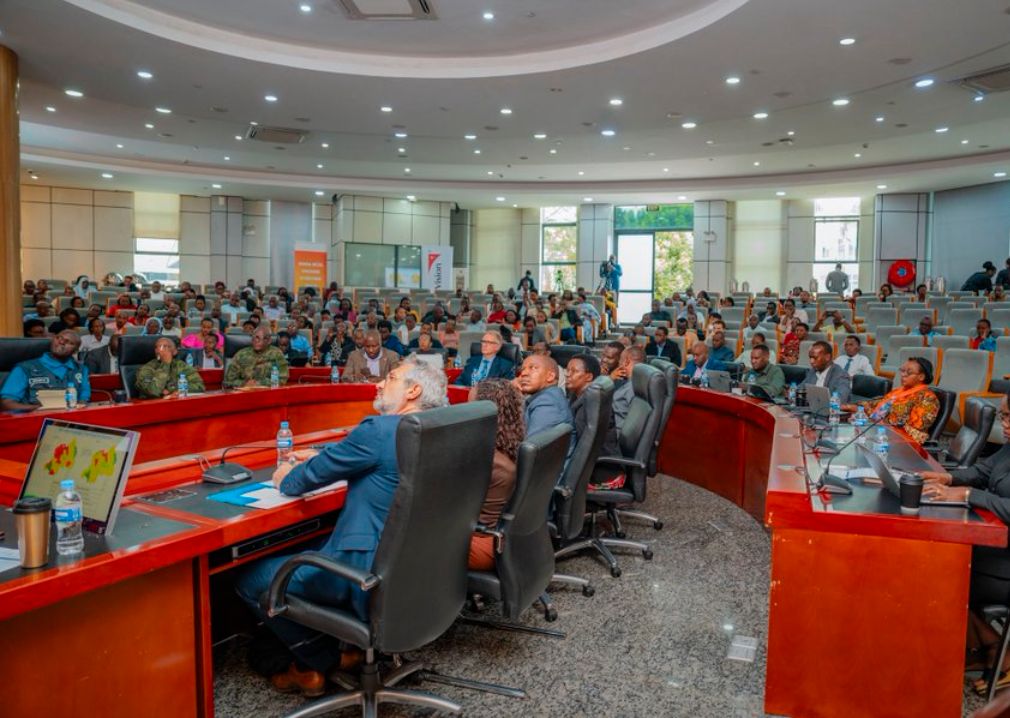
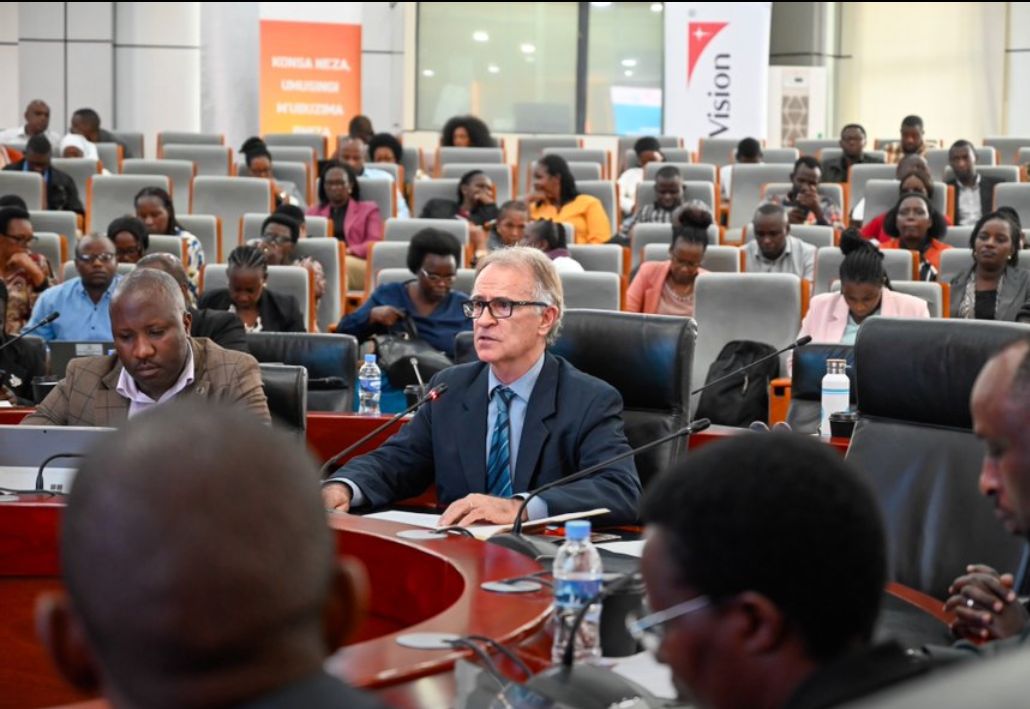
On November 13, 2026, the City of Kigali brought together various stakeholders in a meeting aimed at strengthening strategies to combat child malnutrition. The meeting focused on improving nutrition programmes, increasing parental participation in the school feeding programme, and strengthening collaboration among government institutions, development partners and local communities.
Child malnutrition remains one of the major challenges affecting children’s health and development. Addressing this challenge requires coordinated efforts from different stakeholders, starting at the family level and extending to government institutions and other organisations responsible for public welfare.
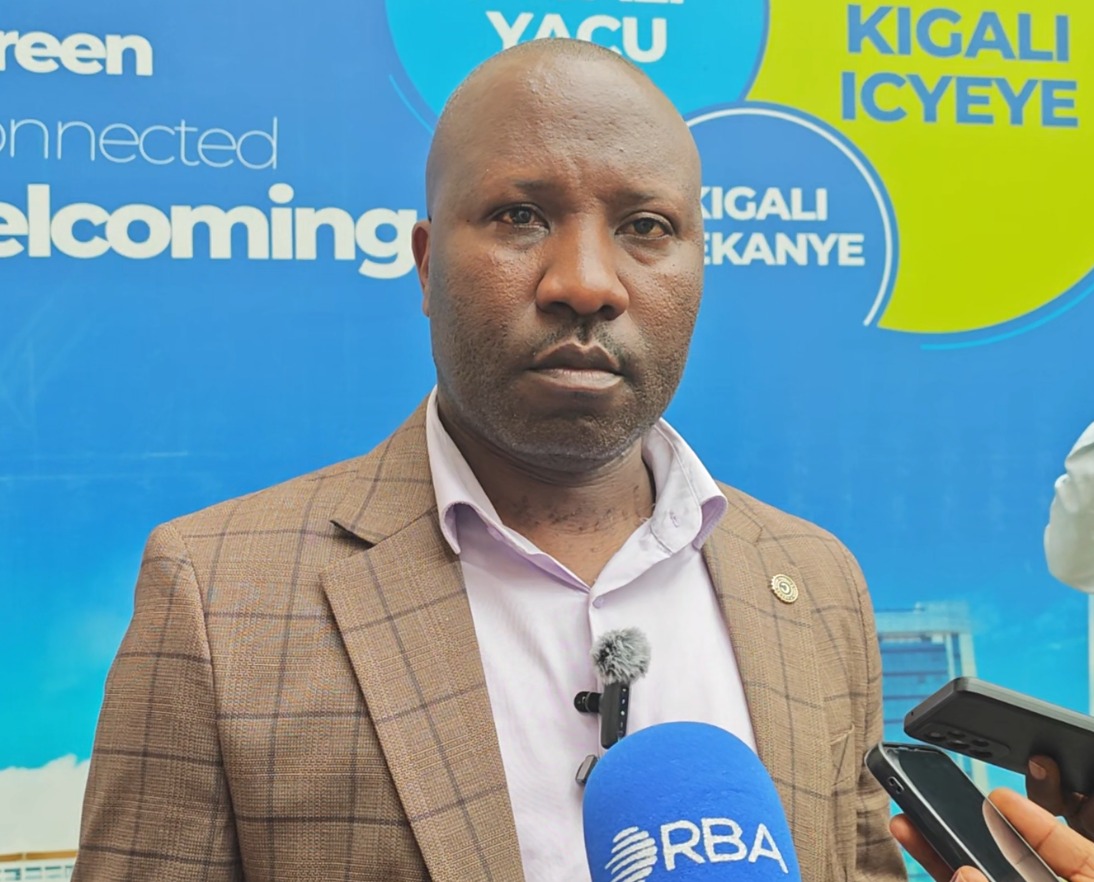
Evaliste Murwanashyaka, the National Coordinator of CLADHO and an official responsible for monitoring the protection of children’s rights, said this was the fifth meeting of its kind to be held across the country. It was organised in collaboration with the National Child Development Agency (NCDA), the United Nations World Food Program (WFP), World Vision, CLADHO and other development partners.
He explained that the meetings were organised following research conducted by the National Institute of Statistics of Rwanda (NISR), which revealed that the national stunting rate among children stands at 27%, while Rwanda has set a target to reduce this rate over the next five years.
He noted that after conducting similar meetings across all provinces, the stakeholders had now reached the City of Kigali, where cases of child stunting, malnutrition and overweight among children have also been identified. These conditions can negatively affect children’s health and development.
He emphasised that the meeting brought together different stakeholders to discuss joint strategies for reducing malnutrition and promoting healthy child development in the City of Kigali.
Among the key issues discussed was the need to strengthen the integration of nutrition programmes with other development initiatives, incorporate proper nutrition into early childhood development programmes and social protection initiatives targeting vulnerable families, improve planning and budget allocation, and build the capacity of professionals providing nutrition-related services.
Participants also highlighted the importance of improving food processing and distribution systems in urban markets, promoting balanced diets, increasing public awareness and ensuring that people have easier access to nutritious and healthy food.
They further emphasised the need for stronger collaboration between public institutions and the private sector to ensure that implemented strategies produce tangible improvements in children’s health.
Odette UWAMAHORO, representing World Vision, said statistics indicate that 27% of children under the age of five in Rwanda suffer from stunting caused by malnutrition.
She said: “Addressing this challenge requires collaboration among different stakeholders to promote proper nutrition, healthcare, access to clean water, hygiene and education.
“We must also support vulnerable families, equip children with knowledge about nutrition and hygiene, and involve them as participants in decisions that affect their lives, so that every child can grow up healthy and develop properly.”
The school feeding programme and Early Childhood Development (ECD) centres were also among the key topics discussed, with particular emphasis on the responsibilities of the government and parents in supporting these initiatives.
To promote healthy development among young children, the City of Kigali continues to strengthen its Early Childhood Development programmes. However, it was highlighted that most centres providing early childhood care and development services are privately owned.
Figures presented during the meeting indicate that privately operated Early Childhood Development centres account for 75% in Kicukiro District and 72% in Nyarugenge District. This highlights existing gaps in access to ECD services, particularly among families with limited financial resources.
Four major challenges were identified: inadequate infrastructure in early childhood care centres, limited financial capacity among parents, insufficient time spent by parents with their children, and the need to strengthen the capacity of professionals responsible for early childhood development.
Addressing these challenges would help ensure that all children have equal opportunities to access quality early childhood education, receive proper care and build a strong foundation for their future development.
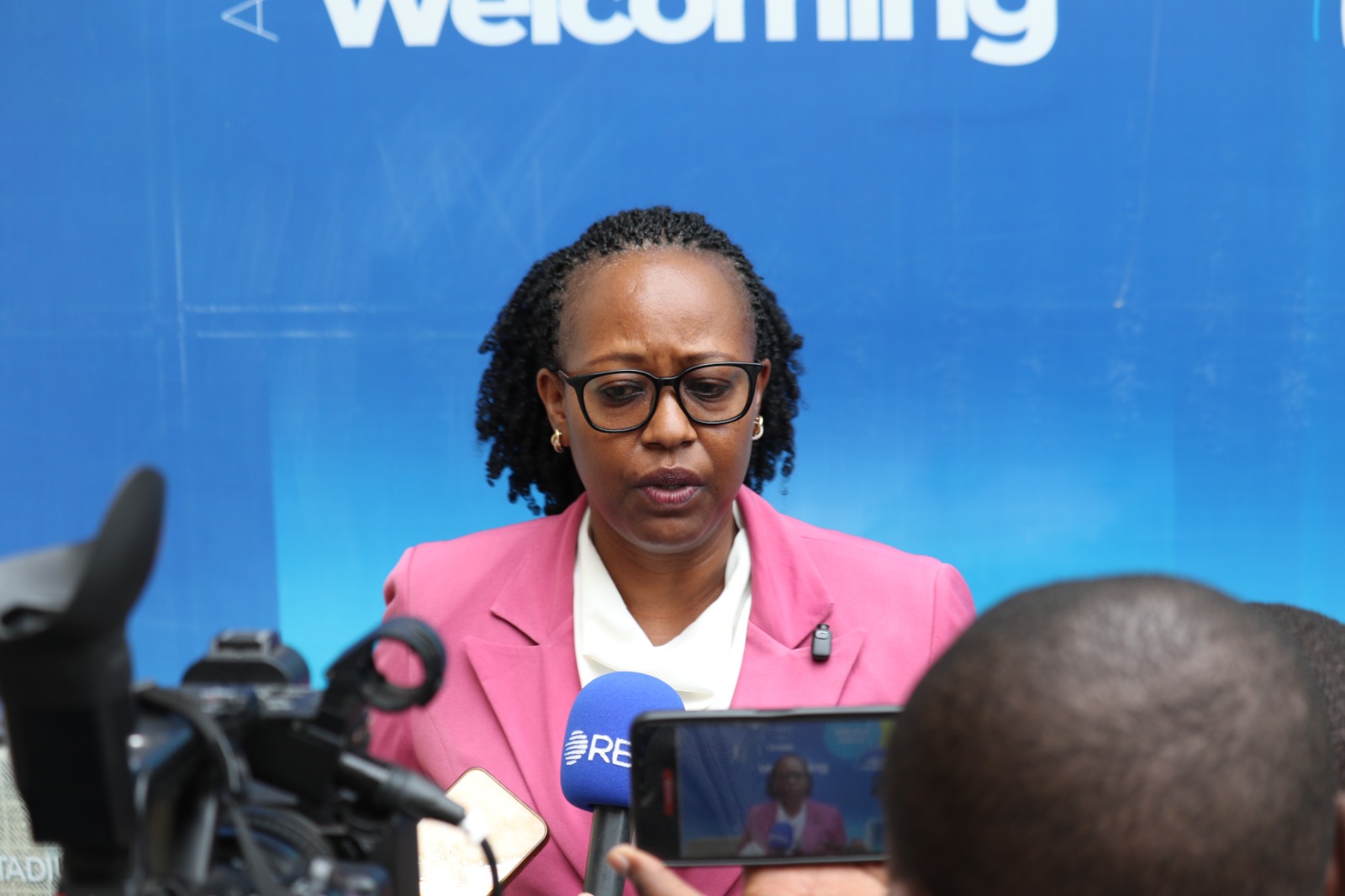
The Director General of NCDA, Assoumpta INGABIRE , said findings from the Demographic and Health Survey (DHS) indicate that some of the factors contributing to child malnutrition are linked to parents’ limited knowledge of proper nutrition.
She explained that some parents do not exclusively breastfeed their children during the first 1,000 days of life, while others feed them foods that lack the necessary nutritional value and essential nutrients.
Regarding the school feeding programme, parents are being encouraged to support the government by contributing additional necessities, including salt, cooking fuel, fruits, vegetables, animal products and kitchen equipment.
Although the programme requires active parental participation, figures presented during the meeting indicate that parental contributions have not yet reached the expected target.
The City of Kigali was expected to collect approximately RWF 1.72 billion in parental contributions but had so far received only RWF 1.1 billion, leaving a funding gap of approximately RWF 626 million.
Among the three districts that make up the City of Kigali, Gasabo has the largest funding gap, amounting to RWF 281 million. It is followed by Kicukiro, with RWF 179.4 million, and Nyarugenge, with RWF 165.6 million.
The figures also show that 71.6% of parents with children enrolled in schools had already made their contributions. This represents approximately 213,400 parents out of a total of 297,872 students.
The funding gap could affect both the quality and variety of food provided to students through the school feeding programme. When sufficient funds are not collected, schools may struggle to provide adequate quantities of vegetables, fruits and protein-rich foods in students’ meals.
Statistics presented during the meeting further indicate that 14% of children under the age of five in the City of Kigali suffer from stunting caused by malnutrition, representing approximately 42,211 children.
These figures demonstrate that efforts to combat malnutrition should not be limited to schools. There is also a need to improve household nutrition, strengthen early childhood care and development, and increase support for vulnerable families at the community level.
To address these challenges, participants highlighted the importance of the Imihigo performance contract system in monitoring responsibilities and evaluating the results of activities carried out at different administrative levels.
The system monitors the implementation of responsibilities from the national level to the City of Kigali, districts, sectors, cells and villages, as well as schools.
Figures presented during the meeting indicate that the number of districts that had not achieved the 70% target for parental contributions had decreased from nine to five and later to four across three different monitoring periods.
As the City of Kigali continues to seek sustainable solutions to child malnutrition, participants emphasised that government strategies alone are not sufficient. They stressed that consistent parental involvement, cooperation among different institutions, adequate budget allocation and effective monitoring of responsibilities are essential to ensuring that children receive balanced diets, enjoy better health and achieve healthy growth and development.
Written by Zawadi Deborah Irakoze