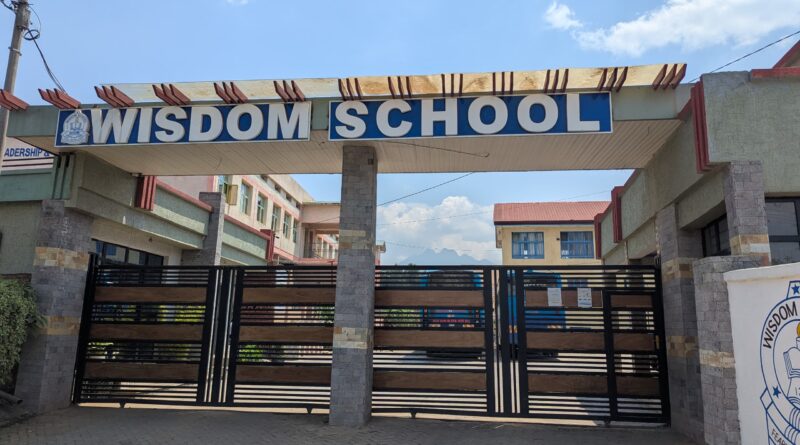
Pathways and Dual Enrollment: Wisdom School Rwanda to equip students for International higher-education opportunities
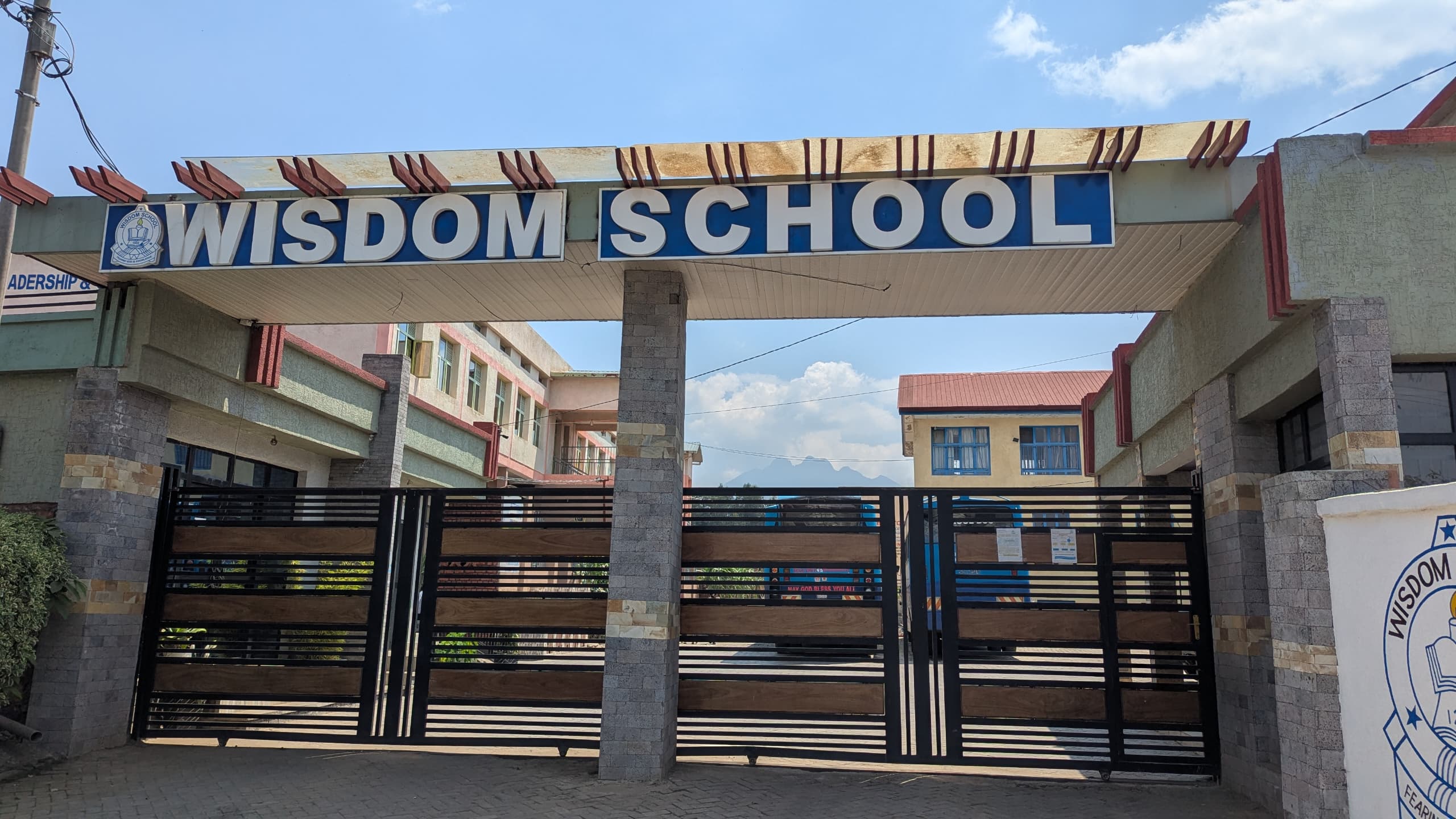
Wisdom School Rwanda has announced new programmes aimed at preparing its students to pursue higher education at universities both in Rwanda and abroad.
These initiatives include the Pathways Programme, Dual Enrollment, and an international programme designed to strengthen students’ English-language proficiency and their ability to use English in an international academic environment.
The programmes are intended to equip students with the knowledge, competencies, and academic preparedness required to pursue higher education in universities across different countries, thereby enabling them to become Global Citizens capable of competing in an increasingly internationalised labour market.
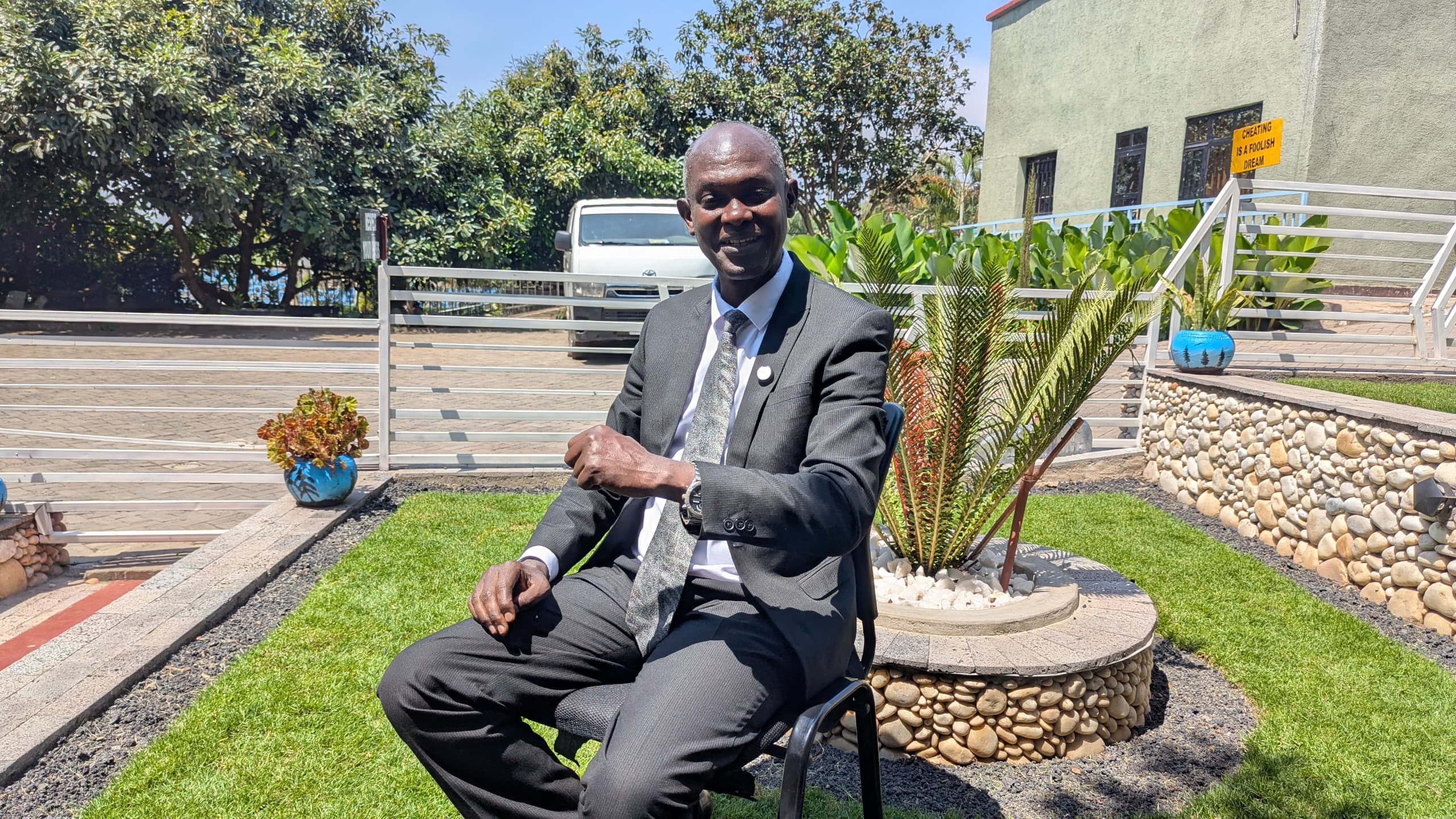
The Head of Wisdom School Rwanda,Teacher Nduwayesu Ellie, says that although the school has been operating for 18 years, its mission of providing students with comprehensive education and character formation continues to evolve in response to global changes.
“Wisdom School is no longer the same as it was when it started in terms of how knowledge is delivered. Education and character formation remain unchanged, and our Rwandan culture remains the same, but we have to reinforce them while also introducing what was previously absent.”
Watch a Video here
He further explains that technological advancement and increasing global interconnectedness can have implications for cultural identity, meaning that schools have a responsibility to protect and preserve cultural heritage.
“As the world increasingly exposes us to influences that can erode our culture through technology and greater interaction among people, our culture can appear to become diluted. However, when we make deliberate efforts, we ensure that our culture retains its authenticity.”
Nduwayesu says one of Wisdom School’s fundamental objectives is to instil discipline and other core values in students from an early age.
“We are proud that these are among the values we instil in a child from the very first day they join this school. They are taught that discipline is a pathway to success.”
He cites the example of students who graduated from Wisdom School in 2012. Of the 60 students who graduated that year, the school has information indicating that 57 have continued to uphold the values they were taught, and that they are now completing their second university degree cycle.
After 18 years of operation, Wisdom School Rwanda says it has made significant strides towards attaining an international outlook.
Nduwayesu says the school has School Code 392605, which can be used to identify and assess information concerning the institution and its recognition as an educational establishment.
However, he emphasises that possessing a school code alone is not sufficient to enable a student to gain admission to a foreign university.
“Having this code is not what enables our students to pursue their studies abroad; rather, what matters is what we have equipped them with.”
It is within this context that Wisdom School has intensified its efforts to provide students with the knowledge, skills, and competencies necessary to pursue further education in different parts of the world.
During the 2026–2027 academic year, Wisdom School has begun placing greater emphasis on strengthening students’ English-language proficiency and preparing them to use the language in ways that meet international academic and professional standards.
Nduwayesu explains that although students already study a wide range of subjects in English, the school wants them to develop a level of proficiency that enables them to study and communicate effectively with people from different countries.
“Our strategy for this academic year is to prepare students so that their English becomes truly international, enabling them to understand the varieties of English used by Britons, Americans, Canadians and people elsewhere.”
As part of the new initiatives, primary-school students will have opportunities to participate in Pen Pal programmes, an international educational approach through which children of similar ages communicate and exchange ideas with peers in different countries.
The students are expected to correspond with one another, share aspects of their daily activities and progressively enhance their English-language communication skills.
Nduwayesu says even young children who are not yet proficient in using computers can participate in the programme.
“Even when a child cannot yet write using a computer, they can draw, receive assistance from a peer, and in turn show that peer what they are doing. Children gradually develop as they communicate and use English.”
The initiative could also help children establish friendships and interpersonal connections with peers from other countries while potentially strengthening interaction and collaboration between families.
Wisdom School is also engaged in discussions with higher-education institutions in the United States, including Rowan University, Kent State University and PennWest University, with the aim of strengthening teachers’ professional capacity.
According to the school’s leadership, these partnerships are intended to enhance teachers’ English proficiency as well as their pedagogical capacity to educate students according to international standards.
For secondary-school students, particularly those from Senior 4 through Senior 6, Wisdom School has introduced a programme designed to help them begin thinking about and planning their post-secondary academic trajectories at an early stage.
One of the initiatives is Dual Enrollment, through which secondary-school students can undertake selected university-level courses while they are still completing secondary education.
The courses will focus primarily on general subjects that do not require laboratory facilities. Students will be exposed to university-style instruction, academic assignments and learning activities designed to familiarise them with the expectations and academic culture of higher education.
The objective is for students to complete Senior 6 with foundational university-level knowledge and, depending on their academic performance, potentially receive recognition for courses that could allow them to progress with advanced standing into a subsequent year of university rather than starting their university studies entirely from scratch.
Nduwayesu says the initiative will give students an opportunity to think strategically about their future from an early stage.
“They will not reach the end of school wondering what they will do with what they have studied after leaving Wisdom School. Our programme is designed to prepare students from Senior 4 through Senior 6 and help them identify universities and higher-education pathways anywhere in the world.”
Students will also have opportunities to interact with lecturers and academics from partner universities, both virtually and through face-to-face engagements.
After students complete secondary school, Wisdom School plans to implement the Pathways Programme, an initiative designed to enable students to commence or continue their university education at institutions in the United States or Canada through structured academic pathways established in advance.
Under the programme, a student could spend one or two years studying in Rwanda before transferring to a partner university abroad to complete their degree.
The school says discussions and agreements with several universities are ongoing, and that these opportunities will not necessarily be restricted to Wisdom School students. They could eventually be extended to students from other schools as well.
Nduwayesu explains:“The Pathways Programme is designed so that a student can study in the United States or Canada while spending one or two years studying in Rwanda, before completing their programme there. Those pathways are also being planned.”
He adds that students who are adequately prepared will have stronger prospects of securing university admission, while some may also qualify for scholarship opportunities, depending on their academic performance.
At present, Wisdom School Rwanda says it maintains relationships with universities and higher-education institutions in several countries, including the Philippines, Canada, India, the United States and Malaysia, among others, while continuing to pursue additional international partnerships.
The school says these collaborations constitute an important component of its strategy to provide students with competencies aligned with international academic requirements and expectations.
Nduwayesu says the overarching objective is to produce students capable of studying, working and competing effectively at an international level.
“When a student leaves here and goes abroad, they should find that the way they were taught here is compatible with what they encounter there. That will minimise the challenges of adapting when they arrive. As we say at Wisdom School, we want our students to become Global Citizens.”
These new programmes come at a time when Wisdom School says it has continued to demonstrate strong academic performance.
During the 2024–2025 academic year, the school had a student who ranked first nationally in the national examination concluding primary education.
The school also says it is confident about maintaining strong performance in the 2025–2026 national examinations, while continuing to prioritise academic knowledge, character education, Rwandan cultural values and the competencies required to compete at an international level.
For Wisdom School, the ultimate purpose of these initiatives is to ensure that students do not leave school with academic qualifications alone, but also with the competencies required to pursue further education, collaborate with people from diverse national backgrounds and compete for opportunities in the global labour market.