The Hidden crisis of plastic pollution: A threat to water, agriculture, and biodiversity
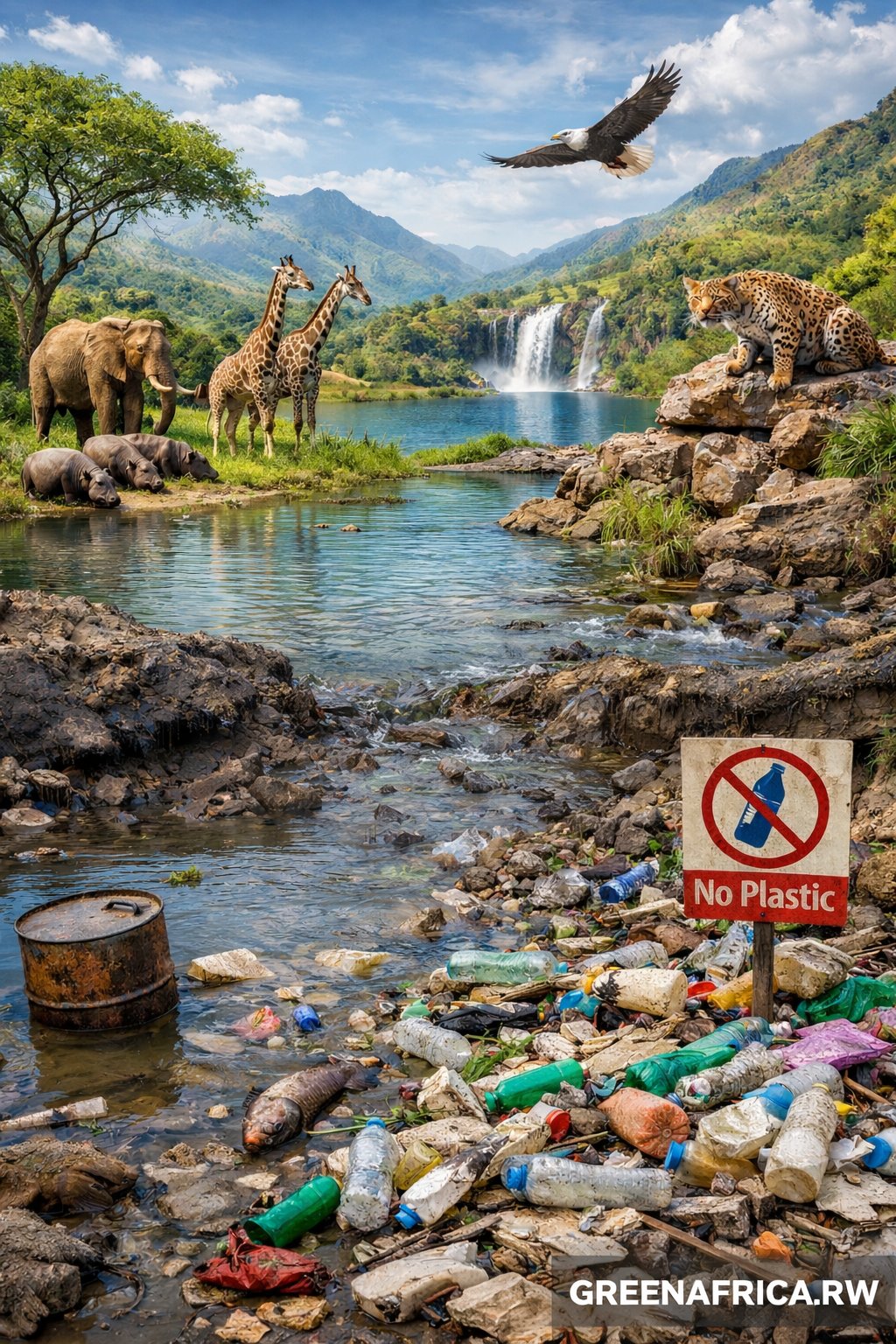
Plastic pollution is no longer a distant or abstract environmental concern it is a rapidly escalating crisis with visible and invisible impacts across our ecosystems, economies, and public health systems.
Today, in many parts of the world, including across Africa, plastic waste continues to infiltrate rivers, lakes, and wetlands. Over time, this waste breaks down into microplastics tiny particles that contaminate water sources and pose a serious threat to aquatic life. Fish, plankton, and other organisms ingest these particles, unknowingly introducing plastics into the food chain. Eventually, these contaminants make their way back to humans, raising growing concerns about long-term health impacts that are still being studied.
In agricultural landscapes, the effects are equally alarming. Plastic residues originating from fertilizer packaging, irrigation materials, and poor waste management practices are increasingly accumulating in soils. This disrupts soil structure, limits water absorption, and harms beneficial microorganisms essential for soil fertility.
As a result, crop productivity declines over time, putting additional pressure on farmers and threatening food security, particularly in communities that depend heavily on agriculture for survival.
Plastic pollution also poses a direct danger to biodiversity. Wildlife often mistake plastic materials for food or become trapped in plastic waste, leading to injury, suffocation, or death. These incidents, though sometimes unseen, gradually destabilize ecosystems by reducing species populations and disrupting ecological balance.
At GREEN AFRICA Rwanda Initiative, we recognize that addressing this challenge requires more than awareness it demands coordinated, sustained action.
From promoting eco-friendly alternatives and strengthening waste management systems to advocating for effective environmental policies, every stakeholder has a role to play.
Governments, private sector actors, civil society organizations, researchers, and local communities must work together to reduce plastic use, improve recycling systems, and invest in sustainable solutions that protect both people and the planet.
The choices we make today will define the environmental future we inherit tomorrow. The time to act is now—not only to reduce plastic pollution but to safeguard our water, our soils, and the rich biodiversity that sustains life on Earth.