Musanze: Stakeholders equipped on Agroecology and sustainable food systems resilience
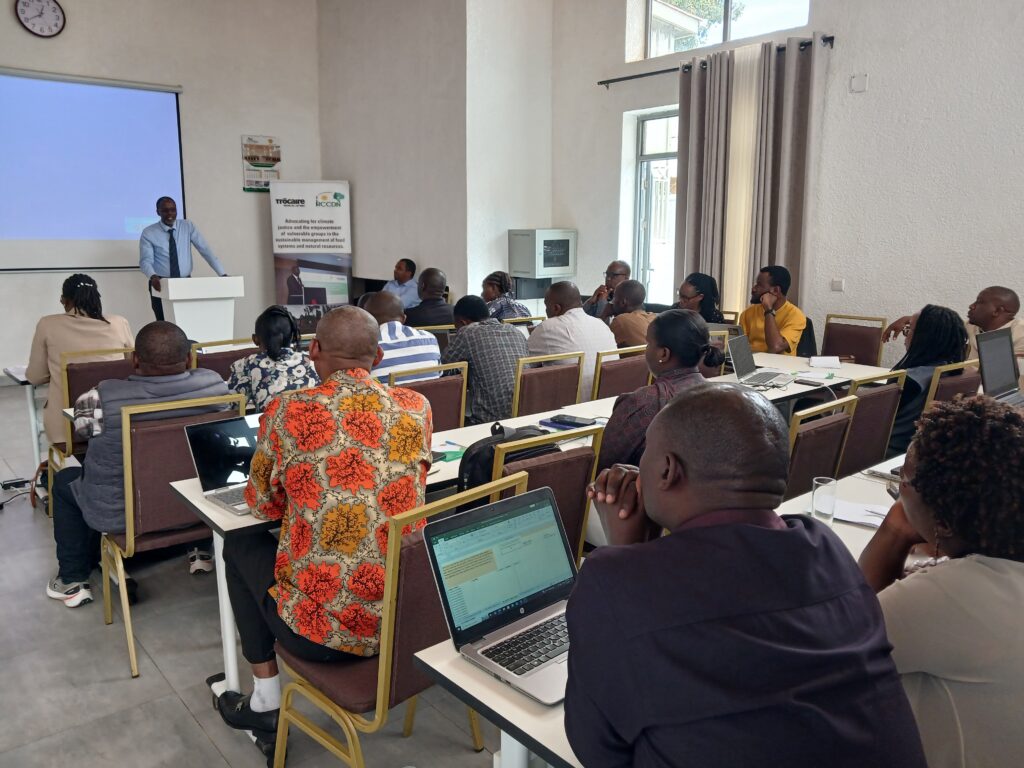
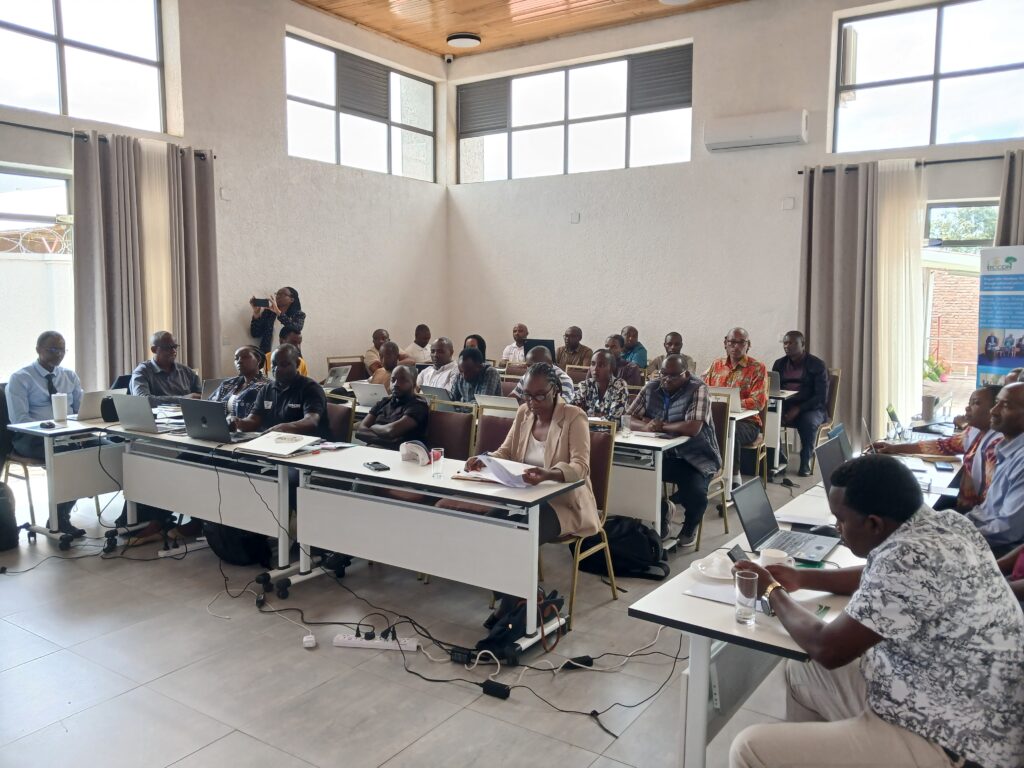
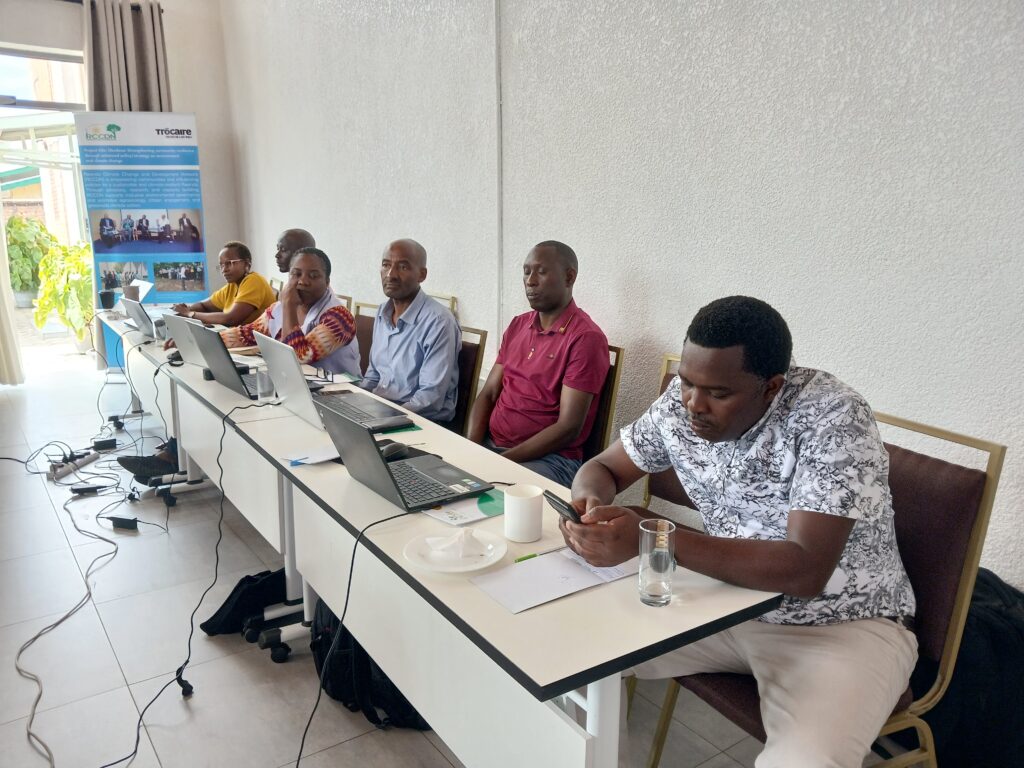
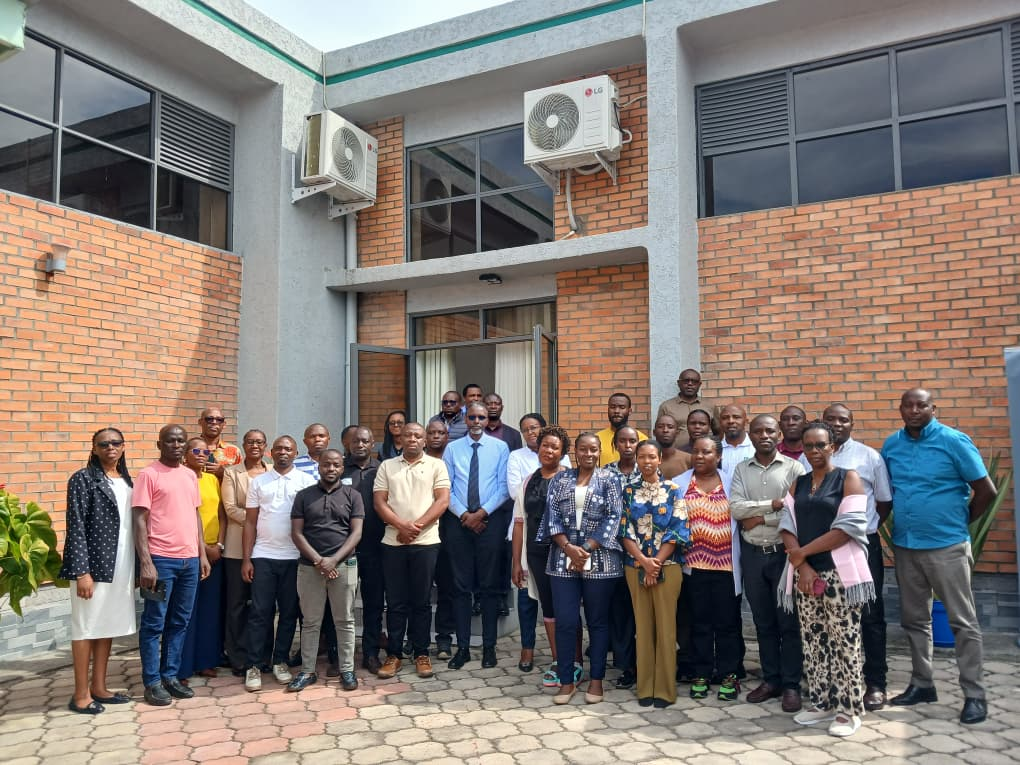
Stakeholders drawn from civil society organizations, public institutions, academia, and community-based groups convened in Musanze District for a capacity-strengthening workshop for RCCDN members and other stakeholders on agroecology for climate resilience.
The Four-day workshop was organized jointly by Rwanda Climate Change and Development Network in partnership with Trócaire and the University of Rwanda College of Agriculture, Forestry and Food Science UR-CAFF.
The initiative was further supported through collaboration with the Alliance for Food Sovereignty in Africa(AFSA), a continental network advocating for food sovereignty and sustainable agricultural transformation across Africa.
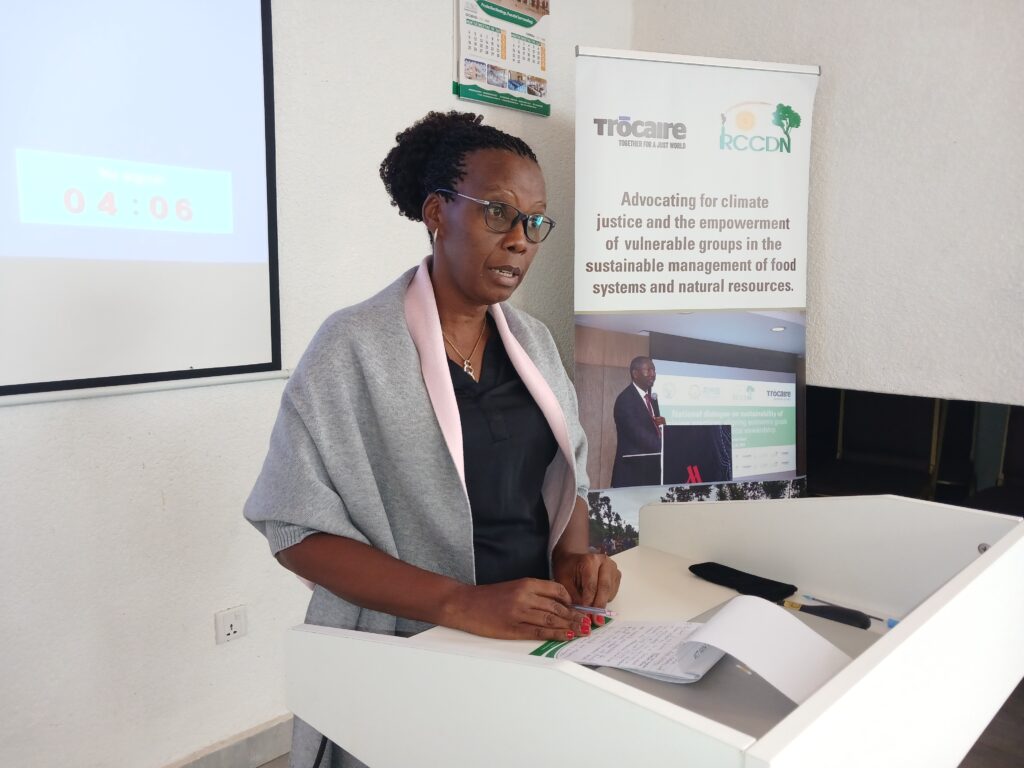
Speaking during the opening session, Salama Gata Sylvia emphasized that the workshop serves as an important platform for knowledge exchange and multi-stakeholder collaboration aimed at addressing the interconnected challenges of climate change, biodiversity degradation, and food insecurity. She further highlighted the importance of strengthening agroecology advocacy as a pathway to promote sustainable food systems, influence supportive policies, and enhance community resilience through environmentally friendly and locally driven agricultural practices.
She highlighted that agroecology, as a science, practice, and social movement, provides sustainable pathways for enhancing agricultural productivity while restoring soil health, conserving ecosystems, and strengthening the adaptive capacity of farming communities.
“Our agricultural systems must transition toward climate-resilient and ecologically sustainable models. This workshop creates an opportunity to bridge scientific research with indigenous and community-based knowledge in order to co-develop lasting solutions,” she noted.
Sylvia further encouraged participants to actively share experiences, innovations, and lessons learned from their respective interventions across the country, particularly in areas related to agroecological practices, sustainable land management, and ecosystem restoration
The workshop brought together representatives from RCCDN member organizations, agroecology practitioners, Public institution such as MINAGRI, RAB and District Officer, environmental advocates, researchers, and development partners working to promote sustainable livelihoods and community resilience.
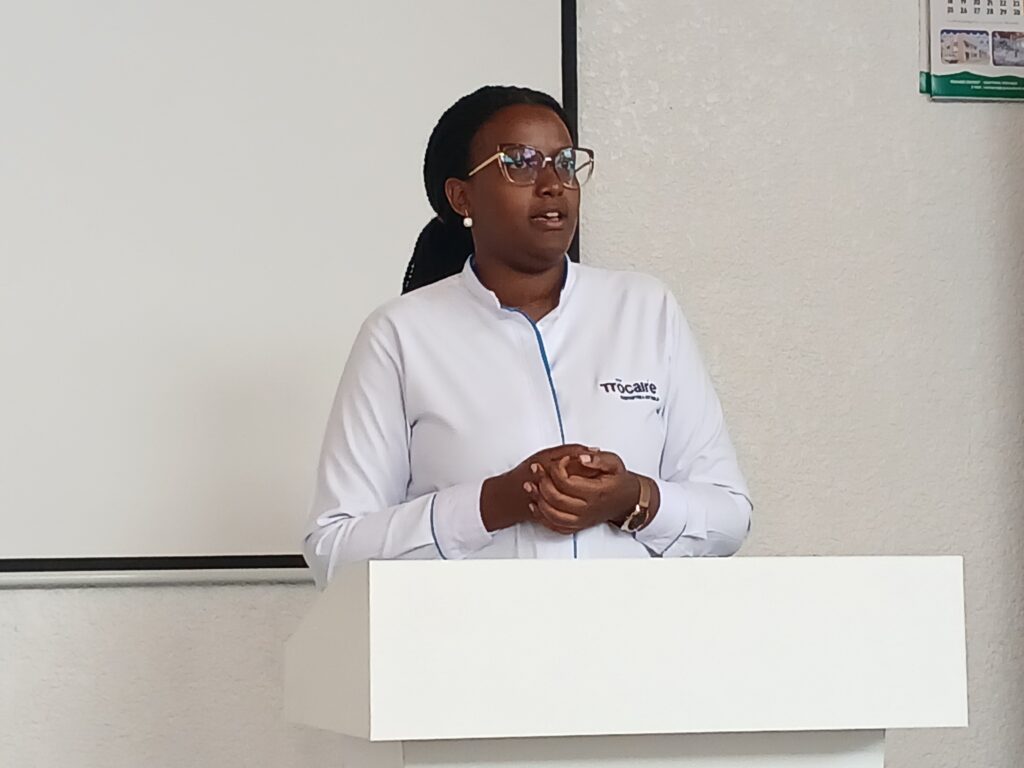
Angelique Kabeza, Program Manager at Trócaire, underscored the critical role of strategic partnerships in scaling up agroecological transitions and strengthening the resilience of vulnerable communities facing climate-induced shocks.
“Collaboration among organizations such as RCCDN, and UR-CAFF is essential in supporting communities to adopt sustainable farming systems that improve food production, safeguard natural resources, and enhance ecological resilience,” she stated.
She added that the workshop would also provide an opportunity for participants to collectively design community-centered solutions capable of improving rural livelihoods, reinforcing food sovereignty, and fostering long-term socio-ecological resilience.
The training is expected to deepen participants’ understanding of agroecological principles and practices, strengthen institutional collaboration, document successful field-based case studies, and enhance advocacy efforts aimed at promoting sustainable and climate-smart agriculture in Rwanda.
Rwanda Climate Change and Development Network is a national network of civil society organizations committed to promoting climate resilience, environmental sustainability, inclusive development, and community empowerment in Rwanda.
Through partnerships with international organizations such as Trócaire, and Alliance for Food Sovereignty in Africa (AFSA), and academic institutions such as University of Rwanda – College of Agriculture, Animal Sciences and Veterinary Medicine (UR-CAAVM), RCCDN continues to support initiatives promoting agroecology for climate resilience.