Gicumbi: Hillside tea farming becomes a solution to heavy rainfall in Gatuna marshland
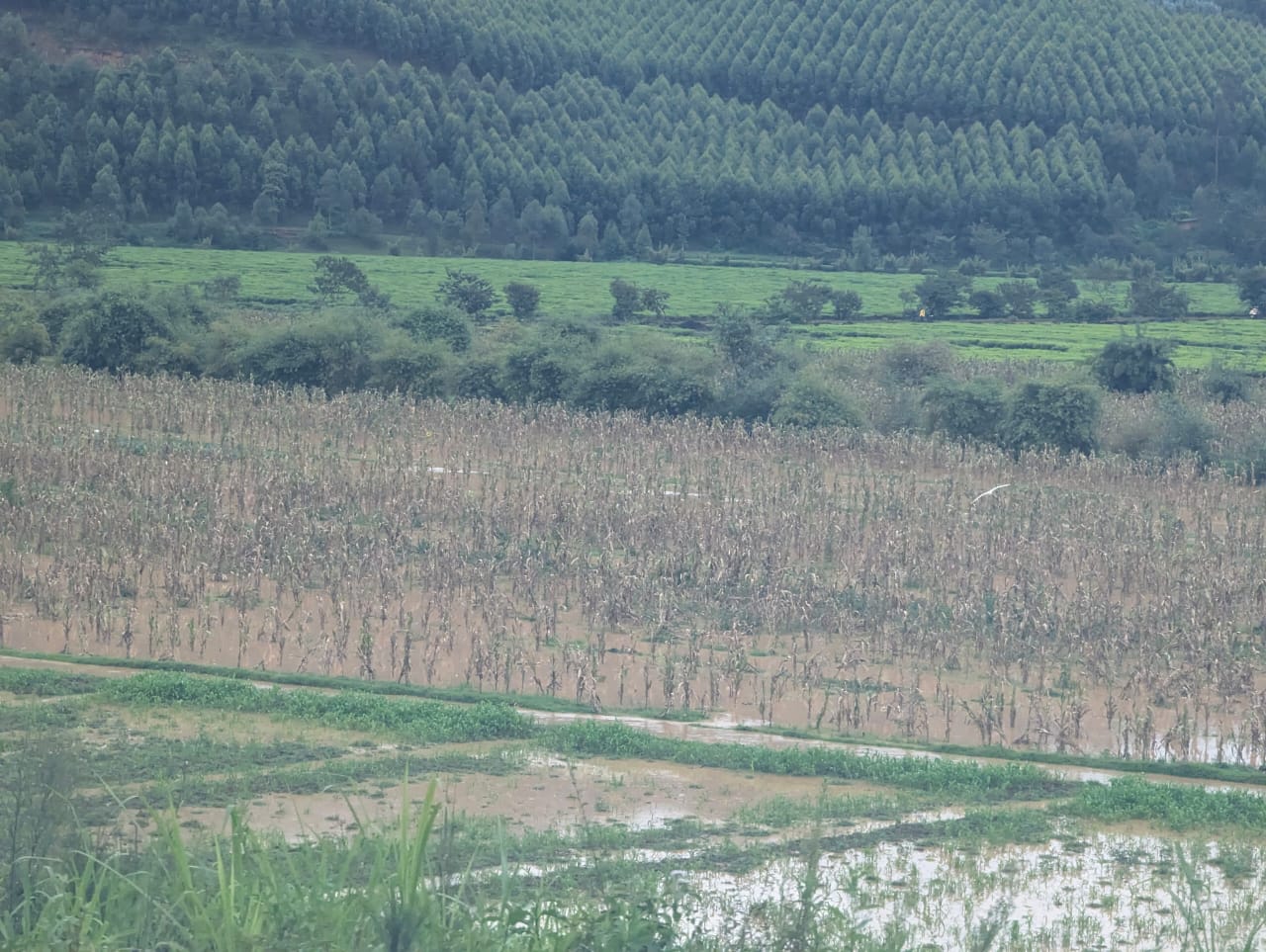
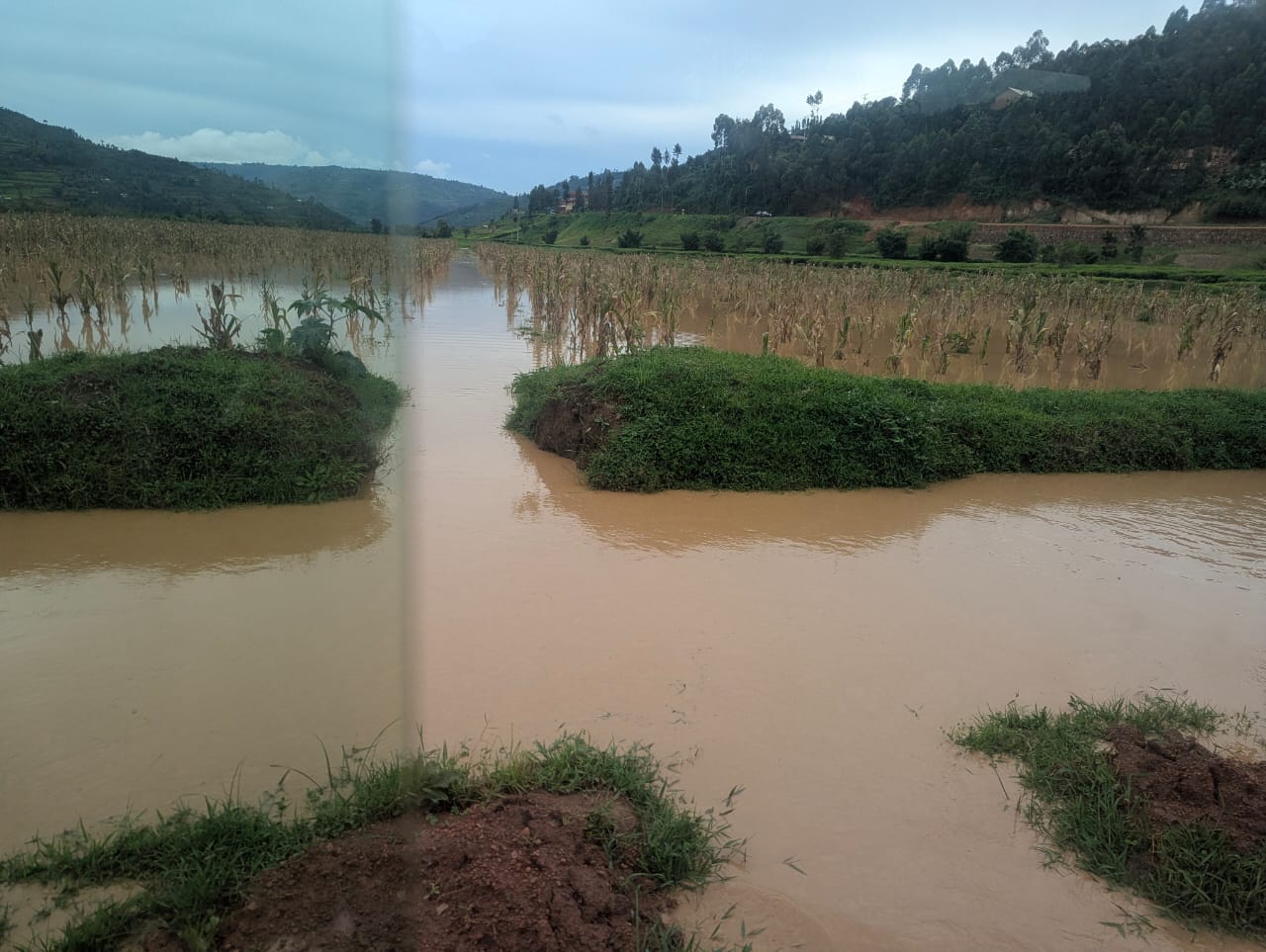
Authorities in Gicumbi District say that due to climate change, there are times when excessive rainfall causes significant losses to tea grown in the Gatuna marshland.
This marshland often receives large volumes of rainwater flowing in from Uganda. Because of this, various studies are being conducted to find ways to mitigate the impact, protect the environment, and preserve crops grown in the area.
A closer look at the vast hectares of tea cultivated in the Gatuna marshland shows that heavy rains frequently lead to major losses for Murindi Tea Factory, which provides employment to both tea farmers and pluckers working in the area.
As an initial intervention, district authorities, in partnership with Green Gicumbi, planted bamboo in the marshland to help control these effects.
This has helped reduce water overflow onto crops and stabilize soil along riverbanks within the marsh.
In addition to planting bamboo, they have also introduced tea cultivation on hillsides. This approach helps control soil erosion and reduces the damage that previously affected large portions of tea plantations in the marshland.
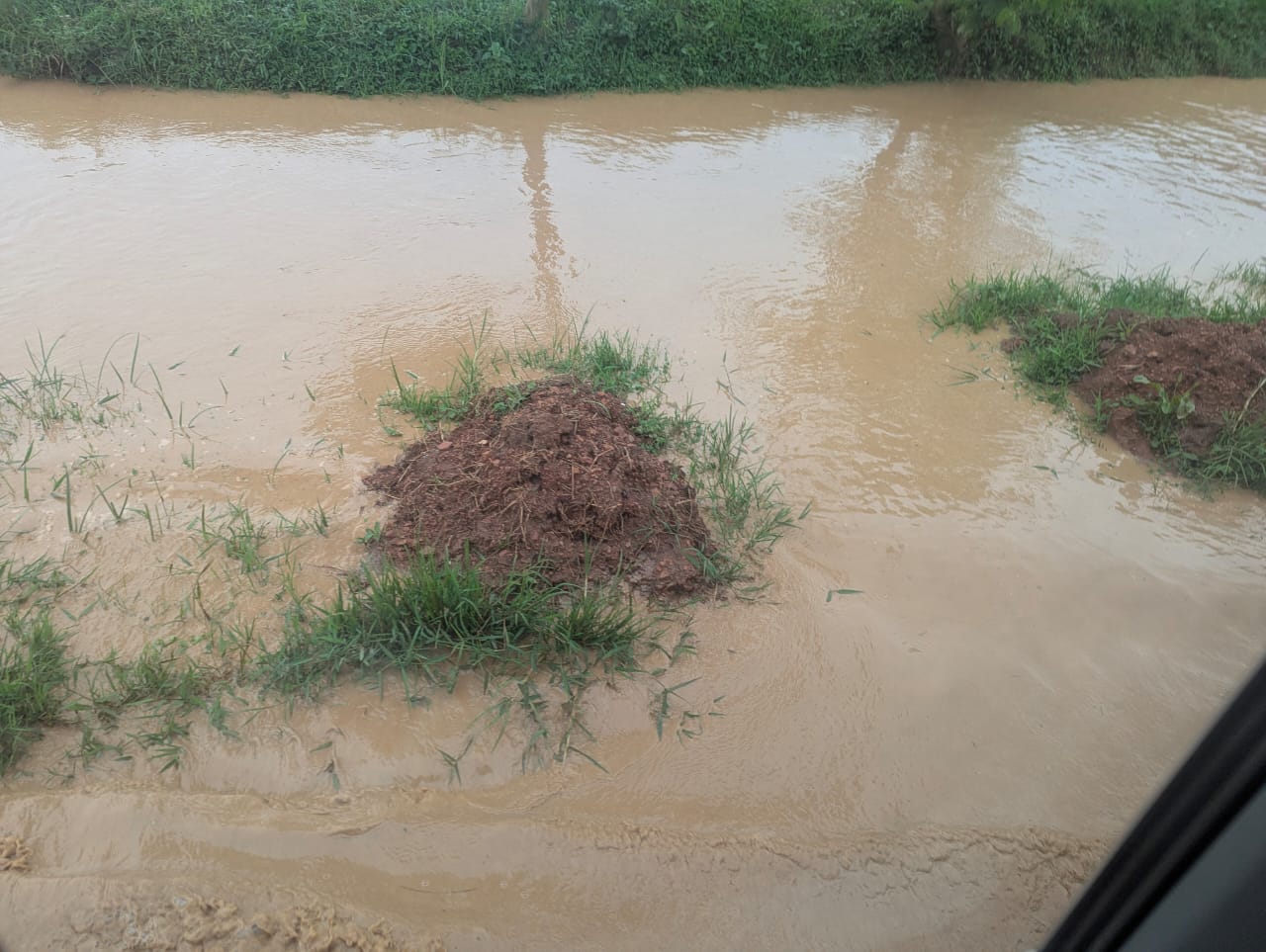
Forests have also been planted on surrounding hills, and anti-erosion trenches have been dug to manage excess rainwater. However, water flowing from neighboring countries still frequently enters Rwanda, sometimes flooding farmlands and disrupting cross-border transport.
Local residents say that much of the excess rainwater originates from Uganda and flows into Rwanda, emphasizing the need for comprehensive studies to identify ways to control or redirect this water to prevent further damage to crops.
The Mayor of Gicumbi District, Emmanuel Nzabonimpa, in an interview with the media on March 25, 2026, acknowledged the issue and stated that efforts are underway to address the impacts of climate change.
He said: “When we talk about hillside tea farming, we recognize and appreciate the Green Gicumbi project, which helped transform an area previously affected by disasters. Tea grown in the marshland would often be destroyed by flooding, leading to poor yields. That is when they introduced the idea of cultivating tea on hillsides.”
He added: “We initially expanded by about 40 hectares, and residents began increasing the area after seeing both higher yields and better quality tea. Unlike marshland tea, hillside tea is less affected by climate variability.”
The district authorities also noted that ongoing efforts aim to better manage the Gatuna marshland so it can continue to be productive up to the border and beyond, while also expanding hillside tea farming, which has proven to deliver more reliable yields.