Gicumbi: An integrated model of ancestral Ankole cattle husbandry, afforestation, and wetland rehabilitation as pillars of environmental resilience
Gicumbi District has significantly scaled up its environmental restoration portfolio, investing strategically in large-scale afforestation, terracing systems (anti-erosion bunds), and the ecological rehabilitation of Gatuna wetland.
These interventions are explicitly designed to strengthen climate change adaptation capacity and ecosystem resilience.
The district has implemented forest plantation programs across nine administrative sectors, constructed extensive soil erosion control structures, and undertaken the restoration of Gatuna wetland, all aimed at mitigating land degradation and reinforcing sustainable land management practices.
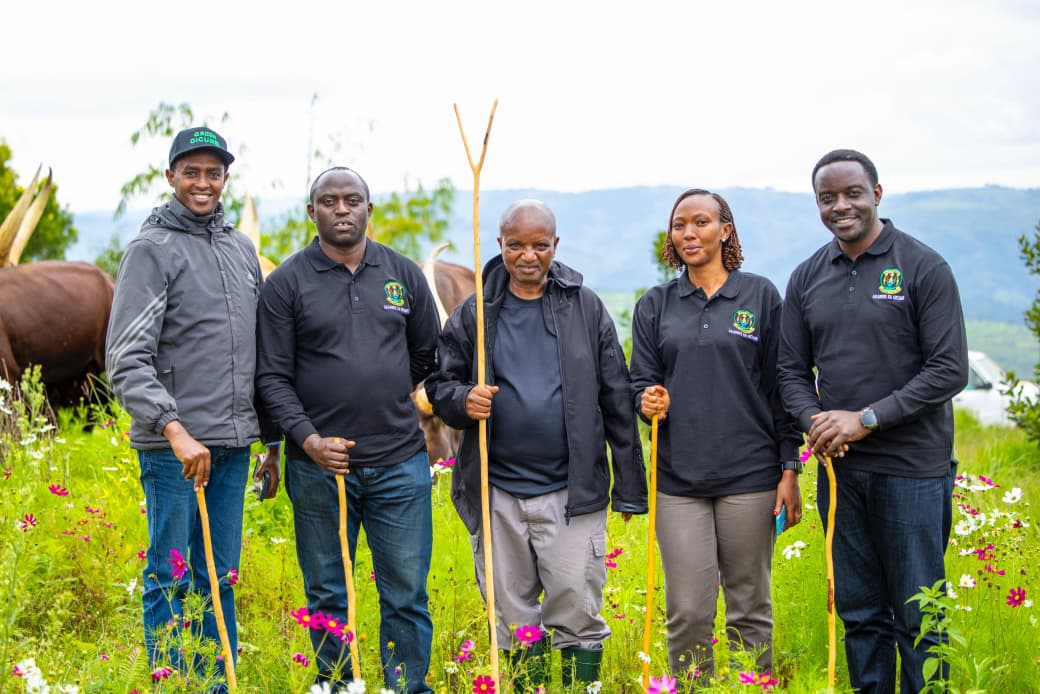
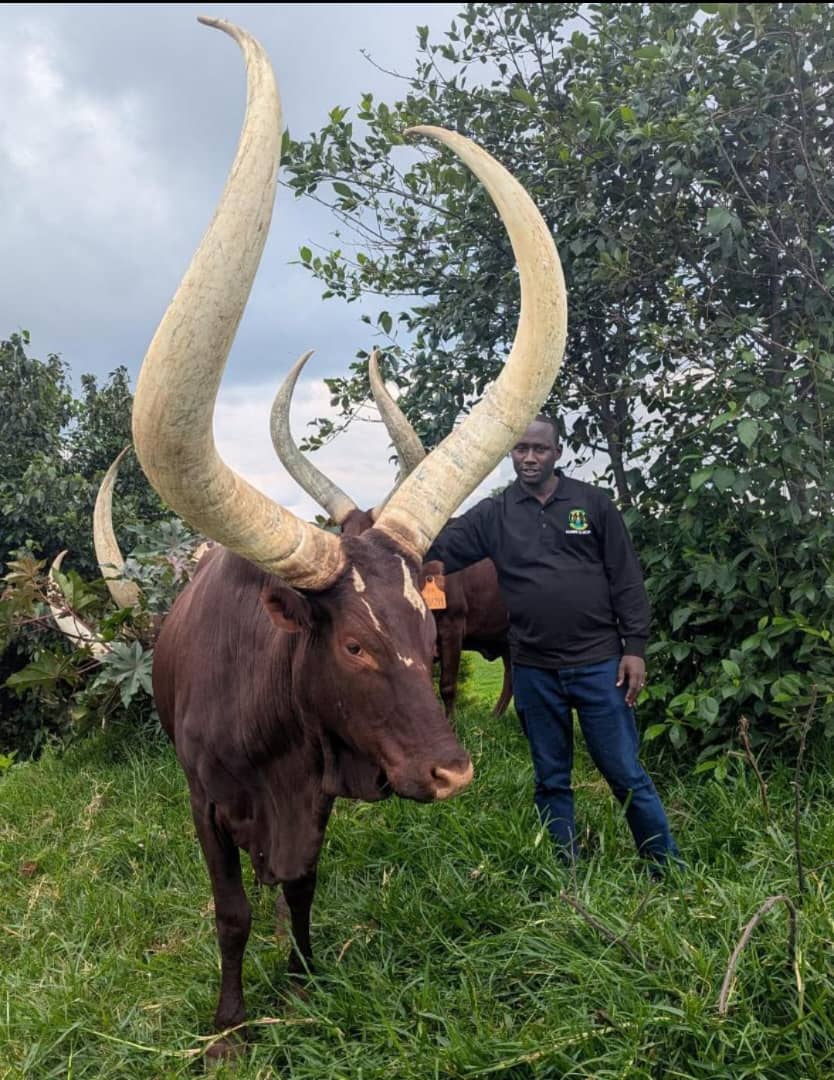
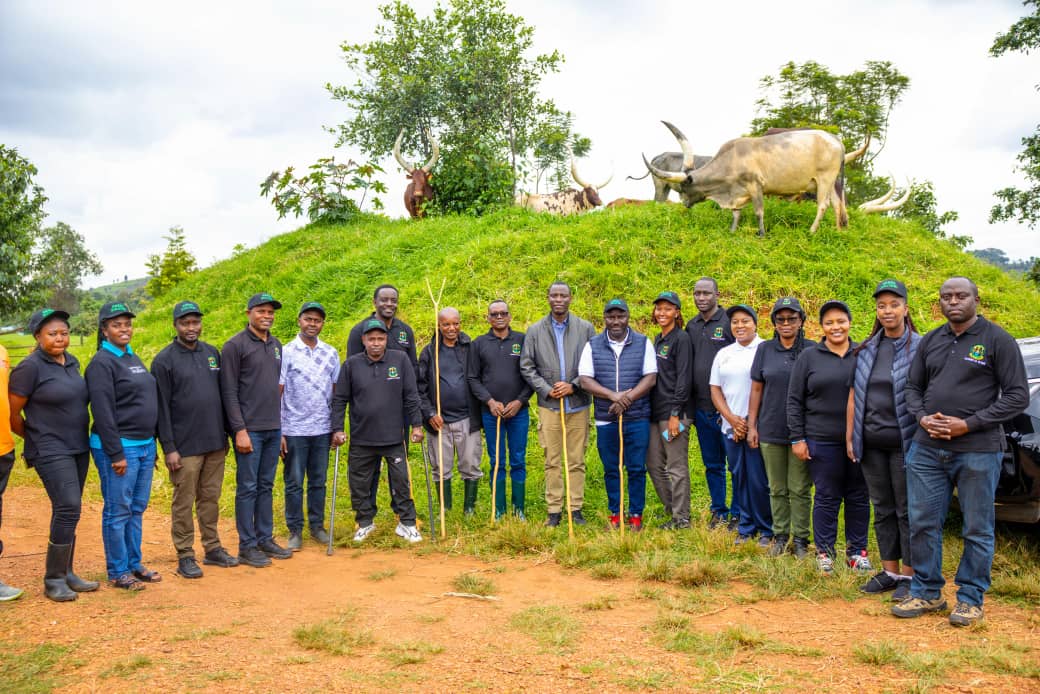
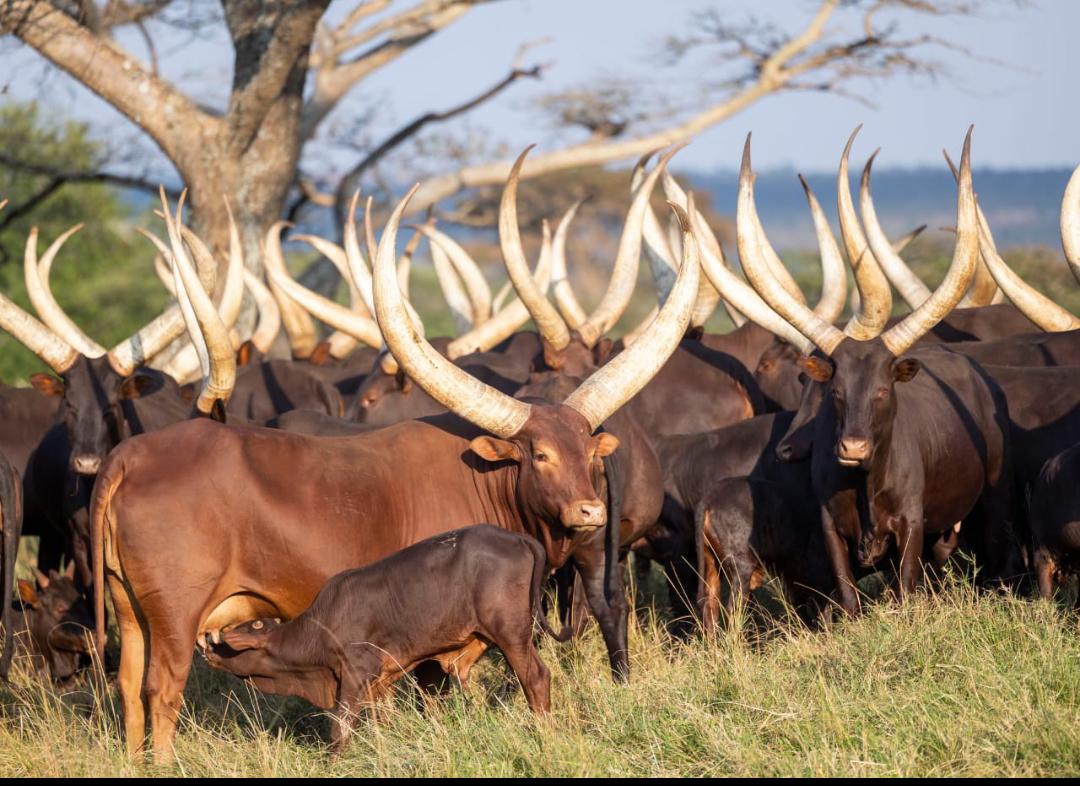
In parallel, Gicumbi has integrated heritage-based livestock systems, particularly the rearing of Ankole long-horned cattle (Inyambo), as both a cultural preservation strategy and a green economic asset. These iconic cattle have become a significant eco-tourism attraction, while simultaneously contributing to organic manure production, thereby enhancing agricultural productivity within surrounding communities.
Residents of the Murindi area, particularly at Murindi of Heroes, report rapid afforestation success, noting that the newly established forests have matured within a short period and are now contributing to air quality regulation, microclimate stabilization, and biodiversity enhancement.
From an agronomic perspective, community members emphasize that the Ankole cattle system is highly productive due to its grass-fed, non-intensive feeding regime, which yields high-quality organic milk and nutrient-rich manure, thereby contributing to nutrition security and the mitigation of malnutrition in adjacent populations.
Local resident Ngendahimana from Kaniga Sector, Murindi Cell, highlights that Inyambo cattle represent a continuity of Rwanda’s pastoral heritage economy, noting that cattle ownership historically constituted a major form of wealth accumulation. He underscores the importance of heritage conservation economics, arguing for the safeguarding of traditional livestock systems amid modern livestock diversification.
He further references the symbolic historical significance of the cattle site commonly associated with early liberation-era pastoral logistics, where milk production supported combatants during the liberation struggle.
The surrounding area, historically linked to the operations of Radio Muhabura, is also remembered as a symbolic communication hub during the national liberation period, providing morale-boosting information to displaced populations.
The District Administration of Gicumbi positions Inyambo cattle as a living cultural heritage asset and a tourism magnet, alongside newly rehabilitated ecosystems such as the Miyove wetland system, which now supports diverse avifaunal species and enhanced ecological diversity.
Gicumbi District Mayor Nzabonimpa Emmanuel has urged private sector stakeholders to invest in eco-tourism infrastructure, hospitality ecosystems, and cultural heritage valorization projects, including modern accommodation facilities, hotels, and the development of historical heritage sites, as well as investment opportunities around Lake Muhazi.
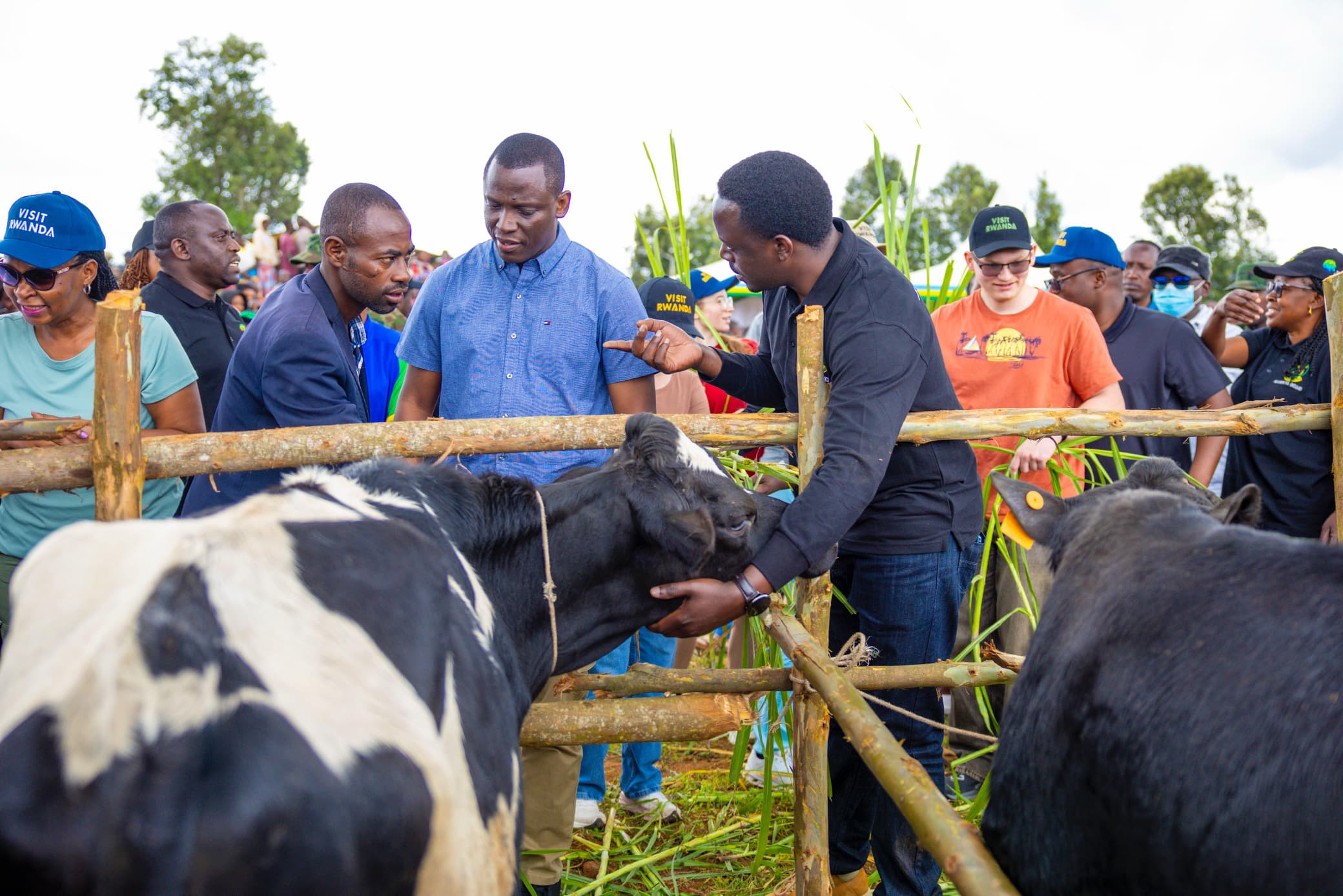
Meanwhile, the Minister of Local Government, Habimana Dominique, emphasized the importance of community-driven environmental stewardship, urging residents to maximize the benefits of reforestation initiatives under the Green Gicumbi program, intensify terrace farming for soil conservation, and strengthen nutritional resilience through improved livestock productivity.
He further stressed that sustainable livestock systems such as Inyambo cattle play a critical role in agro-nutritional transformation strategies, particularly in combating malnutrition and stunting among vulnerable populations.
In Gicumbi, a climate-resilient resettlement model village has been constructed for households affected by natural disasters in the Gatuna border zone. Beneficiaries report living in disaster-resilient housing infrastructure designed to withstand climate shocks, and they reaffirm their commitment to continued participation in reforestation and land stabilization programs, reinforcing the district’s broader climate adaptation and ecosystem restoration agenda.