Akagera NP posts over RWF 1.7 Billion in Q1 2026 revenue, signaling an 8% upswing,visitor footfall surpasses 11,700
Akagera National Park has maintained a robust upward trajectory in high-value eco-tourism monetization and conservation-finance performance metrics. During the first quarter of 2026 (January–March), the park generated in excess of US$1.337 million (approximately RWF 1.7 billion), registering an 8% year-on-year growth rate, indicative of sustained resilience and market competitiveness relative to Q1 2025.
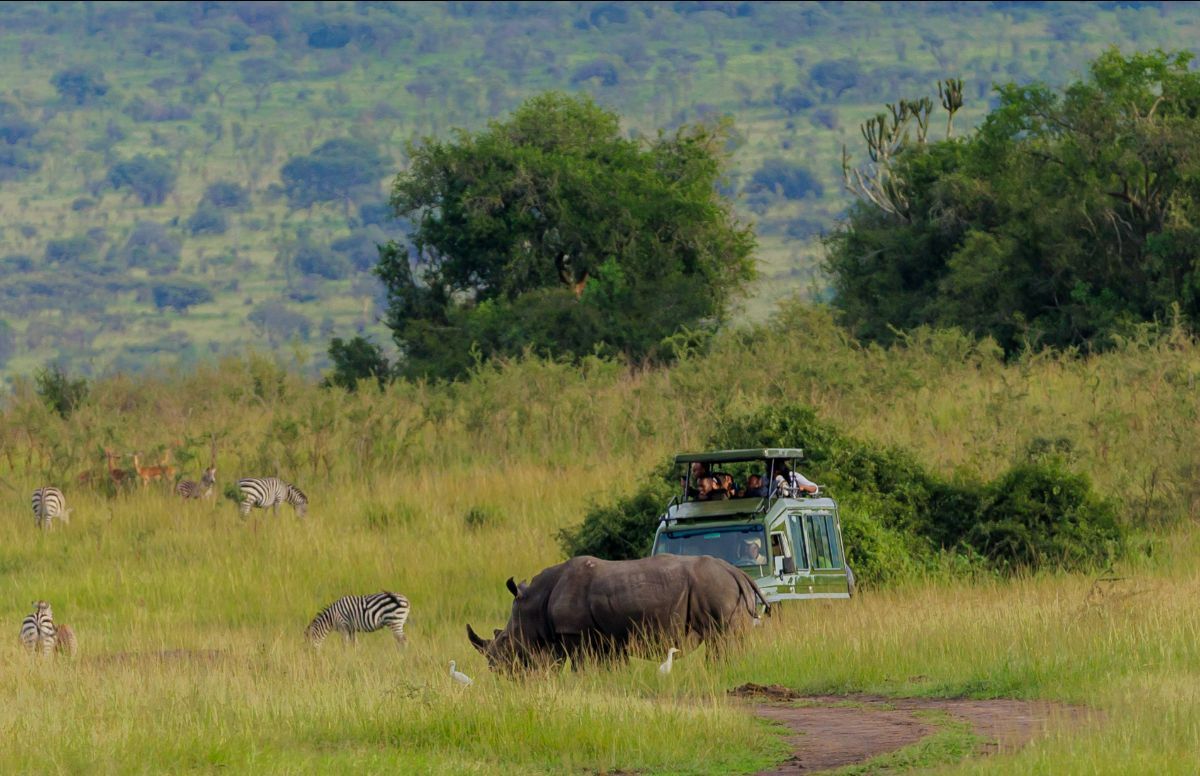
Within the same reporting window, the park recorded visitor throughput exceeding 11,700, with a dominant share attributed to domestic tourism flows, signaling deepening national participation in conservation-linked leisure economies.
This positive growth vector is strongly correlated with the park’s escalating global destination branding and reputational capital, underscored by its listing among the “25 Must-Visit Destinations Worldwide for 2026” by National Geographic.
Additional growth catalysts include the commissioning of the Wilderness Magashi Peninsula, aggressive destination marketing campaigns orchestrated by Rwanda Development Board under the “Visit Rwanda” umbrella, and strategic media amplification across both domestic and international platforms.
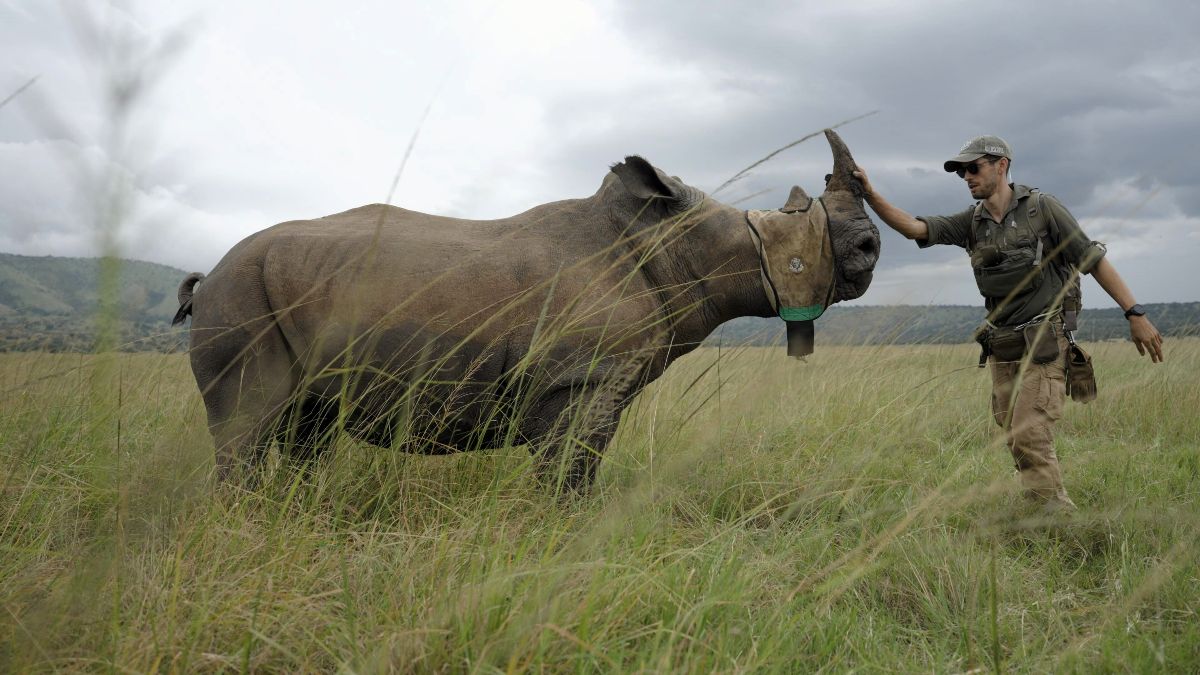
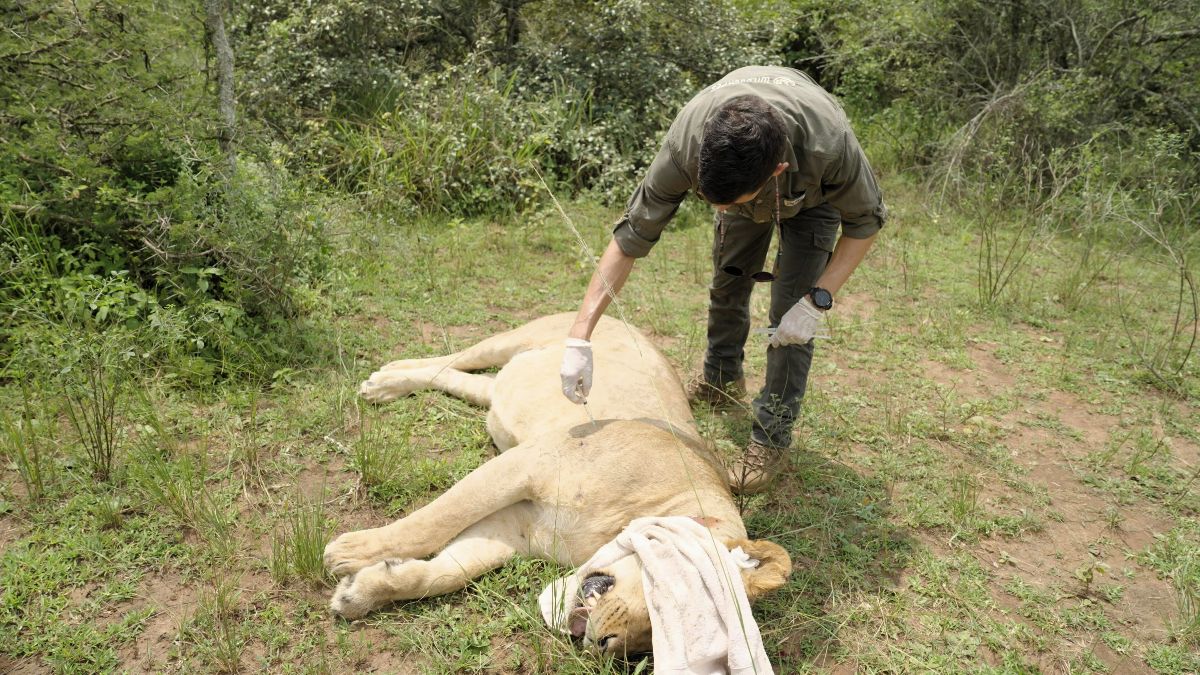
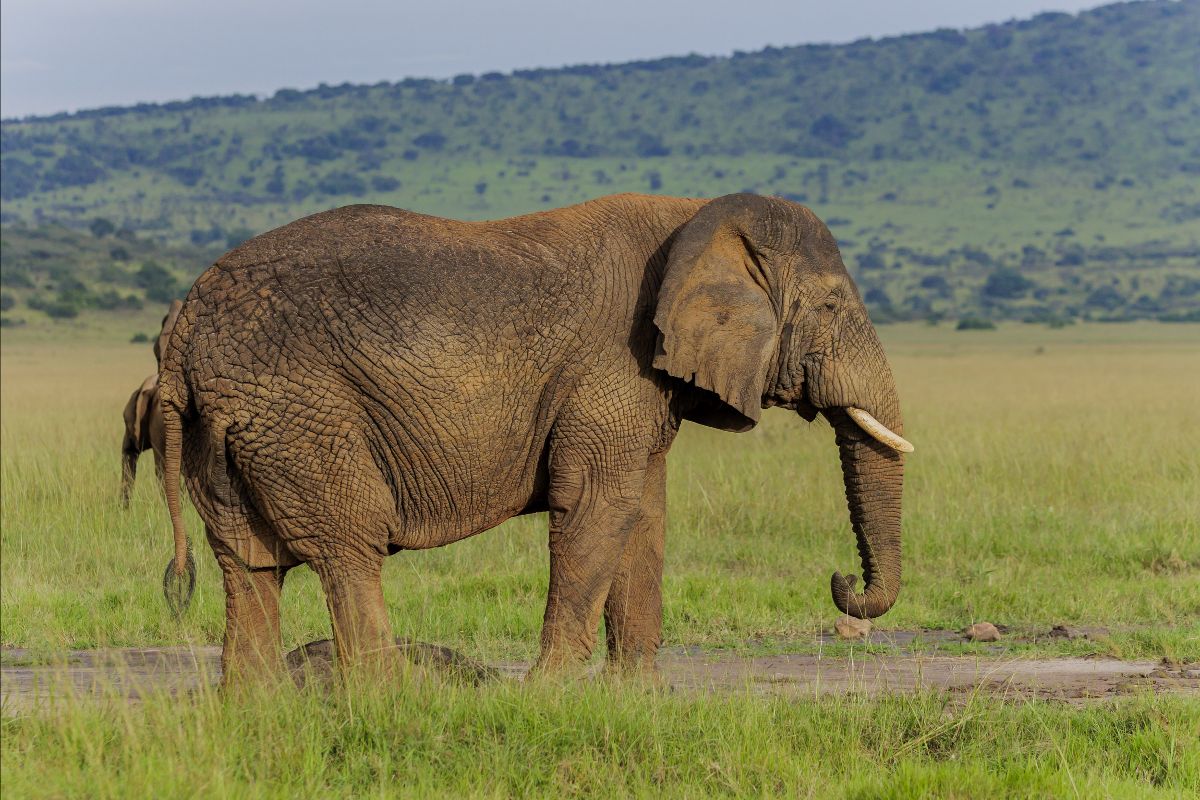
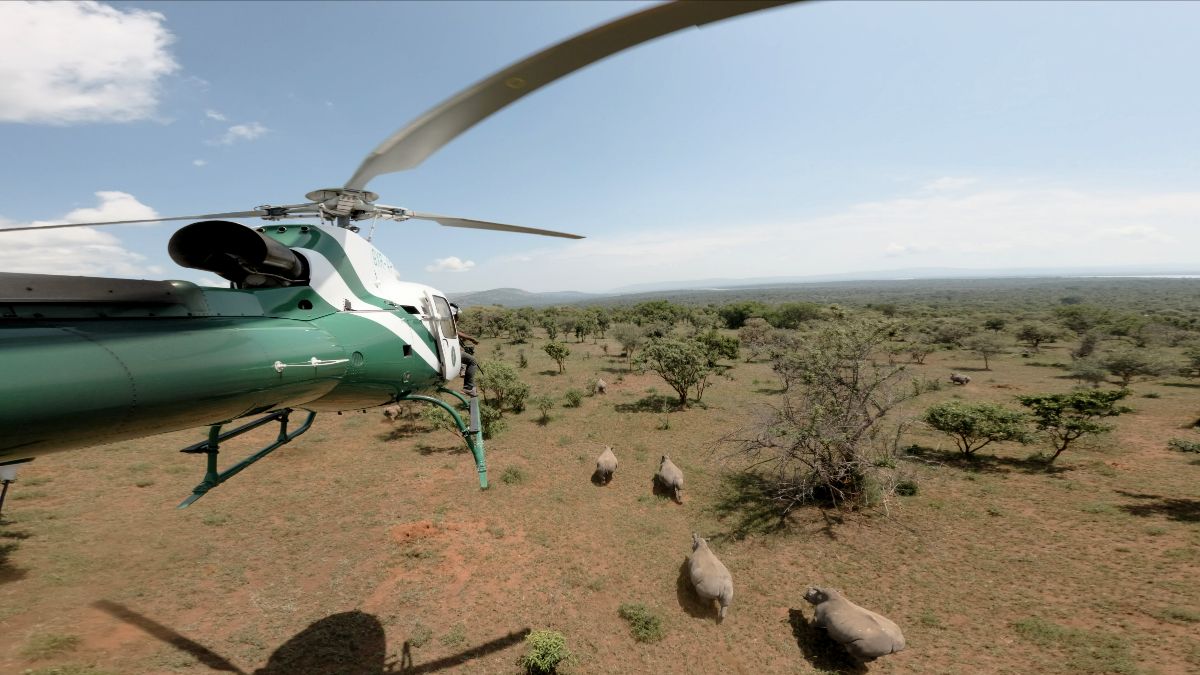
In February 2026, the park executed cutting-edge wildlife telemetry and bio-monitoring interventions, deploying GPS-enabled tracking collars on three lions and one elephant, alongside the installation of VHF (Very High Frequency) transmitters in the horns of 17 southern white rhinos and 8 eastern black rhinos.
These interventions significantly enhance real-time surveillance, spatial ecology analytics, and anti-poaching intelligence systems.
Furthermore, five lionesses underwent reproductive suppression via contraceptive protocols, a science-driven population regulation mechanism designed to mitigate ecological overshoot and preserve trophic balance. The darting and instrumentation of eight black rhinos marked a record-setting operational benchmark, surpassing the previous annual ceiling.
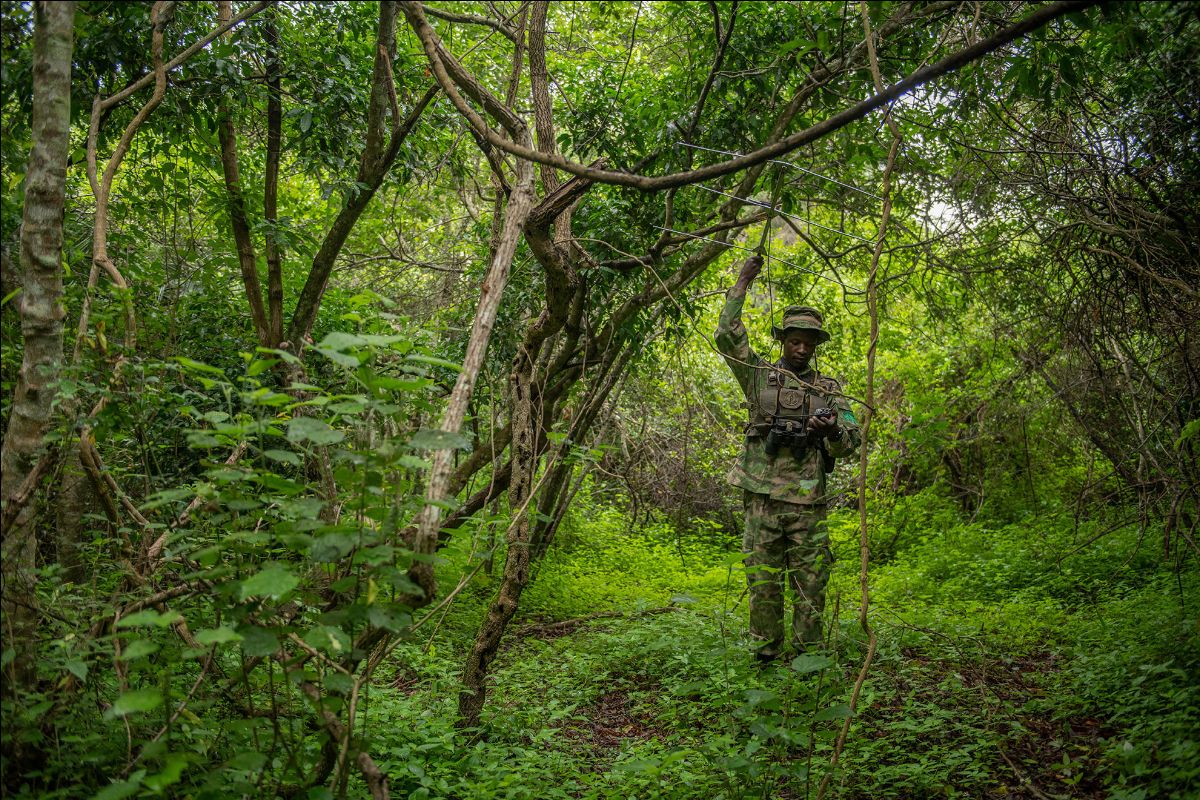
From a paramilitary conservation enforcement standpoint, ranger units logged an aggregate of 4,985 operational man-days, executing 1,570 patrol sorties spanning 35,271 kilometers. These intensified ground operations resulted in the apprehension of seven illegal actors and the recovery of 23 wire snares, reinforcing deterrence against wildlife crime.
Biodiversity monitoring data reveal 2,563 confirmed sightings of white rhinos and 363 sightings of black rhinos, reflecting both population visibility indices and the efficacy of longitudinal tracking systems. Parallel to this, environmental education and community outreach programs reached over 22,500 individuals, amplifying grassroots conservation literacy and behavioral change.
On the inclusive green economy front, community-adjacent enterprises generated US$168,226.83 (approx. RWF 218 million) across diversified livelihood streams:
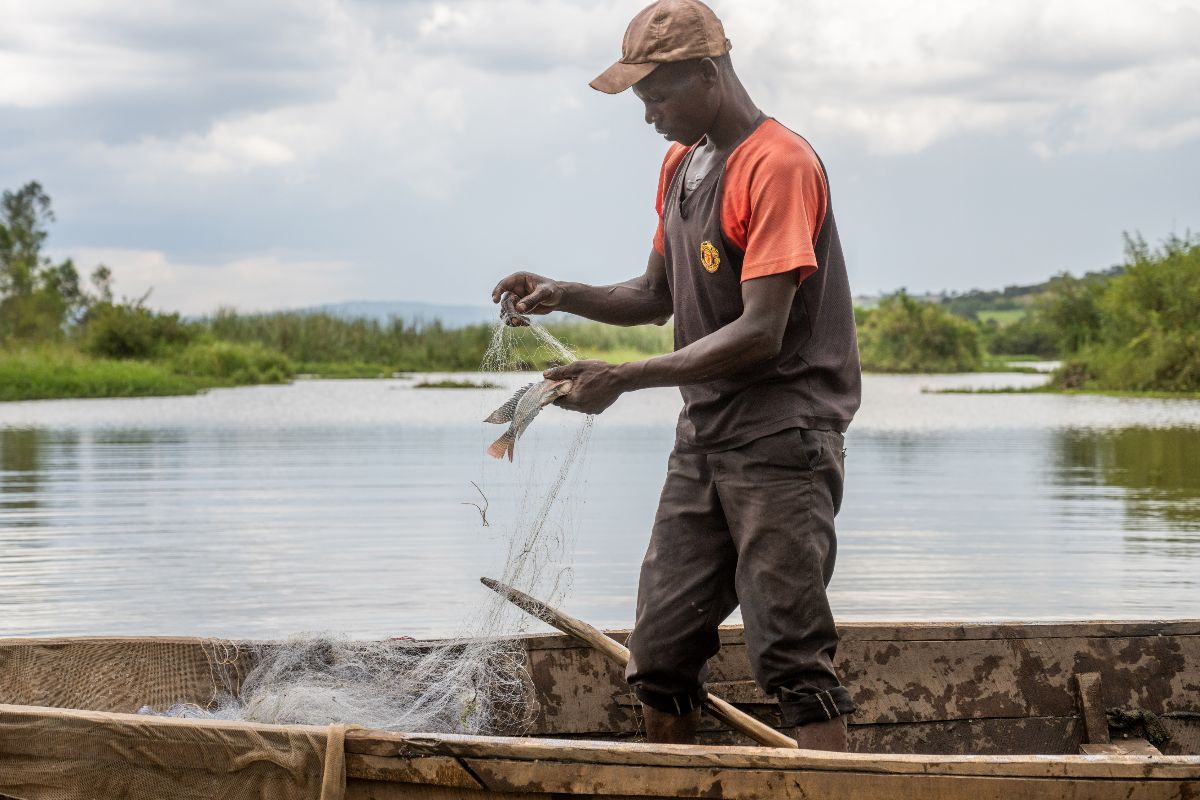
Artisanal and commercial fisheries value chains: US$59,770
Apiculture (honey production ecosystems): US$17,309
Community cooperatives (handicrafts, poultry, eco-lodging services): US$16,998.83
Professional tour-guiding services: US$31,922
Construction and informal labor markets: US$42,227
Additionally, US$158,277 (approx. RWF 205 million) was reinjected into local economies through the procurement of goods and services, directly benefiting over 2,900 community members, thereby strengthening local economic multipliers and value-chain integration.
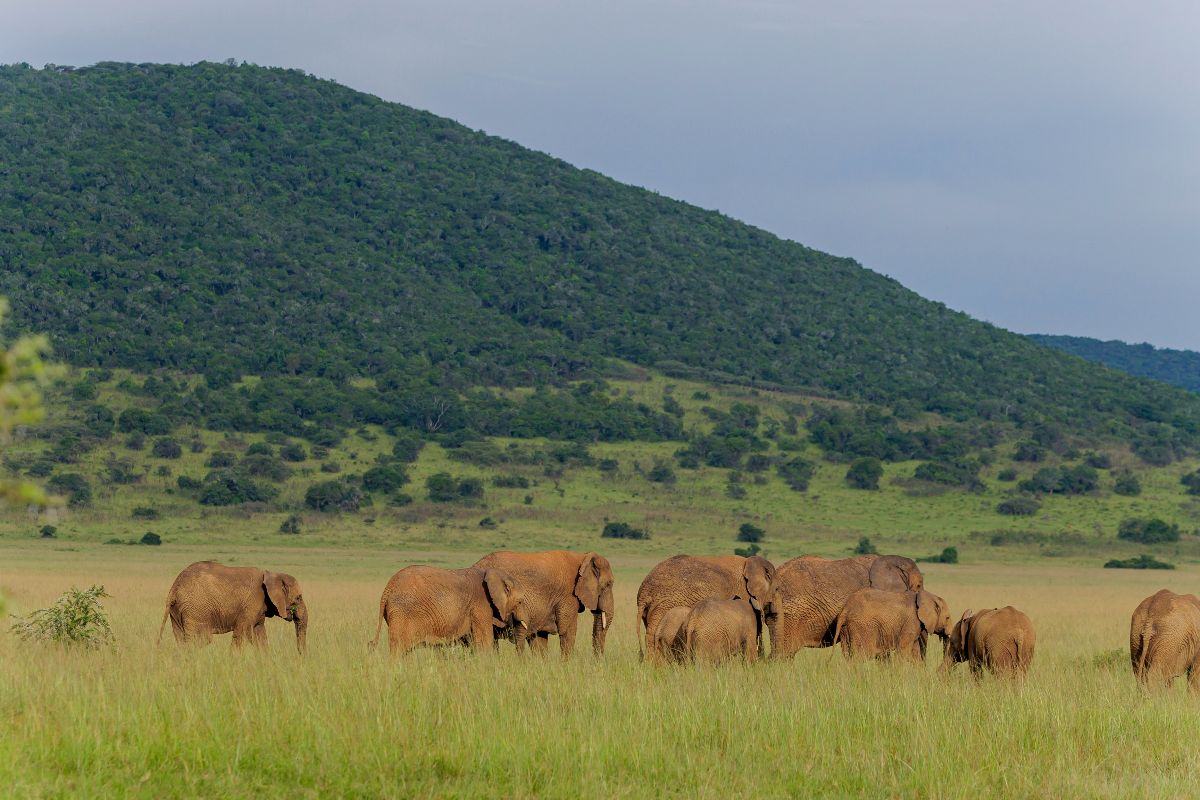
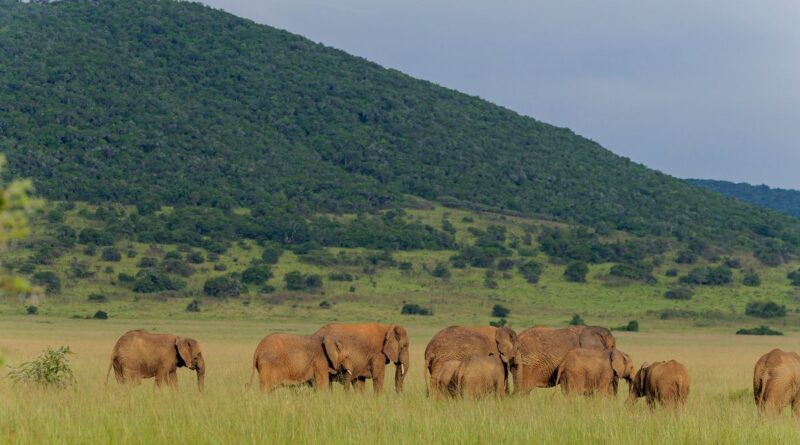
The park’s research division identified four newly catalogued elephants, bringing the total number of individually profiled elephants to 110, representing 77.5% of the estimated population of 142, thus enhancing the precision of wildlife census frameworks.
Among the notable ecological anomalies and rare biodiversity sightings was the photographic capture of a giant pangolin, alongside an unusual interspecies social interaction involving a black rhino named Juru engaging with white rhinos an event of considerable ethological interest.
Looking ahead, the park is set to diversify its eco-tourism asset portfolio through aquaculture-integrated tourism models, particularly via the Gishanda Fish Farm initiative, aimed at advancing food security systems, community capacity-building, and experiential tourism innovation.
Collectively, these developments underscore the transformative potential of nature-based tourism as a high-impact catalyst for sustainable development, seamlessly aligning biodiversity conservation imperatives with socio-economic value creation and resilience-building frameworks.