
Condom Prices Set to Surge Beyond 30% Amid Iran Conflict
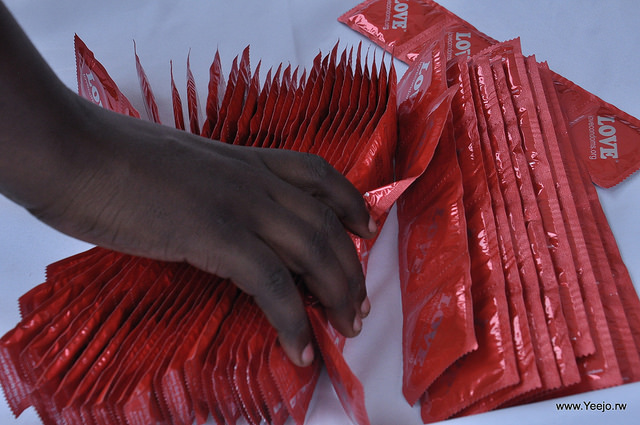
The head of Karex, the world’s largest condom manufacturer, has announced that prices of its products could rise by 30% or more, citing escalating disruptions in the global supply of essential raw materials triggered by the Iran conflict.
Goh Miah Kiat, Chief Executive Officer of Karex, disclosed to the media that production costs have increased substantially since the onset of the conflict, primarily due to severe disturbances in the supply chains of critical industrial inputs.
Karex, headquartered in Malaysia, is a dominant player in the global market, producing over five billion condoms annually. The company supplies major international brands such as Durex and Trojan, in addition to serving public health organizations worldwide.
The situation has been exacerbated by Iran’s actions affecting the Strait of Hormuz, a strategically vital maritime corridor through which a significant proportion of global trade flows particularly petroleum-based commodities. These developments are understood to be retaliatory measures following military actions involving the United States and Israel.
Approximately one-fifth of the world’s petroleum and liquefied natural gas (LNG), along with other petrochemical derivatives, transits through the Strait of Hormuz. Any disruption in this passage has far-reaching consequences for global energy prices and industries reliant on these resources.
Karex’s manufacturing processes are heavily dependent on petrochemical derivatives. These include ammonia, used in the preservation of latex, and silicone-based lubricants that enhance the usability and safety of condoms.
Goh Miah Kiat further emphasized that, beyond the surge in raw material costs, logistical expenses have also risen sharply due to shipping delays and instability in maritime transport routes. This has led to constrained supply across various international markets.
He noted that global demand for condoms has increased by nearly 30% in 2026, attributing this trend to heightened uncertainty, during which individuals are more inclined to adopt preventive health measures.
In an interview with Bloomberg, he remarked: “In times of crisis, the use of condoms becomes even more imperative, as individuals face uncertainty about their future, including their economic stability.
These developments could have significant implications for public health, particularly in developing countries where affordable access to condoms is crucial for preventing sexually transmitted infections and reducing unintended pregnancies.
Analysts warn that if disruptions in the Strait of Hormuz persist, they may continue to drive up the cost of a wide array of petroleum-based products, thereby exerting broader impacts on global health systems, economic stability, and overall human welfare.