
Agroecology: Research highlights the benefits of Organic Farming for productivity and market access
Researchers have highlighted the significant benefits of agroecological farming, describing it as a sustainable agricultural approach that can enhance productivity, improve farmers’ incomes, protect soil health, and create access to high-value domestic and international markets.
Agroecology is an agricultural production system that promotes the use of organic inputs, including compost and other forms of organic manure, while integrating environmentally sustainable farming practices. Evidence presented during a meeting in Rwanda indicates that the approach can generate competitive yields and create lucrative market opportunities both within Rwanda and abroad.
More than 12,000 farmers have reportedly improved their livelihoods through the adoption of agroecological practices. Many of them rely primarily on organic manure and other ecological farming techniques to produce crops that meet quality standards. However, some farmers remain insufficiently aware of the opportunities available in international markets for organically and sustainably produced agricultural commodities.
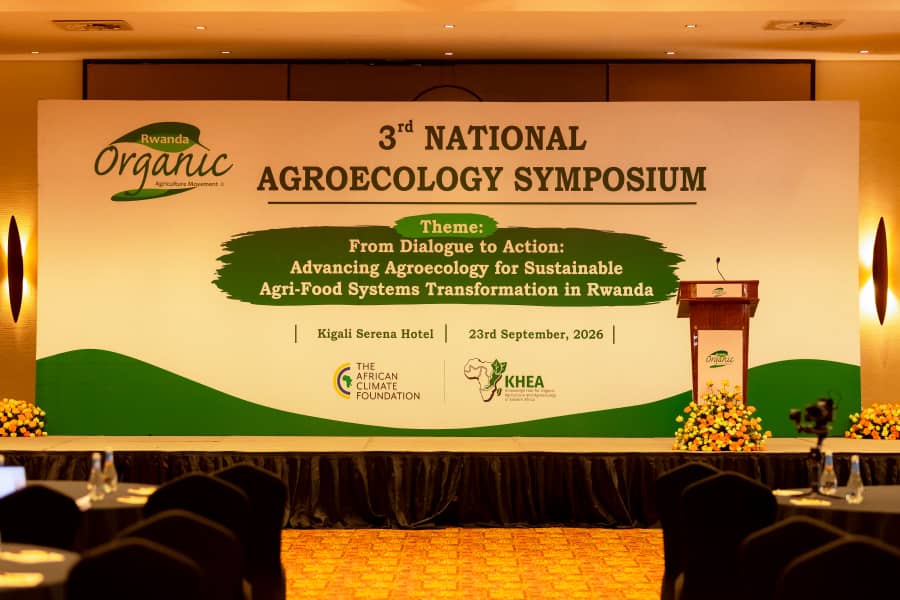
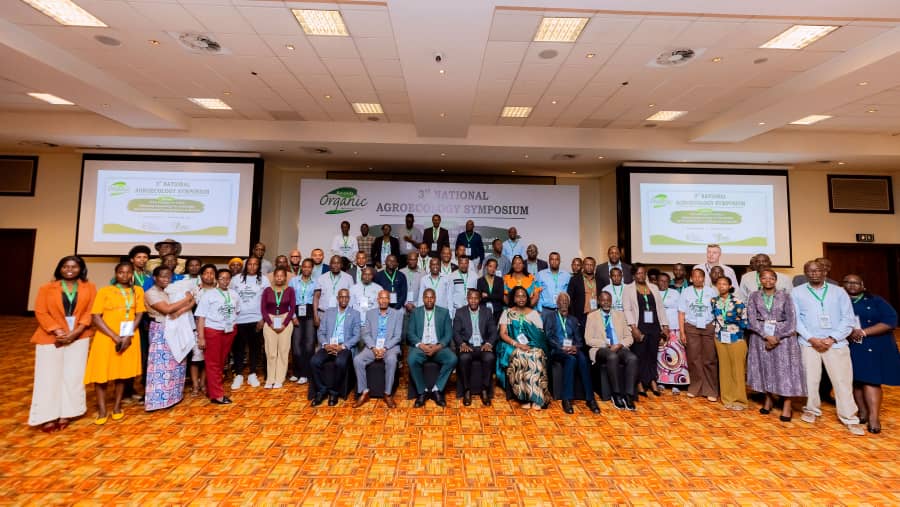
These findings were presented on September 23, 2026, during a meeting that brought together researchers, farmers and agricultural experts to discuss ways of strengthening knowledge of agroecology, as well as the opportunities and challenges associated with producing for increasingly demanding markets, particularly international markets.
Research presented at the meeting further indicates that crops supplied with adequate organic manure, properly mulched and protected against pests can achieve strong yields while meeting market requirements. Such practices can also improve soil fertility and contribute to more sustainable agricultural production systems.
Gilbert Muhire said that after their cooperative received training and certification, its members began exporting coffee and have since developed stable international markets.
“We currently export coffee and supply more than five containers a year, and we have established reliable markets outside the country,” he said.
According to participants, agroecological farming can be applied to a wide range of crops, provided farmers receive adequate technical training and understand the principles governing organic soil fertility management, pest control, crop diversification and post-harvest handling.
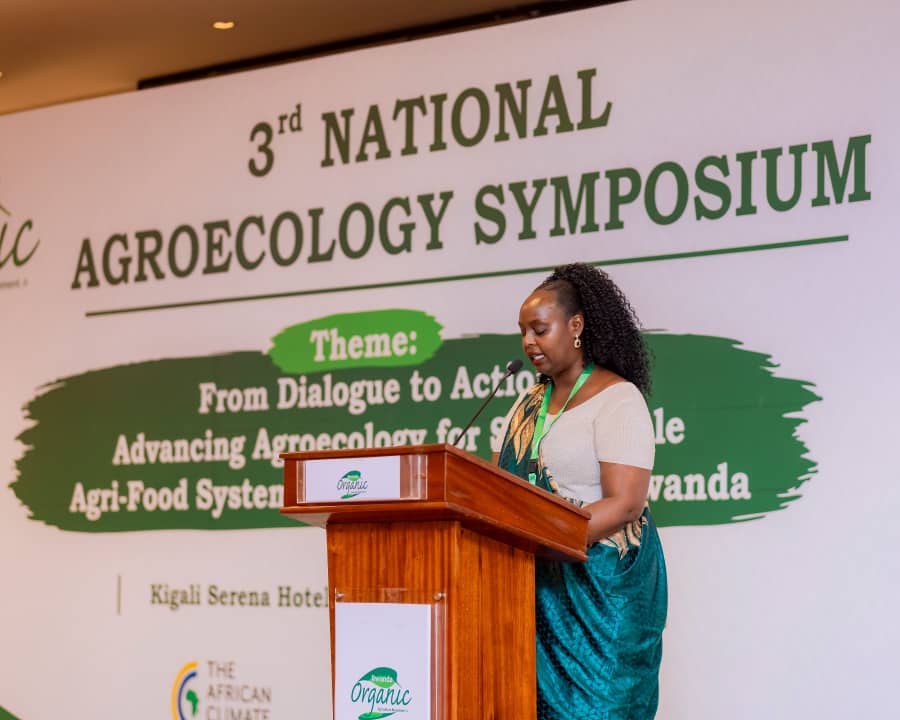
Lisa Dusabe Chantal, who heads the Rwanda Organic Agriculture Movement (ROAM), an organization involved in promoting organic agriculture, said that properly trained farmers are better positioned to access diverse markets while producing food in ways that minimize risks to human health and the environment.
She emphasized that farmers who adhere to appropriate organic production standards can produce agricultural commodities that meet stringent quality and safety requirements.
Izamuhaye Jean Claude, an official working with the Rwanda Agriculture and Animal Resources Development Board (RAB), said agroecological farming can be particularly beneficial to farmers who keep livestock because they have relatively easier access to organic manure.
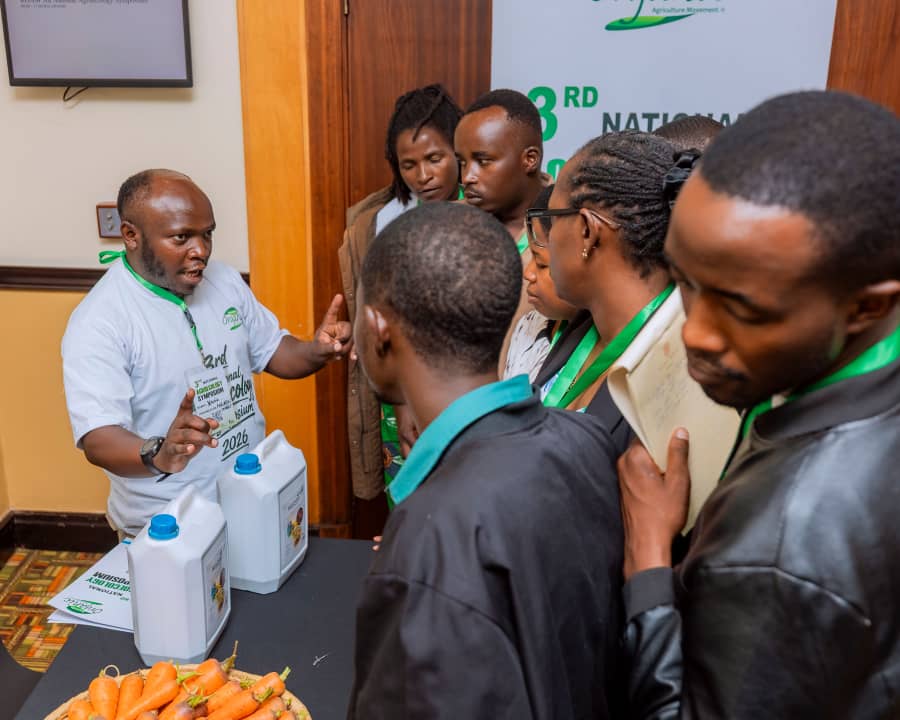
He added that farmers can also turn manure production and management into an economic activity by learning how to process and multiply organic fertilizers on a larger scale.
“It is a modern agricultural approach that can deliver encouraging yields. Once a farmer has been trained and certified to practice this form of agriculture, market opportunities can become more accessible, as the organizations providing the training also support farmers in connecting with potential buyers,” he said.
The experts also encouraged farmers to consolidate their land through the FOBASI approach, arguing that land consolidation can increase production by enabling farmers to cultivate larger, more coordinated areas and plant greater quantities of crops.
The discussions underscored the importance of combining farmer training, organic soil fertility management, certification, coordinated production and market linkages if agroecology is to contribute more substantially to sustainable livelihoods and Rwanda’s agricultural value chains.