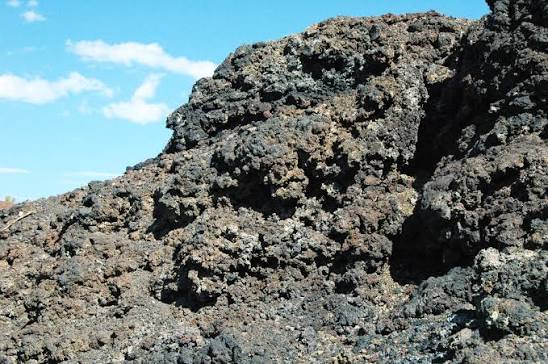
Volcanic Rocks: A geological heritage that chronicles earth’s history, sustains ecosystems, and drives sustainable tourism
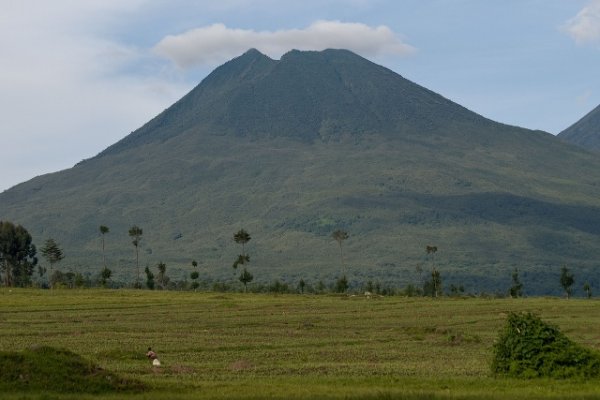
While many visitors to Northern Rwanda are captivated by the mountain gorillas, the twin lakes of Burera and Ruhondo, and the majestic Virunga Volcanoes, there exists another remarkable natural asset that often receives far less attention despite its profound scientific, environmental, and economic significance.
This treasure lies within Rwanda’s diverse geological formations and rock assemblages, which serve as invaluable archives of Earth’s evolutionary history.
Geologists frequently describe rocks as the planet’s “natural archives” because every rock formation preserves evidence of the dynamic geological processes that have shaped the Earth over millions and even billions of years. Each rock type provides insights into ancient tectonic activity, volcanic eruptions, climatic conditions, and biological evolution.
Rwanda is strategically situated within the East African Rift System, one of the world’s most significant tectonic features. This geologically active region has been shaped by continental rifting, volcanism, mountain building, and the formation of lakes and valleys that continue to influence the landscape today.
Volcanic Rocks, Sedimentary Deposits, and Metamorphic Formations: Understanding Rwanda’s Geological Diversity
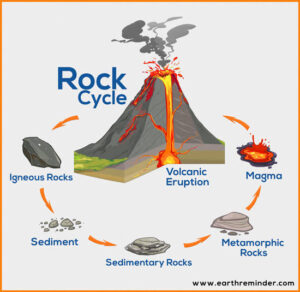
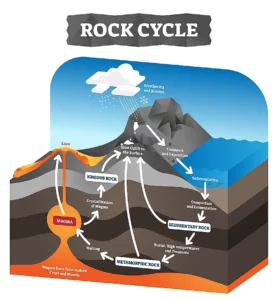
According to Cedric Nsengiyumva, a lecturer at the School of Mining and Geology, University of Rwanda, all rocks on Earth are broadly classified into three principal categories: igneous rocks, sedimentary rocks, and metamorphic rocks.
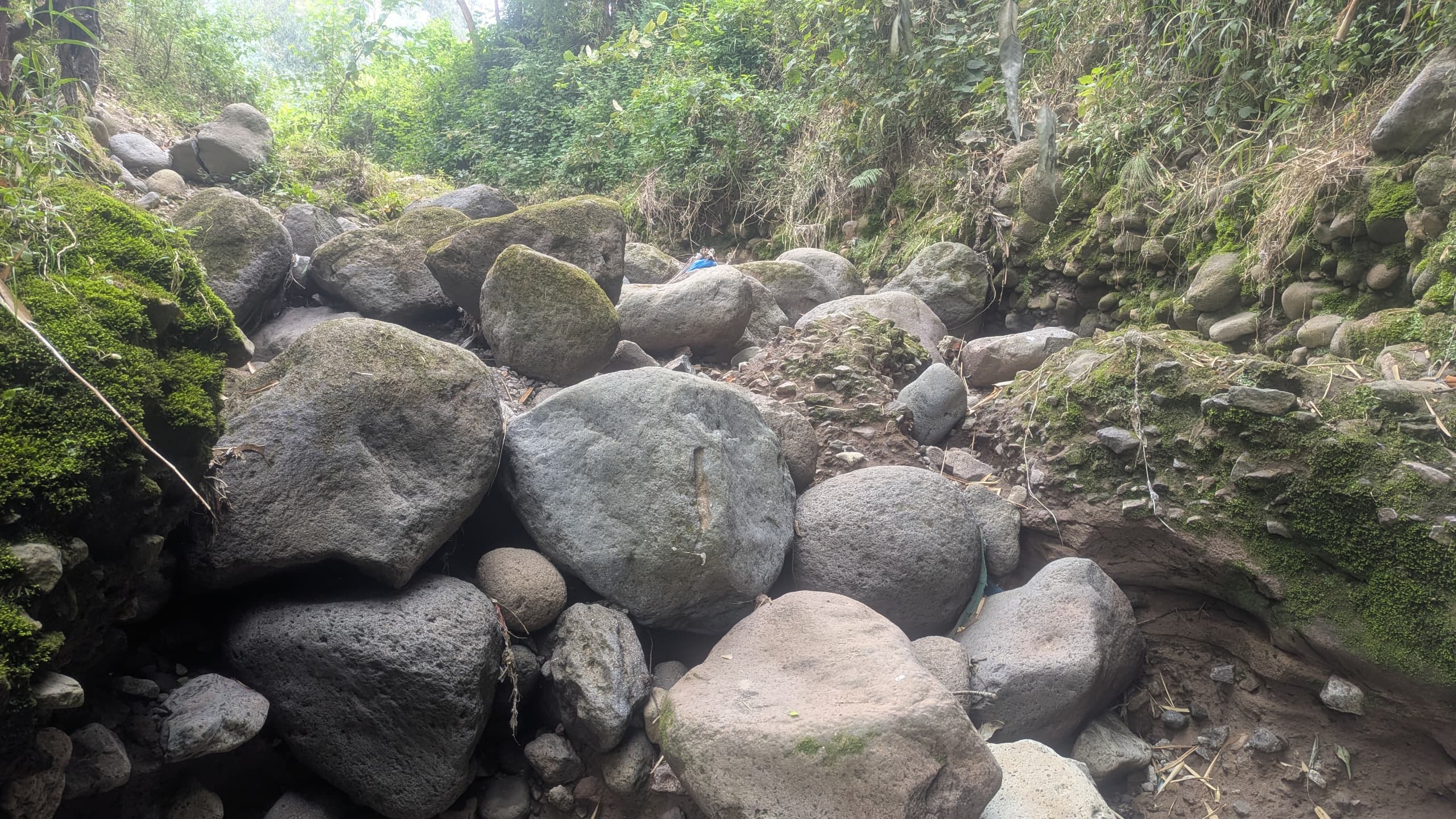
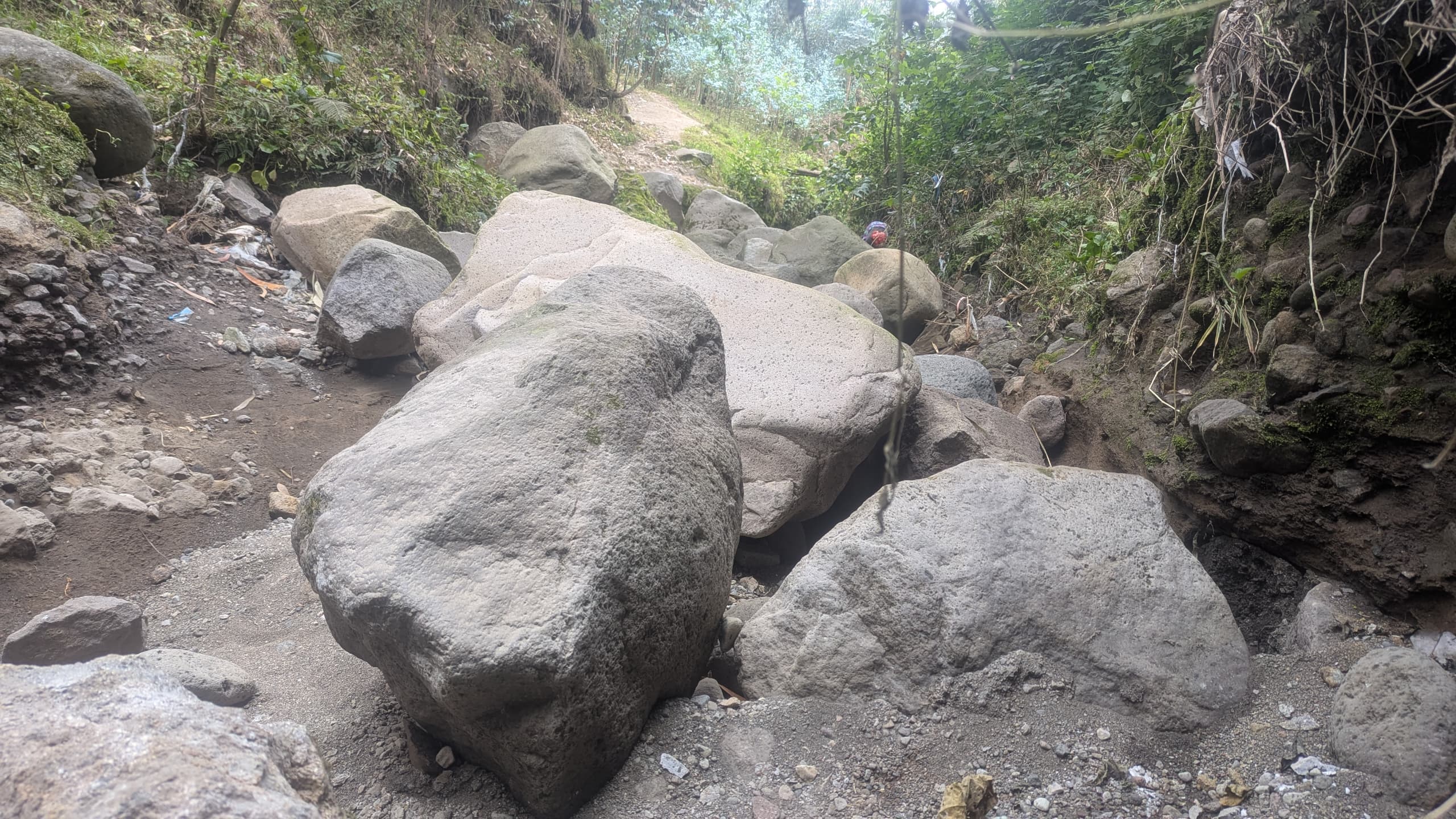
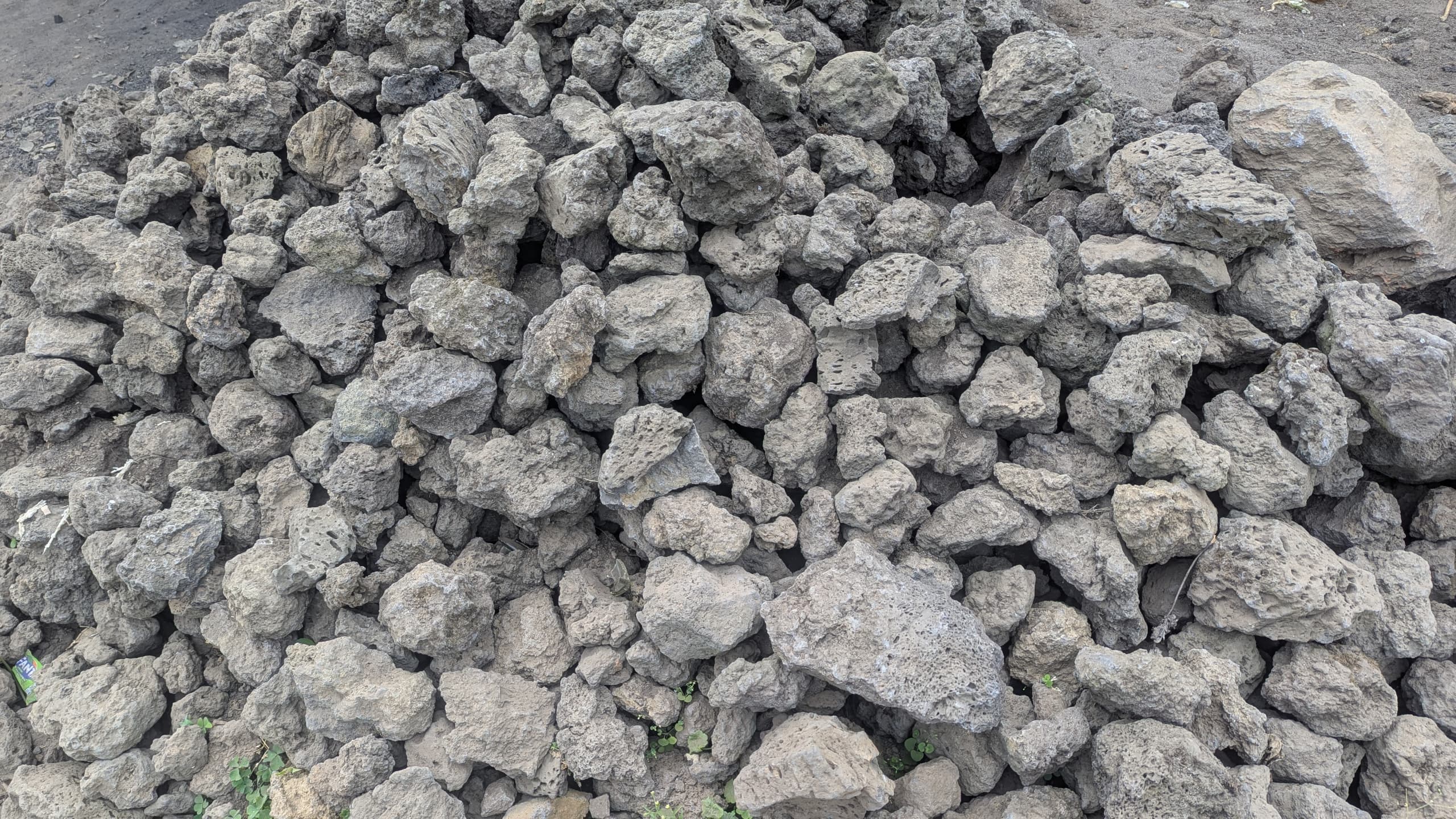
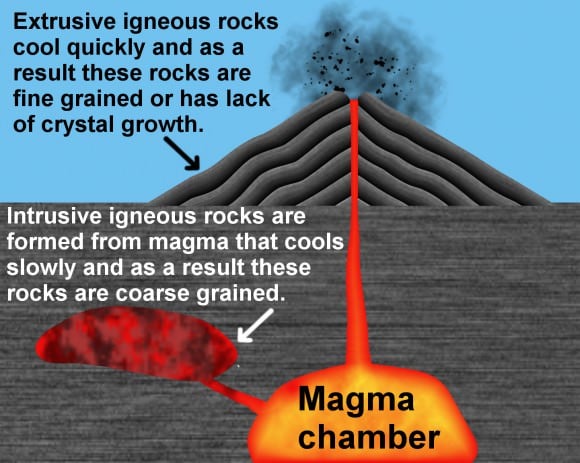
He explains:”Volcanic rocks originate from volcanic activity. When a volcano erupts, molten rock known as magma or lava is expelled onto the Earth’s surface. As this material cools and solidifies, it forms igneous rocks. Although the volcanoes of Northern Rwanda are currently dormant, the geological products of their past eruptions have solidified into the volcanic rocks we observe today.”
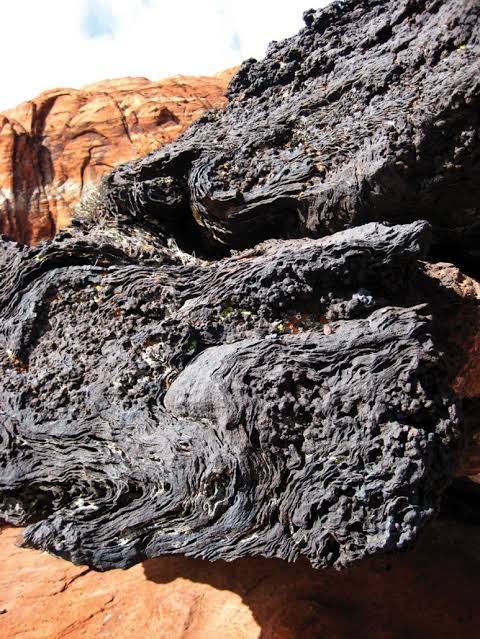
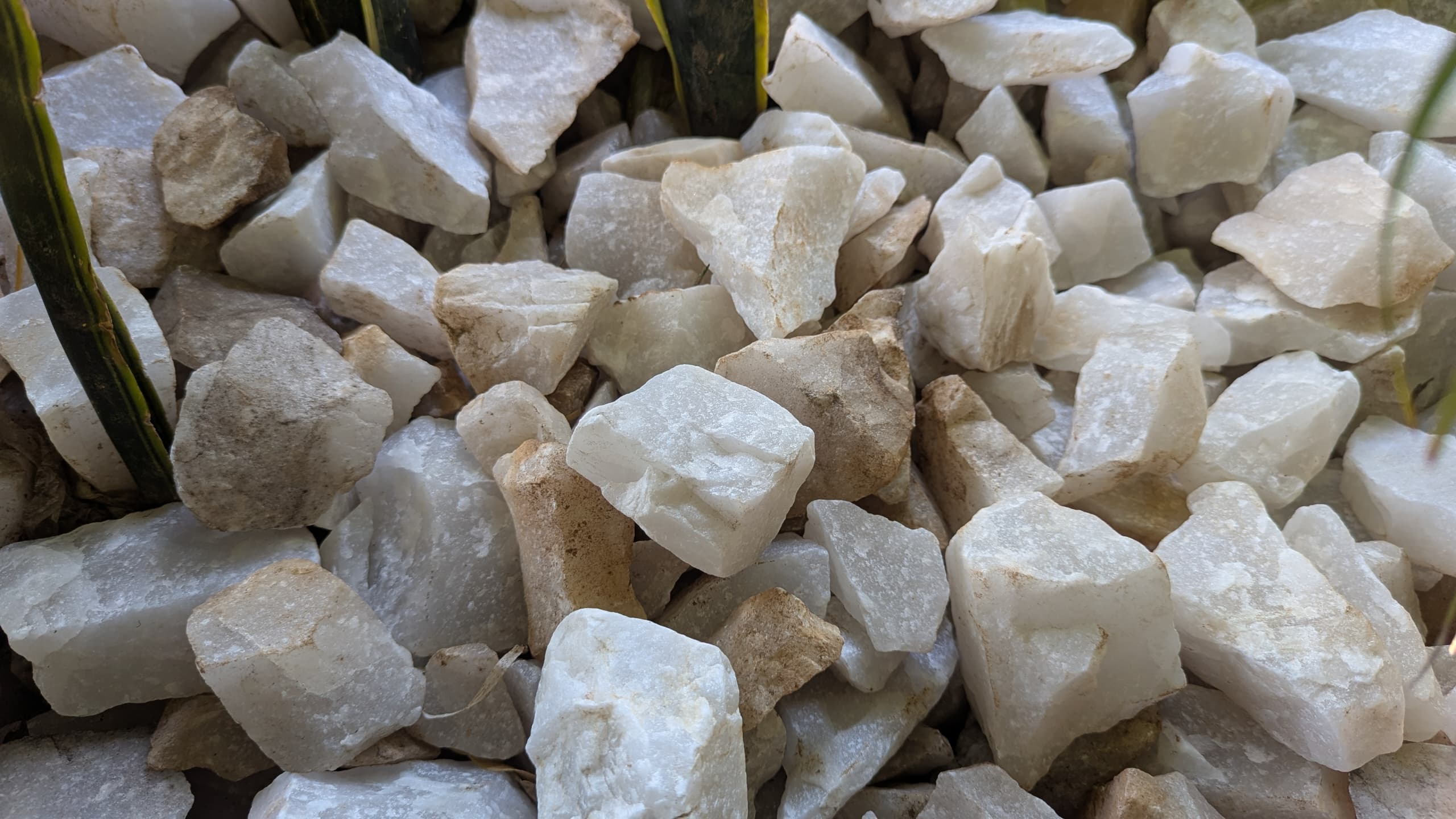
Northern Rwanda is particularly renowned for its abundance of volcanic rocks such as basalt and other dark-colored mafic formations generated through the cooling and crystallization of magma.
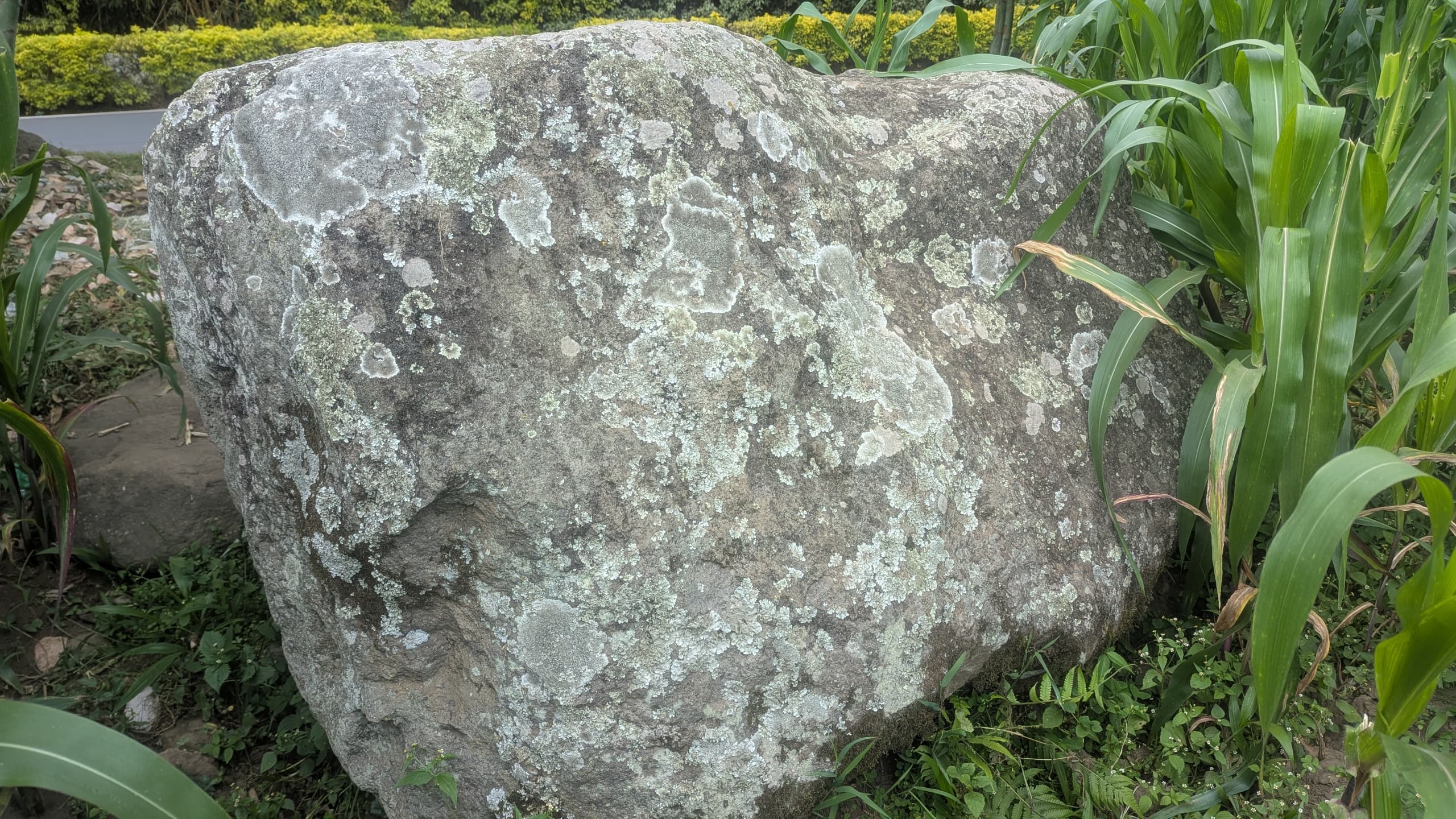
Elsewhere in the country, geological formations include granite, gneiss, schist, quartzite, and numerous other rock types that preserve evidence of some of the Earth’s most ancient geological events.
Nsengiyumva further explains that sedimentary rocks are formed through the gradual accumulation of mineral particles, organic matter, and weathered rock fragments in lakes, river basins, and other depositional environments. Over geological timescales, these materials become compacted and cemented, eventually forming sedimentary rock strata.
He notes:”These rocks are essentially the products of accumulated sediments. Because they often contain the remains of ancient plants and organisms, they can, under specific conditions of temperature and pressure over millions of years, contribute to the formation of petroleum and other fossil fuel resources.”
Regarding metamorphic rocks, he explains that these originate when pre-existing rocks are subjected to intense heat, pressure, and tectonic forces over extended periods, causing profound changes in their mineralogical composition and structural characteristics.
Geological research indicates that some of Rwanda’s rock formations particularly those associated with the Karagwe-Ankole Belt,may be between one and one-and-a-half billion years old.
In contrast, the volcanic formations associated with the Virunga Mountains are relatively recent, linked to the tectonic evolution of the East African Rift, which began approximately 22 million years ago.
The Critical Role of Rocks in Agriculture, Hydrology, and Environmental Sustainability
Beyond their value in reconstructing Earth’s geological history, rocks play a fundamental role in supporting human livelihoods and ecological systems.
Nsengiyumva emphasizes that volcanic soils derived from weathered volcanic rocks are exceptionally rich in naturally occurring nutrients essential for plant growth.
He explains:”Crop productivity is directly influenced by soil fertility. Volcanic rocks contain a wide spectrum of mineral nutrients within their geochemical composition. This is why the soils of Northern Rwanda are remarkably fertile. In many cases, they naturally contain elements similar to those found in commercial fertilizers.”
This geological advantage contributes significantly to the high agricultural productivity observed in districts such as Musanze, Burera, and Nyabihu, where crops including potatoes, maize, wheat, and various horticultural products thrive.The lecturer further highlights the role of rocks in natural water filtration processes.
“As rainwater percolates through rock formations, many suspended particles such as sediments and organic debris are filtered out. While rocks cannot eliminate all chemical contaminants, they play a crucial role in improving water quality through natural filtration mechanisms.”
He argues that rocks constitute the foundational framework upon which all ecosystems depend.”Rocks are the fundamental infrastructure of the environment. Soil requires a substrate upon which to develop. A rock can exist without vegetation, but vegetation cannot exist without an underlying geological foundation.”In addition to supporting agriculture and water resources, rock formations host Rwanda’s mineral wealth, including economically important deposits of cassiterite (tin ore), coltan (tantalum-bearing ore), wolframite (tungsten ore), gold, and numerous other strategic minerals that contribute significantly to the national economy.
Geotourism and Geoparks: Emerging Frontiers for Sustainable Tourism Development
While Rwanda has achieved global recognition for wildlife touris,—particularly mountain gorilla conservation,experts believe that geotourism represents an emerging sector with substantial untapped economic potential.
Nsengiyumva argues that the country’s volcanic landscapes, geological formations, and lake systems possess unique scientific and educational value capable of attracting researchers, students, and tourists from around the world.
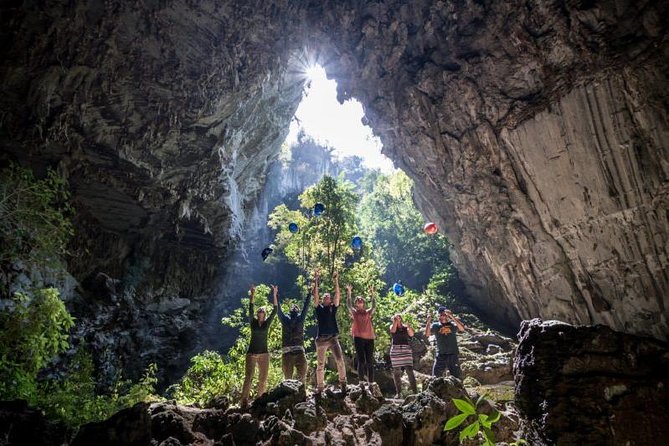
He states:”Visitors should not come solely to observe gorillas. They should also explore the volcanic rocks, geological formations, and landscapes that reveal the evolutionary history of this region. Such experiences promote scientific inquiry and deepen understanding of how volcanoes, lakes, and rock formations developed over geological time.”
Telesphore Ngoga, an official within the conservation division of the Rwanda Development Board (RDB), notes that geology frequently serves as a major source of curiosity among international researchers visiting Rwanda.
He explains:”Many visitors seek to understand why certain plant species thrive in specific environments, why some animals exhibit particular ecological preferences, and how lakes, mountains, and landscapes were formed. All these questions are fundamentally linked to geology.”
He further emphasizes that ongoing efforts to secure UNESCO Global Geopark status for Rwanda’s Northern Province will significantly enhance scientific research, conservation initiatives, and public awareness of the region’s geological heritage.
“These rock formations, volcanoes, lakes, and other geological features will continue to be studied extensively. Future research may reveal previously unknown aspects of the region’s lakes, mountains, and subsurface geological structures.”
This perspective is shared by Maurice Mugabowagahunde, Governor of Rwanda’s Northern Province, who has stated that the Geopark initiative will facilitate the identification, conservation, and sustainable utilization of numerous natural assets that remain insufficiently studied.
As Rwanda continues to pursue sustainable tourism and environmental stewardship, volcanic rocks and the country’s broader geological heritage should not be viewed merely as inert components of the landscape.
Rather, they constitute an open geological manuscript that narrates the history of our planet, underpins ecological and agricultural productivity, supports economic development through mineral resources, and provides a gateway to innovative forms of science-based tourism. In this regard, Rwanda’s geological heritage represents not only a record of the past but also a strategic resource for the future.