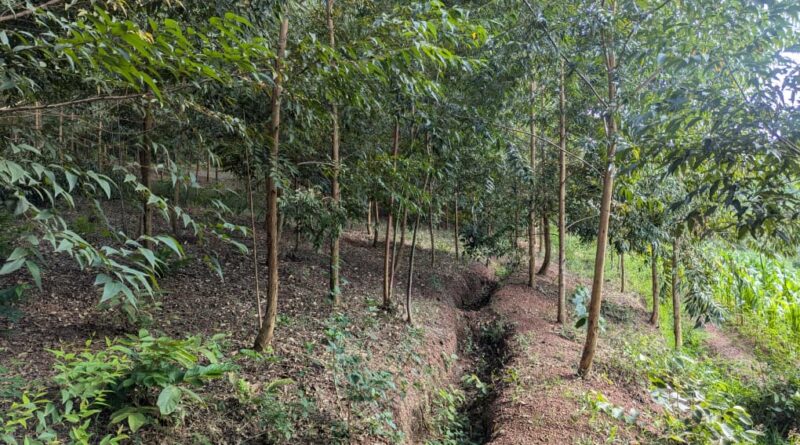
The LCDF3 project will develop 500 hectares of radical terraces and plant forests on 2,000h
Projects implemented under REMA, particularly those aimed at restoring agricultural productivity and protecting the environment to increase yields and build resilience to climate change, are expected to significantly improve the quality of sustainable agriculture in the targeted districts. The interventions also aim to expand forest coverage and rehabilitate degraded areas affected by human activity.
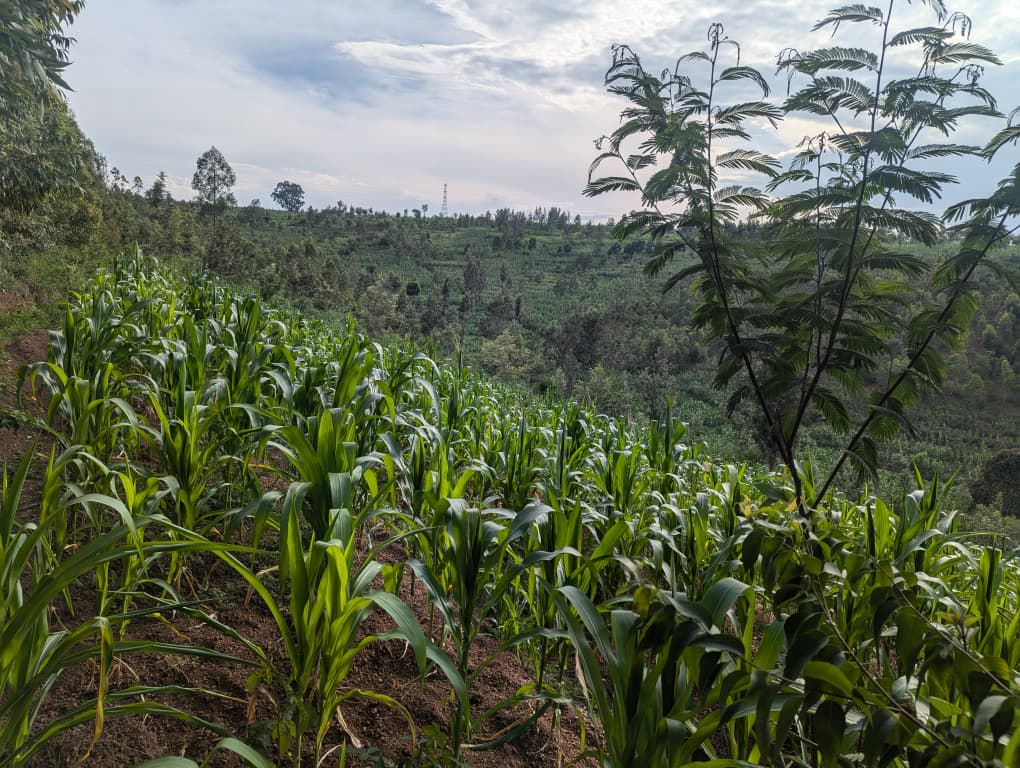
The LCDF3 project, implemented in two districts;Gakenke and Kirehe,has already restored a considerable number of hectares for diversified crop production. This includes constructing terraces and planting trees over vast stretches of land to curb soil erosion and improve microclimates.
Charles Sindayigaya, an environmental expert at the Rwanda Environment Management Authority (REMA) and the LCDF3 Project Manager, highlighted the impact the project has had in the beneficiary sectors, particularly in Musaza, where irrigation activities are being undertaken, and in Gatore, where degraded forest land has been rehabilitated.
He explained: “This project comprises three major components. The first focuses on resettling households in a way that strengthens their resilience to climate change. We are expected to build climate-resilient houses for 500 households. So far, we have constructed 220 houses, 180 in Gakenke and 75 in Kirehe.”
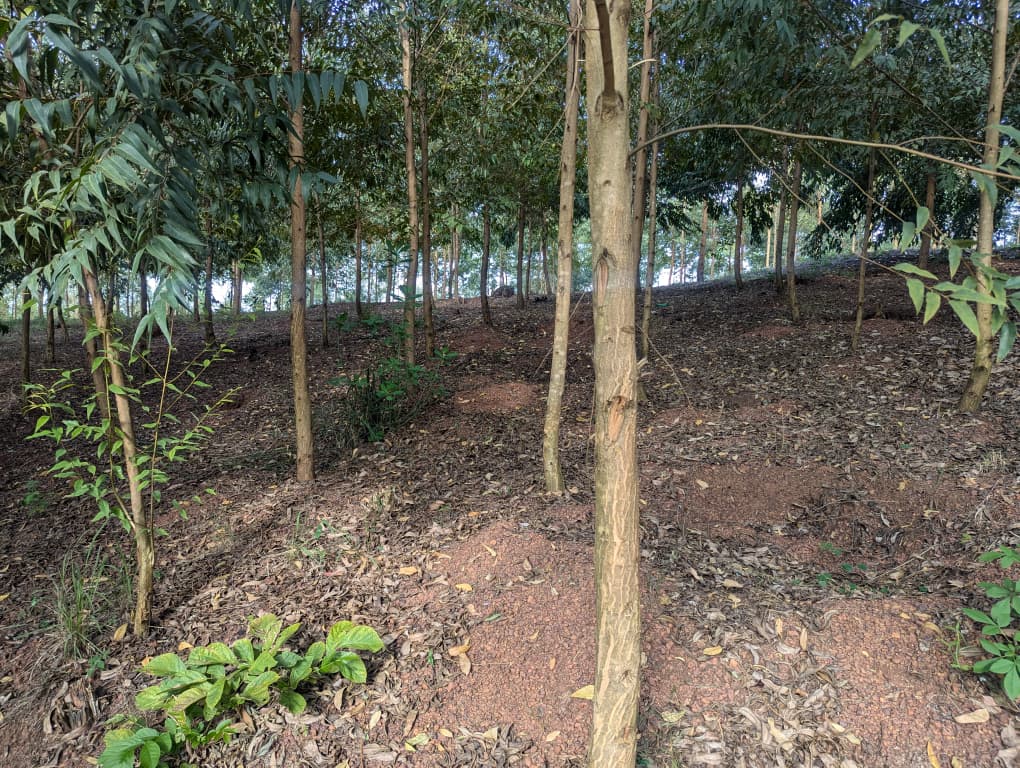
He added: “The second component focuses on restoring degraded landscapes and hillsides. The project targets the construction of 500 hectares of radical terraces, and we have already completed 400 hectares. We have also been planting trees and integrating agroforestry species, and we have so far covered 2,000 hectares.”
Regarding the third component, Sindayigaya stated: “This part concerns the welfare and income of the community (Income Generating Activities). We support cooperatives and farmers to increase productivity and promote value addition. We also plan to distribute improved seeds and introduce crop rotation with new crops such as chili and passion fruit.”
Residents of Musaza and Gatore who spoke to Greenafrica.rw testified that the project has significantly transformed their lives. They are now practicing climate-smart agriculture, protecting the environment, and increasing their agricultural productivity.
Valenci Ntaganda, a farmer from Gicuma Village, Gasarabwayi Cell in Musaza Sector, said irrigation has allowed them to farm more efficiently and increased their yields, whereas in the past they constantly battled drought.
His testimony was echoed by Sylvie Uwingabiye from Muhanda Cell in Gatore Sector, who heads groups working on terraces.
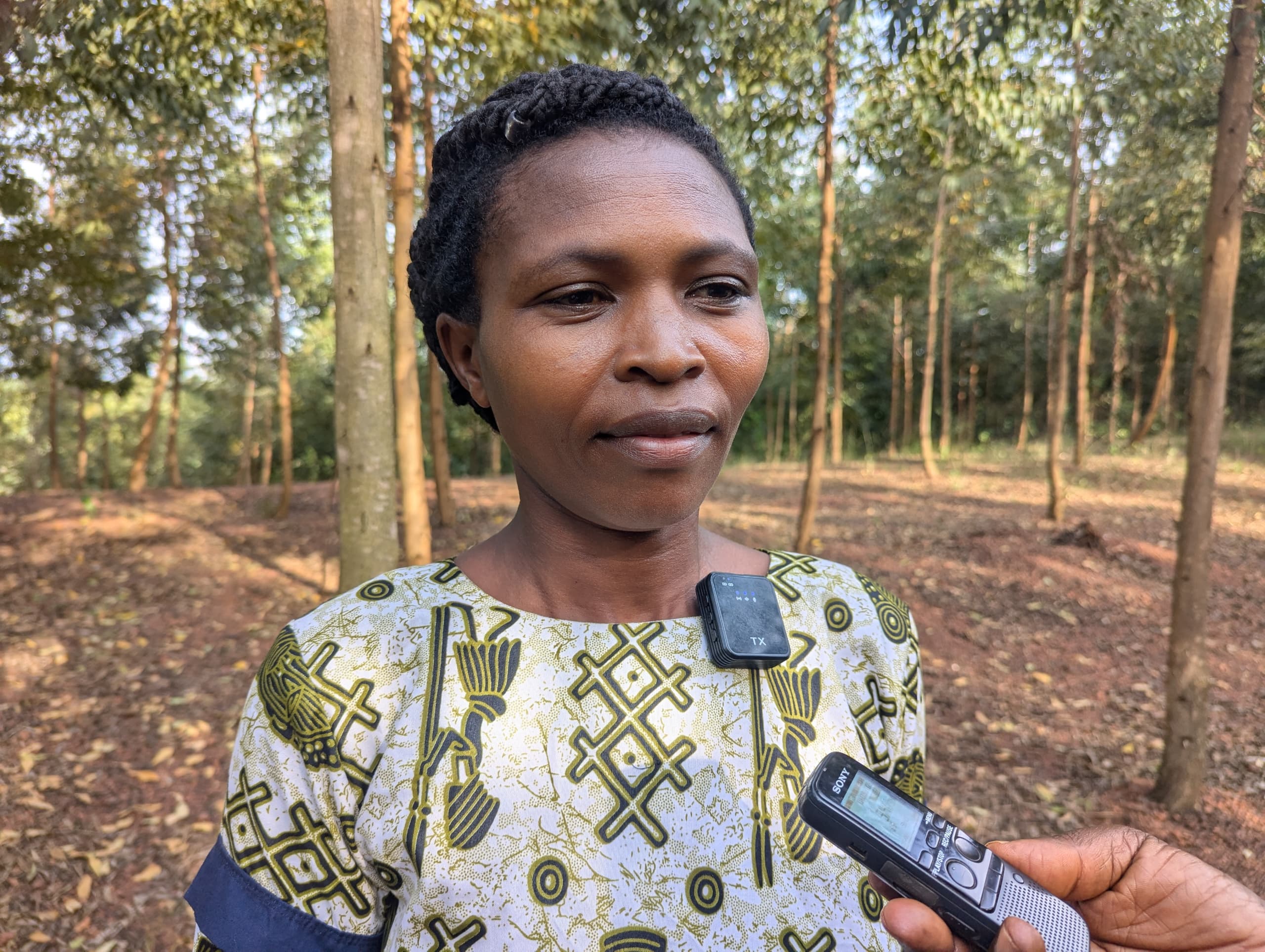
She said: “Before this project intervened, the forest here was degraded and the trees could not grow properly. With support from GEF and the REMA project, terraces have been constructed and the forest has been restored. We now receive more rainfall compared to surrounding areas, thanks to this forest.”
Pacifique Nsengiyumva, Agronomist of Gatore Sector, recalled the challenges they faced before the forest was restored and how the situation has changed since:
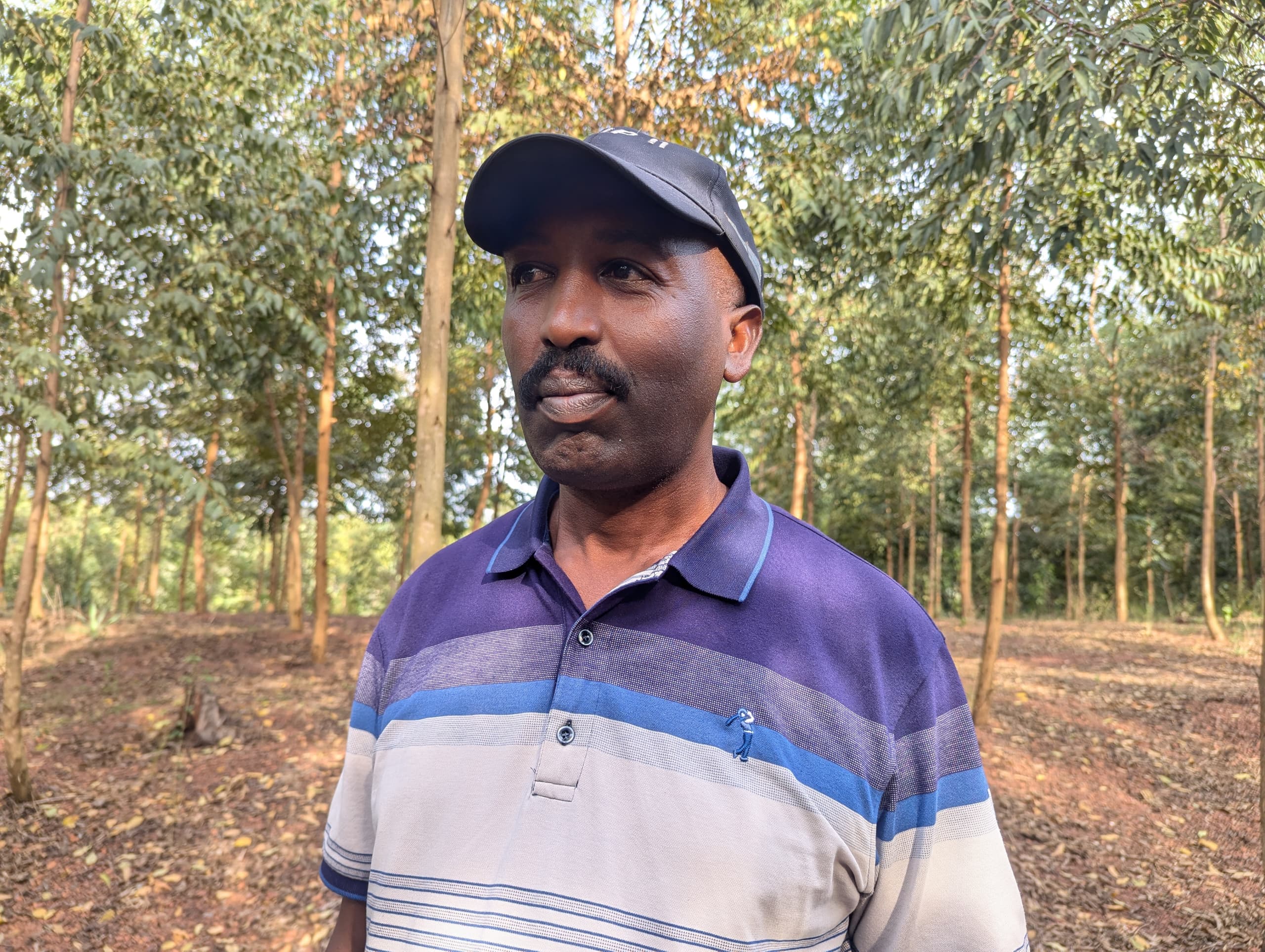
“Before the rehabilitation, the area was highly prone to soil erosion. We selected 100 hectares for radical terraces and later identified 215 hectares for progressive terraces. The forest, previously 23 hectares and shared by 53 households, had become unproductive and degraded. It was necessary to restore it and establish a new forest to ensure the community has sufficient trees while contributing to climate resilience.”
In the same sector, the Red Cross had built a village in 2012 that had since deteriorated, lacking basic infrastructure such as roads and electricity. Thanks to the project, the village has been uplifted: a 2.5 km road was constructed, electricity was provided to 150 households with potential for expansion, and Cash Power meters were installed.
Forty-five households also received rainwater harvesting tanks, and small livestock such as goats and pigs were distributed to boost livelihoods.
Kirehe District Mayor, Bruno Rangira, emphasized the impact of irrigated fields on food production and agricultural expansion.
He stated: “This project has helped us transform the district into a more productive and greener area. Previously, farmers could not cultivate without rainfall, but now they can irrigate their fields throughout all seasons, and yields have increased significantly.”
The LCDF3 project, implemented in Gakenke and Kirehe Districts, is valued at $8,500,000. Its activities include the construction of radical and progressive terraces, forest restoration and reforestation, agroforestry, relocating families from high-risk zones, and providing essential infrastructure such as electricity, water, and rainwater harvesting systems to prevent soil erosion and improve livelihoods.
Overall, the project has played a critical role in helping farmers transition to more productive and sustainable agriculture, diversify their crops, increase yields for market supply, and expand access to agricultural training, including seed multiplication for crops like potatoes and vegetables.
You’ve made some really good points there. I looked on the net to find out more about the issue and found most individuals will go along with your views on this site.