Rwamagana Farmers to benefit from solar-powered irrigation systems
Farmers in Rwamagana District are optimistic that the adoption of solar-powered irrigation systems will help them cope with the effects of climate change, reduce irrigation costs and increase agricultural productivity, particularly during dry seasons.
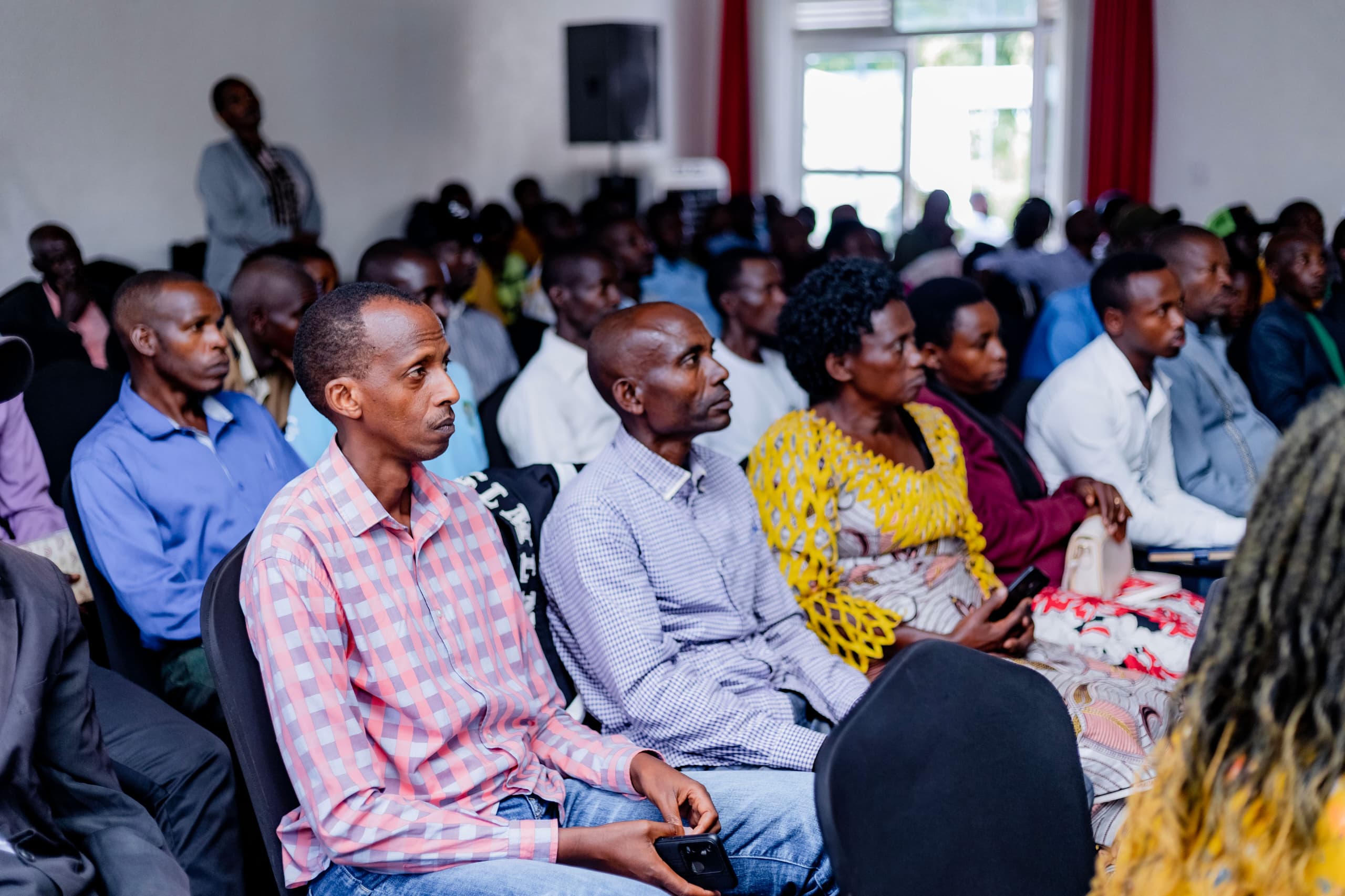
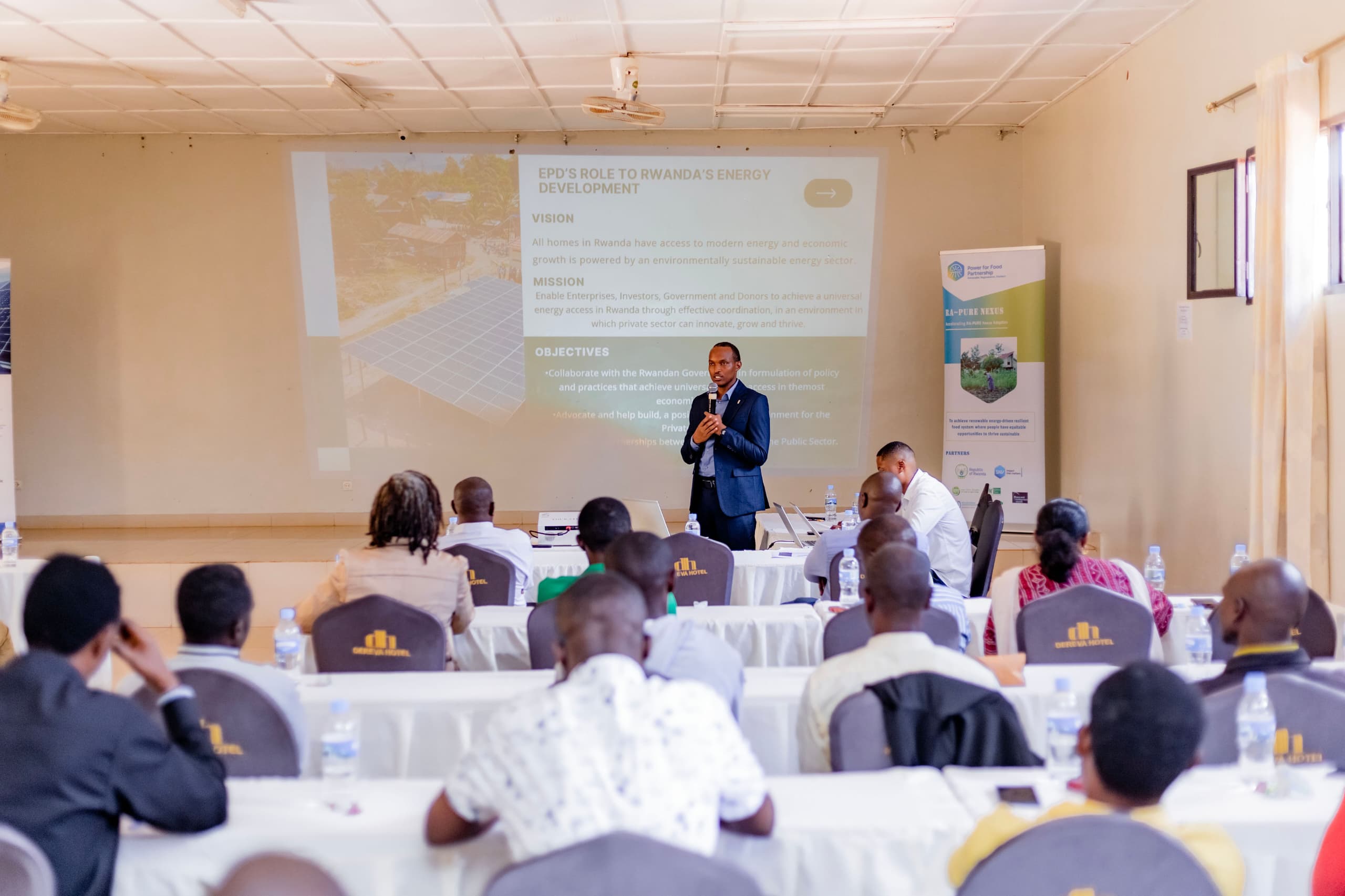
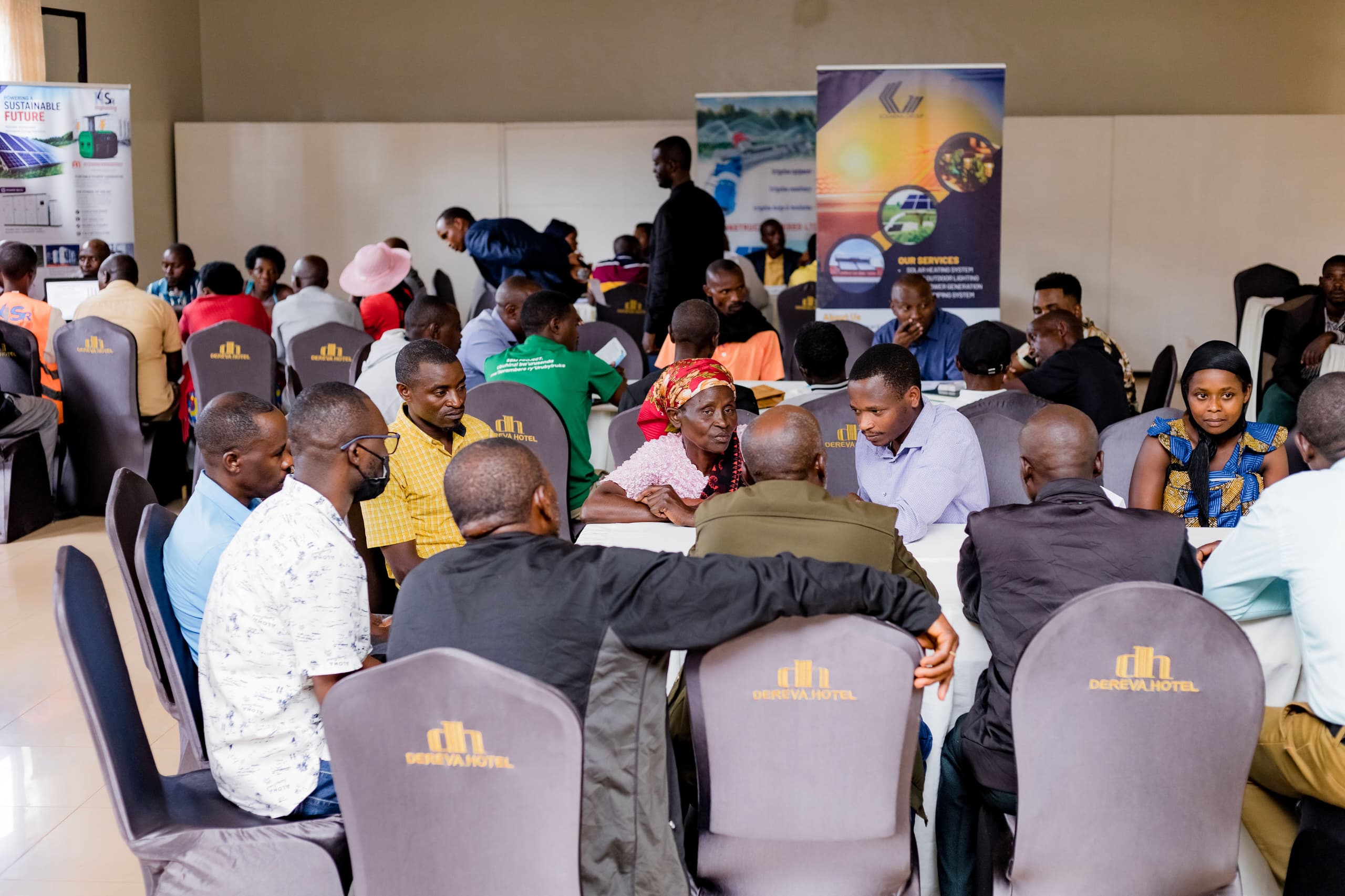
This was highlighted during a training and awareness campaign that brought together farmers, renewable energy equipment suppliers and other stakeholders in the energy sector. The initiative aims to encourage farmers to adopt solar-powered technologies for irrigation and promote climate-smart agriculture.
Alphonse Mutemberezi, a farmer operating in Nyirabidibiri wetland in Rwamagana District, said he cultivates 1.5 hectares of land and relies on water supplied through a nearby reservoir.
He explained that during Season C, which coincides with periods of limited rainfall and intense sunshine, he mainly grows green beans and pepper, making irrigation essential for maintaining agricultural production.
“On this wetland, I cultivate 1.5 hectares. There is sufficient water because we also have a reservoir that supplies it. During Season C, when we experience intense sunshine, we grow green beans and pepper. I am attending this programme on irrigation because it is something we heavily rely on during the dry season,” he said.
He added that solar-powered irrigation systems would make it easier to pump water and distribute it across their farms, particularly because the available water sources are not located close to their cultivated land.
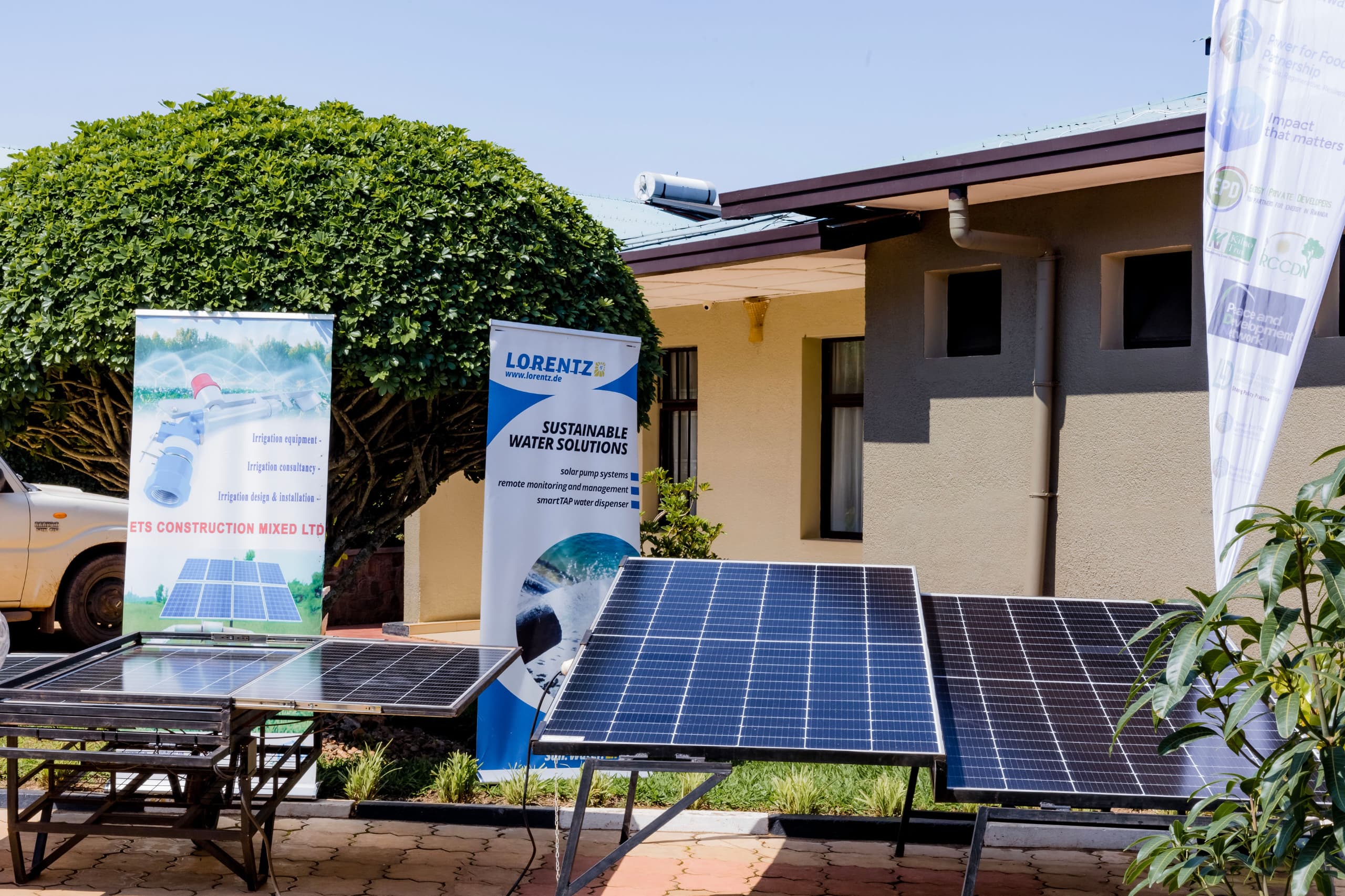
“Solar-powered systems will be very helpful because the water sources we have are not close to our fields. These solar energy technologies will help us pump water and distribute it across our farms. It is also a sustainable approach that contributes to environmental protection,” he said.
Other farmers in Rwamagana also welcomed the introduction of solar-powered irrigation, describing it as a potential solution to the high operational costs associated with conventional irrigation systems. However, they noted that the initial investment required to acquire the equipment remains a major challenge for individual farmers.
Providance Mbonyimana, a farmer operating in Gishari Sector, said farmers currently depend on diesel- and petrol-powered water pumps, which significantly increase production costs.
“Normally, we use pumps powered by diesel and petrol, particularly when rainfall is insufficient. One of the major challenges we face as farmers is the high cost of petroleum products, which means that the money we invest in irrigation can sometimes exceed the returns from our harvests. That is why we believe solar energy will provide a lasting solution, as we will no longer have to keep purchasing fuel to power our irrigation systems,” she said.
She pointed out that although solar-powered irrigation offers significant benefits, the high cost of purchasing the required equipment remains a barrier, with some systems costing more than Rwf1 million.
She called for government support, particularly through subsidies and affordable financing schemes, to ensure that smallholder farmers can also access the technology.
“The main challenge is that purchasing this equipment is not easy because it is expensive. Some systems cost more than Rwf1 million, which is difficult for an individual farmer to afford. We therefore hope the government can introduce support mechanisms to make these technologies accessible to all farmers, enabling us to maintain agricultural production throughout the year,” she said.
Rwamagana seeks to expand access to irrigation
The Vice mayor of Rwamagana District in charge of Economic Development, Rwamunono Richard Kagabo, said the district administration had spent more than seven months working with different partners to develop mechanisms that would enable farmers to access solar-powered irrigation equipment.
He explained that the initiative brings together farmers, irrigation equipment suppliers and financial institutions to facilitate access to loans that can help farmers acquire the necessary technologies.
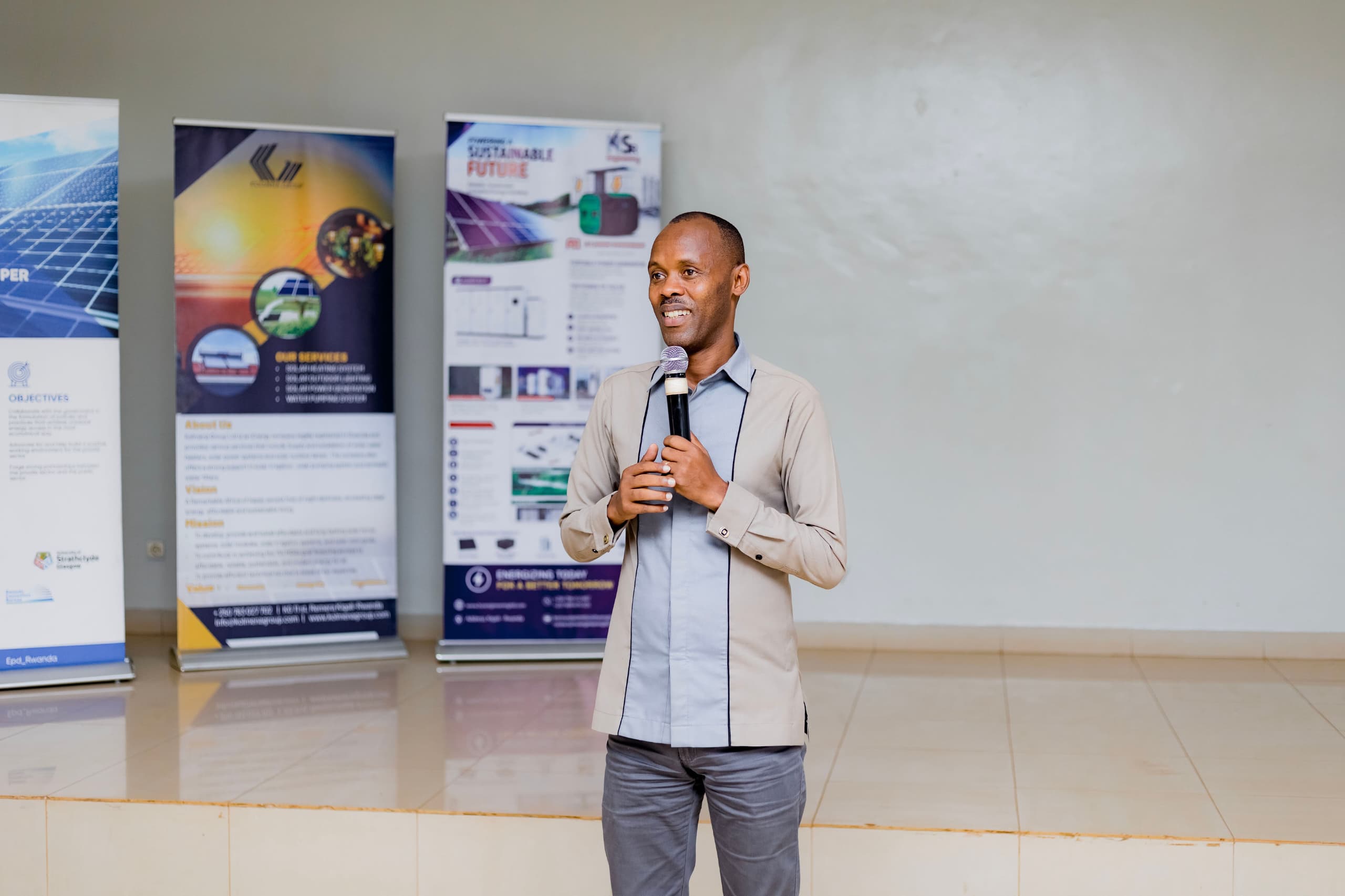
He particularly commended the approach developed by the Energy Private Developers Association (EPD), under which equipment suppliers can facilitate access to financing by providing guarantees to banks. This arrangement allows farmers to acquire irrigation equipment and begin repayment after harvesting.
“I appreciate the approach developed by EPD to help farmers access this equipment. The suppliers are willing to provide guarantees to financial institutions so that farmers do not have to pay the entire cost upfront but can instead start repaying after harvesting,” he said.
Kagabo revealed that Rwamagana District has more than 18,000 hectares of cultivated land, of which approximately 2,000 hectares require expanded irrigation services.
However, fewer than 300 hectares currently benefit from irrigation infrastructure, representing approximately 15 per cent of the land requiring irrigation. This highlights the significant gap that still needs to be addressed to expand access to reliable irrigation services.
He noted that existing irrigation initiatives mainly rely on government-supported water reservoirs and other agricultural development programmes, but their coverage remains limited compared with the actual demand.
The Vice Mayor further identified Nyakariro, Karenge and Nzige sectors, particularly those located near Akagera National Park, as well as Rubona, among the areas most vulnerable to drought.
He warned that increasingly unpredictable weather patterns, including the effects associated with the El Niño phenomenon, continue to threaten agricultural production, making sustainable irrigation solutions increasingly important.
Kagabo also urged farmers to enrol in agricultural insurance schemes to protect themselves against financial losses resulting from extreme weather events and other climate-related risks.
He explained that crop insurance can provide compensation when insured crops are damaged by covered risks, helping farmers recover and maintain their agricultural activities.
Solar energy seen as a driver of sustainable agriculture
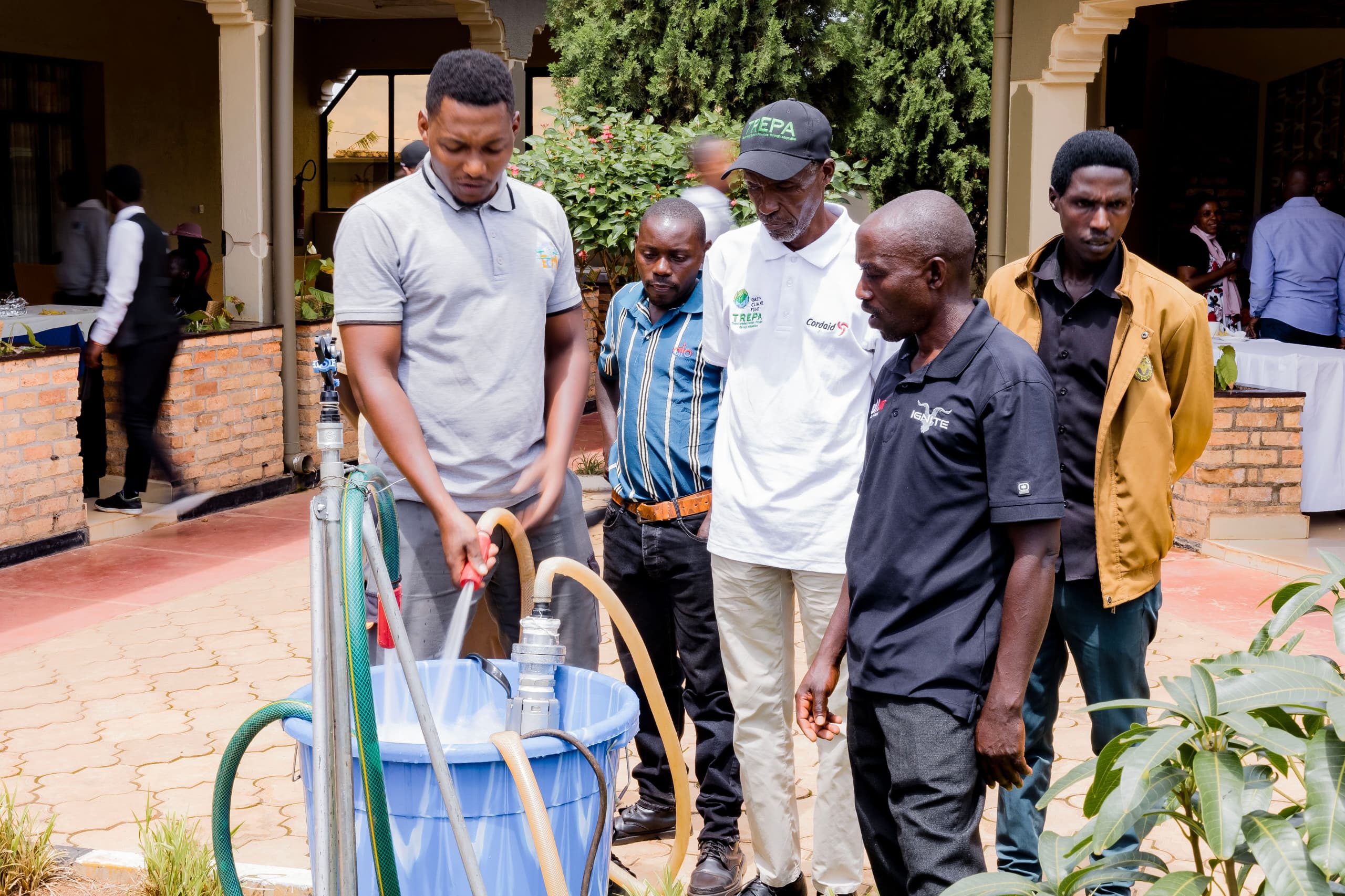
Serge Wilson Muhizi, the head of the Energy Private Developers Association (EPD), said the initiative seeks to bring renewable energy technologies closer to farmers and livestock keepers, enabling them to improve productivity while adapting to climate change.
He explained that the association brings together more than 200 private companies operating in the energy sector, contributing to Rwanda’s efforts to expand access to reliable and sustainable energy solutions.
“Within the electricity sector, there are different areas of intervention, including what we are doing today: bringing solutions based on renewable energy technologies, particularly solar energy, closer to farmers and livestock keepers,” he said.
Muhizi revealed that the initiative is being implemented under the Power for Food Partnership, a programme supported by SNV and operating in four countries: Rwanda, Uganda, Kenya and Ethiopia.
In Rwanda, EPD and its partners are working to ensure that farmers can access technologies that support their day-to-day agricultural activities, increase productivity and strengthen their resilience to climate change.
He emphasised that solar-powered irrigation offers several economic and environmental benefits, particularly by reducing farmers’ dependence on diesel and petrol, which are costly and contribute to greenhouse gas emissions.
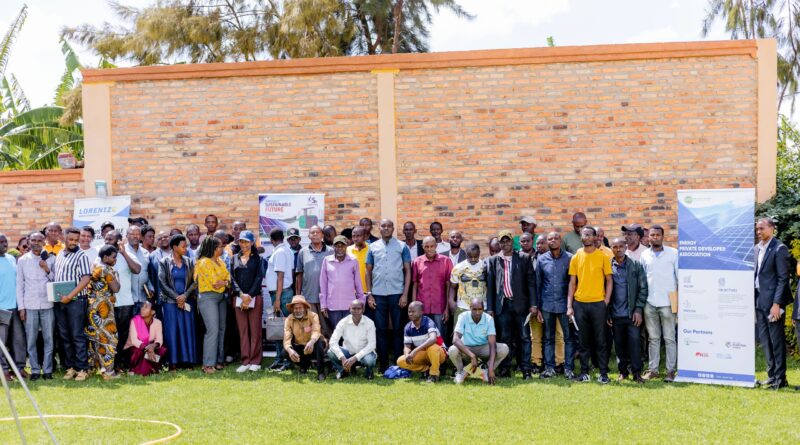
The training and awareness campaign held in Rwamagana District attracted more than 40 participants, including farmers and various stakeholders in the energy and agricultural sectors.
Participants expressed optimism that renewable energy technologies could provide a sustainable solution to the challenges posed by prolonged dry spells, rising production costs and unpredictable rainfall.
The adoption of solar-powered irrigation is expected to contribute to more resilient and sustainable agricultural systems by lowering operational costs, protecting the environment and enabling farmers to maintain production even when rainfall is inadequate.