Musanze: APPE and ESAFF Rwanda intensify efforts to equip farmers sgainst climate change
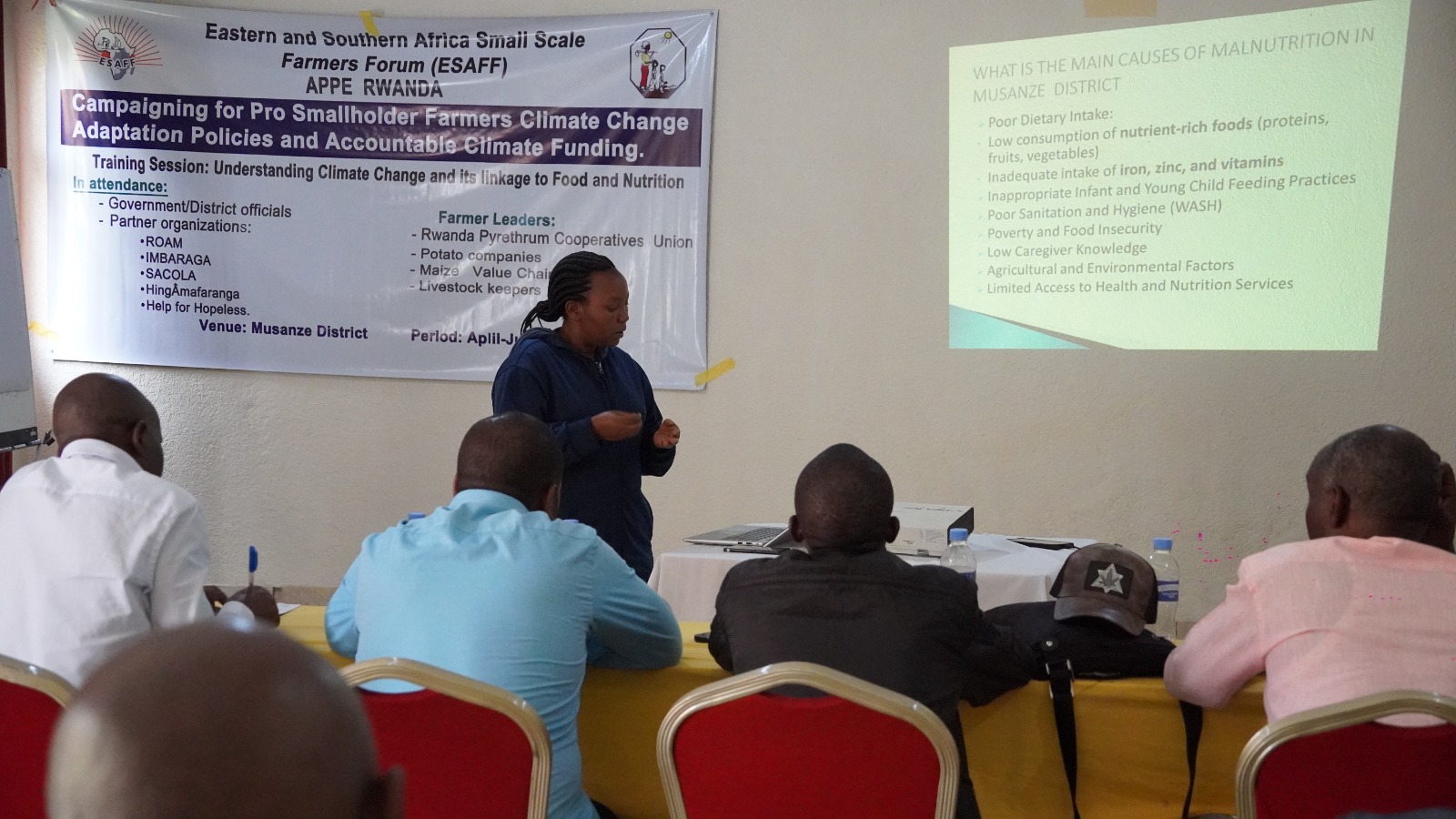
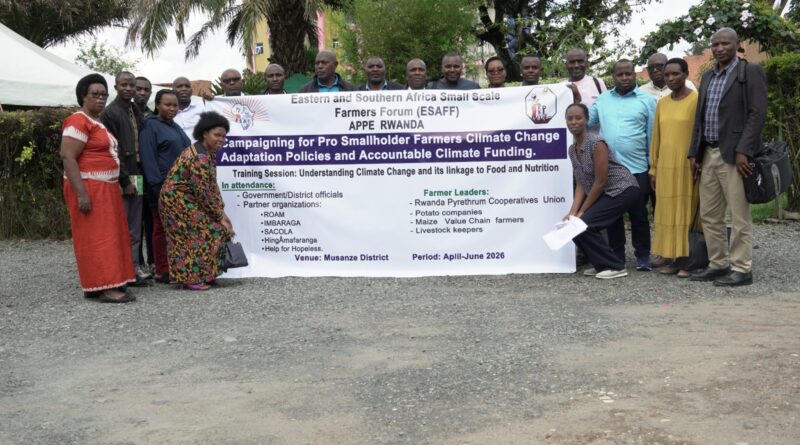
A high-level training workshop on climate change adaptation and environmentally sustainable agriculture was convened in Musanze District, bringing together representatives of farmers’ cooperatives and agricultural initiatives from Musanze and several other districts across the country.
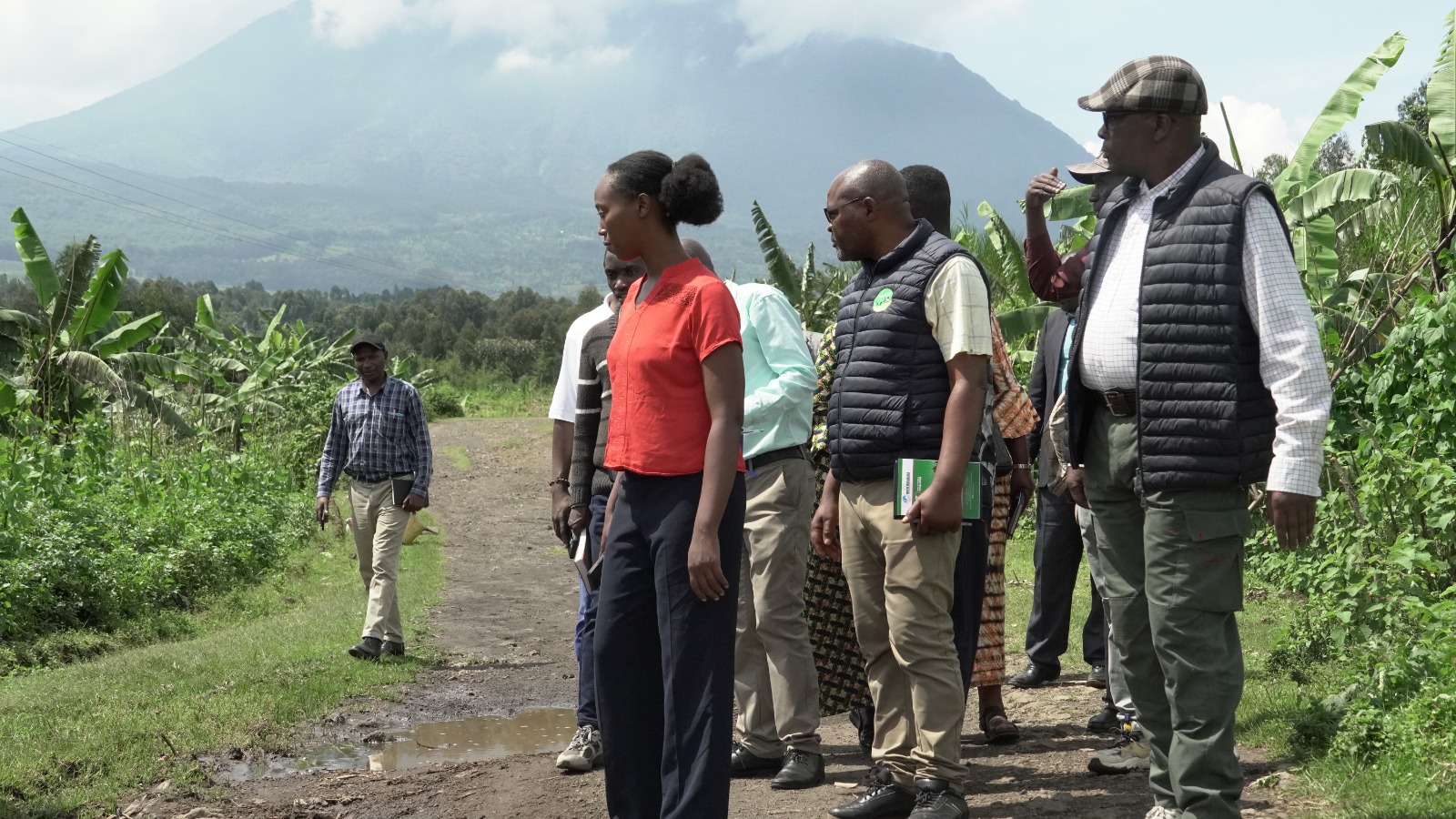
The training was organized by Appui au Paysant Vulnérable pour la Protection de l’Environnement (APPE) in collaboration with Southern African Small-Scale Farmers Forum (ESAFF Rwanda). It sought to strengthen farmers’ capacity to develop resilient and sustainable responses to the escalating impacts of climate change, particularly within the Volcanoes Region, which is frequently affected by runoff waters descending from mountainous terrain, causing soil erosion and severe agricultural degradation.
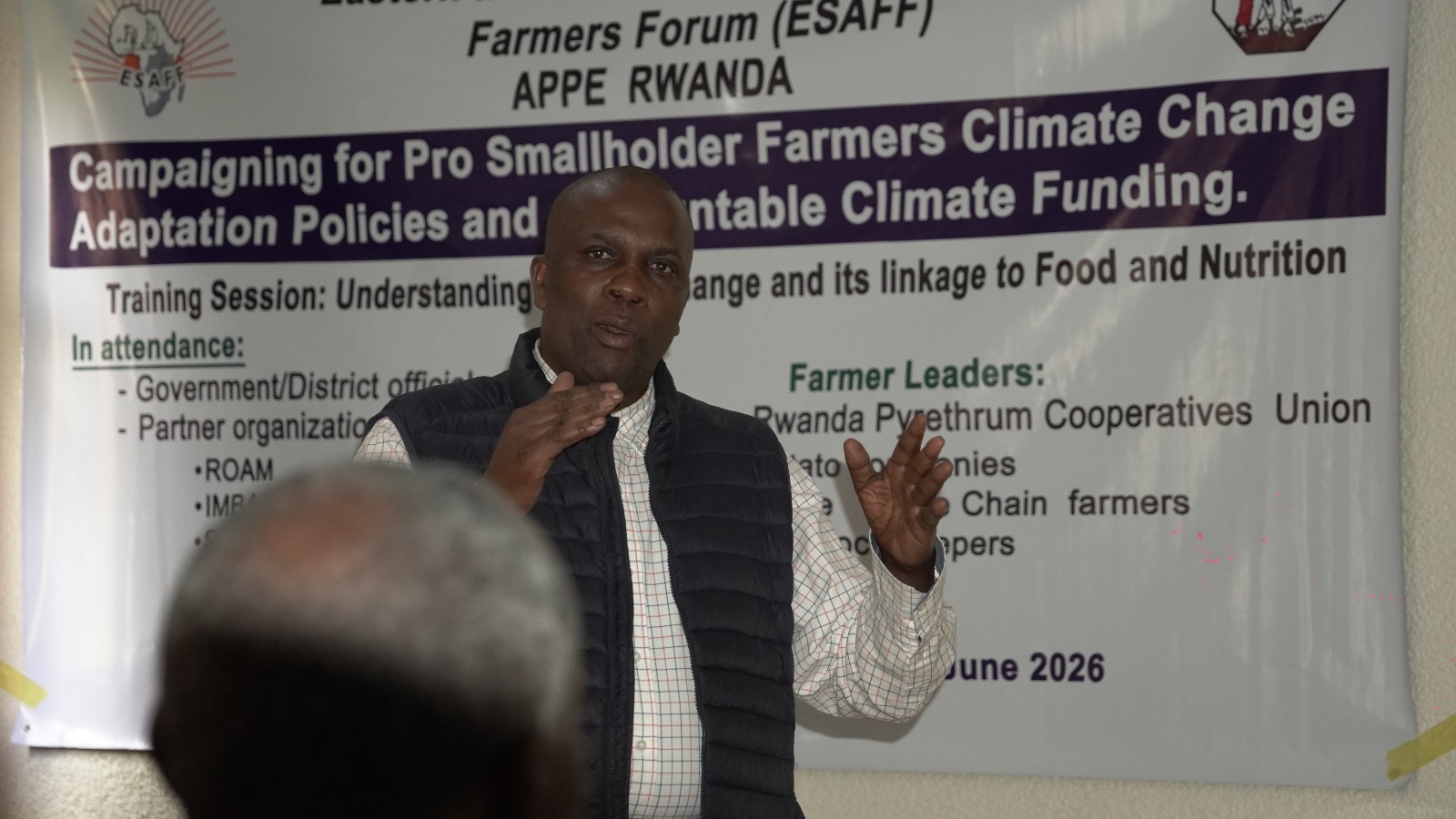
Mpiranya Oscar an APPE’s national coordinator for small-scale farmers in Rwanda,, explained that the initiative was designed to deepen farmers’ awareness of their indispensable role in environmental stewardship and climate resilience.
“We want farmers to understand that environmental conservation is not exclusively the responsibility of the government,” he stated. “Farmers themselves must actively participate in soil preservation, tree planting, and the adoption of sustainable agricultural practices. Government intervention becomes more impactful when farmers themselves are already taking meaningful action.”
Click here to read related article
He further noted that APPE expects the beneficiaries of the training to disseminate the acquired knowledge to fellow farmers within their respective cooperatives and associations, including Rwanda Pyrethrum Cooperatives Union, ROAM, SACOLA, Sabyinyo Community Livelihood Association, IMBARAGA, HingAmafaranga, Help for Hopeness, as well as maize growers, potato farmers, and livestock keepers, with the ambition of reaching more than 10,000 farmers nationwide.
Oscar also referenced the Malabo Declaration, adopted by African nations in 2014, which committed governments to allocating at least 10 percent of national budgets to agriculture.
He commended the Government of Rwanda for prioritizing agricultural investment, while acknowledging that additional progress remains necessary to empower smallholder farmers.
The workshop emphasized several adaptive strategies, including the use of climate-resilient seed varieties, responsible land management, forest conservation, extensive tree planting, and the implementation of innovative environmental protection measures.
Participants were urged to embrace professional and ecologically responsible farming systems capable of preserving soil fertility while enhancing productivity.
The training program is expected to continue through a phased approach involving field visits to farmers’ plots, follow-up coaching sessions, and evaluations aimed at assessing the practical implementation of the knowledge acquired during the initial three-day training session.
Nayiguziki Jonathan, a representative of the Pure Education Program operating in Gakenke District, described the workshop as transformative.
“We realized that agricultural activities can either contribute to environmental destruction or become instruments of environmental protection,” he said. “We gained a deeper understanding of soil conservation, waste segregation, and the conversion of biodegradable waste into organic manure capable of restoring soil fertility.”
He added that participants were also trained in the cultivation of anti-erosion trees and fruit-bearing species that can simultaneously combat malnutrition and improve household incomes.
Nduwimana Jean D’Amascene, an environmental entrepreneur from Nyange Sector engaged in the production of eco-friendly charcoal, affirmed that the training significantly broadened participants’ understanding of sustainable agriculture and livestock farming.
“We learned practical techniques for increasing agricultural productivity through proper soil preparation, the selection of improved seeds, and the protection of fertilizers applied in the fields,” he explained. “Even within limited spaces, farmers can successfully rear small livestock, generating both organic manure and additional income.”
On behalf of Musanze District, Ndahayo Jean, the officer in charge of agriculture and livestock, applauded APPE for organizing what he described as an invaluable training initiative capable of advancing environmentally responsible agriculture while improving productivity.
He encouraged farmers to implement the knowledge acquired and to share it with fellow producers within cooperatives and surrounding communities, emphasizing that environmental protection and soil conservation constitute a collective responsibility.
Across Rwanda, increasing emphasis is being placed on strengthening agriculture and livestock production systems in response to the growing threats posed by climate change. In that context, Minister of Agriculture and Animal Resources Dr Ndabamenye Telesphore recently convened discussions with local government officials focusing on food security and environmentally sustainable agriculture.
The meeting addressed persistent challenges such as land degradation, climatic instability, and the persistently low productivity of smallholder farmers. Dr. Ndabamenye stressed that food self-sufficiency cannot be achieved without prioritizing sustainable agricultural transformation, improved seed utilization, irrigation expansion, and the integration of meteorological information into farming practices.
He further underscored that conservation agriculture plays a pivotal role in safeguarding soil nutrients and ensuring long-term productivity, calling upon local authorities to intensify farmer outreach and facilitate the implementation of climate-responsive agricultural strategies.
Participants in the APPE training concluded that the knowledge and practical skills they acquired would enable them to improve farming practices, reinforce environmental conservation efforts, and enhance agricultural yields, thereby contributing meaningfully to Rwanda’s broader struggle against climate change and the pursuit of sustainable agricultural development.
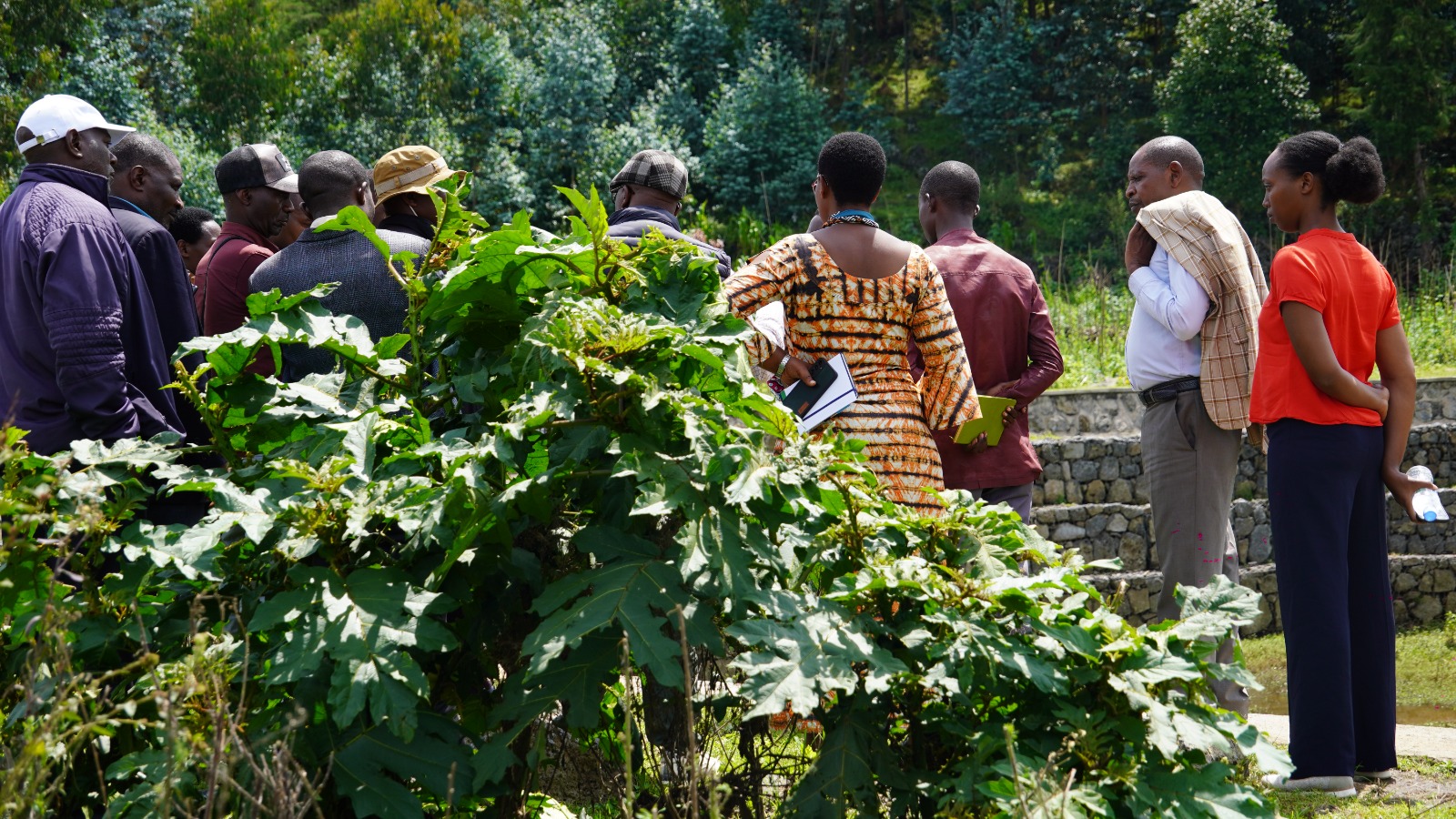
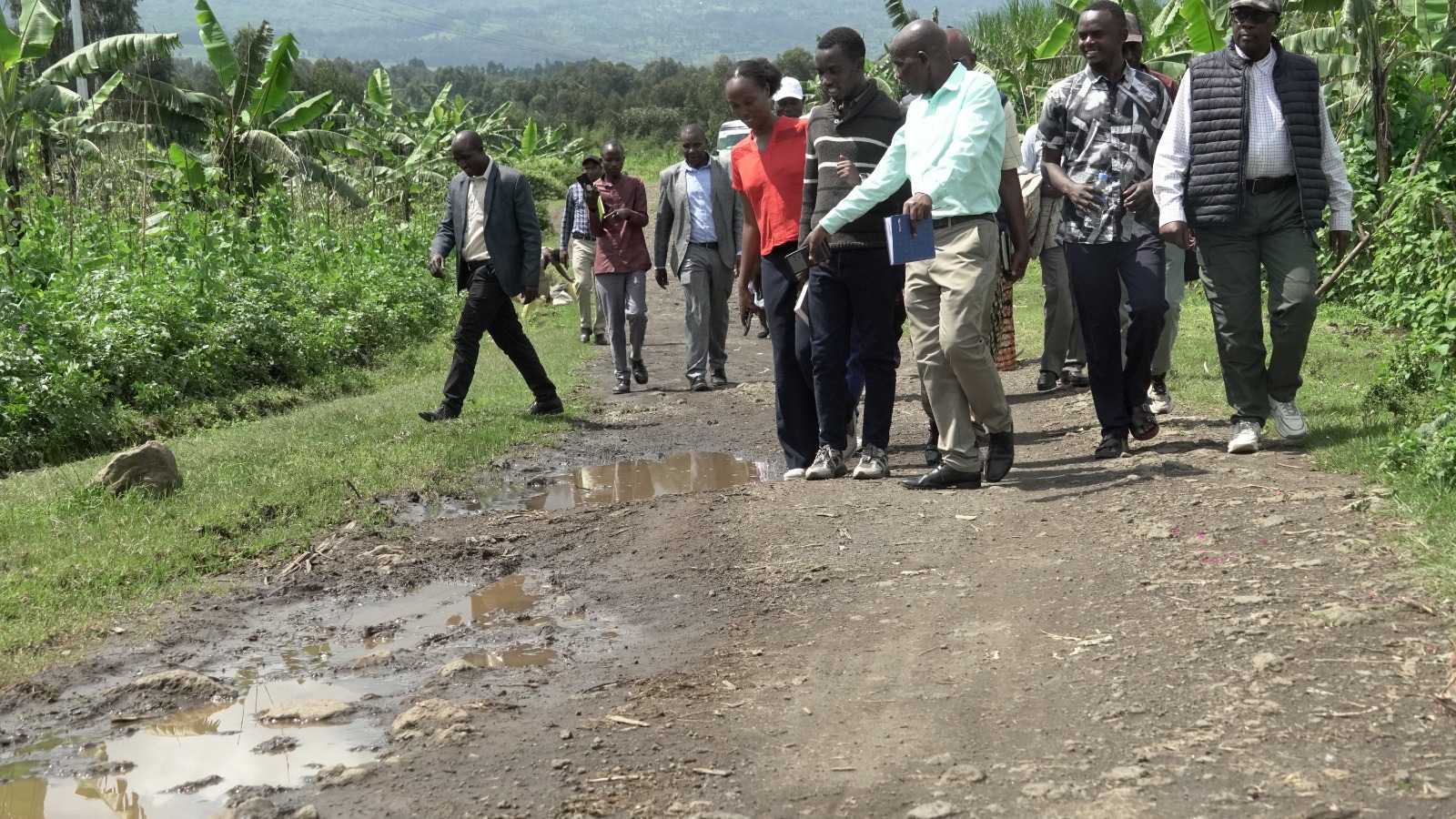
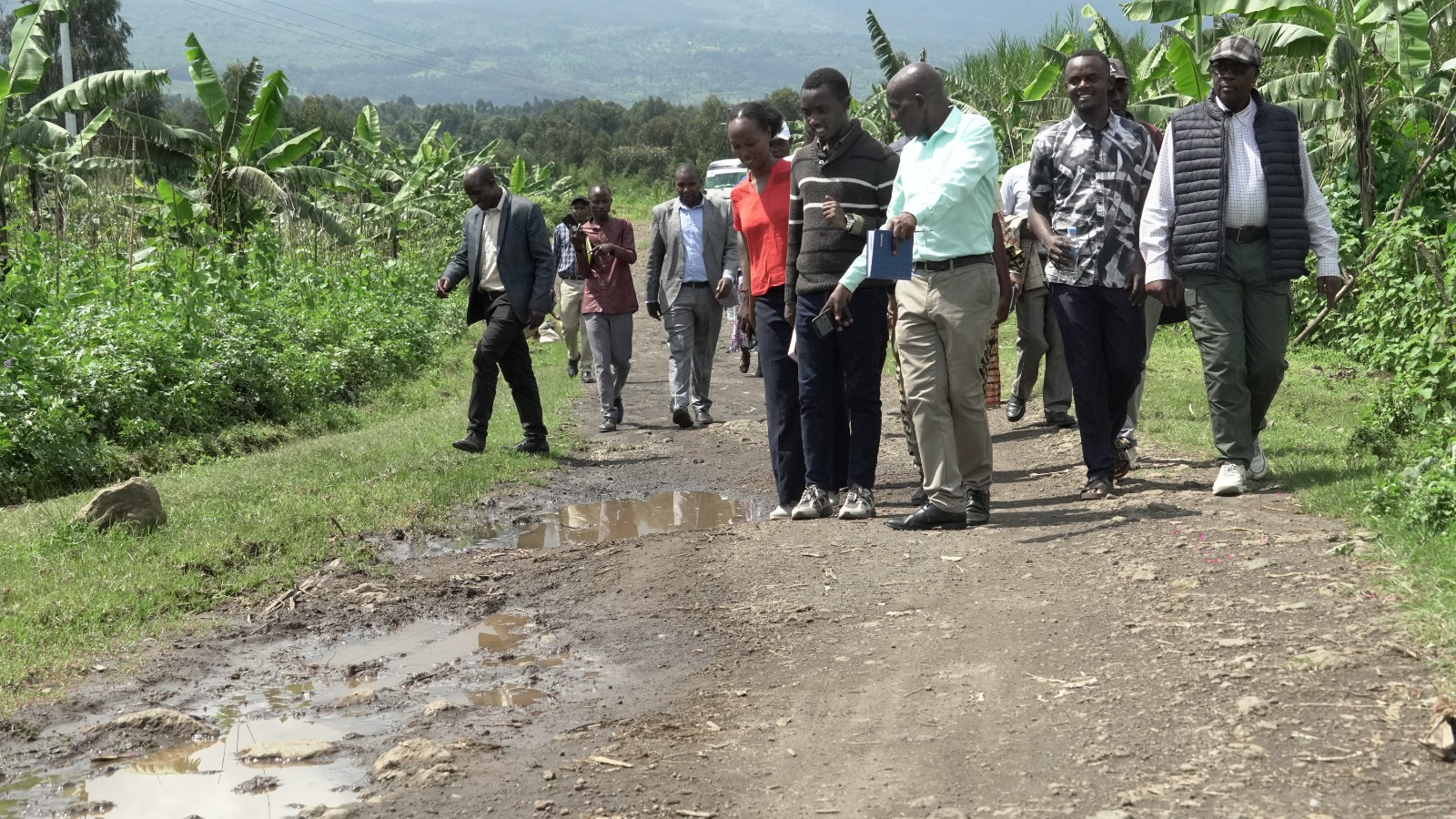
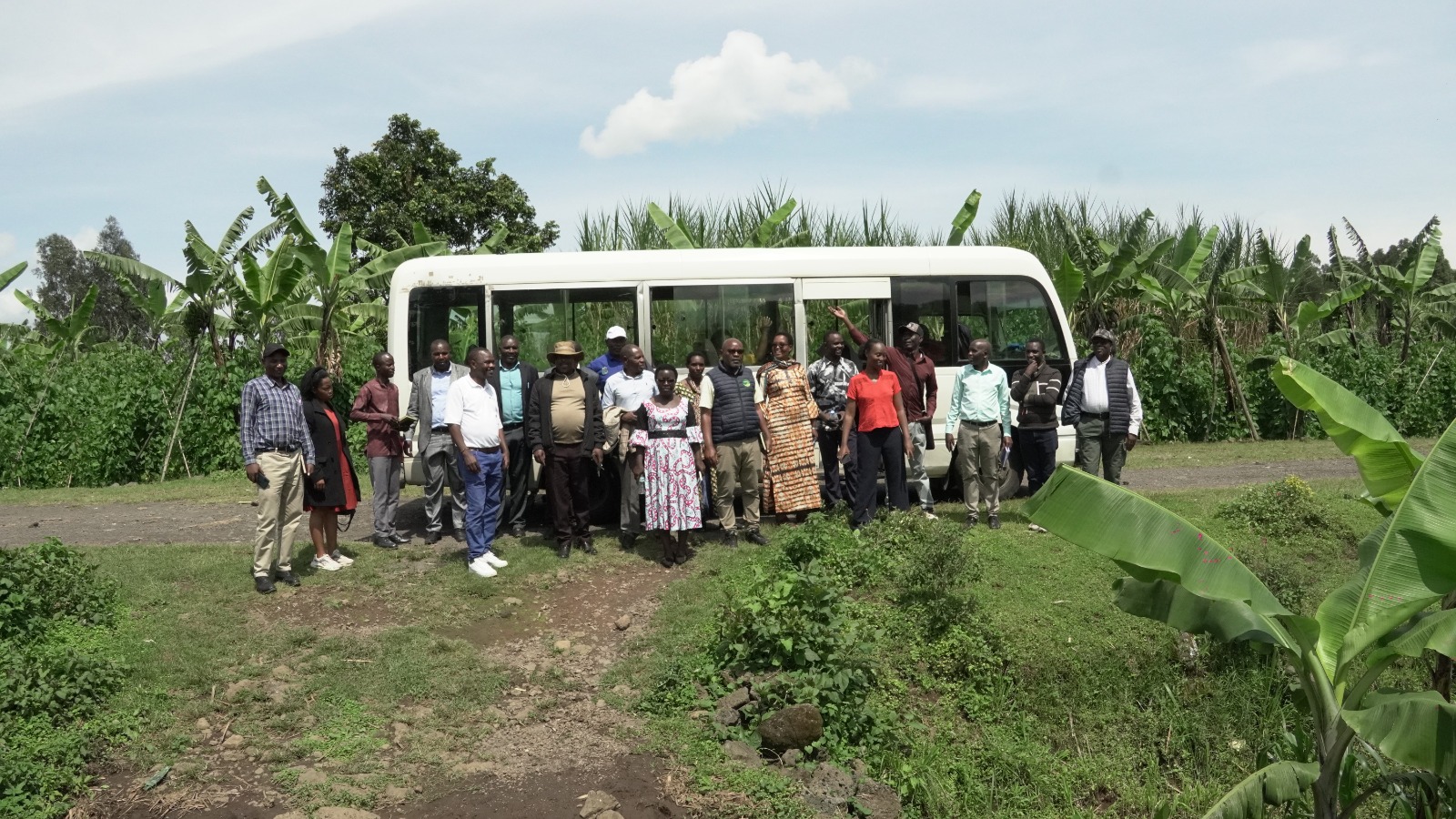
As part of these training sessions scheduled from April to June 2026, participants also conducted field visits to various development initiatives, including feeder road infrastructure, water retention ponds, crop rotation projects, and irrigation systems.
The organizers emphasized the necessity of safeguarding and sustainably maintaining these projects, underscoring their critical contribution to facilitating agricultural activities, improving market accessibility for farmers, enhancing productivity, and strengthening resilience against the adverse effects of climate change.