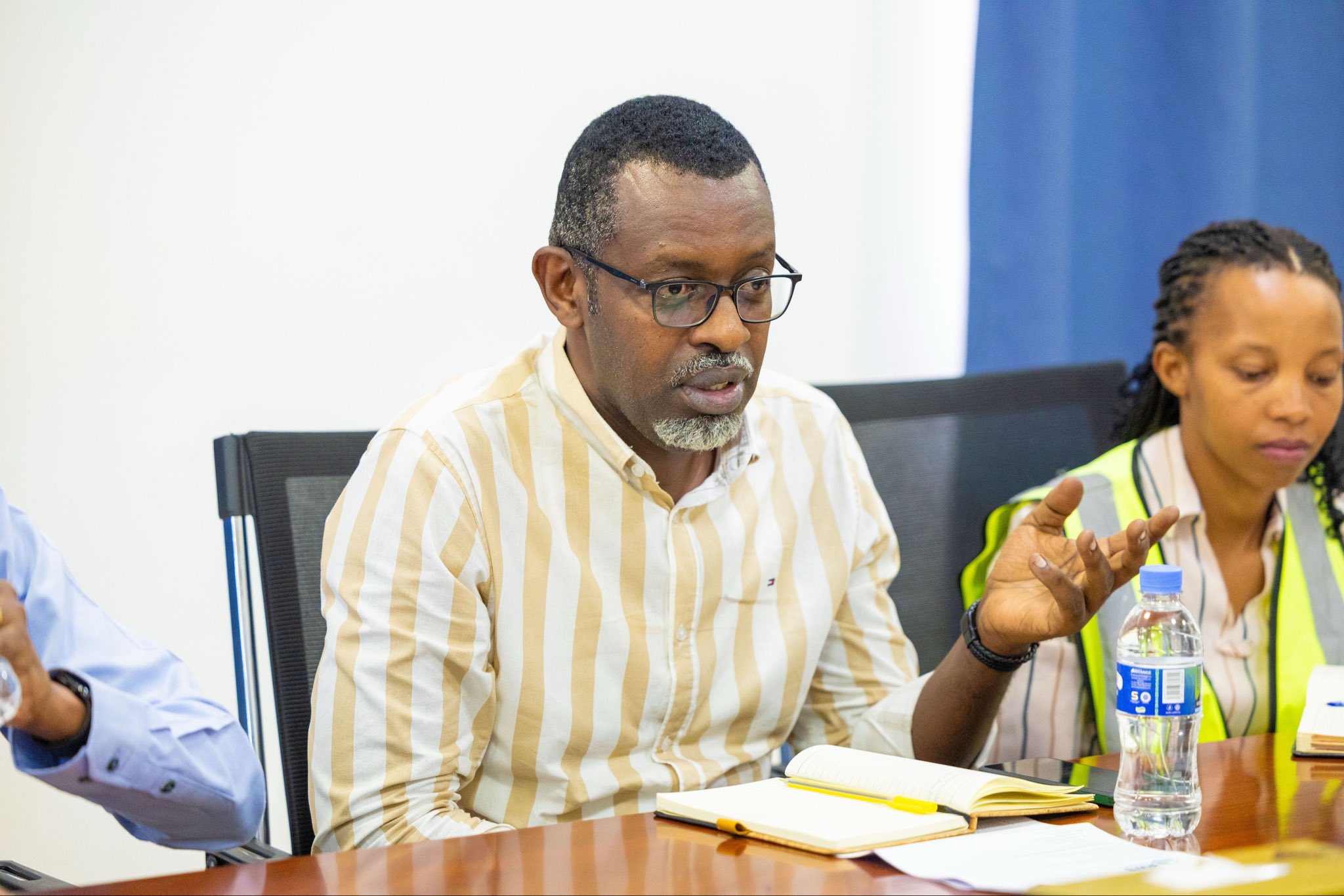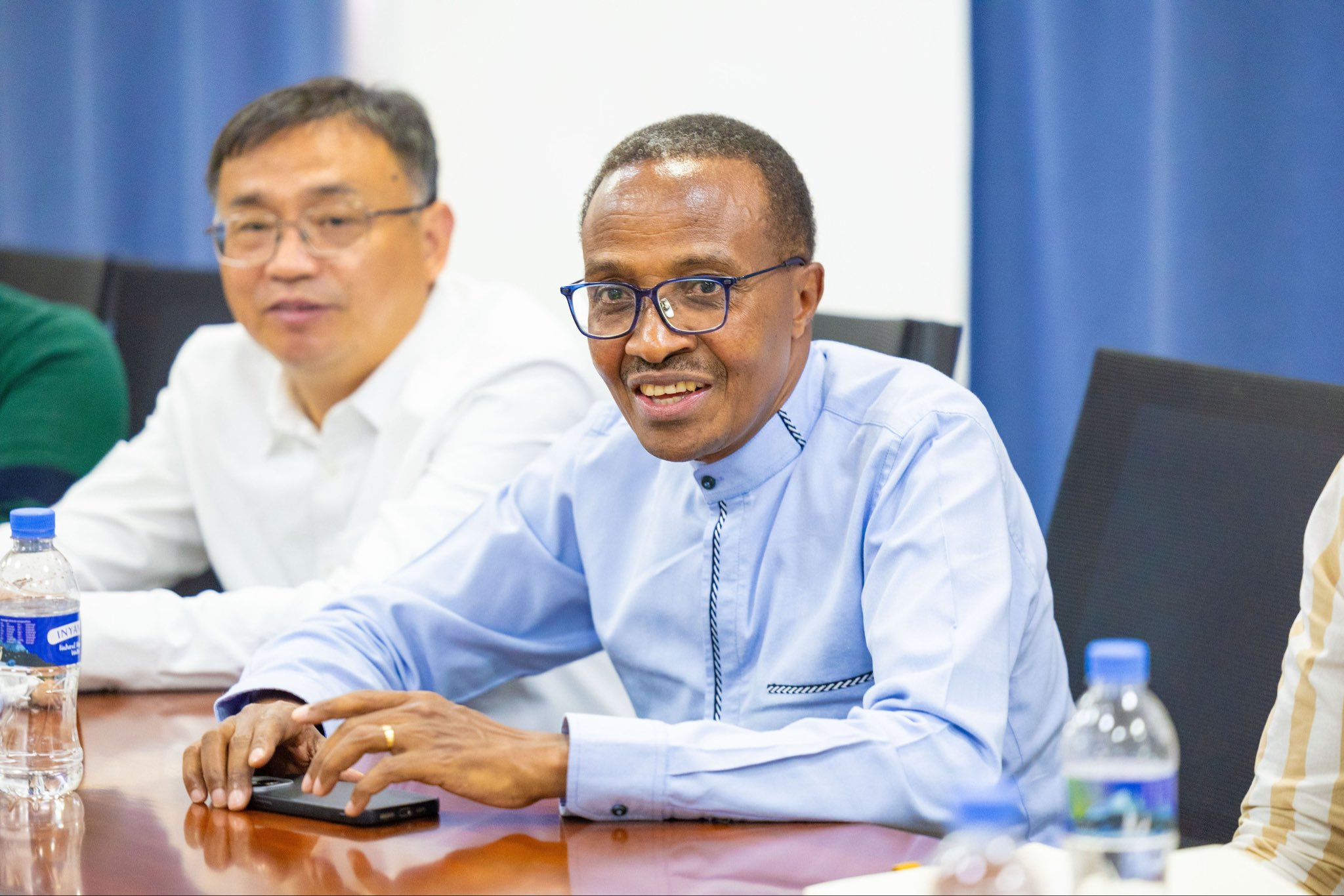
Minister Maj. Gen. (Rtd) Albert Murasira visits Nyabarongo II Project, emphasizes disaster risk mitigation frameworks
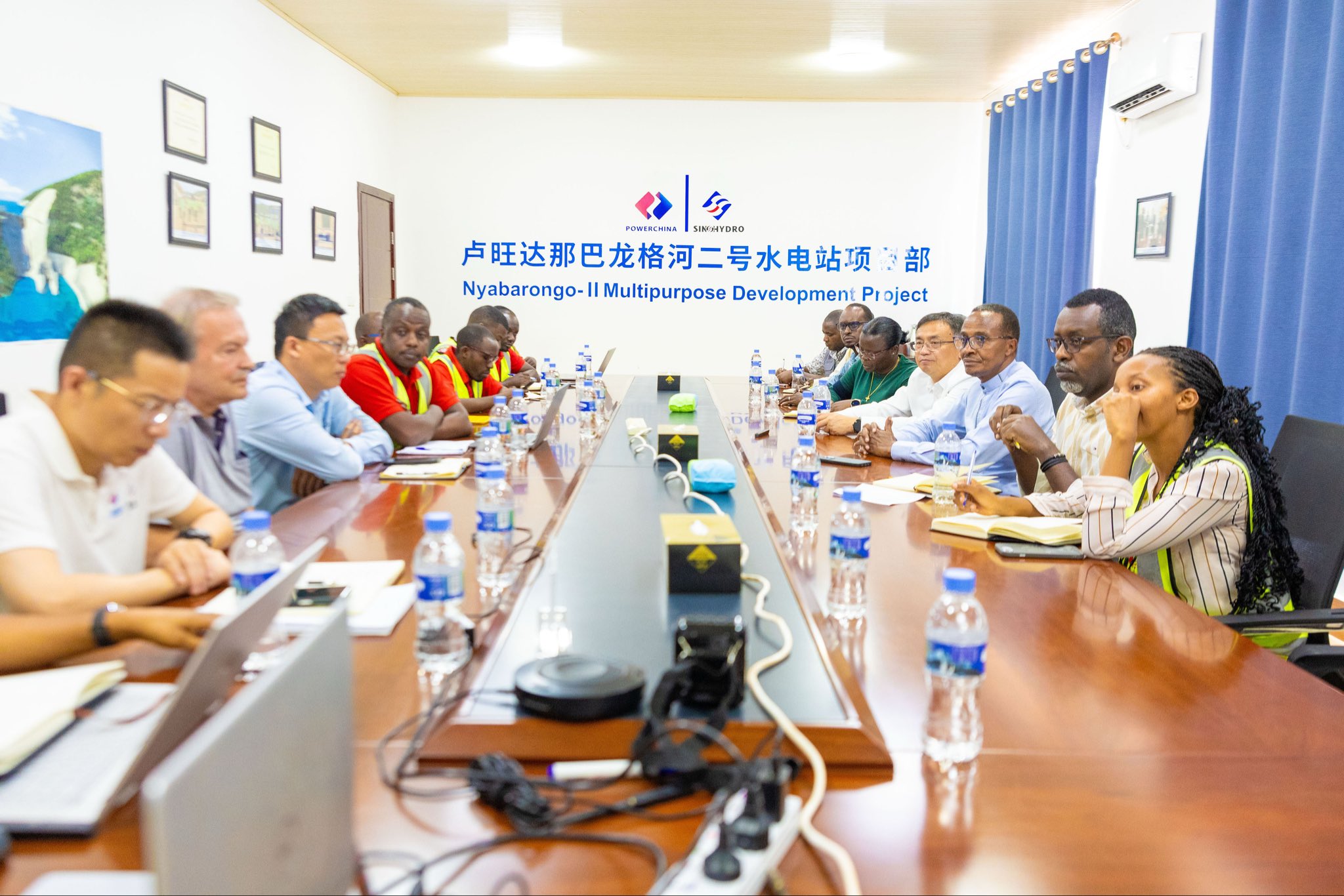
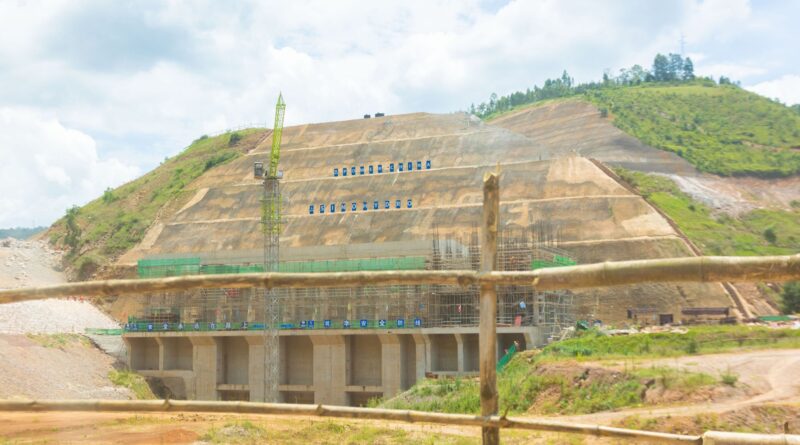
The Minister in charge of Emergency Management (MINEMA), Maj. Gen. (Rtd) Albert Murasira, together with Richard Nyirishema, the Chief Executive Officer of the Rwanda Water Resources Board, conducted a high-level field inspection of the Nyabarongo II Multipurpose Project, aimed at assessing implementation progress and engaging stakeholders involved in its execution.
The visit, conducted on April 30, 2026, primarily focused on reviewing the advancement of construction activities while undertaking strategic consultations on the integration of disaster risk reduction and resilience-building mechanisms across all phases of the project lifecycle—from conceptual planning and design to full-scale implementation.
The officials underscored that the initiative is designed to strengthen the safety and resilience architecture of large-scale development projects, particularly those anchored in water resource utilization, with the overarching objective of safeguarding communities and critical infrastructure against potential disaster-related disruptions.
The project implementation consortium welcomed the ministerial delegation, reaffirming that the Nyabarongo II construction works are being executed in strict adherence to disaster-resilient engineering standards and mainstreaming risk-sensitive approaches. They further committed to operationalizing the recommendations and technical guidance provided by the visiting authorities.
This inspection follows a prior visit undertaken by Minister Murasira last week in Muhanga District, where he evaluated the Nyabarongo I Hydropower Project located along the Nyabarongo River, with particular emphasis on disaster risk mitigation strategies designed to enhance infrastructural resilience and operational sustainability.
He also inspected the Mubuga Technical and Vocational Education and Training (TVET) Construction Project in Karongi District, which is being developed under the “Jya Mbere Project,” an initiative aimed at advancing socio-economic transformation and improving livelihoods of refugees and host communities through skills development.
The leadership reiterated a policy directive urging all development projects to systematically embed robust disaster prevention, mitigation, and contingency planning frameworks, in order to ensure the protection of investments, infrastructure integrity, and community welfare in the face of increasing climate-induced and geophysical hazards.