Integrating crop farming and livestock: A cornerstone of organic productivity
Practitioners of organic agriculture say this approach enables them to achieve high-quality and long-lasting yields, mainly because they avoid contaminating crops by planting them in healthy, well-prepared soils.
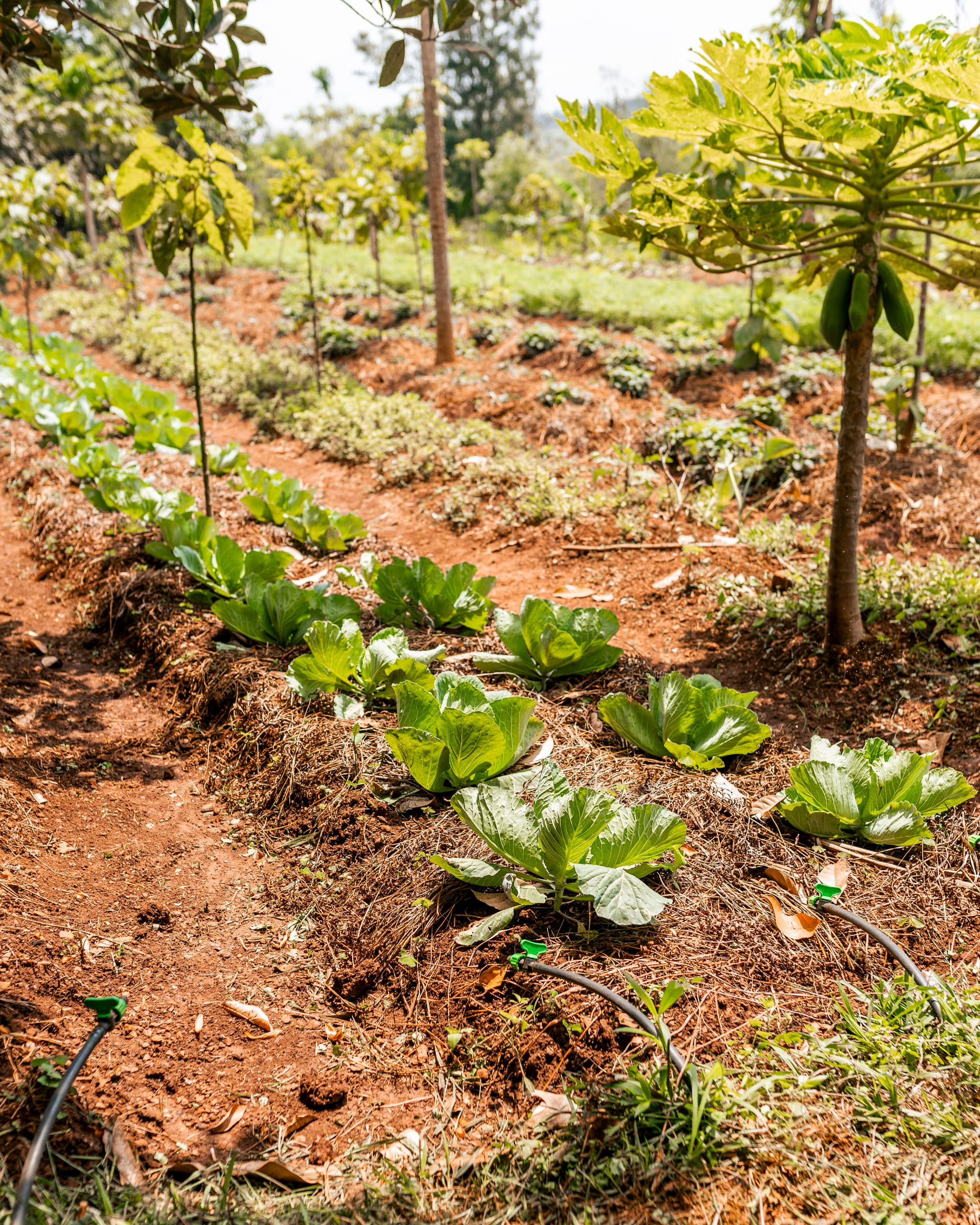
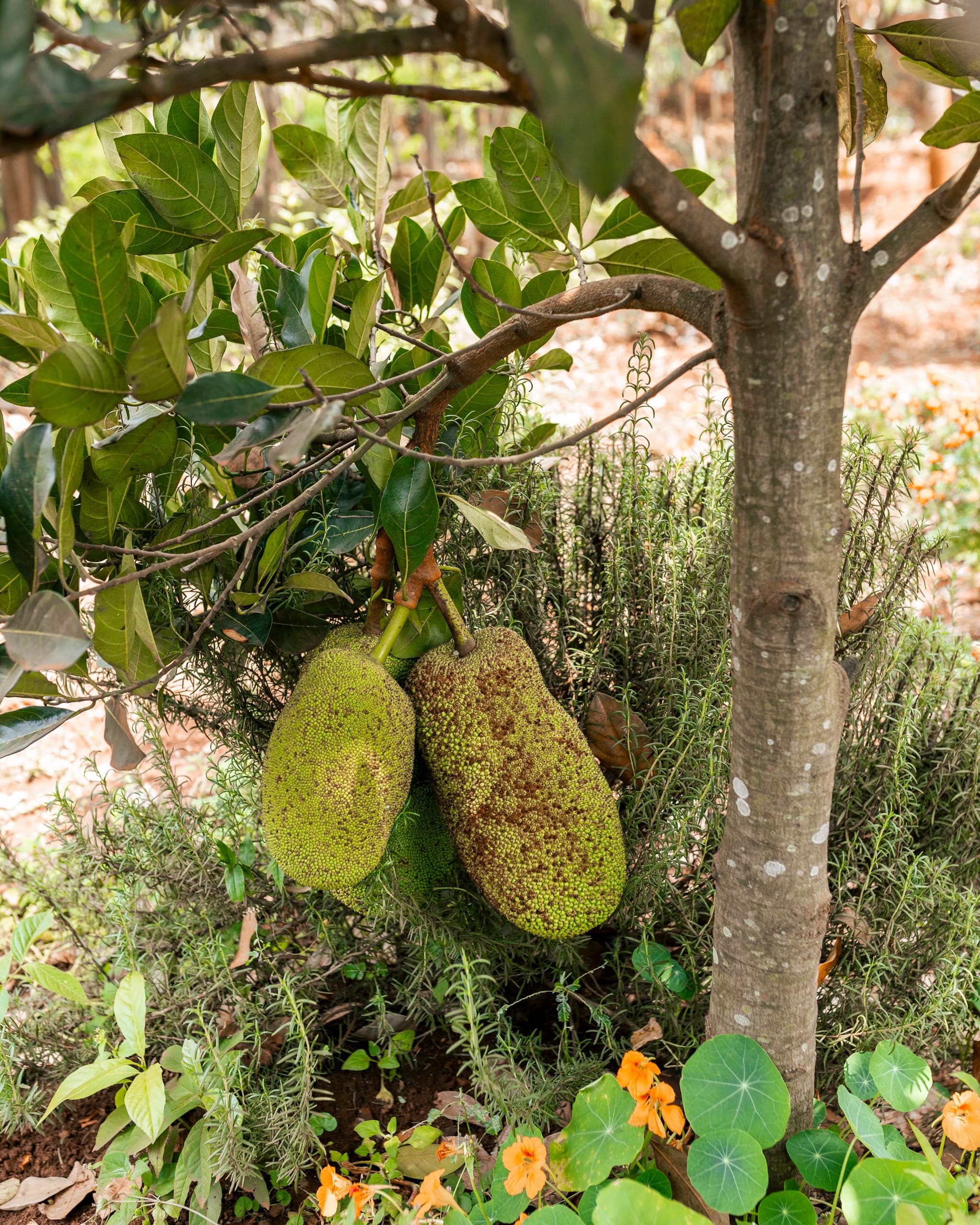
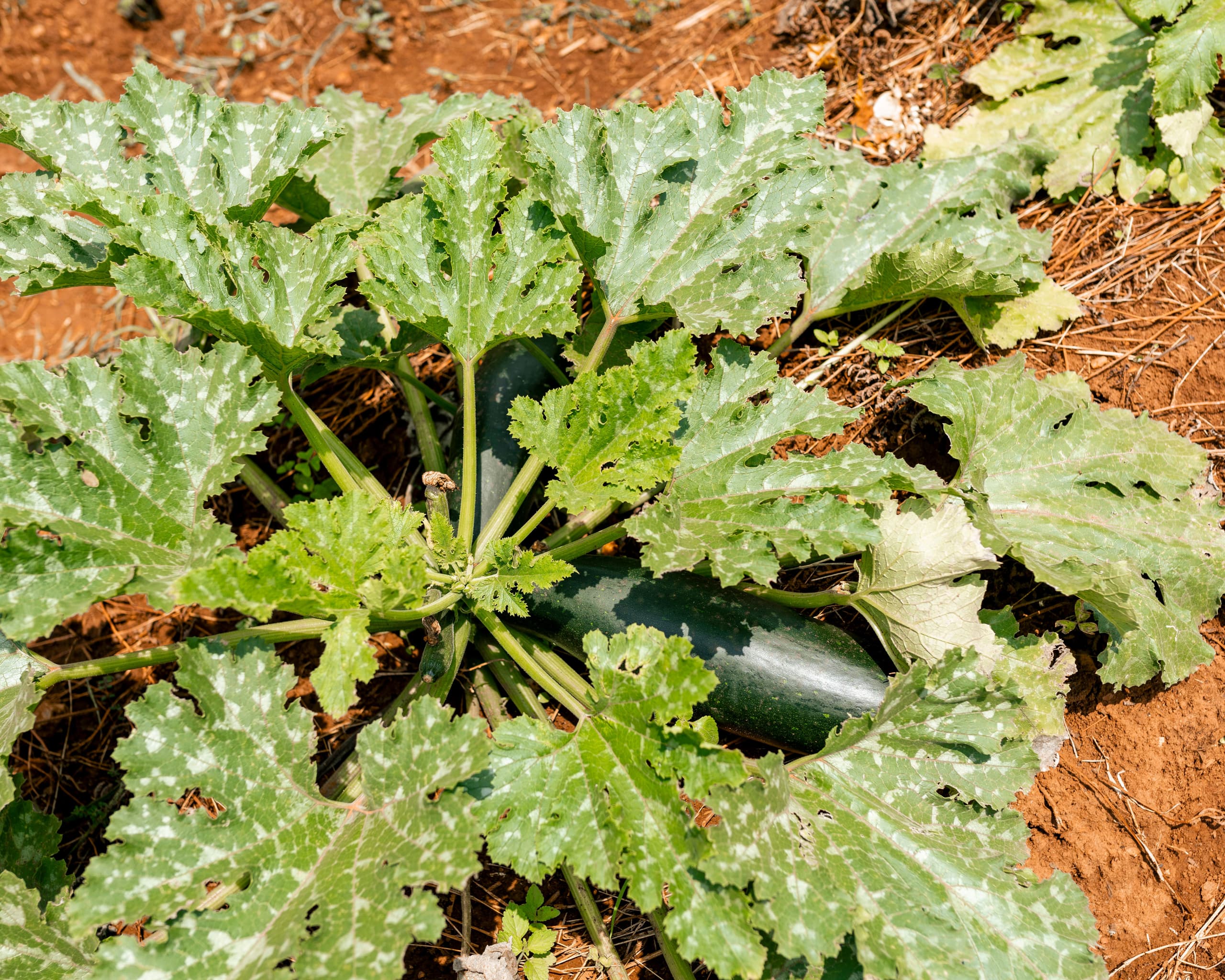
They explain that their farming systems include a diversity of crops, both indigenous to Rwanda and non-indigenous ones. Examples of local crops include sorghum, pumpkins, maize, sweet potatoes, beans, Irish potatoes, cassava,yams and various banana varieties, alongside other crops. This diversity helps clarify a common misconception that organic agriculture is the same as traditional farming.
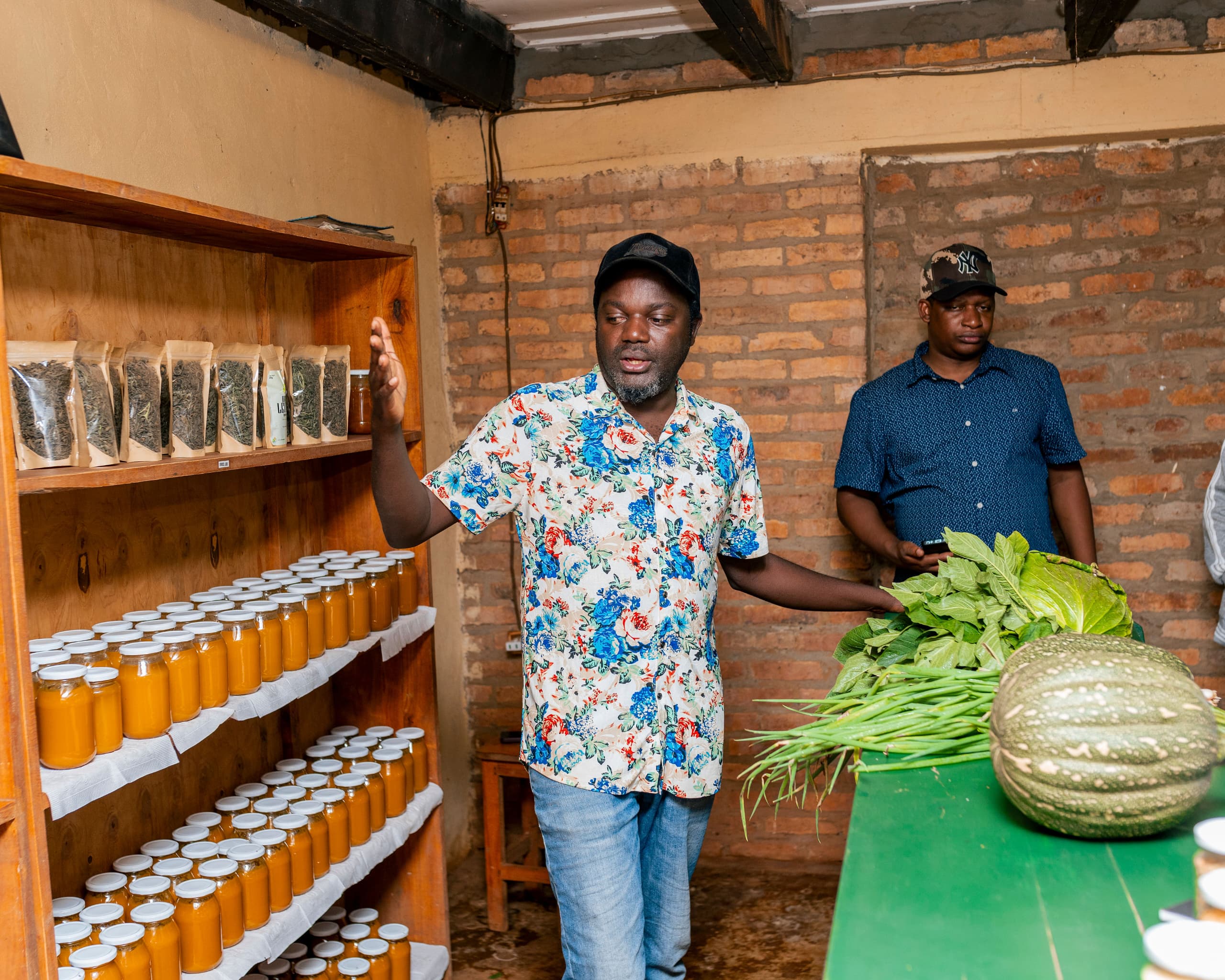
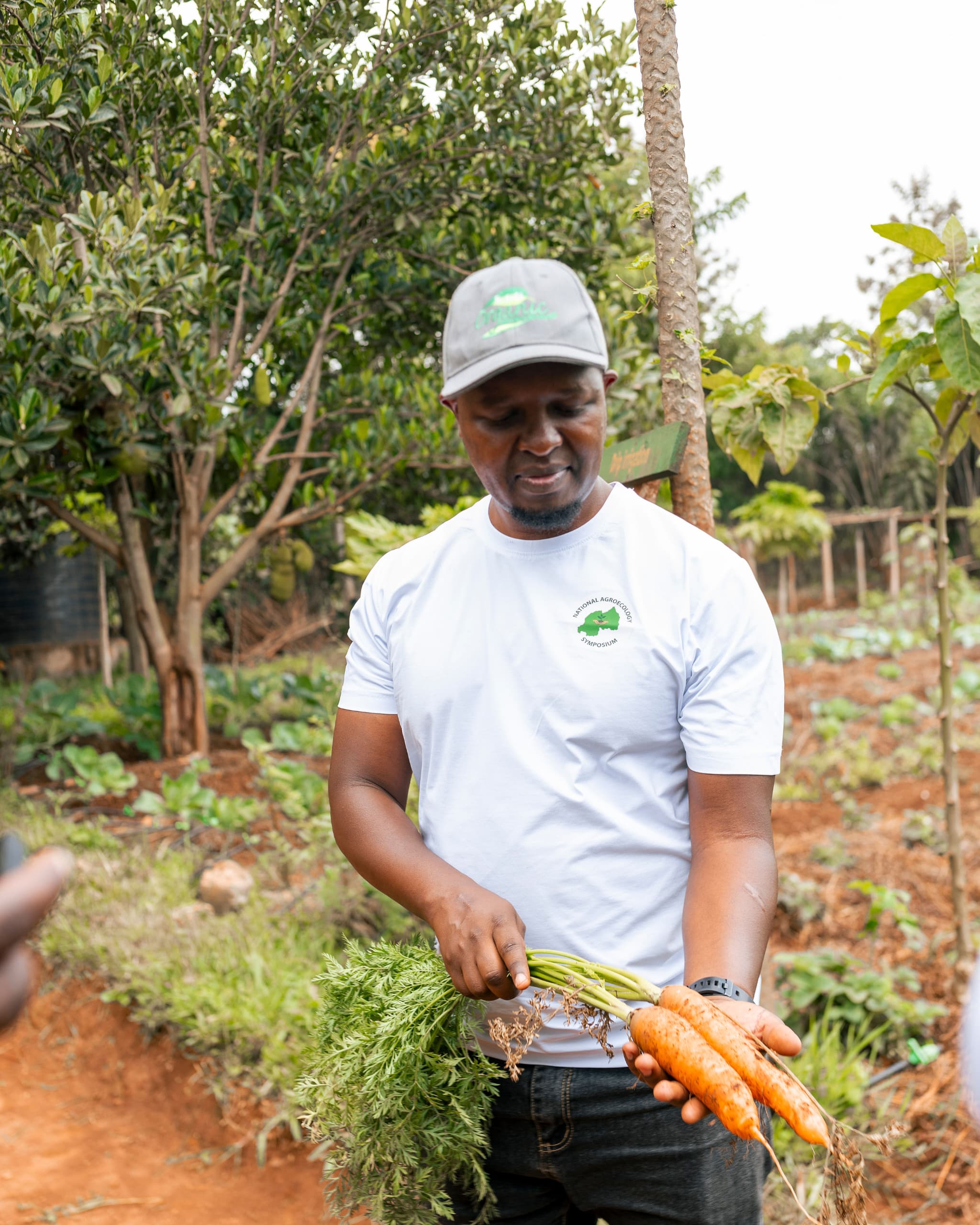
Albert Nkundabagenzi, who manages the organic farming zone at La Ferme du Lac in Ngoma District, Eastern Province, clearly explains the distinction between traditional agriculture and organic agriculture.
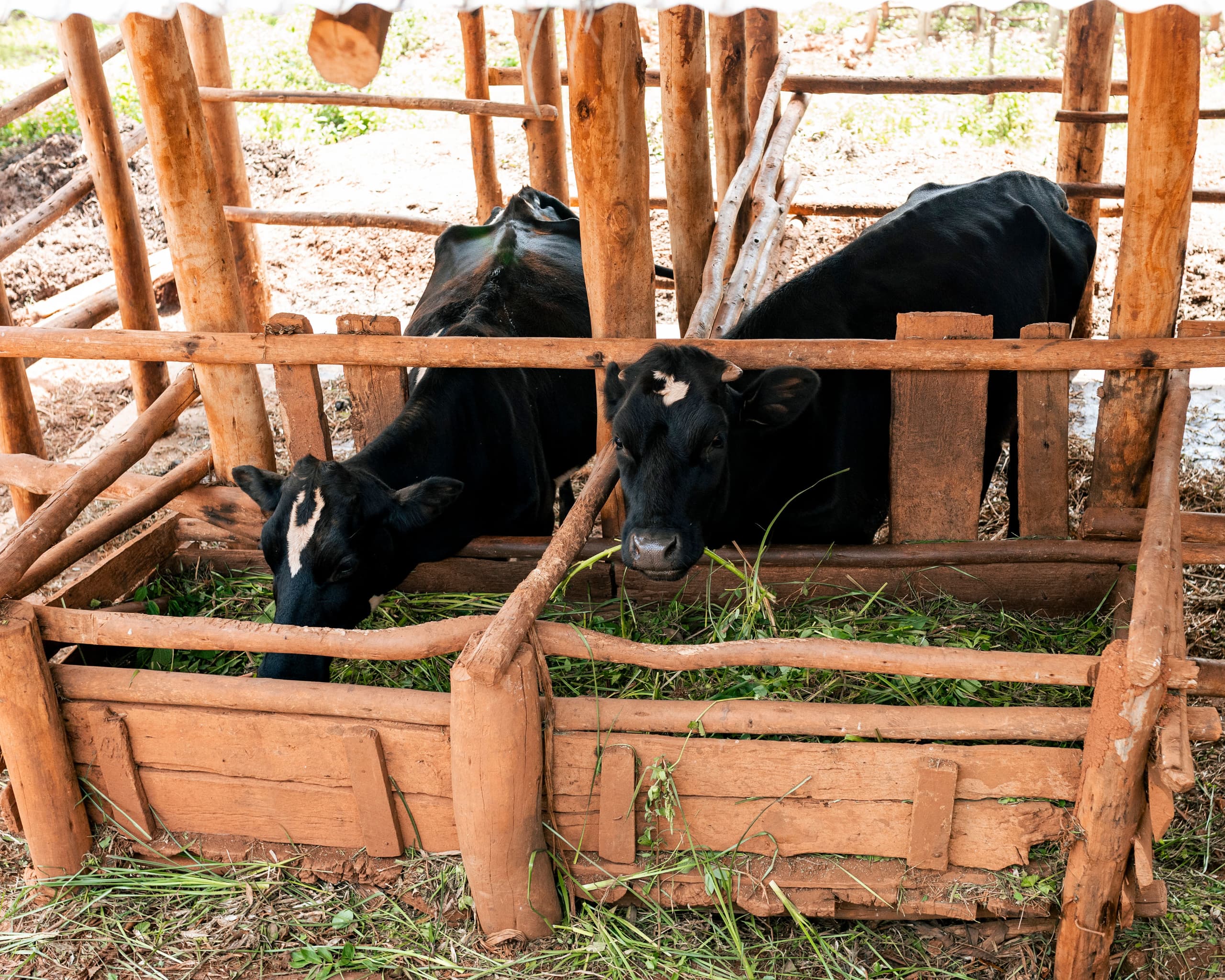
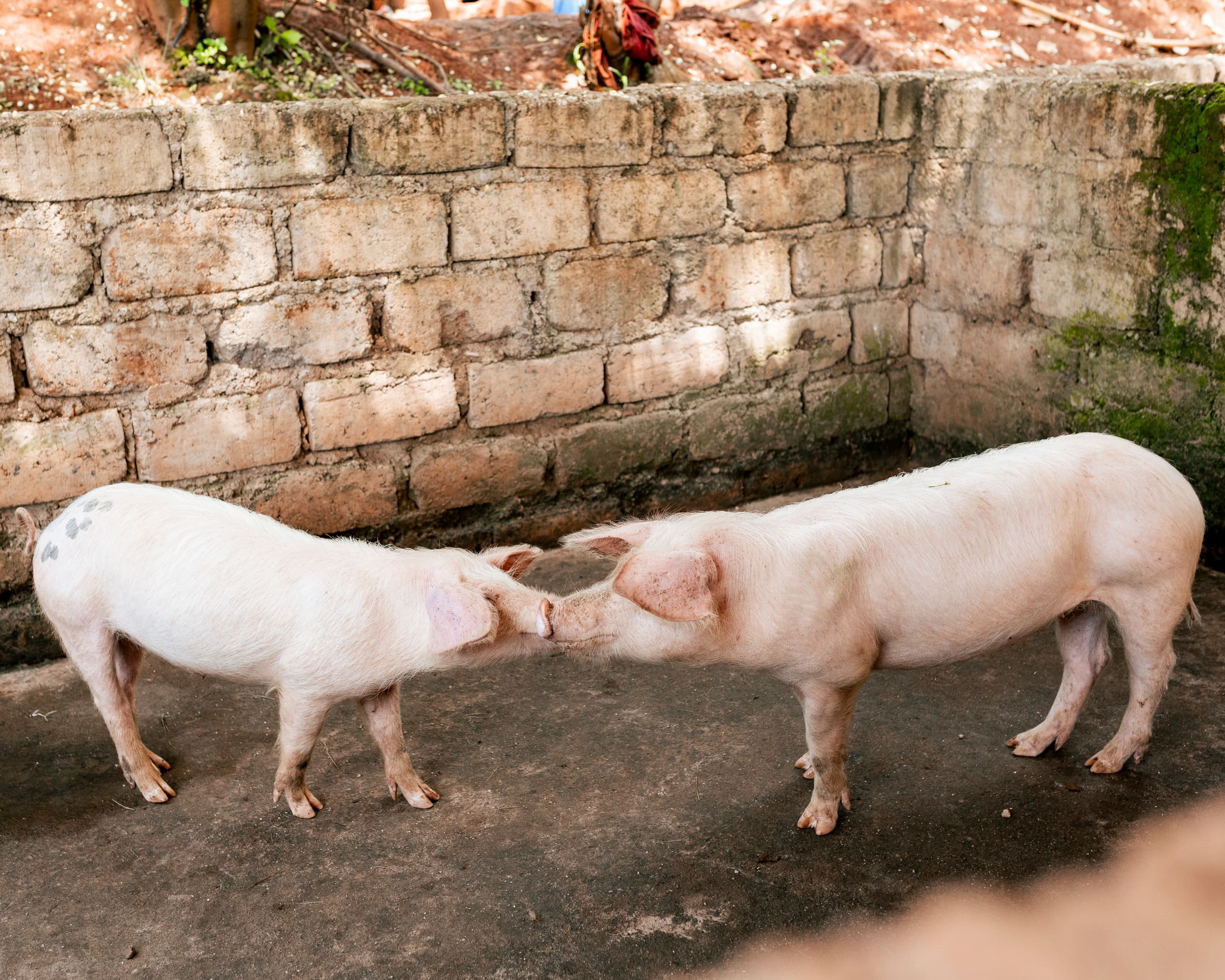
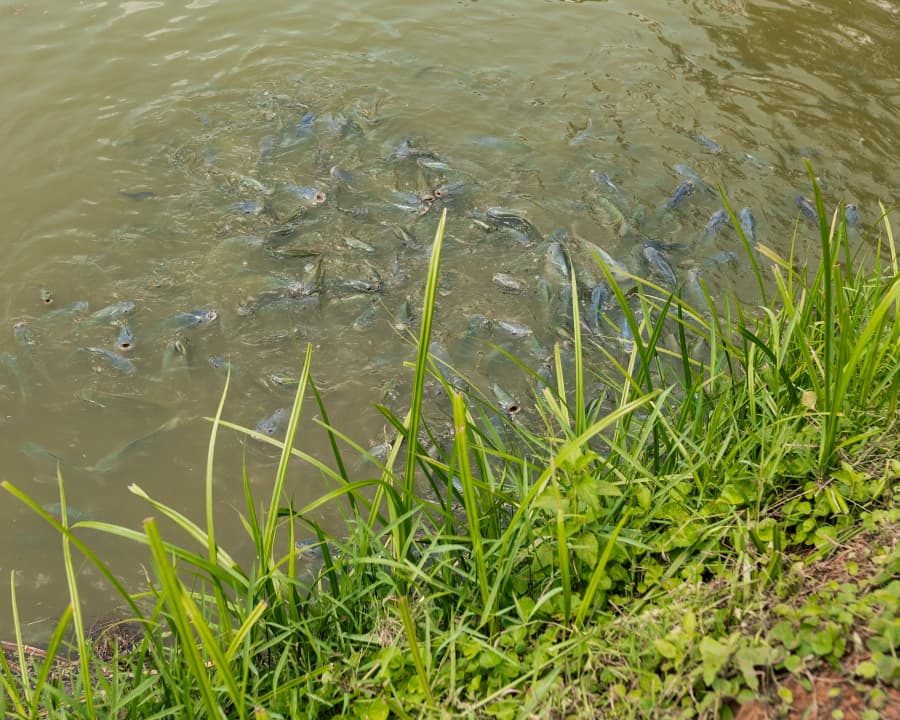
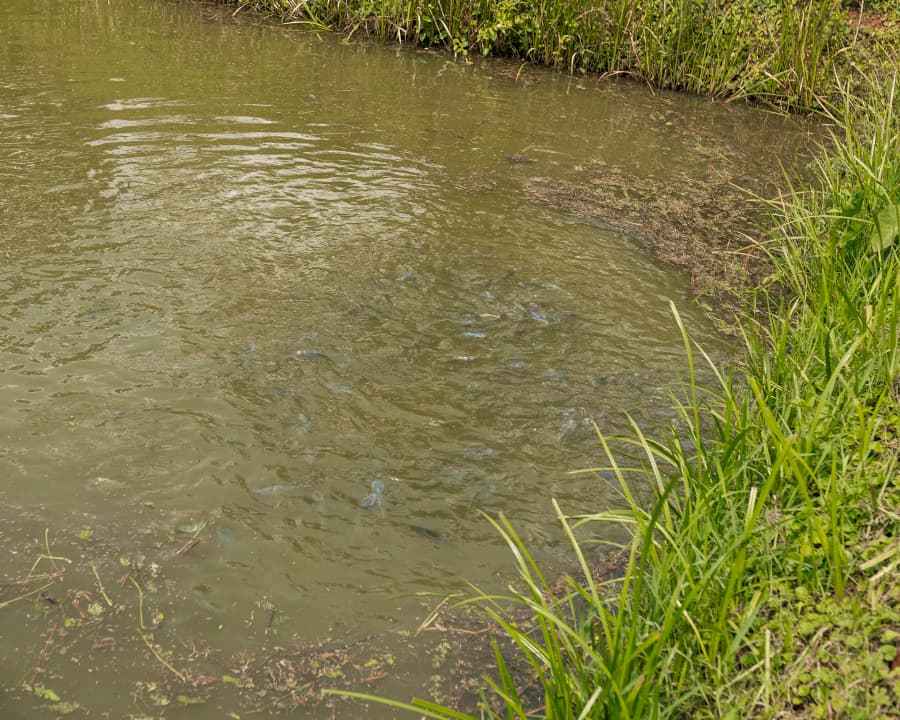
“In organic agriculture, we cultivate many different crops and raise different types of livestock. If we are to speak of sustainable agriculture, we cannot specialize in only one thing. In our fields, crops protect one another, fertilize one another, and create biodiversity. The same applies to livestock,we keep pigs, cows, chickens, fish, rabbits, bees, and others. We also grow grasses, vegetables, fruits, and plants used to repel pests and produce natural pesticides,” he said.
Albert emphasized that they practice integrated farming, which he described as one of the most practical and cost-effective approaches, since most of the inputs they need are obtained directly from within the farm system, reducing dependence on external inputs.
“Our farming system is fully integrated. It includes diversified crop production, diversified livestock, fish farming, beekeeping, and composting through earthworms. This integration allows us to recycle everything within the farm,” he added.
He explained that what others consider waste becomes a valuable resource on their farm.
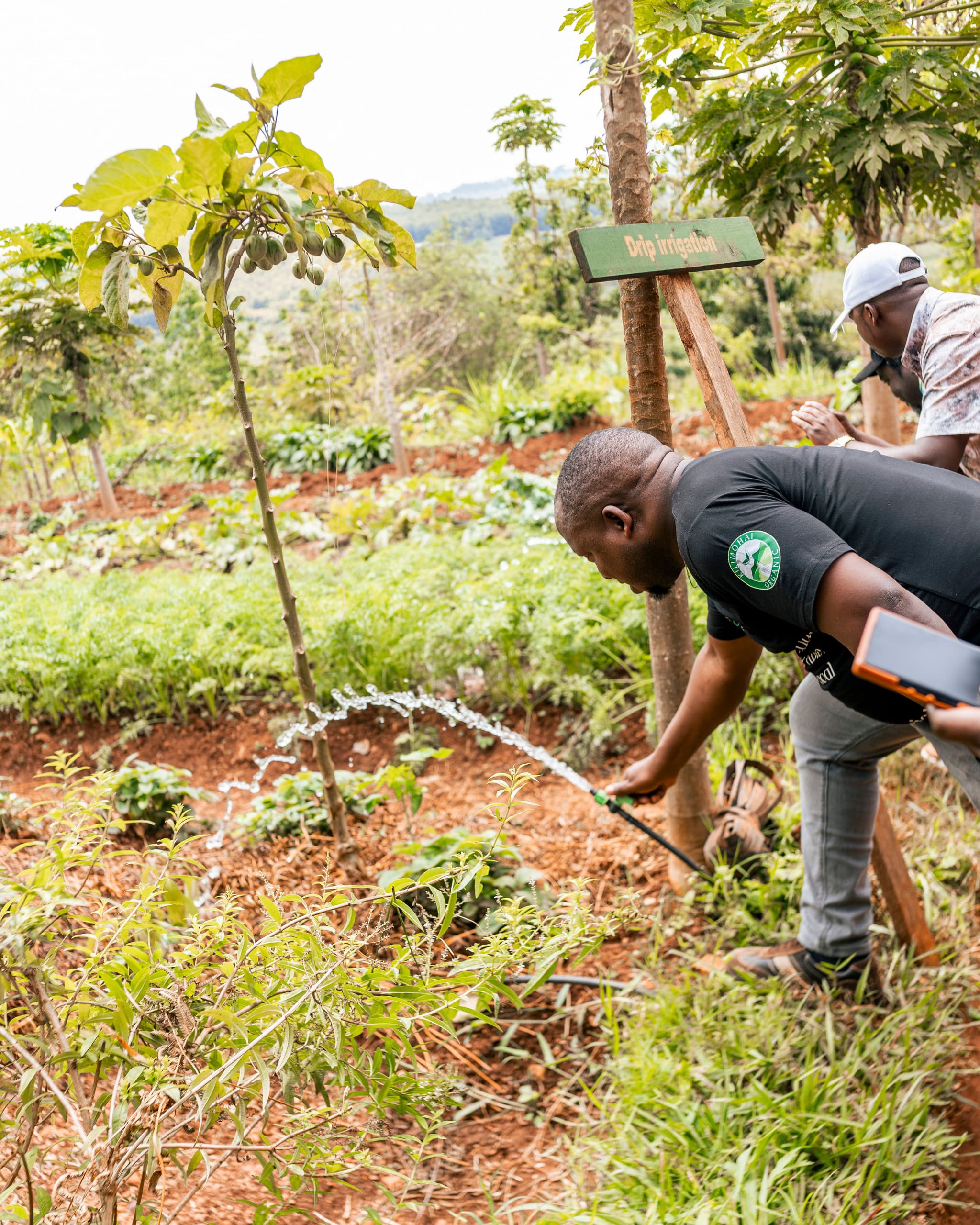
“For example, water from fish ponds is used to irrigate crops. It is rich in nutrients from fish waste and greatly supports plant growth. After harvesting crops, residues that cannot be sold are fed back to the fish. Similarly, livestock feed on crop residues, and in return they produce manure that goes back to fertilize the fields, increasing productivity,” he explained.
Working on two hectares of land, this organic farmer describes organic agriculture as a long-term journey that begins with restoring degraded soils and protecting the environment, particularly biodiversity. He highlighted the importance of adapting to climate change, controlling soil erosion through agroforestry, digging water-harvesting trenches, constructing terraces where necessary, and maintaining soil health by avoiding chemical fertilizers and pesticides.
“Chemical fertilizers and pesticides may give high yields in a short time, but they ultimately degrade soils and weaken crops, forcing farmers to harvest and consume quickly,” he noted.
Albert acknowledged that starting organic farming is not easy, especially when land has been heavily degraded by prolonged chemical use.
“When we started, this land was almost desert-like. The first step was restoring the soil,working it properly, planting trees, applying organic manure, and ensuring everything living in the soil could regain life. After that, we gradually introduced livestock. Today, we have reached a level where we can process part of our harvest,” he said.
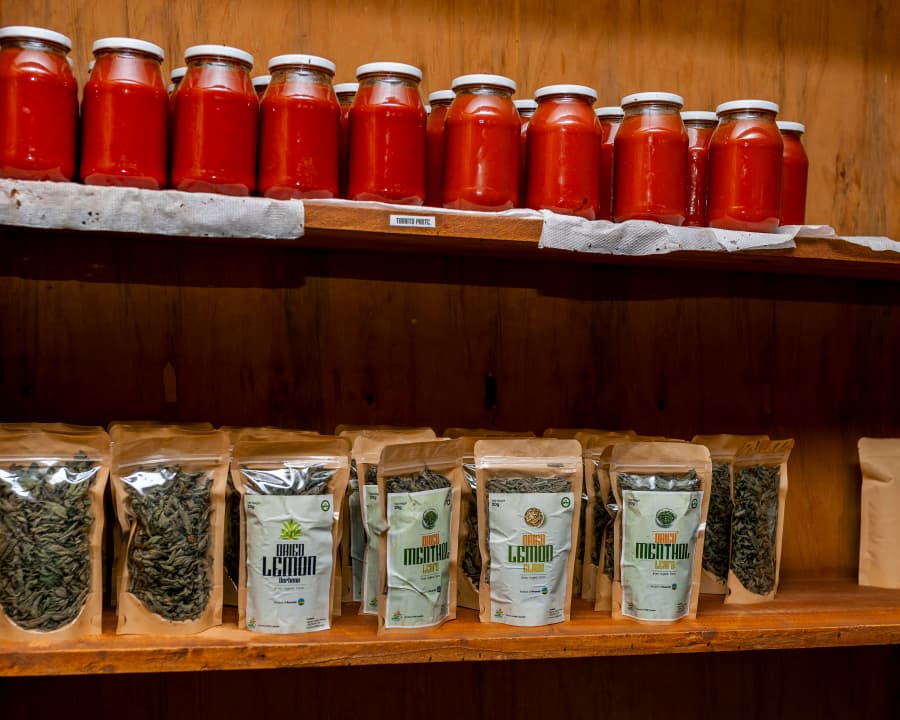
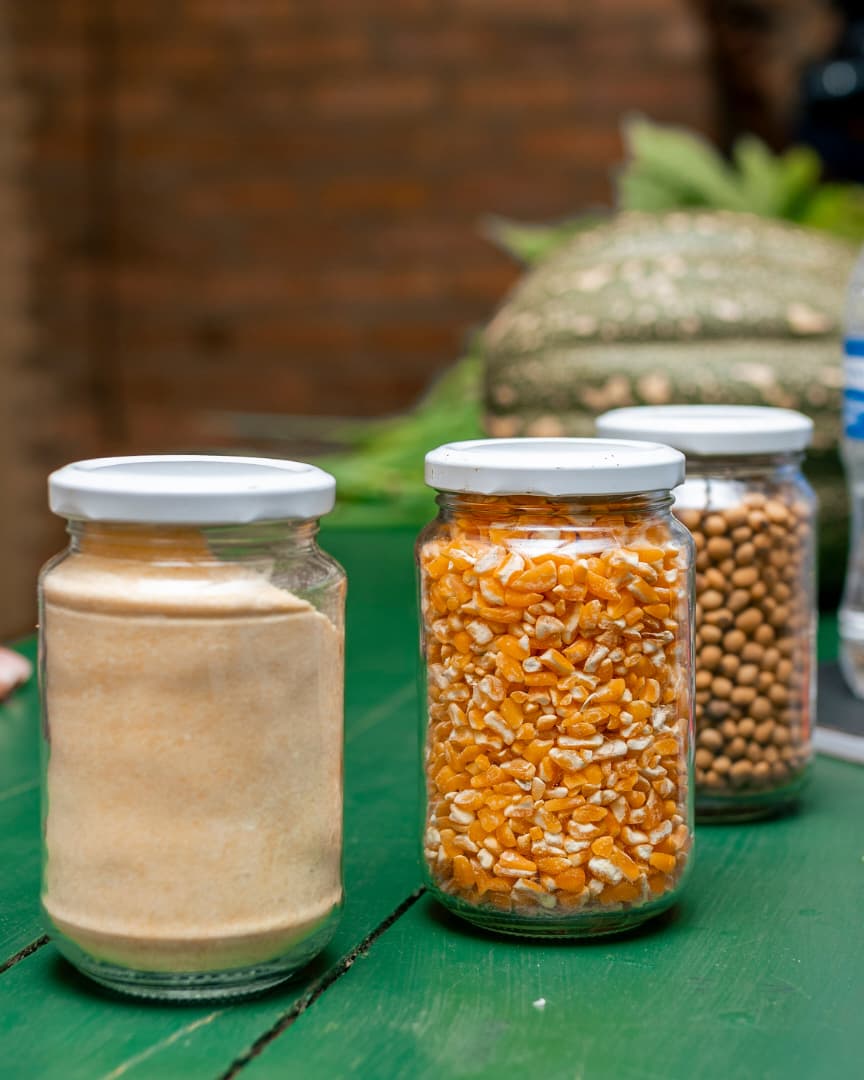
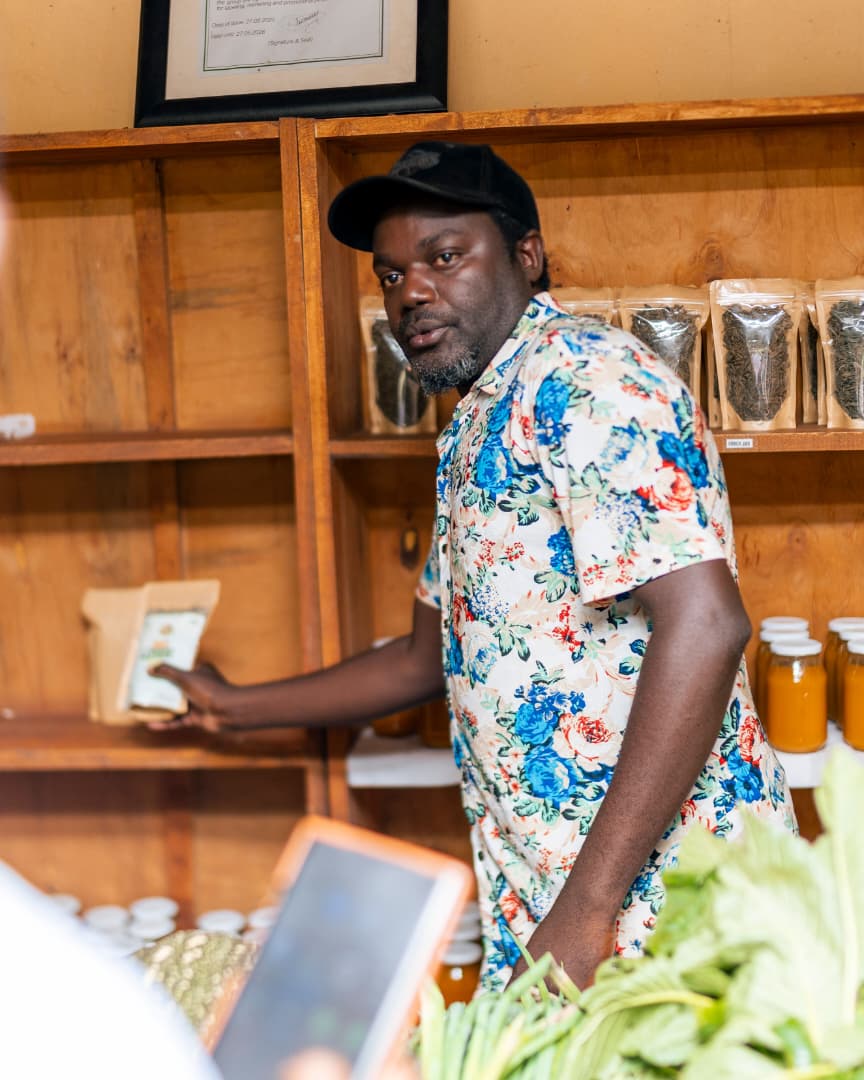
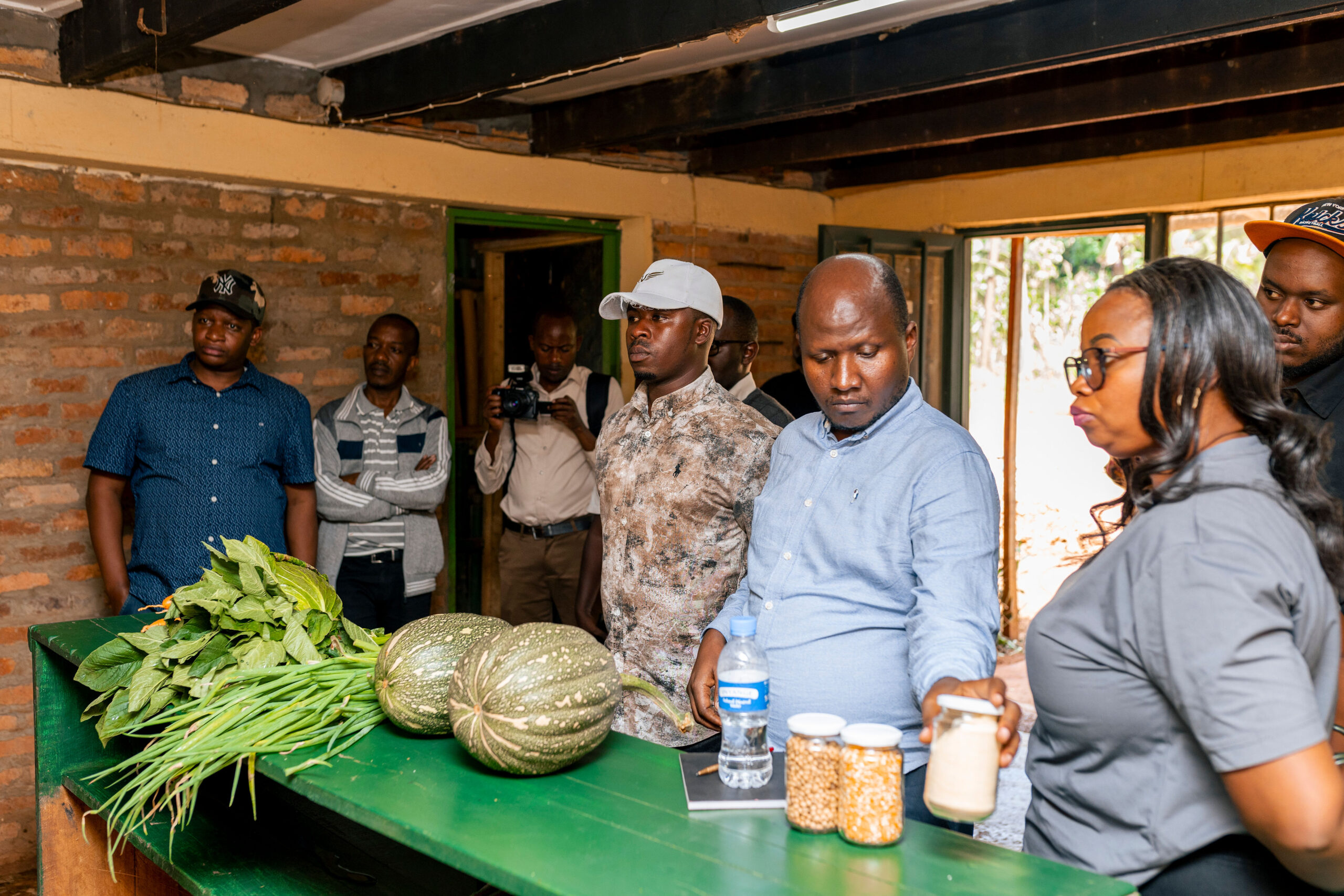
He explained that while some produce is sold fresh, a significant portion is processed. Fruits are turned into concentrates, tomatoes into tomato paste, and maize into maize flour. According to him, nearly every crop produced on the farm can be processed.
In terms of capacity building, Albert noted that various partners, including Rwanda Organic Agriculture Movement (ROAM), have played a critical role in strengthening organic agriculture through financial support, technical advice, and collaboration.
“This farm belongs to the HUMURA Organization, meaning we work with different partners and donors. In Rwanda, ROAM is among those supporting us financially, helping us build livestock shelters, irrigation systems, train people, and expand our farming activities,” he said.
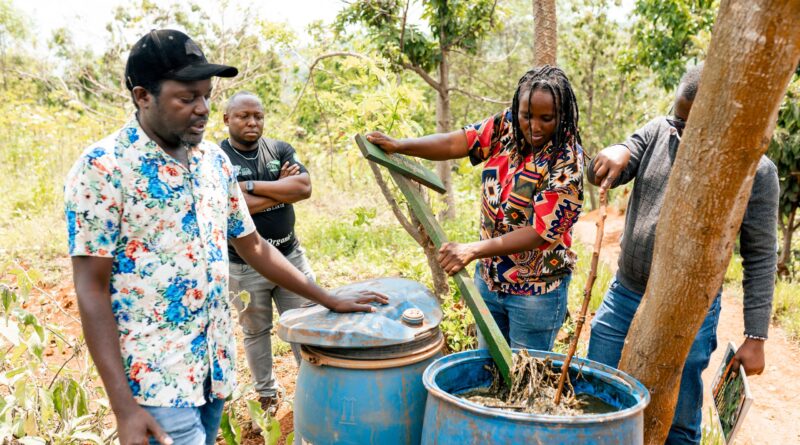
Well-prepared compost manure, matured for at least three months, liquid fertilizers made from diverse plants and animal waste fermented for at least 21 days, and aromatic plants are key to achieving good organic yields and controlling pests without chemical inputs.
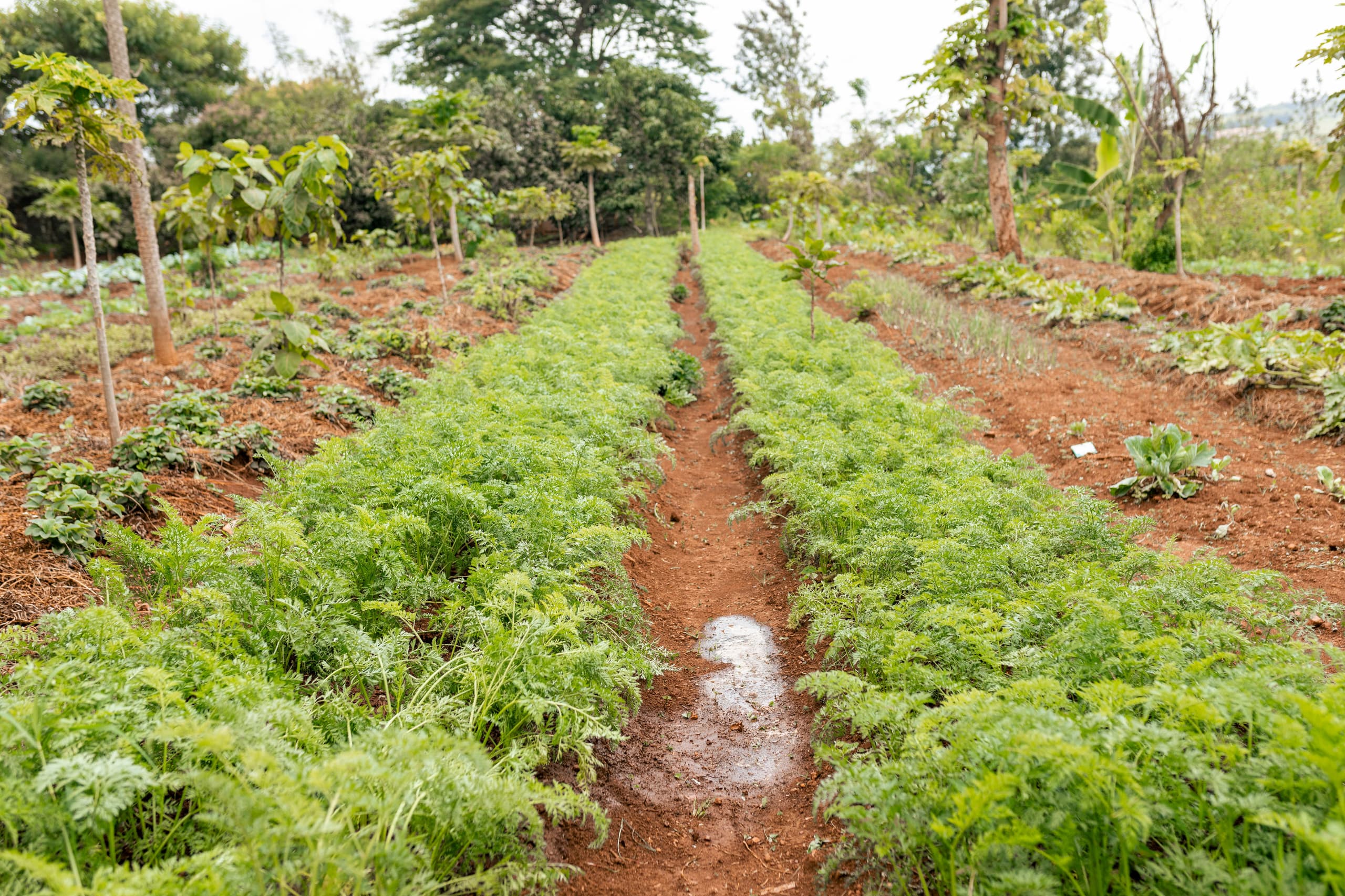
Farmers also confirm that intercropping and crop rotation, based on crop characteristics and soil needs, help repel pests and diseases. An example cited is intercropping carrots with onions, where the smell of onions repels carrot pests. Crop rotation is also used to maintain soil fertility without leaving land fallow for long periods for instance, rotating legumes with tubers or cereals.
Dieudonné Sindikubwabo, a Program Officer at ROAM, explained the true nature of organic agriculture and highlighted key considerations for farmers.
“Organic agriculture is not traditional farming, as many people believe. It is based on scientific research and delivers yields by using inputs that farmers can produce themselves, thereby reducing production costs,” he said.
He addressed common questions about how farmers can achieve high yields on small plots without chemical fertilizers such as NPK or synthetic pesticides.
“The first and most important step is understanding what the soil needs and how to care for crops properly. Practices like mulching with decomposable plant material, intercropping, and crop rotation ensure crops survive and farmers harvest multiple products from the same small plot,” he explained.
Dieudonné emphasized that ROAM’s goal is to ensure farmers have accurate and practical knowledge before adopting organic practices and to help address market access challenges, which remain a major obstacle due to difficulties in distinguishing organic products from conventional ones.
He also noted that organic agriculture still faces challenges, including limited private-sector investment, and called on the government to strengthen support mechanisms as public awareness of healthy, organic food continues to grow.
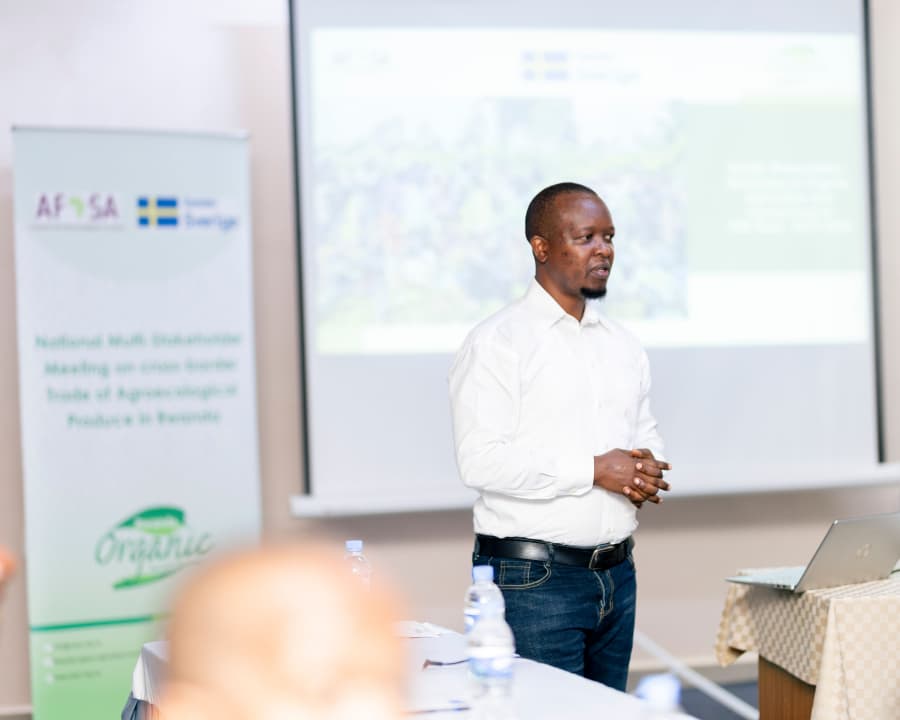
Based on data from organic farming cooperatives affiliated with ROAM, Rwanda has at least 5,000 organic farmers, though this number is expected to increase with greater involvement from government institutions and national statistical bodies. Such data would enable better planning for farmer support and the development of specialized markets, including cross-border trade, as highlighted by the Alliance for Food Sovereignty in Africa (AFSA).
The Government of Rwanda has placed agriculture at the center of national development through the National Strategy for Transformation (NST1) and the National Agricultural Policy (2018). Key objectives include increasing productivity, adding value to agricultural products, and protecting the environment.
According to MINAGRI, agriculture contributes 24–26% of Rwanda’s GDP and employs over 70% of the population, underscoring the importance of investing in sustainable agriculture, particularly organic farming, to achieve the Sustainable Development Goals (SDGs).