Gicumbi: Stakeholders urged to sustain achievements of the Green Gicumbi Project
Religious leaders, representatives of faith-based organizations, private sector actors, and development partners in Gicumbi District have been reminded that the significant progress achieved through the Green Gicumbi Project must be safeguarded. They were called upon to play an active role in helping communities protect the environment and properly maintain infrastructure developed over the past five years under the project.
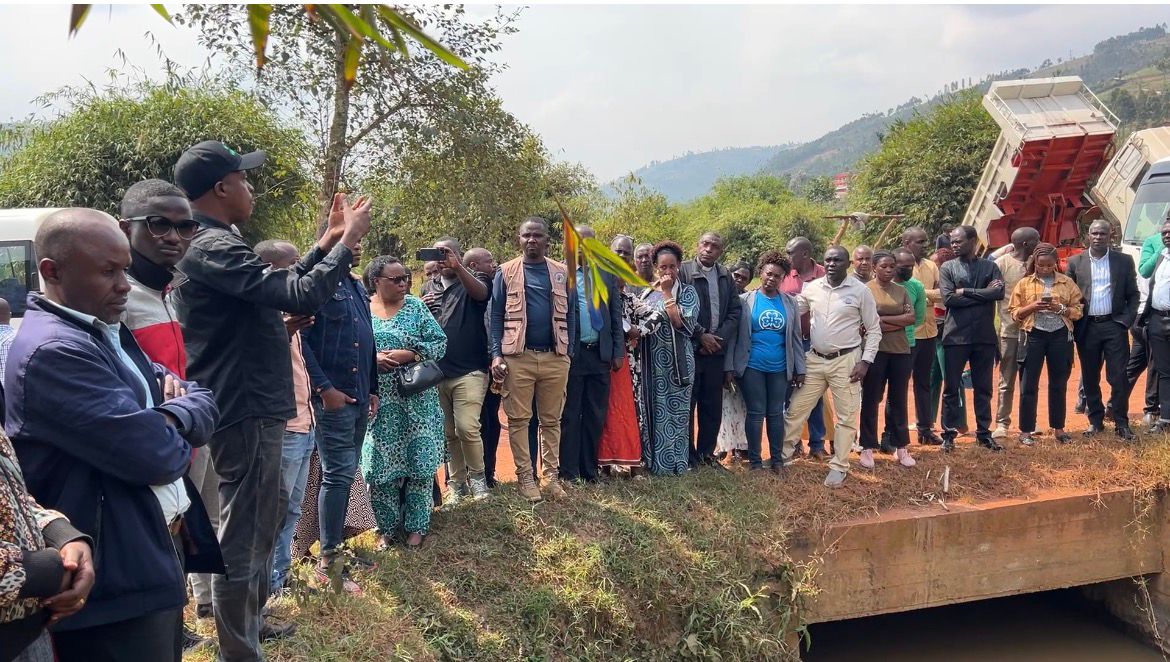
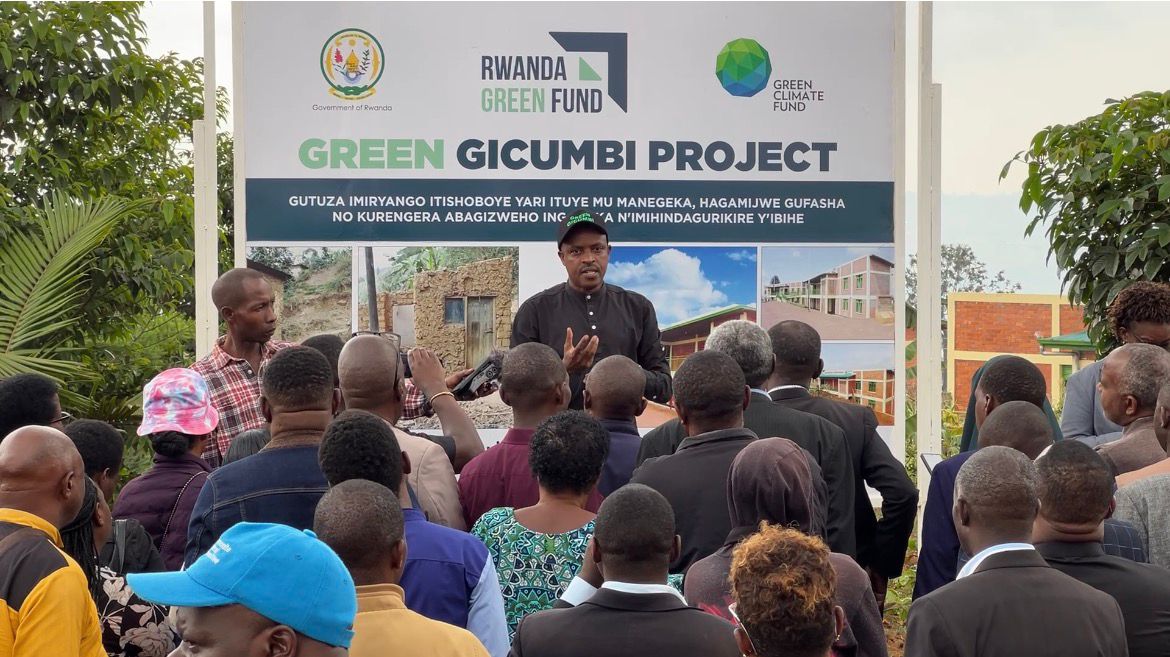
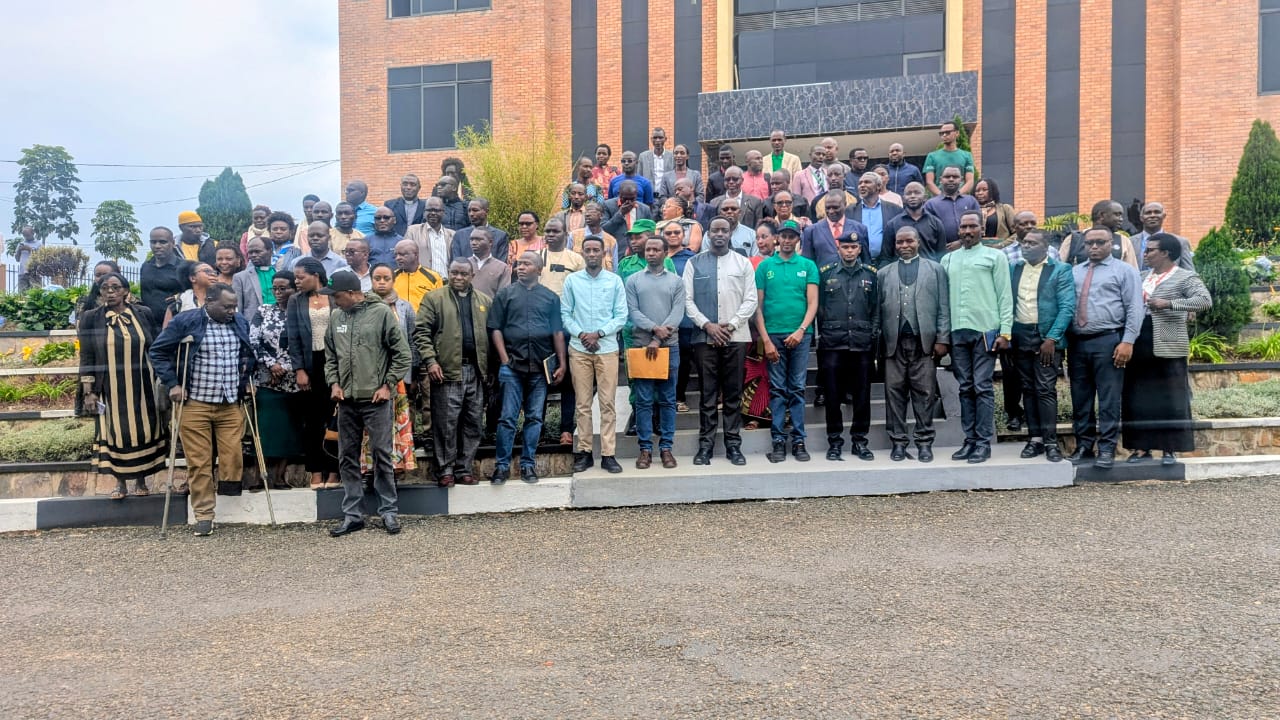
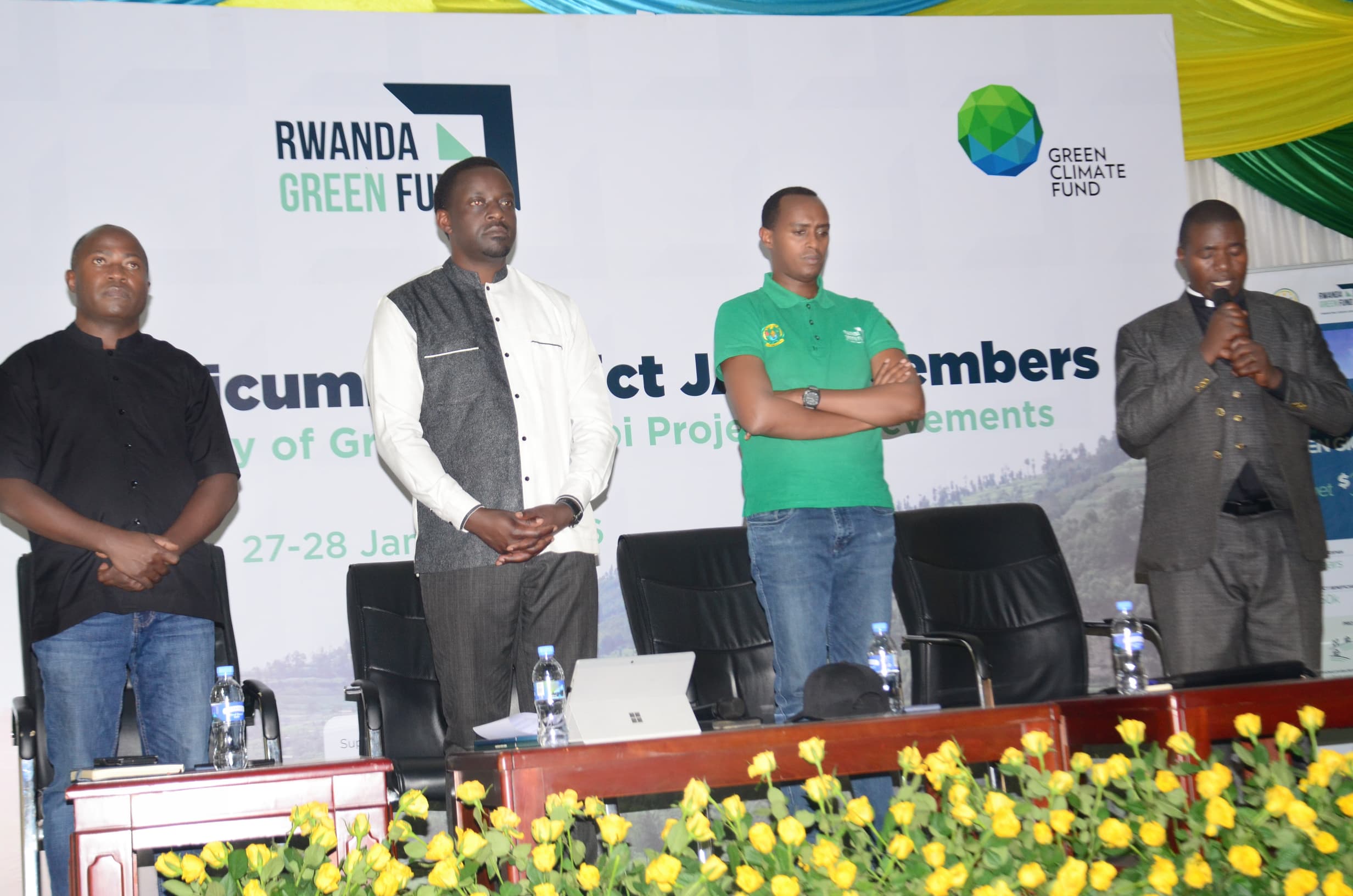
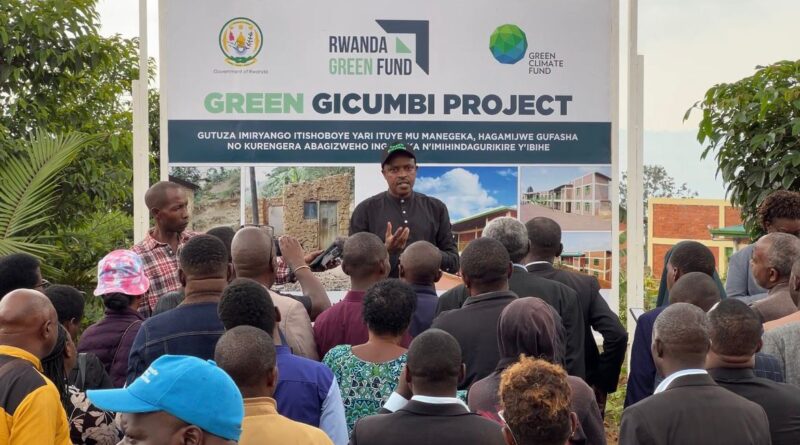
This message was delivered on January 27, 2026, during the launch of a two-day training session focused on strategies to ensure that rehabilitated anti-erosion sites are well maintained to prevent future flooding of residents’ farmlands, as well as on preserving other interventions aimed at addressing climate change impacts.
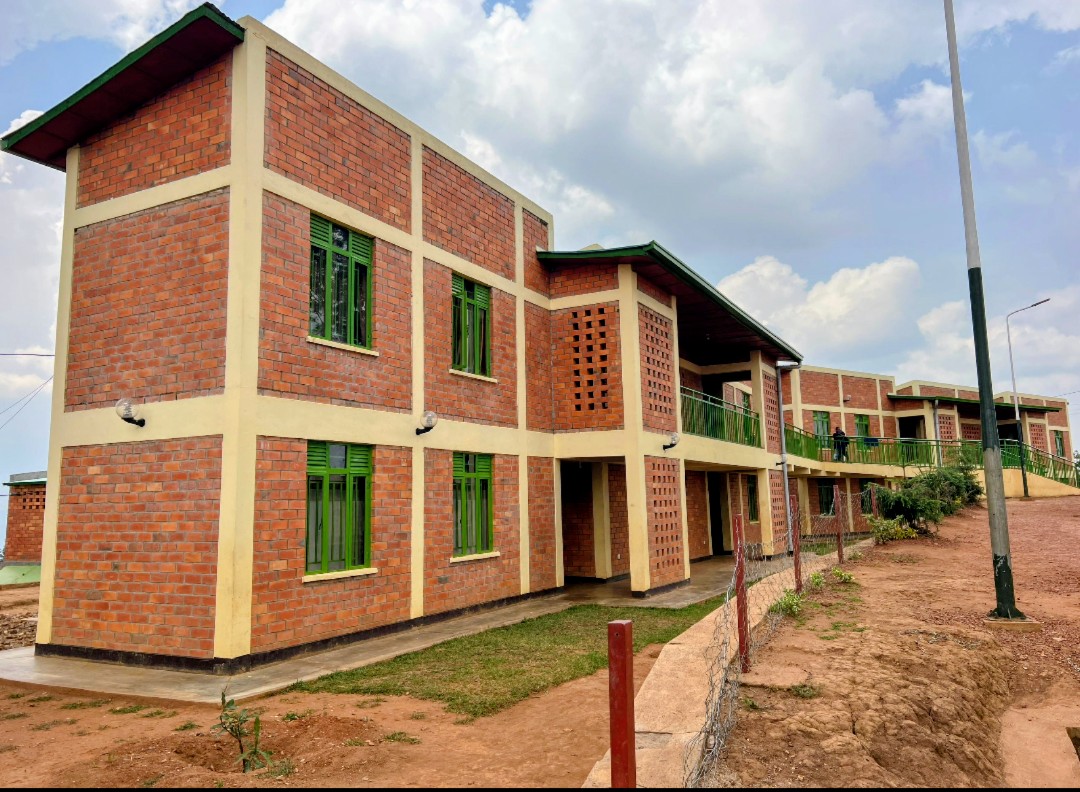
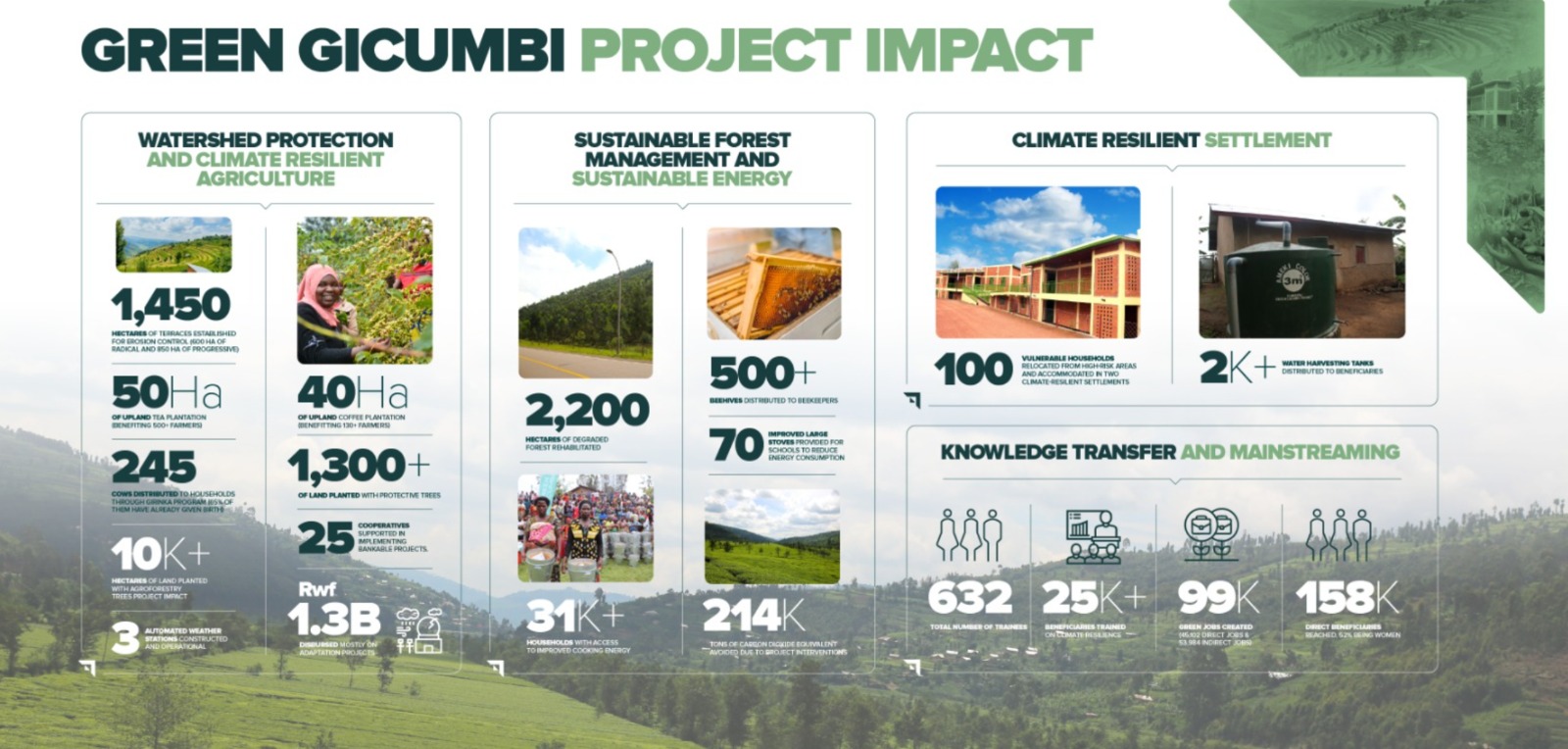
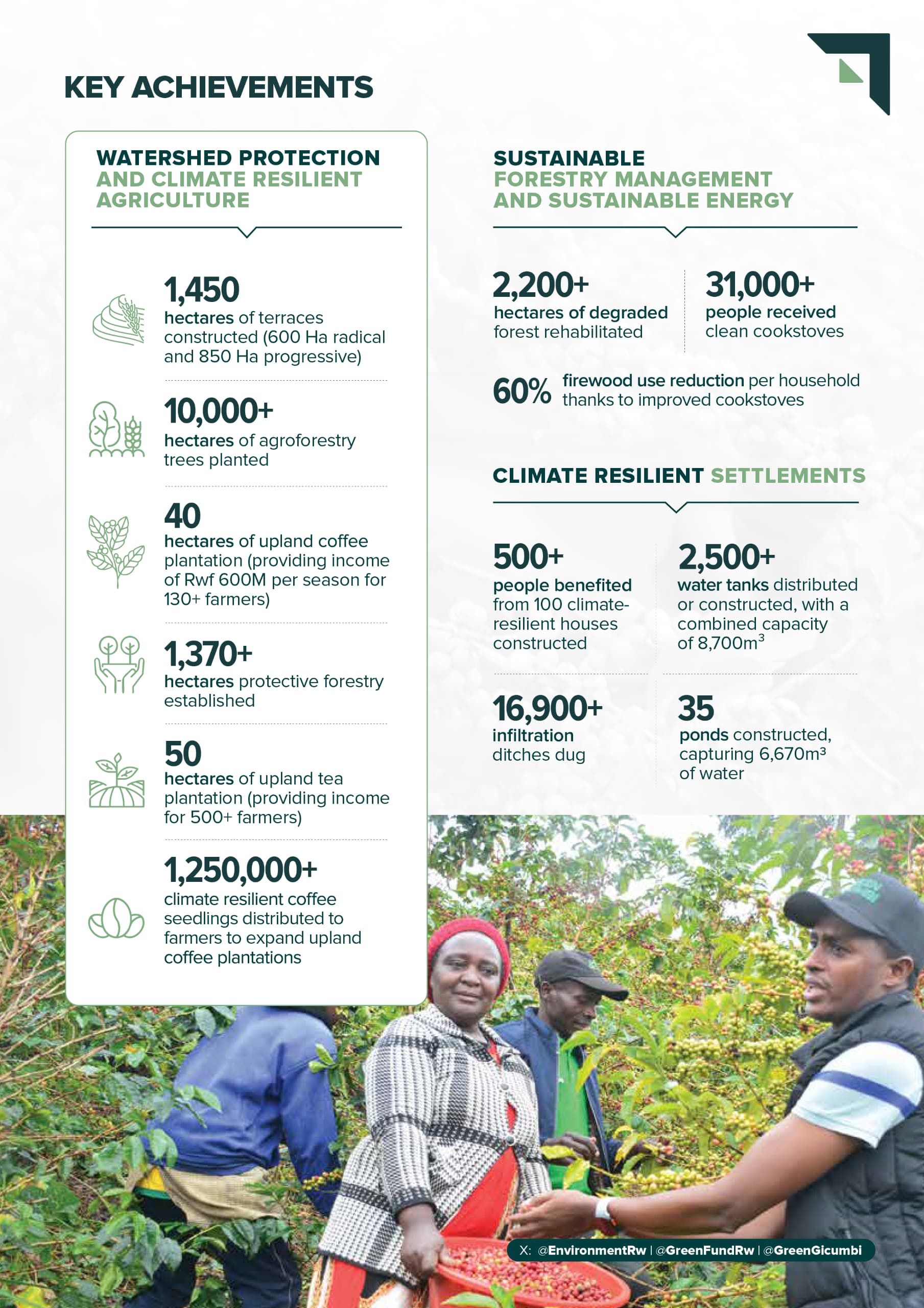
Participants also emphasized the importance of maintaining climate-resilient houses constructed for nearly 100 families who previously lived in high-risk zones, caring for tea plantations established on hillsides that were formerly prone to severe erosion during heavy rains, and protecting the restored Umuvumba River catchment area, which feeds into a wetland near the Gatuna border. In addition, they highlighted the need to engage communities living near rehabilitated forests, training them on sustainable forest management so that forests continue to provide livelihoods while stabilizing the fragile mountainous soils where they live.
Gicumbi District has a unique landscape characterized by steep hills. Over the past five years, more than 2,200 hectares of forest have been planted with support from the Green Gicumbi Project. Previously, heavy rainfall frequently caused destructive landslides that swept away homes and, in some cases, claimed lives. Today, residents express satisfaction that forests were rehabilitated at no cost to them, that they received employment opportunities on their own land, and that they now benefit from more stable soils and improved incomes.
The Mayor of Gicumbi District, Emmanuel Nzabonimpa, noted that in the past, agricultural activities were often disrupted by flooding in wetlands, tea plantations were damaged, and some residents lost their lives due to climate-related disasters. He emphasized that although the project is nearing its end, strong collaboration will continue to focus on changing community mindsets and ensuring that all achievements are preserved even after the project’s completion.
He added that communities living near Green Gicumbi intervention sites have made notable socio-economic progress by organizing themselves into cooperatives that promote savings and financial inclusion. As a result, every household now has health insurance, and no family remains in high-risk settlements, as vulnerable households have been relocated into modern, climate-resilient housing.
Speaking on behalf of Gicumbi’s development partners, Father Augustin Nzabonimana stressed that sustaining the project’s achievements should be a shared responsibility of all stakeholders, including private sector actors and partners. He called for continued innovation and strengthened collaboration to further accelerate the district’s development.
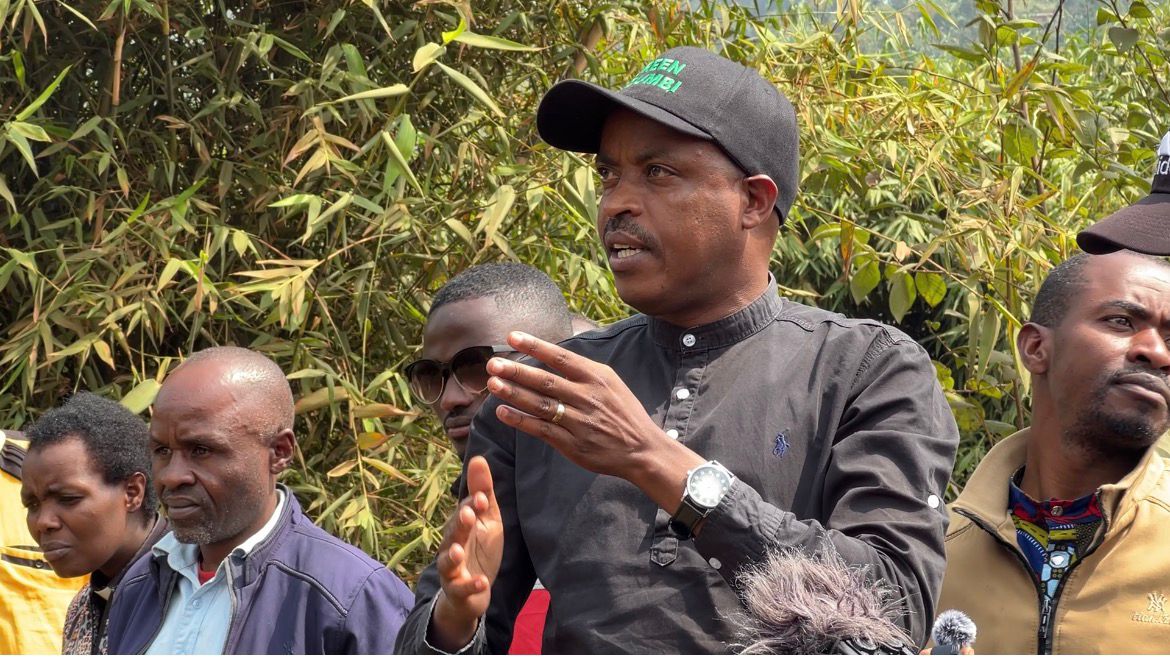
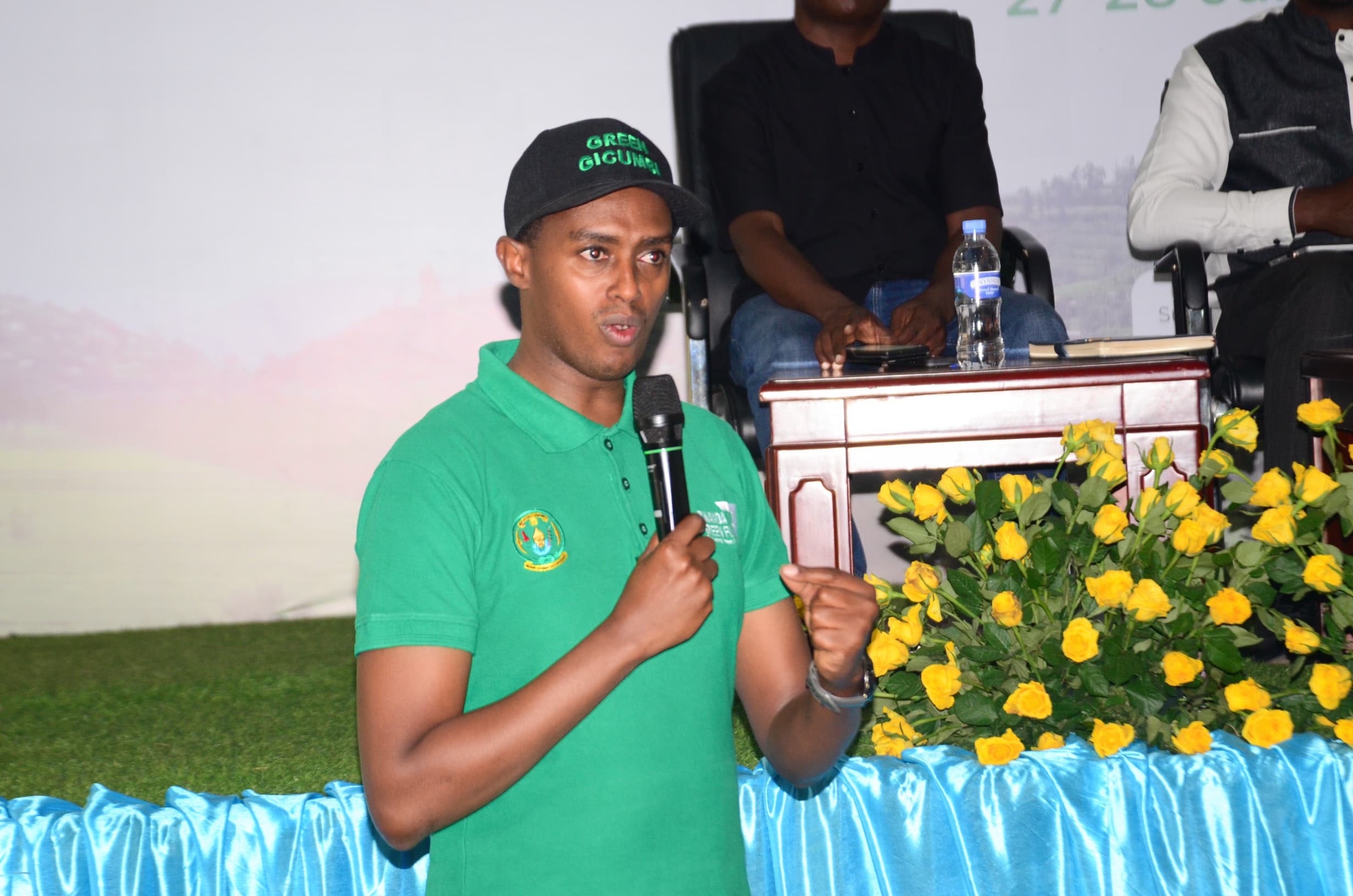
The Green Gicumbi Project Manager, Jean Marie Vianney Kagenza, explained that while many of the project’s objectives have been successfully achieved, this was made possible through close collaboration with local authorities and various partners who played a key role in community education and awareness-raising on climate change impacts. This collective effort enabled the project to effectively meet its goals of environmental conservation and climate change adaptation.
“This was an integrated project, and we are pleased that it has also inspired other complementary initiatives,” he said.
“Although the project was designed to run for six years and is now approaching its conclusion, continued awareness campaigns are essential to ensure that its achievements are sustained and that communities remain protected from rainfall-related hazards.”
He further noted that the project aimed to build climate resilience through wetland rehabilitation, erosion control, construction of progressive terraces, and forest restoration to replace degraded forests. These interventions were implemented across nine sectors of Gicumbi District where the project operated.
The training sessions concluded with in-depth discussions on concrete measures to sustain Green Gicumbi’s achievements, alongside field visits to selected project sites across the district. Overall, more than RWF 32 billion was invested in these initiatives, with the overarching goal of strengthening environmental protection and safeguarding the lives and livelihoods of local communities against climate-related disasters.