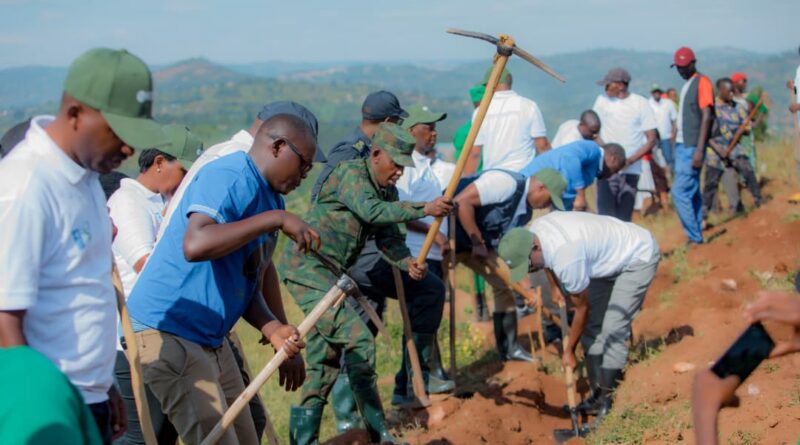
First phase of the Green Amayaga project concluded, leaving a lasting impact across the Mayaga region
The Ministry of Environment, in partnership with the Rwanda Environment Management Authority (REMA), government leaders, development partners including the Global Environment Facility (GEF) and the United Nations Development Programme (UNDP), as well as local communities and various stakeholders, joined residents of Gisagara District to officially launch Rwanda’s National Environment Week and close the first phase of the Green Amayaga Project.
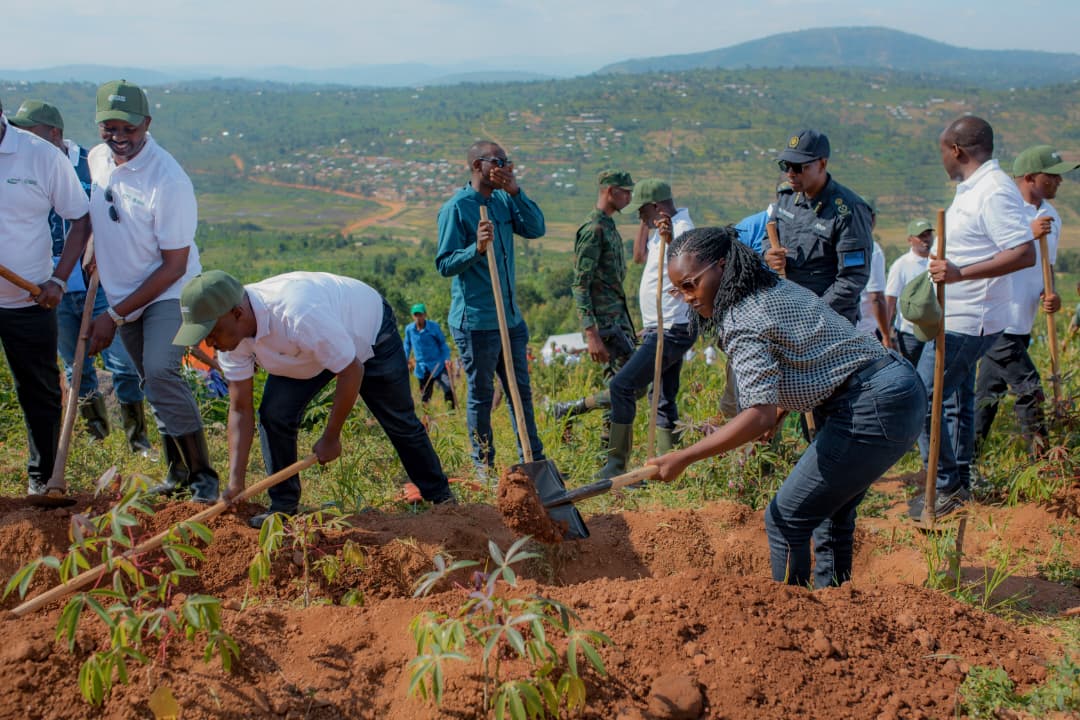
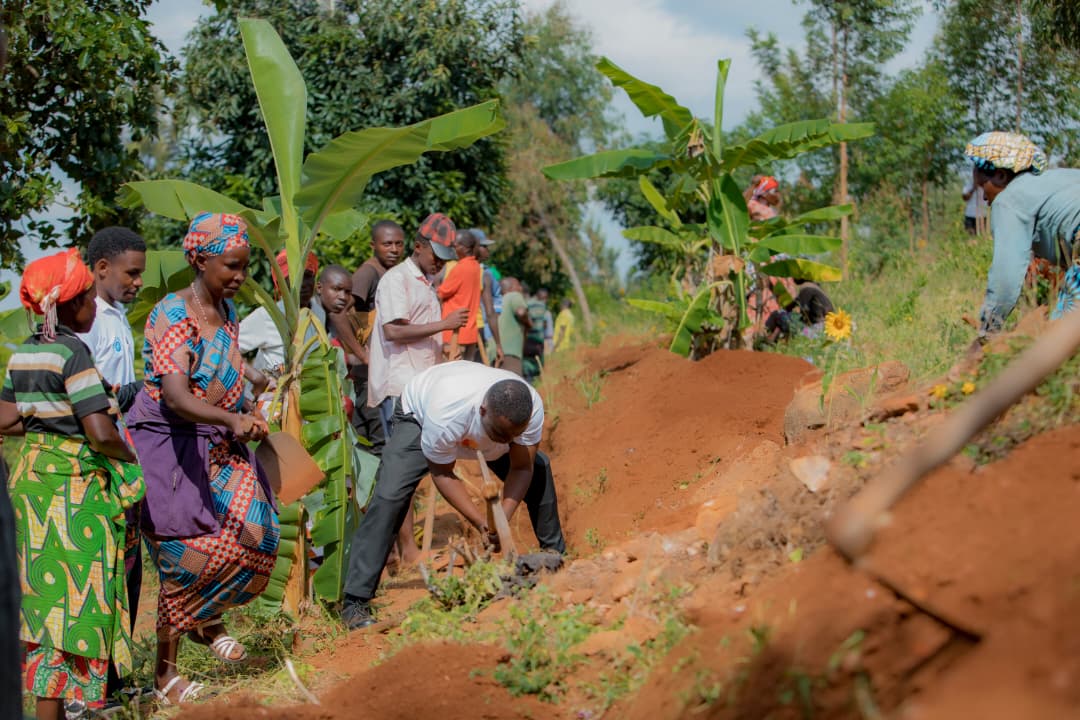
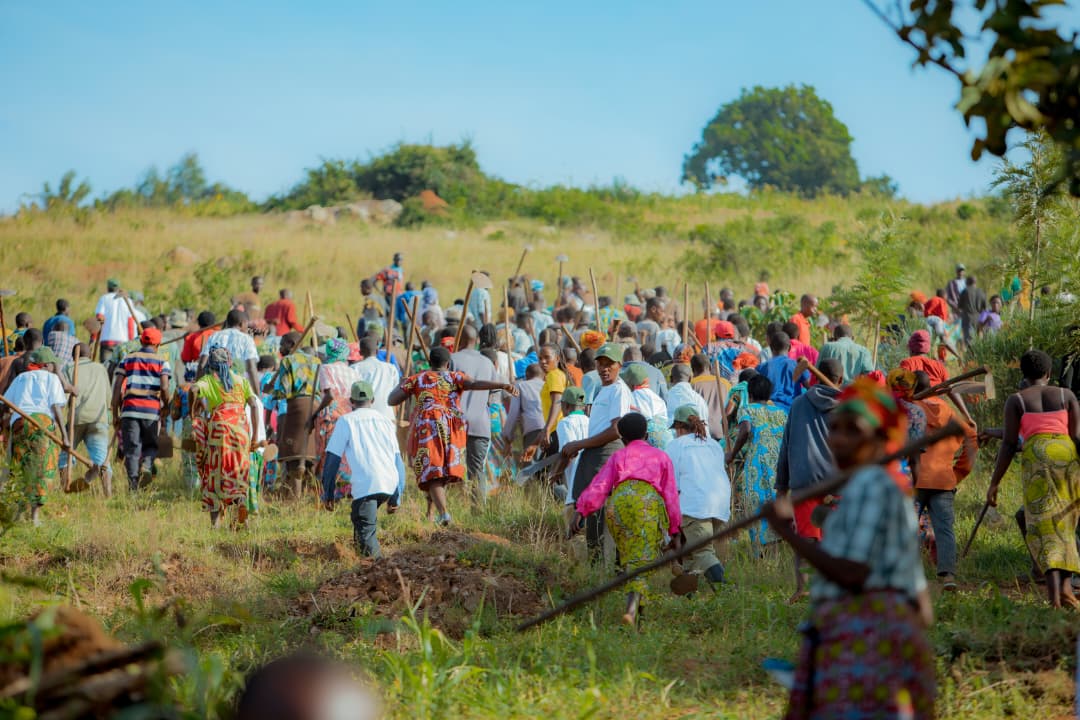
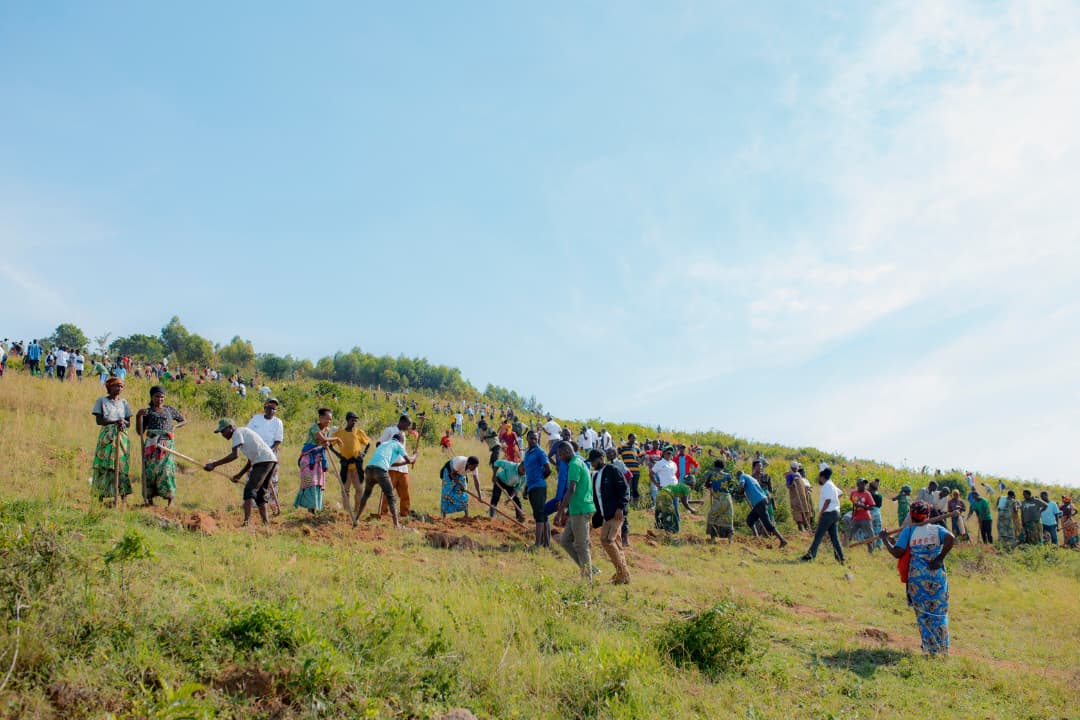
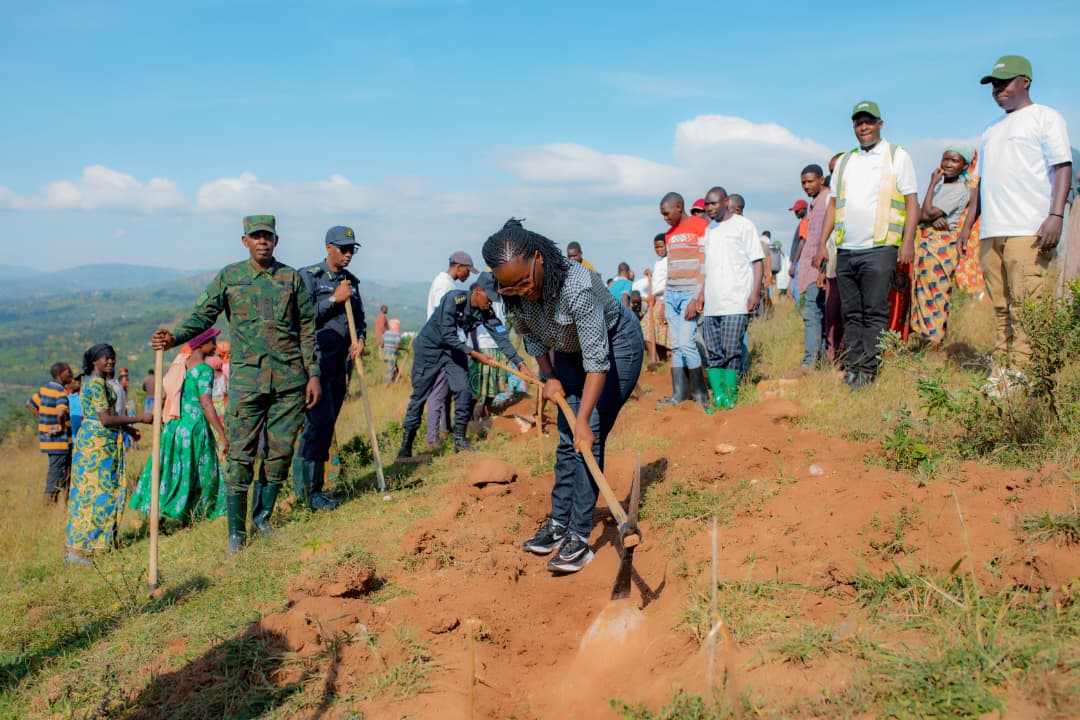
The event took place on May 30, 2026, in Mbogo Cell, Gikonko Sector, Gisagara District, during the monthly community service activity known as Umuganda. Residents and guests participated in environmental conservation activities, including the construction of anti-erosion terraces and tree planting aimed at protecting land resources, restoring ecosystems, and strengthening climate resilience.
National Environment Week began with a nationwide awareness campaign encouraging citizens to actively participate in efforts to address the impacts of climate change and promote sustainable development. The celebrations were also marked by the Climate Action Volleyball Tournament, organized jointly by the Rwanda Environment Management Authority (REMA) and the Rwanda Volleyball Federation (FRVB), to mobilize youth and communities in environmental protection initiatives.
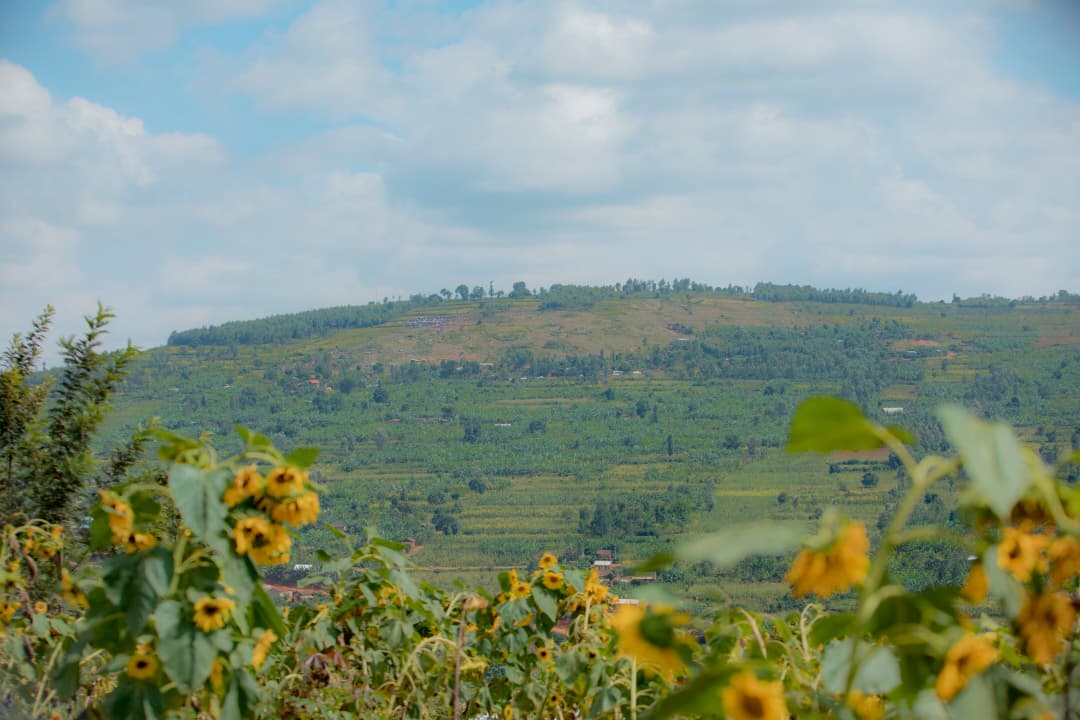
Over the past six years, the Green Amayaga Project has been implemented in the districts of Gisagara, Kamonyi, Nyanza, and Ruhango, focusing on landscape restoration, biodiversity conservation, and improving community livelihoods.
The project directly benefited more than 416,000 people, of whom 60.85 percent were women. It also created opportunities for young people and local communities to engage in environmental conservation while contributing to socio-economic development.
During its implementation period, the project generated more than 100,000 jobs through activities such as tree planting, land restoration, and soil erosion control. In addition, over 14,000 households received livestock, including cattle, goats, and pigs, enabling them to access organic manure, improve agricultural productivity, enhance food security, and increase household incomes.
The project also restored 37,900 hectares of degraded land. Furthermore, the 466.9-hectare Kibirizi-Muyira Natural Forest received enhanced protection measures aimed at safeguarding biodiversity and preserving critical natural resources. These interventions significantly contributed to reducing soil erosion, protecting water resources, and improving ecosystem integrity.
Green Amayaga also played a major role in climate change mitigation by preventing the emission of more than 625,000 tonnes of carbon dioxide equivalent (CO₂e). Additionally, over 224,000 households received improved cookstoves, helping reduce firewood consumption, limit deforestation, and lower household energy costs.
Yvette Giranata, a resident of Save Sector, said that the anti-erosion activities carried out during the community work program helped residents better understand the importance of land conservation and environmental protection.
«“Anti-erosion structures help retain rainwater and prevent soil loss. They also protect newly planted trees from being washed away. This is a practical solution for conserving land and improving agricultural productivity,” she said.»
Violette Mikarutabana from Gikonko Sector noted that anti-erosion measures play a critical role in reducing runoff from hillsides and preventing soil degradation.
«“When rainfall occurs in areas without trees or erosion-control structures, large amounts of soil are washed downhill, damaging farmland. However, where these measures exist, water flow is slowed and the soil remains intact,” she explained.»
Venuste Nzabamwita , also from Gikonko Cell, emphasized that erosion-control interventions have contributed significantly to increased agricultural production while protecting farmland from heavy rainfall. He added that trees and anti-erosion structures are essential tools for helping communities adapt to climate change.
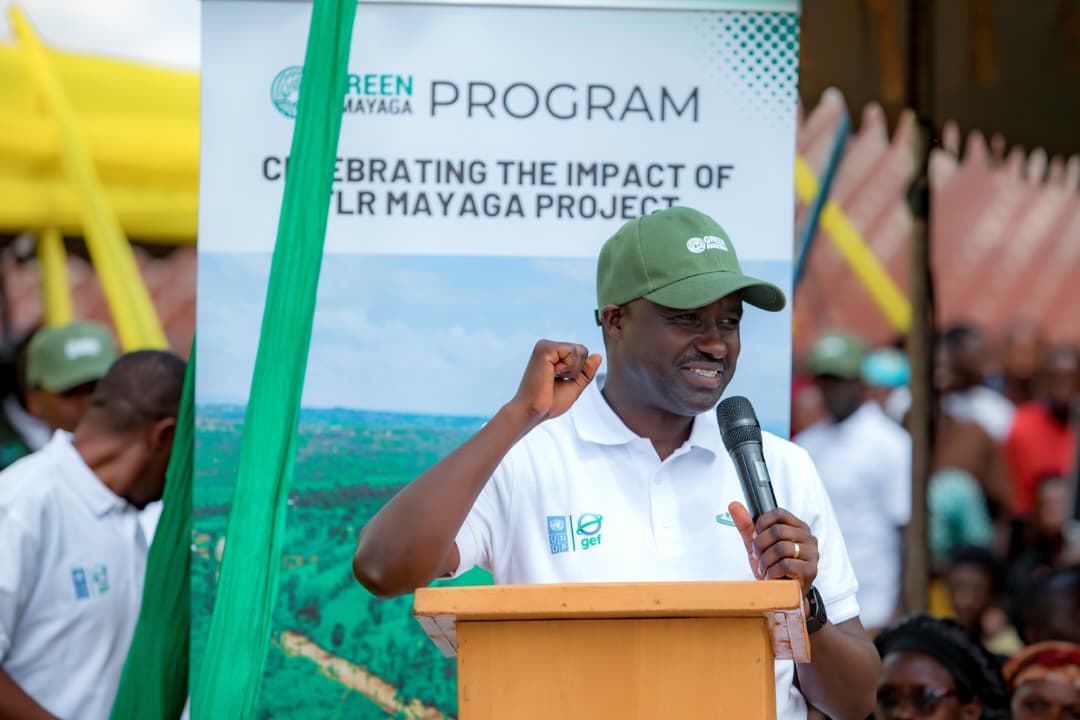
Speaking during the official closure ceremony of the first phase of Green Amayaga, Gisagara District Mayor Jérôme Rutaburingoga highlighted the project’s contribution to achieving the district’s development targets.
«“This project has delivered substantial benefits. It has greatly supported our efforts in environmental conservation and improving the livelihoods of our citizens. The achievements we celebrate today reflect strong collaboration between communities and development partners,” he said.»
The Governor of the Southern Province, Alice Kayitesi, stated that Green Amayaga provided practical solutions to many challenges facing communities in the project areas.
«“Green Amayaga addressed critical issues in Gisagara, Kamonyi, Nyanza, and Ruhango. It contributed significantly to economic development and community well-being. We hope the second phase of the project will be expanded so that more communities can benefit from its impact,” she said.»
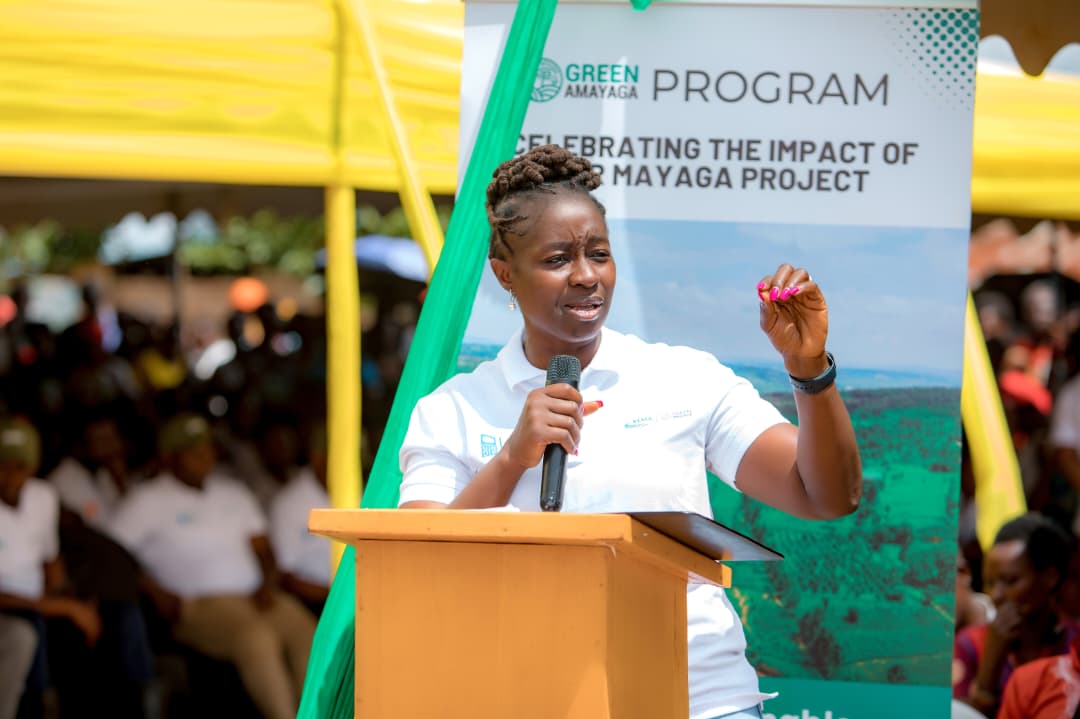
UNDP Resident Representative Fatimata Essay commended the commitment demonstrated by communities and stakeholders throughout the project’s implementation.
«“As we celebrate today’s achievements, we must remember that restoration is not a one-time event. It is a long-term commitment. The trees planted must continue to grow, restored landscapes must continue to be protected, and the partnerships we have built must continue to deepen,” she said.»
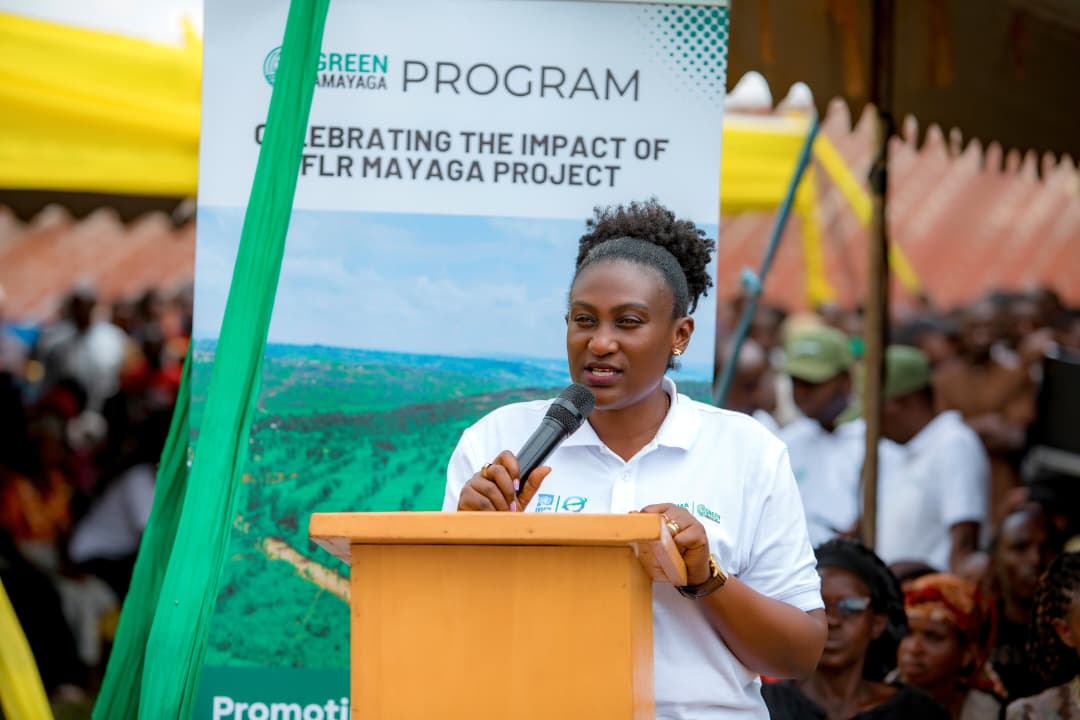
Minister of Environment Dr. Bernadette Arakwiye said that the achievements of the first phase demonstrate that environmental conservation can go hand in hand with improving people’s livelihoods.
«“Today marks the beginning of a new journey. The project we are launching should serve as a response to the challenges we continue to face, including land degradation, climate change, and declining agricultural productivity. We are committed to expanding tree planting, strengthening erosion control measures, and building community resilience,” she said.»
She added that the second phase of Green Amayaga will further strengthen ecosystem restoration, sustainable land management, and climate-resilient agriculture.
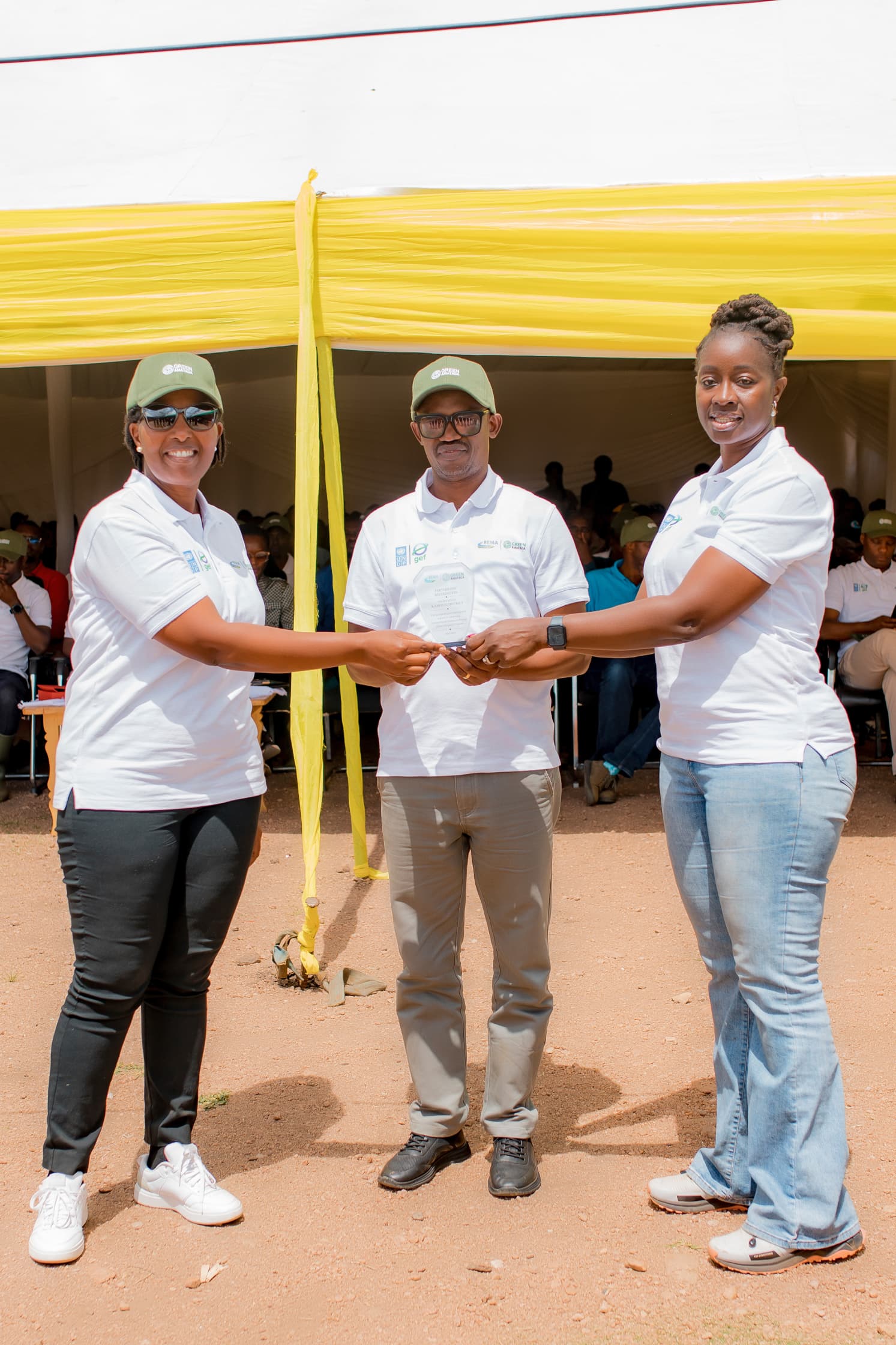
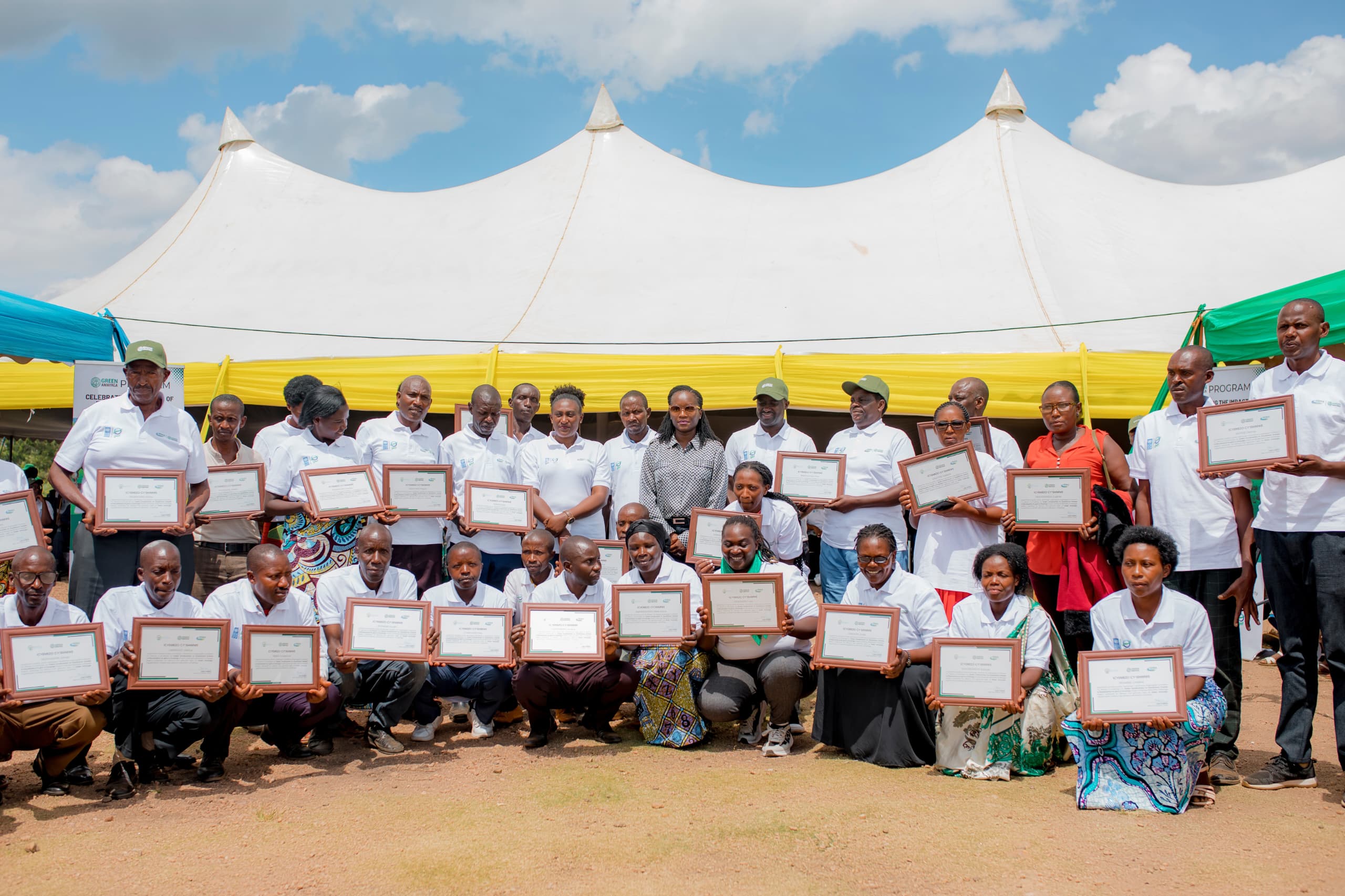
During the event, the districts of Gisagara, Kamonyi, Nyanza, and Ruhango were recognized for their strong collaboration in implementing the project. Outstanding beneficiaries who demonstrated exemplary stewardship of project interventions were also honored and pledged to continue protecting and sustaining the achievements made.
The completion of the first phase of Green Amayaga and the launch of its second phase underscore Rwanda’s commitment to building a green economy, tackling climate change, and promoting sustainable livelihoods for communities across the country.
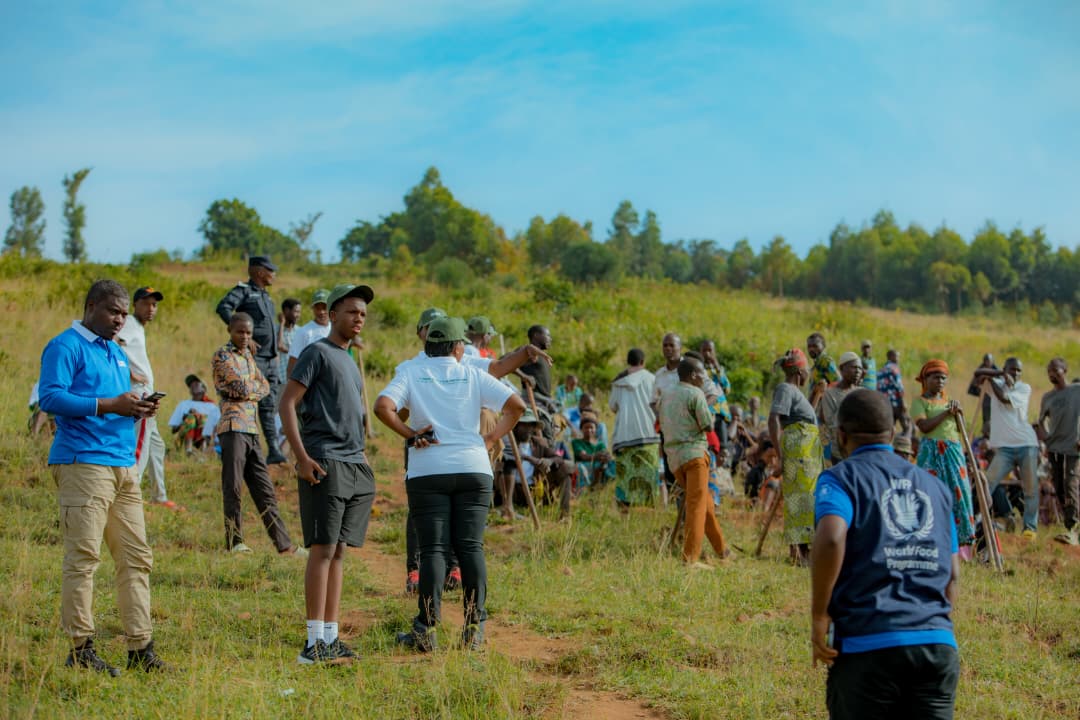
The event was attended by the Minister of Environment, Dr. Bernadette Arakwiye; REMA Director General Juliet Kabera; REMA Deputy Director General Faustin Munyazikwiye; Southern Province Governor Alice Kayitesi; district leaders from Gisagara, Nyanza, Ruhango, and Kamonyi; representatives of development partners including the Global Environment Facility (GEF) and the United Nations Development Programme (UNDP); security officials; civil society organizations; Green Amayaga beneficiaries; and hundreds of residents from Gisagara and other project beneficiary districts.