
The Customers Were Always at the Door: How One Online Store Stopped Turning Crypto Payments Away
You open your wallet and the balance looks good. Yet you feel poor, because the money is digital and the world around you still wants cash, cards or mobile money.
Crypto can be spent almost anywhere online, until the moment you actually need to receive it or turn it into local currency. Then you wait for confirmations. Then you find a peer-to-peer trader, and because you need the cash now, you accept a worse rate and watch part of your money disappear. Or you try to pay on a gaming site and find it doesn’t take your coin at all.
Someone is holding value and wants to spend it with you. On too many checkouts, that person walks away.
Merchants are not ignoring crypto out of stubbornness. Many of the gateways built to accept it come with strings attached.
Identity paperwork.BitPayrequires full KYC/AML verification for all merchants, including business registration documents, beneficial ownership disclosure and bank account verification, and one comparison says verification takes 1 to 7 days. CoinGate operates under EU regulations and requires standard business verification.
Fees and plans.Now Paymentand CoinGate both list a 1% standard fee, and other providers add plan-based or settlement-related costs.
Limits on who can use them.NOWPayments is explicitly unavailable to US-based merchants, and some providers restrict industries
For a freelancer, a creator, a small shop or a gaming platform, it can feel like standing outside a door that only opens for the people who already have everything in order. Many of these merchants also want privacy for themselves and their customers, and every document shared is data that someone else now holds.
Aissatou Assoumou ran an e-commerce store with home delivery. The advertising was everywhere: social media, billboards, even television. Visitors came, but sales stayed stubbornly low. Nothing changed.
So Aissatou stopped guessing and studied the data. A strange pattern appeared, people were registering on the site and then not paying. They were not window-shopping. They wanted to buy, but they wanted to pay with cryptocurrency, and the checkout had no way to say yes.
Aissatou searched for a solution and found UMVA Pay. The fee was low, there were no extra charges, and the rate was open to negotiation. The decision was simple, try it for three months.
It took one. Aissatou called me, half-laughing, half-astonished, asking whether UMVA was the one sending all this money. We weren’t. They were the customers who had been waiting outside the door all along. Aissatou had simply opened it.
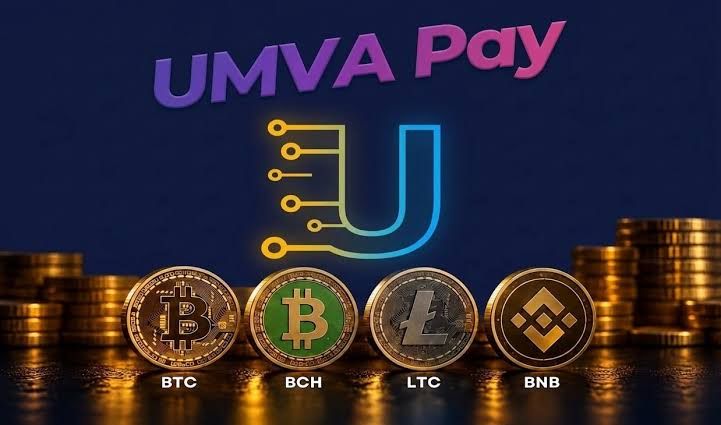
UMVA Pay,is a cryptocurrency payment gateway that lets businesses accept crypto payments from customers and process withdrawals, all through a single platform.
No identity documents are required to open a merchant account.
A flat 1.5% fee per transaction, with no monthly fee and no chargebacks.
50+ supported currencies, including USDT (TRC20, BEP20, ERC20), USDC, Bitcoin, Ethereum, Litecoin, BNB, TRON, Solana and Dogecoin.
Prices in USD, settled in USDT to your TRC20 or BEP20 wallet, so you receive the dollar value instead of riding crypto’s price swings, while customers pay with whatever they hold.
Public API and documentation, so developers can integrate directly.
It’s built for e-commerce stores, freelancers and creators, gaming platforms, digital-goods sellers and other online businesses. Payments are processed automatically after network confirmation, with no manual approval step.
Ready to say yes?
Go to umva.netand click Payments
Log in, then click Merchant.
Choose your settlement network (TRC20 or BEP20) and grab your public API and documentation.
Start accepting USDT, USDC, BTC, ETH, LTC, BNB, TRX, SOL, DOGE and more.