Agroeclogy and Climate -resilient farming gain momentum in Musanze as AGROECOLOGY FUND and APPE support farmers to embrace sustainable soil management
The Northern Province of Rwanda, particularly the districts of Musanze, Burera, Nyabihu and Rubavu, is renowned for its highly productive agricultural systems, largely attributed to the fertility of its volcanic soils and favorable climatic conditions. However, this region is increasingly facing the adverse effects of climate change, including erratic rainfall patterns, severe soil erosion, landslides and the gradual decline of soil fertility.
These challenges are further exacerbated by farming practices that place significant pressure on natural resources, particularly the excessive dependence on synthetic fertilizers. While chemical fertilizers can enhance agricultural productivity in the short term, concerns remain over their long-term implications for soil health, biodiversity and the sustainability of farming systems.
In response to these challenges, the organization Appui aux Paysans Vulnérables pour la Protection de l’Environnement (APPE/ESAFF Rwanda) has launched an agroecology project funded by the AGROECOLOGY FUND through TRUST AFRICA. The initiative seeks to strengthen community-led agroecological practices aimed at restoring soil health, promoting sustainable agriculture and enhancing resilience to climate change.
The project focuses on advancing organic soil fertility management through the use of compost, farmyard manure and other environmentally friendly soil restoration practices. It also promotes agroforestry, sustainable water management and ecological farming methods that contribute to the regeneration of degraded soils while improving agricultural productivity.
Over a period of 12 months, the project will directly benefit approximately 400 smallholder farmers, with particular emphasis on the active participation of women and youth. Beneficiaries will receive training through farmer-to-farmer learning approaches, demonstration plots and collective marketing initiatives designed to strengthen both agricultural production and rural livelihoods.
Beyond field-level interventions, the project seeks to enhance the participation of farmers in policy discussions on agroecology at both district and national levels. By amplifying farmers’ voices in decision-making processes, the initiative aims to contribute to the long-term transformation of Rwanda’s food systems into ones that are resilient, sustainable and farmer-led.
Since its launch on August 12, 2026, APPE/ESAFF Rwanda has been implementing activities that prioritize climate-resilient agriculture, environmental conservation and sustainable food systems. These efforts include capacity-building programs, demonstration farms, peer-to-peer learning and multi-stakeholder dialogue platforms.
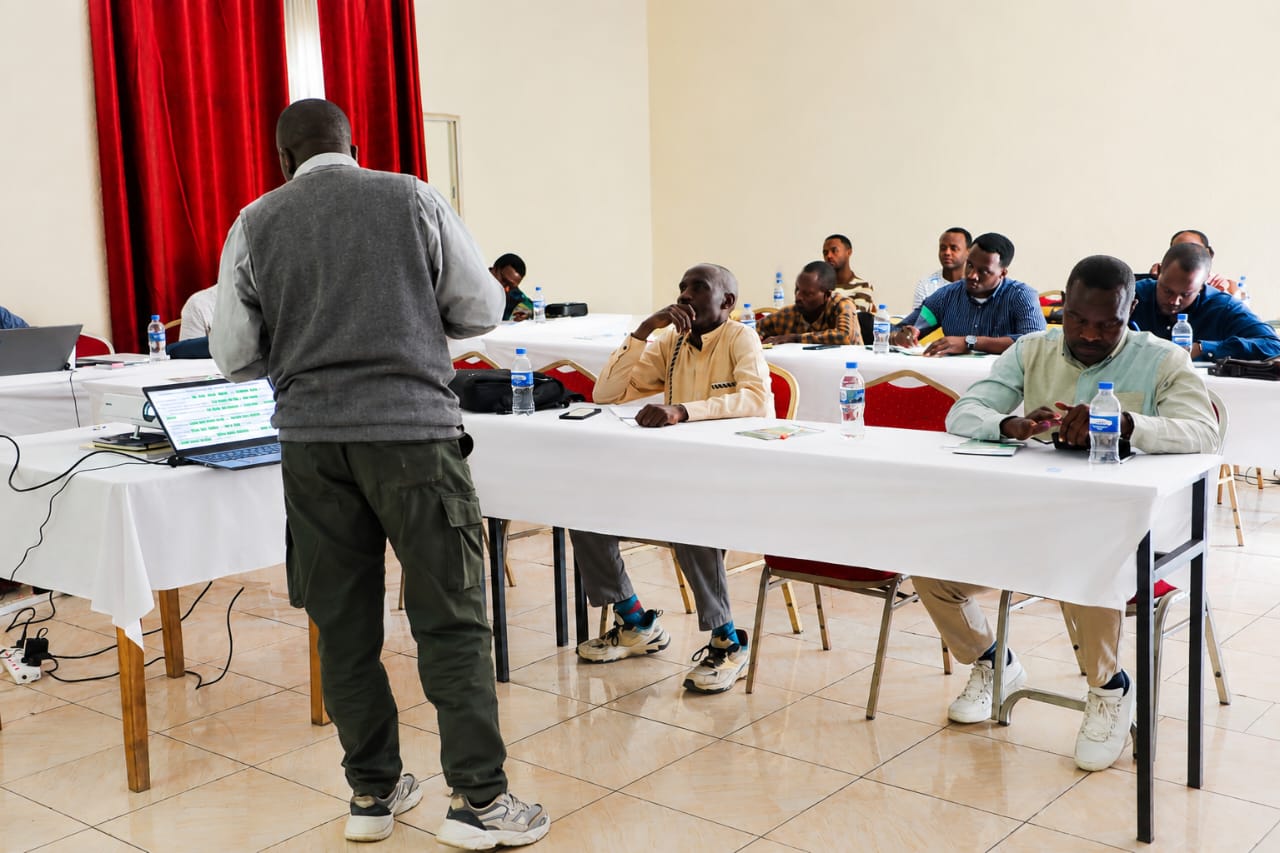
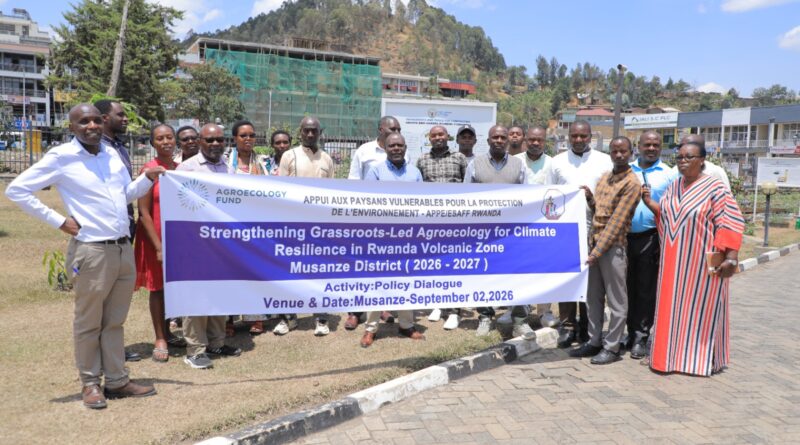
On September 2, 2026, a policy dialogue on agroecology was held in Musanze District, bringing together district officials, farmers and representatives from organizations working to promote sustainable agriculture. Participants included the Sabyinyo Community Livelihood Association (SACOLA), Rwanda Organic Agriculture Movement (ROAM), Rwanda Pyrethrum Cooperatives’ Union (RPCU), IMBARAGA Farmers’ Organization and the Seed Potato Fund, among other stakeholders.
Speaking during the dialogue, Oscar Mpiranya, Coordinator of APPE/ESAFF Rwanda, emphasized the critical role of agroecology in transforming Rwanda’s agri-food systems. He noted that agroecology offers practical solutions for addressing climate change, restoring soil fertility and strengthening the resilience of farming communities. He further called for inclusive programs that ensure meaningful participation of smallholder farmers, women and youth.
The Head of Agriculture, Livestock and Natural Resources in Musanze District, Jean Ngendahayo, commended the partnership between the district and APPE in promoting climate-smart and soil-conserving agricultural practices.
“We have been working closely with APPE through training programs focused on soil conservation and climate-resilient agriculture. The progress achieved so far demonstrates that trainees and APPE members are acquiring practical knowledge capable of transforming their communities and generating positive social change,” he said.
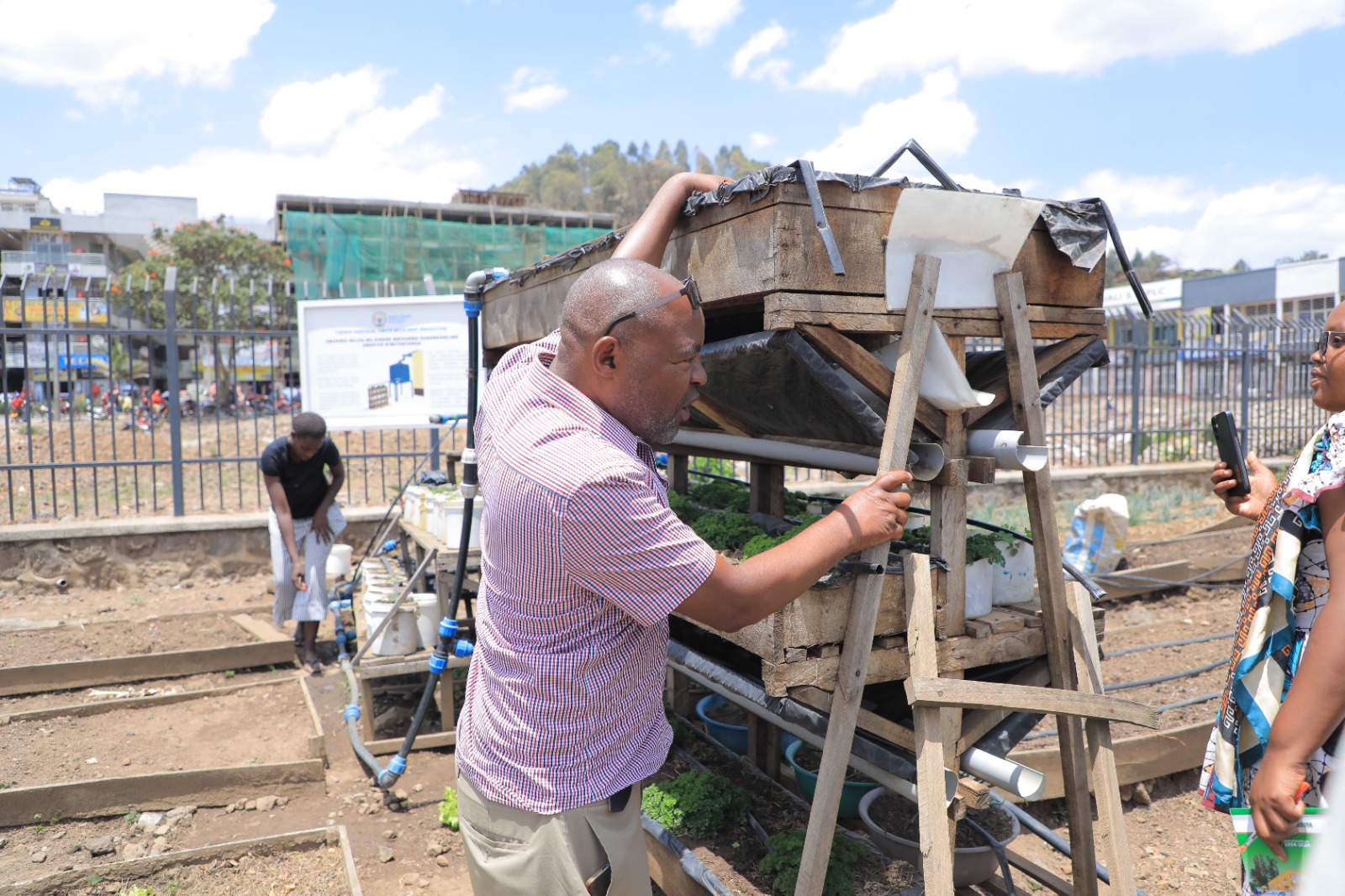
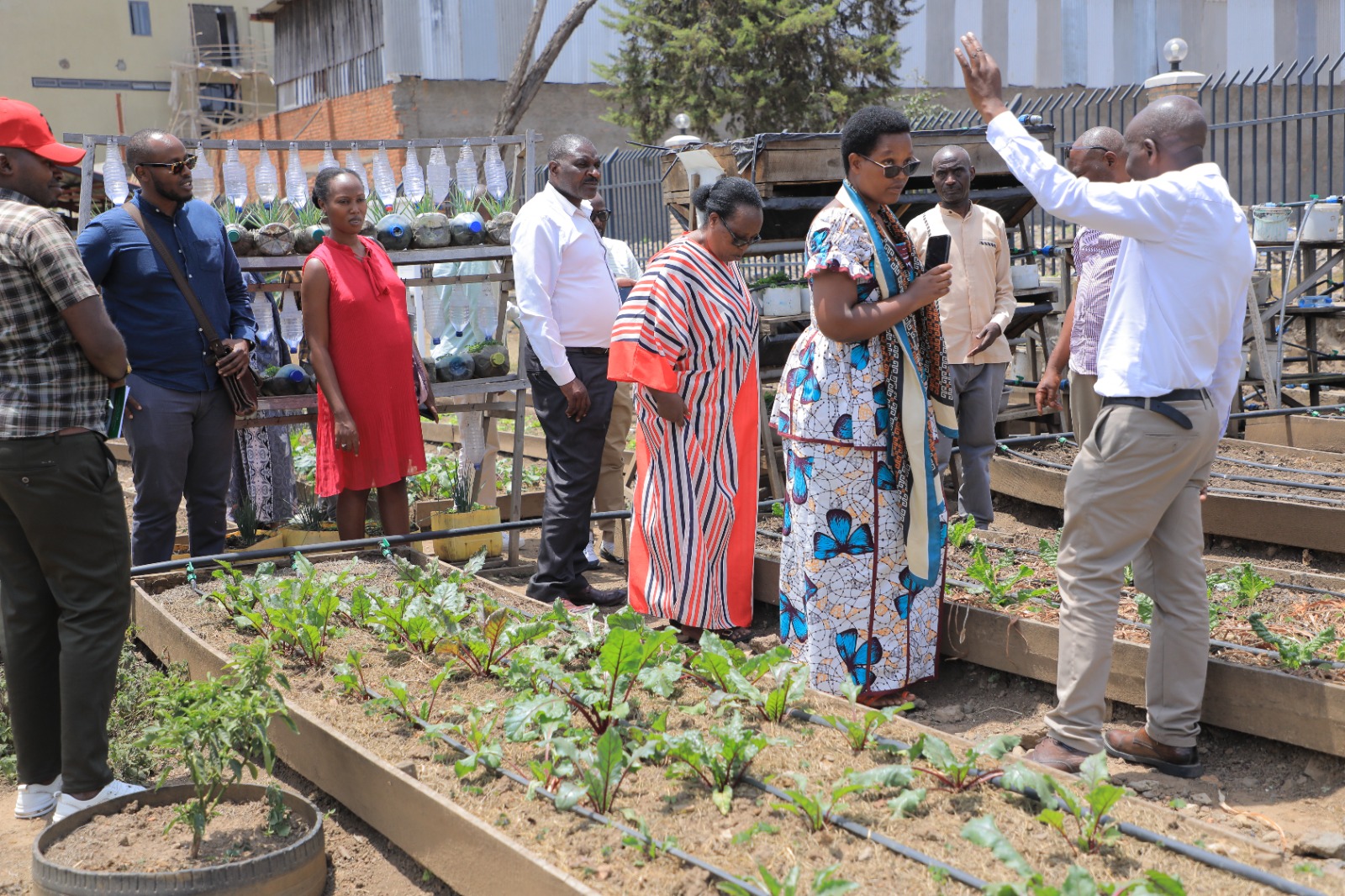
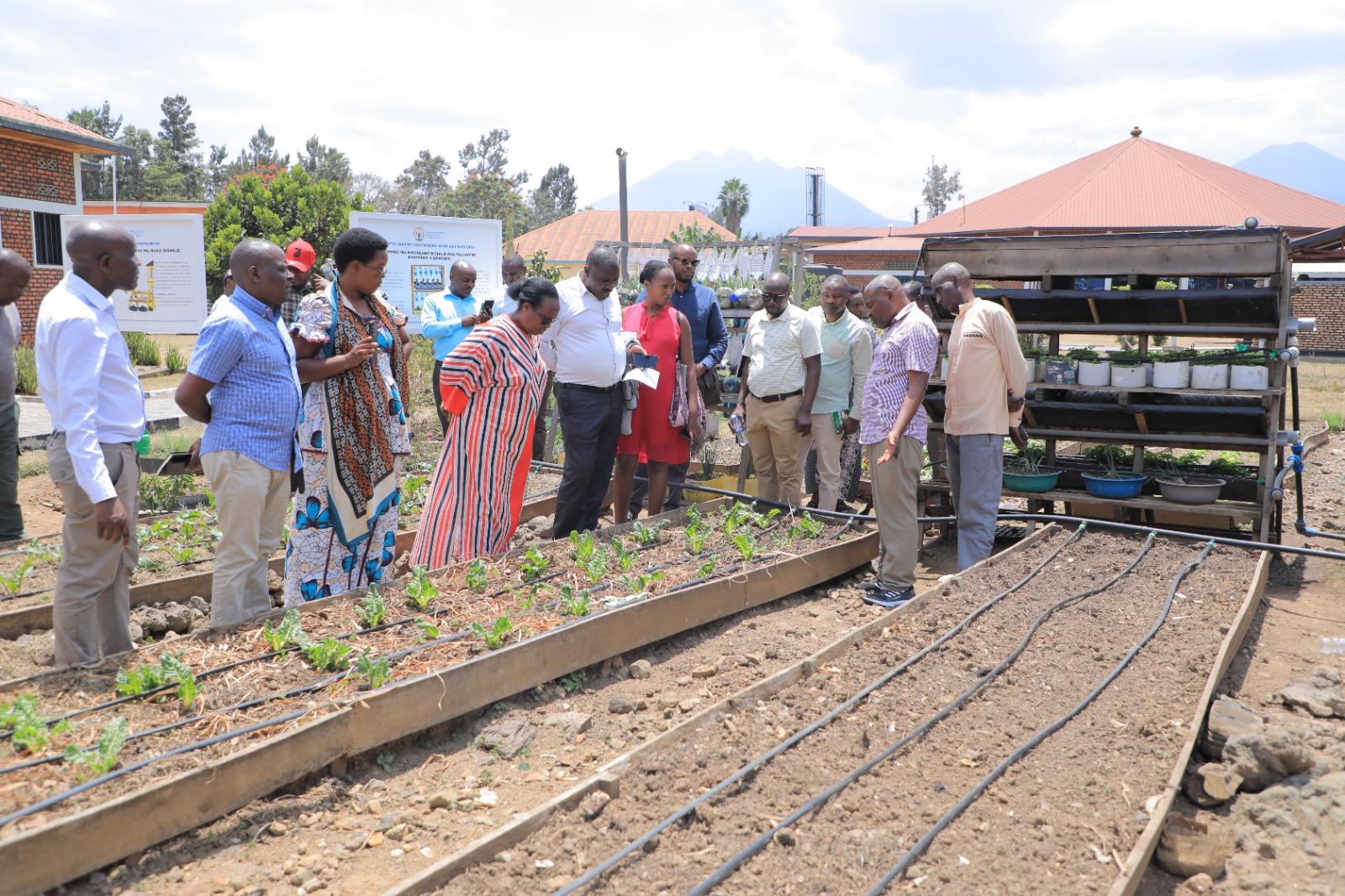
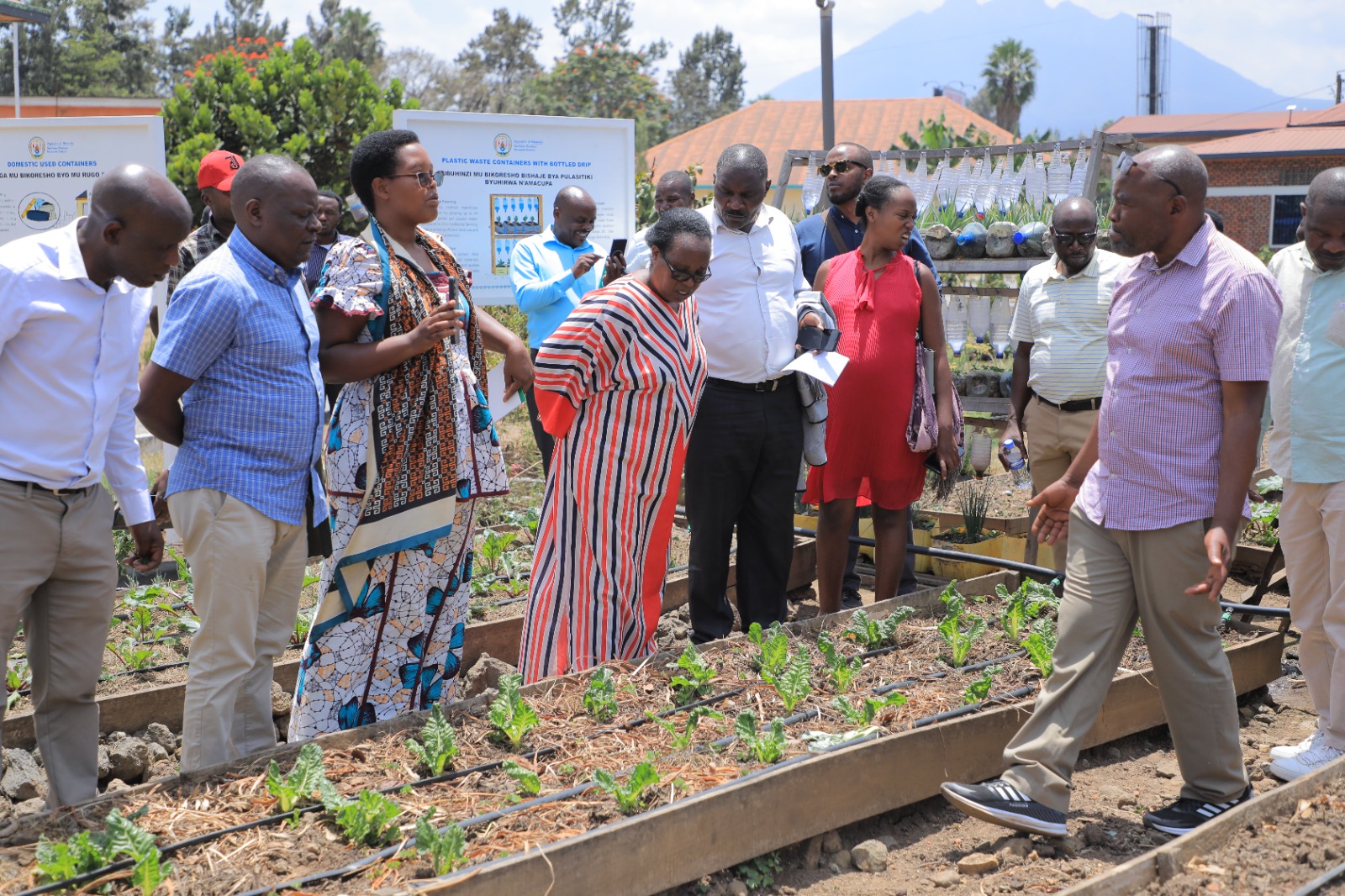
Ngendahayo highlighted the innovative approaches being adopted by trained farmers, including the reuse of plastic bottles in the establishment of kitchen gardens and household nutrition gardens.
“Plastic bottles that were once considered useless are now being utilized to create productive gardens and kitchen gardens. Following the training, participants are replicating these practices in their communities. This not only reduces environmental pollution but also improves household access to vegetables and other nutritious foods,” he explained.
He further noted that participants have become ambassadors of agroecology within their communities by sharing knowledge and practical skills with fellow farmers.
“Those who attend these trainings are increasingly helping others understand how to practice environmentally friendly agriculture that protects soil resources while improving livelihoods. Through continuous knowledge-sharing and community discussions, farmers gain a deeper understanding of agroecological practices and their long-term benefits,” he added.
The project is expected to strengthen the capacity of farming communities across the volcanic region to adapt to climate change while promoting sustainable land management, ecological restoration and improved food security.
For farmers in the volcanic highlands, the adoption of agroecological practices such as organic fertilization, soil conservation, erosion control and the integration of crop and livestock systems represents a viable pathway toward building healthy soils, resilient farming systems and sustainable agricultural production for future generations.