Green Gicumbi and Green Amayaga: Flagship initiatives strengthening Rwanda’s climate resilience
As the global climate crisis continues to intensify, Rwanda is reinforcing its commitment to climate resilience through transformative, nature-based solutions. Among the country’s most impactful interventions are the Green Gicumbi and Green Amayaga programmes, two flagship initiatives that have become cornerstones of Rwanda’s strategy to mitigate climate change, restore degraded ecosystems, and enhance the adaptive capacity of vulnerable communities.
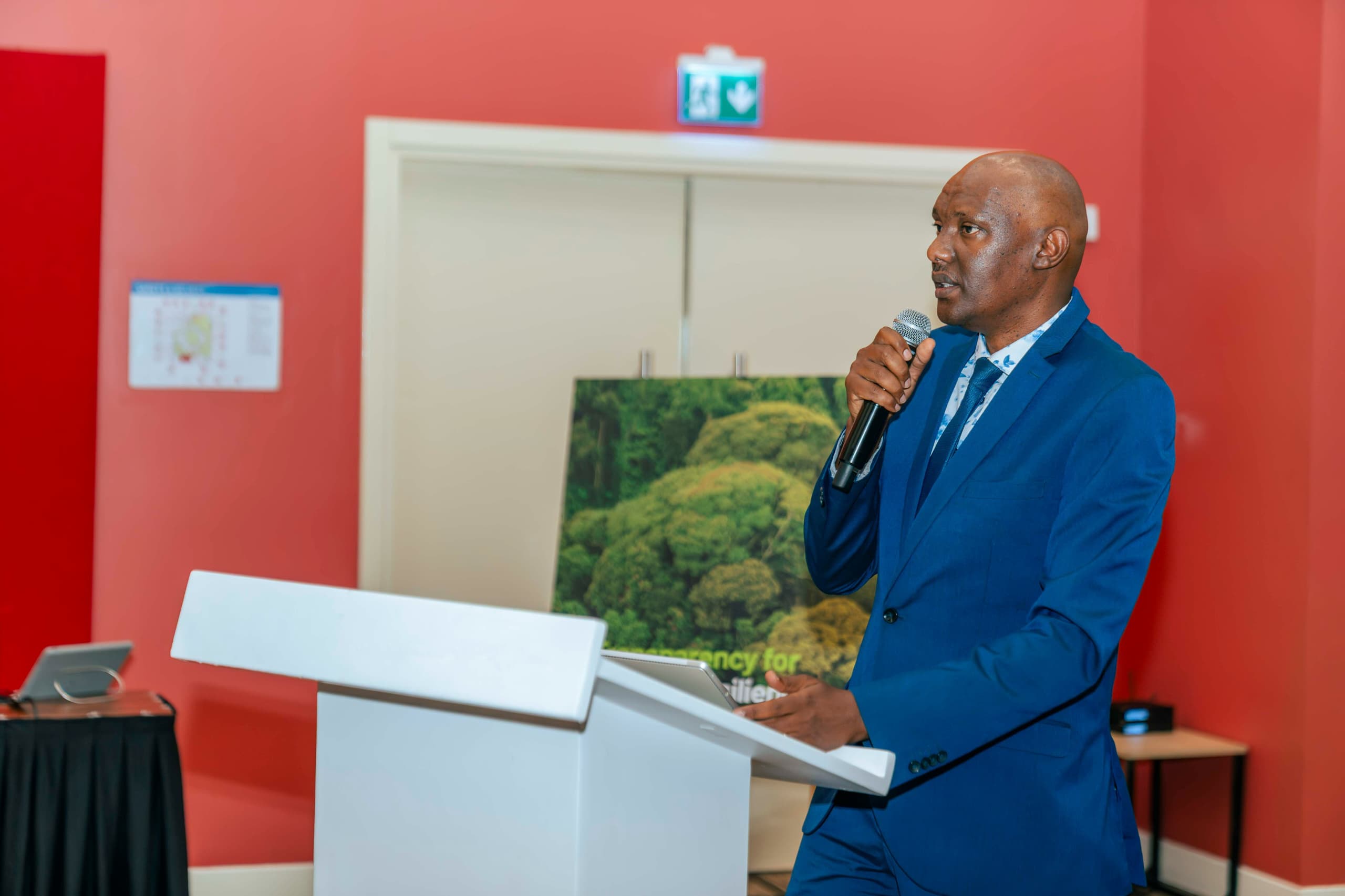
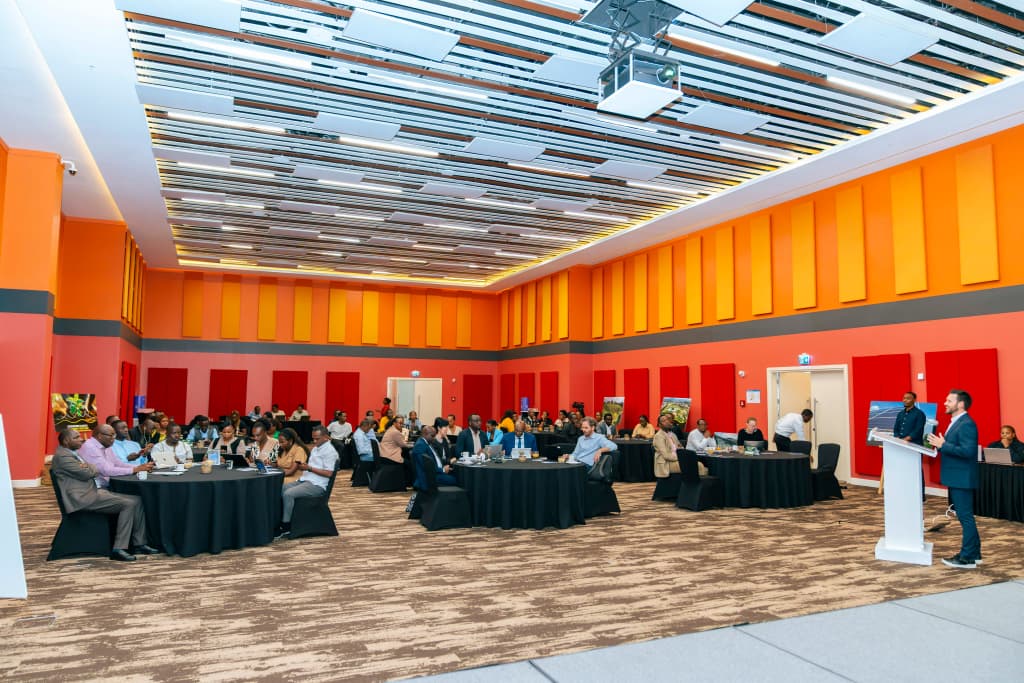
These remarks were made by Faustin Munyazikwiye, Deputy Director General of the Rwanda Environment Management Authority (REMA), during the Environment and Climate Talks held in Kigali on June 3, 2026. He emphasized that both programmes have delivered tangible outcomes in reducing greenhouse gas emissions while simultaneously strengthening community resilience against the escalating impacts of climate change.
Munyazikwiye was speaking during the launch of three landmark climate reports: Rwanda’s inaugural Biennial Transparency Report (BTR1), the Climate Change Vulnerability Impact Assessment (CCVIA 2025), and the country’s updated Nationally Determined Contributions (NDC 3.0), which outlines Rwanda’s climate ambitions through 2035.
The CCVIA 2025 identifies Gicumbi District as one of Rwanda’s most climate-vulnerable regions, recording a vulnerability index of 0.555. The assessment reveals that nearly half of the households lack irrigation infrastructure, leaving agricultural production heavily dependent on increasingly erratic rainfall patterns. Moreover, a significant proportion of residents continue to rely on fuelwood for cooking, exacerbating deforestation, land degradation, and soil erosion.
The district’s mountainous topography, high precipitation, and dense population further amplify its susceptibility to landslides, severe soil erosion, and land instability.
Conversely, Gisagara District, which encompasses much of the Amayaga region, registered the highest climate vulnerability index nationwide at 0.690. Communities in this semi-arid landscape continue to grapple with declining agricultural productivity, dwindling water resources, accelerating land degradation, and increasingly unpredictable rainfall regimes.
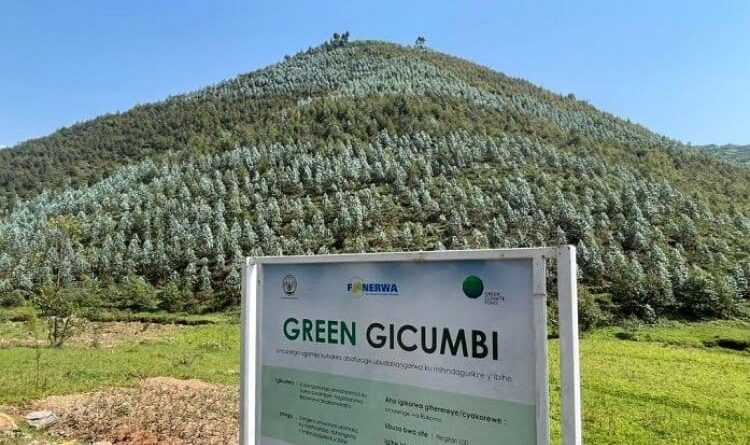
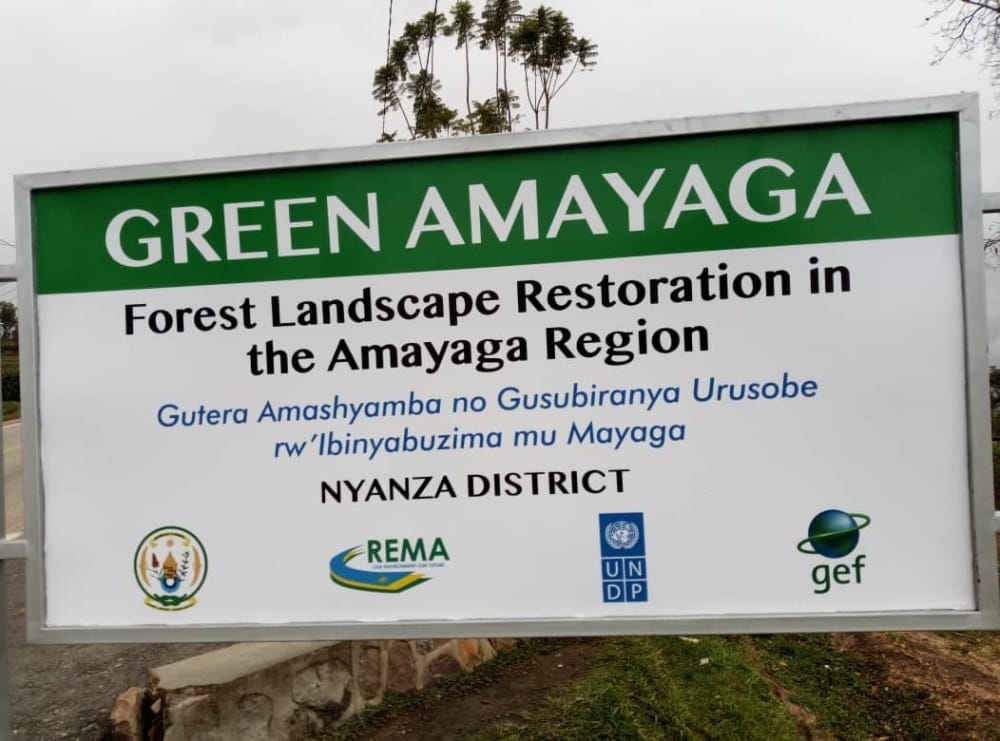
To address these multifaceted challenges, the Green Gicumbi and Green Amayaga initiatives were conceived as integrated ecosystem restoration and climate adaptation programmes aimed at rehabilitating degraded landscapes while bolstering local resilience.
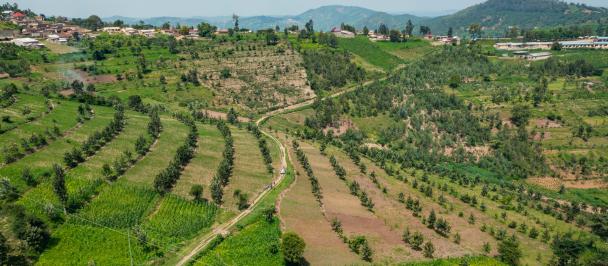
Their interventions encompass large-scale afforestation and reforestation, watershed restoration, riverbank protection, sustainable land management, climate-smart agriculture, promotion of clean cooking technologies, and the development of environmentally sustainable livelihood opportunities.
According to Munyazikwiye, the programmes have generated measurable socioeconomic and environmental dividends over the past six years.
“The Green Gicumbi programme has significantly strengthened resilience across Gicumbi District over the past six years. Likewise, the Green Amayaga initiative, implemented by REMA in collaboration with the Ministry of Environment and local government institutions over the same period, has fundamentally transformed livelihoods and environmental conditions throughout the region,” he said.
He further noted that extensive tree planting campaigns, the widespread adoption of cleaner cooking fuels, and the transition of schools and public institutions from fuelwood to liquefied petroleum gas (LPG) have substantially enhanced community resilience while contributing to greenhouse gas emission reductions.
“When you look at the number of trees planted, the transition to cleaner cooking energy, and educational institutions replacing firewood with LPG, it is evident that these interventions are enhancing resilience across different regions while reducing the adverse effects of climate change,” he added.
According to the BTR1, Rwanda’s Forestry and Other Land Use (FOLU) sector remains the country’s only net carbon sink, sequestering more greenhouse gases than it emits. Consequently, landscape restoration, afforestation, and sustainable land management initiatives implemented under Green Gicumbi and Green Amayaga constitute critical components of Rwanda’s climate mitigation agenda.
The reports also paint a sobering picture of the country’s growing climate vulnerability. Rwanda’s national climate vulnerability index increased from 0.395 in 2018 to 0.524 in 2025, underscoring the intensifying impacts of climate change.
Between 2014 and 2023, climate-related disasters claimed 1,595 lives, injured 2,368 people, destroyed or damaged more than 62,000 houses, and devastated over 38,000 hectares of agricultural land. Landslides alone accounted for 425 fatalities and the destruction of approximately 5,970 homes.
Rwanda’s updated NDC 3.0 seeks to further strengthen national climate resilience through 2035 by accelerating renewable energy deployment, promoting green economic transformation, restoring degraded ecosystems, and mainstreaming climate resilience into national development planning.
Despite persistent challenges—including limited financial resources and technical capacity—Munyazikwiye stressed that initiatives such as Green Gicumbi and Green Amayaga demonstrate how community-driven, ecosystem-based adaptation can generate long-term environmental sustainability and socioeconomic resilience.
He concluded by underscoring that continued investment in forest conservation, ecosystem restoration, sustainable land management, integrated water resource management, and community adaptation strategies will be indispensable to achieving Rwanda’s vision of a climate-resilient, low-carbon, and environmentally sustainable future.
Written by ISINGIZWE Eduque