Gakenke:Farmers call for Post-harvest infrastructure matching their rising productivity
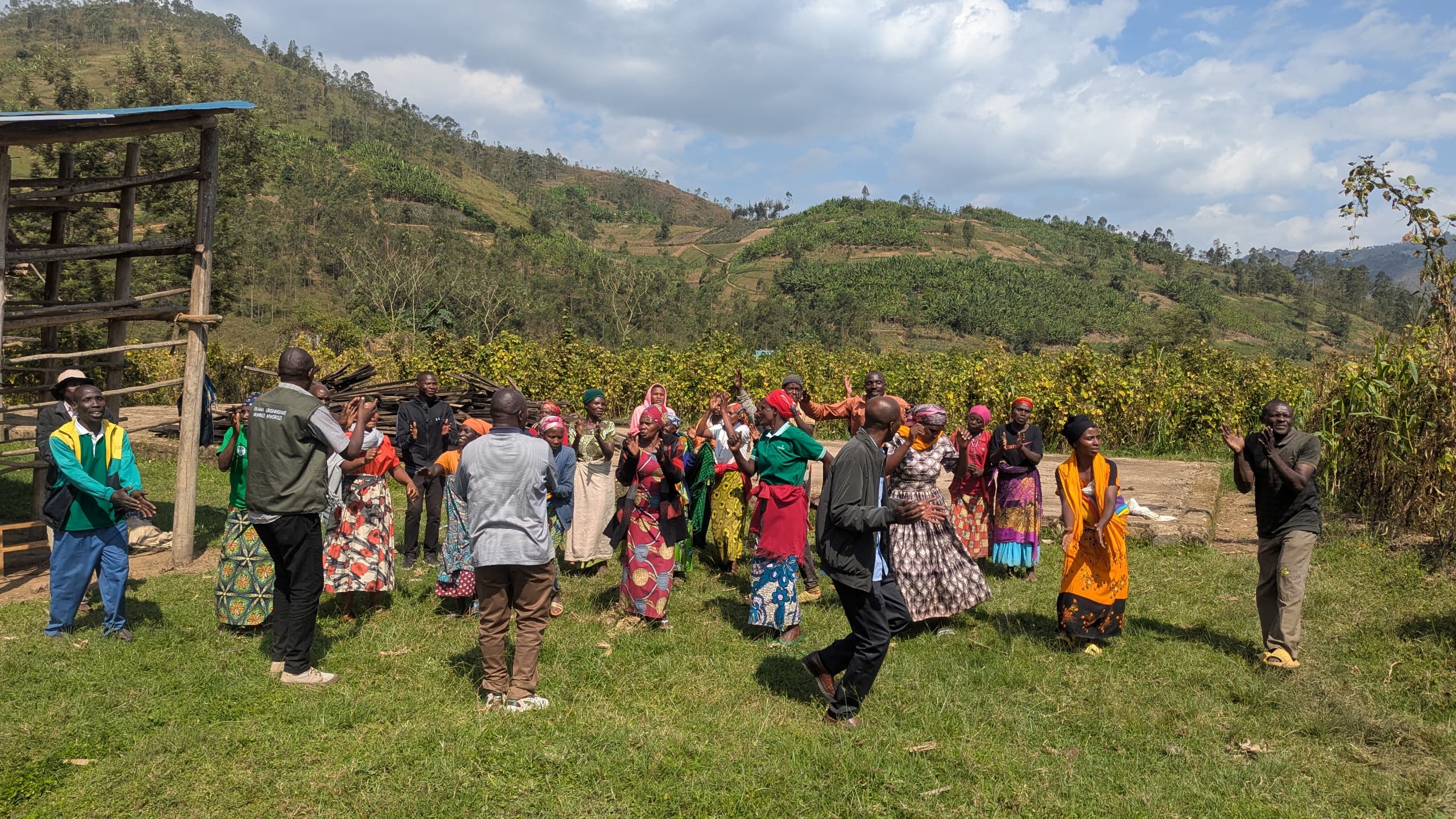
Members of the Twihangire Umurimo Cooperative (COTUMU), operating in Kagoma Cell, Gakenke Sector of Gakenke District, say that the land consolidation programme, coupled with sustainable land management practices, has transformed their livelihoods by substantially increasing agricultural productivity and improving household welfare.
Established more than eight years ago with only 64 members, the cooperative has since expanded remarkably and now collaborates with over 3,600 farmers across the sectors of Gakenke, Mataba, Minazi, Rushashi, and Gashenyi, cultivating more than 200 hectares of farmland.
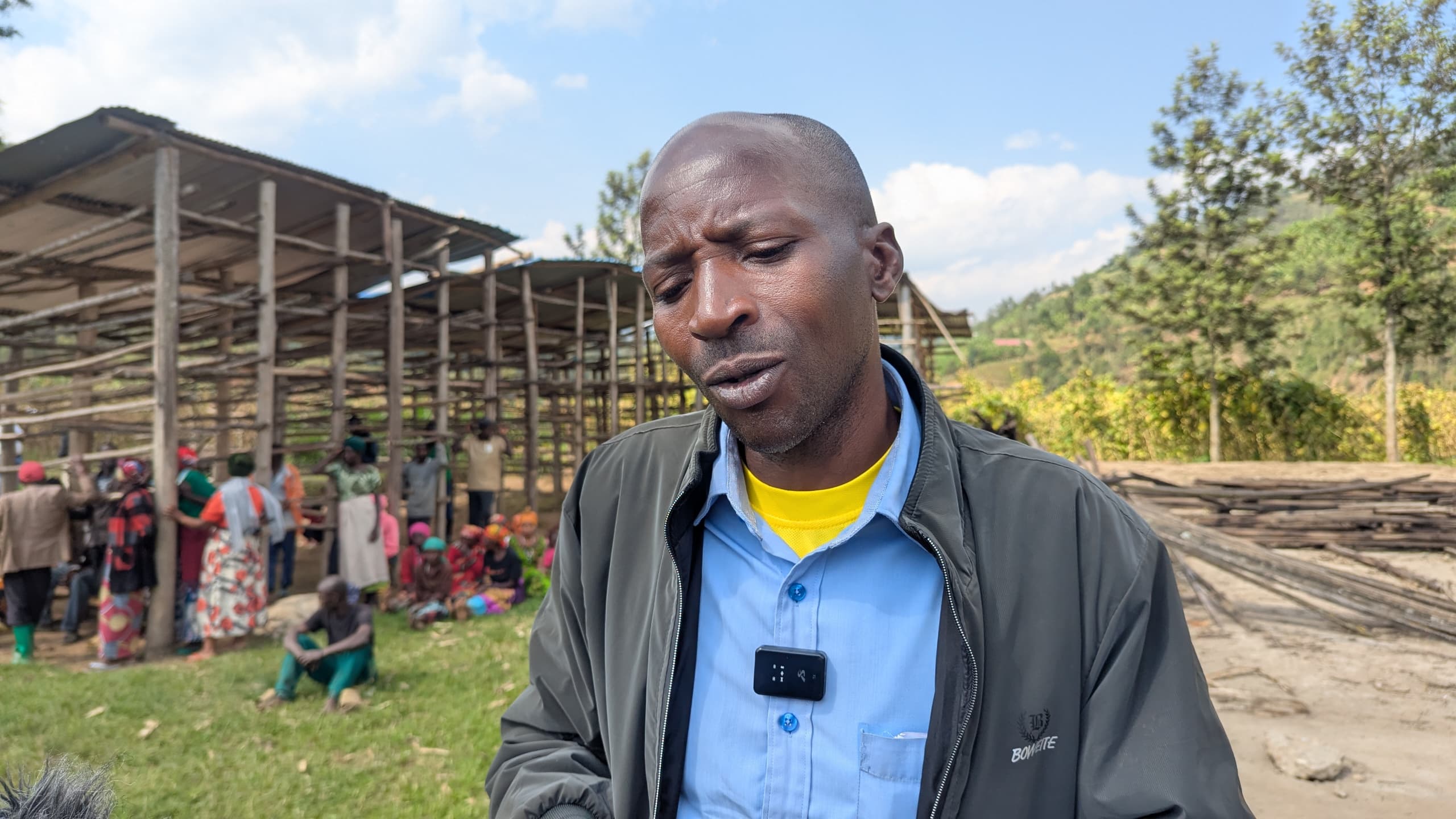
According to COTUMU President Jean de Dieu Niyibizi, prior to the introduction of the Crop Intensification and Land Consolidation Programme, farmers cultivated fragmented plots independently, often growing a mixture of crops on small parcels of land, resulting in chronically low yields.
“Previously, we utilized our land inefficiently. Farmers mainly cultivated bananas, sweet potatoes, pumpkins, and traditional cassava varieties, yet productivity remained extremely low despite the large land area available. When the government introduced the land consolidation programme, we embraced it. Residents relocated from cultivated zones, livestock were confined in modern sheds, and we collectively decided to focus on maize and beans as priority crops,” he explained.
Niyibizi noted that the cooperative initially cultivated just 12 hectares with its 64 founding members, but steady community participation and collective action have enabled significant expansion.
“We started with 12 hectares and 64 members. Today, we work with more than 3,600 farmers and cultivate over 200 hectares. Additionally, 65 hectares have been professionally developed and are now generating impressive yields,” he said.
He emphasized that maize production has reached unprecedented levels since the cooperative adopted modern agricultural practices.
“When farmers cultivated mixed crops, maize yields averaged only 600 kilograms per hectare. After organizing into a cooperative, productivity increased to 4.5 tonnes per hectare. Today, through conservation agriculture, crop residue mulching, and the FIRBAS food reserve system, we are projecting yields of up to 10 tonnes per hectare.”
Bean production has followed a similarly impressive trajectory.
“Previously, farmers harvested approximately 300 kilograms per hectare. Following the implementation of soil conservation measures, yields rose to 1.5 tonnes per hectare. We are now targeting between 3 and 4 tonnes per hectare,” he added.
Niyibizi attributes these gains to extensive training in sustainable land management, efficient fertilizer application, and improved post-harvest handling techniques.
“These interventions have enabled some farmers to achieve maize yields of 8.5 tonnes per hectare, others 9.7 tonnes, while several consistently harvest between 4 and 5 tonnes. Consequently, our average productivity has increased from 4.5 tonnes to approximately 5.6 tonnes per hectare.”
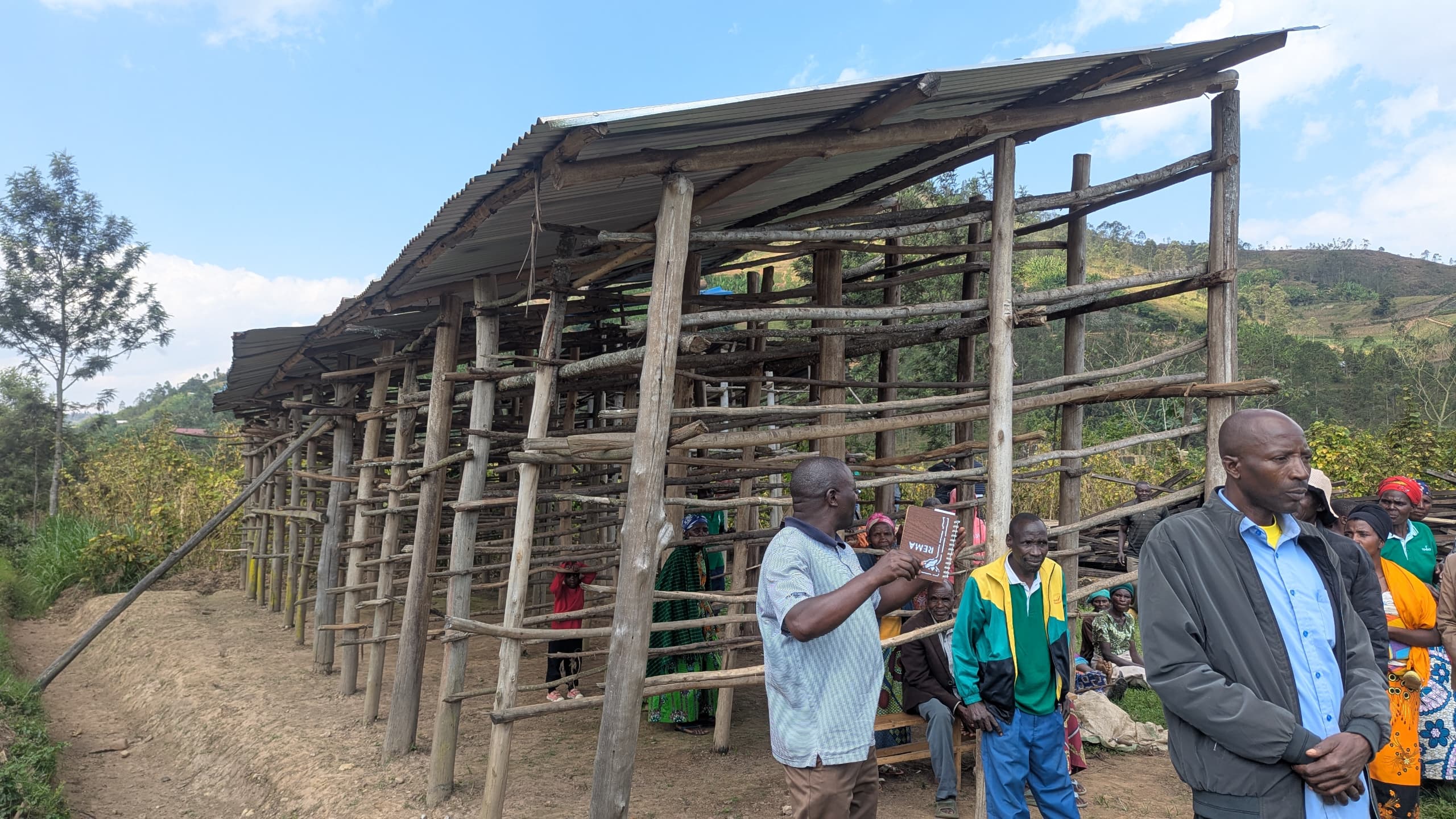
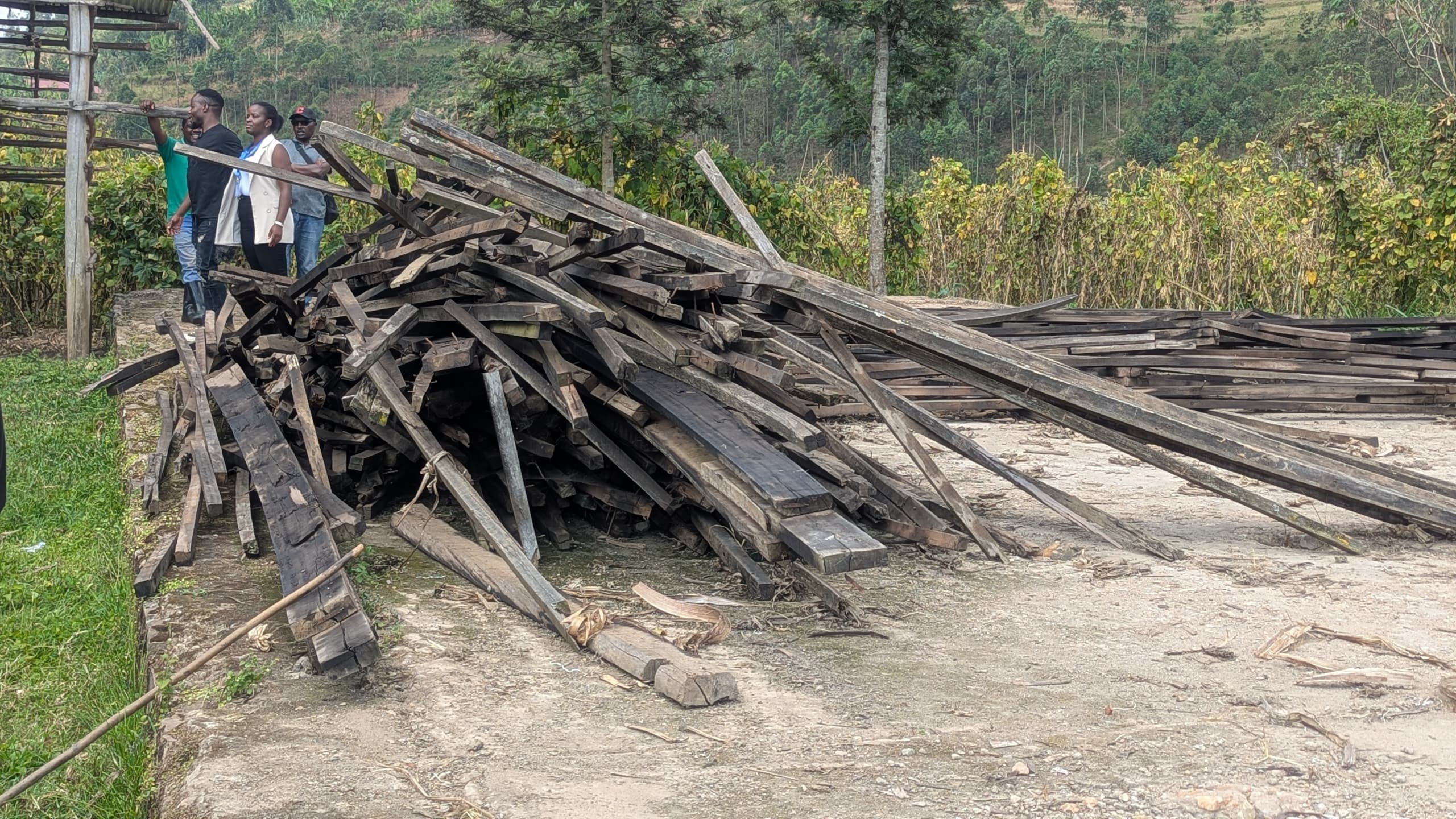
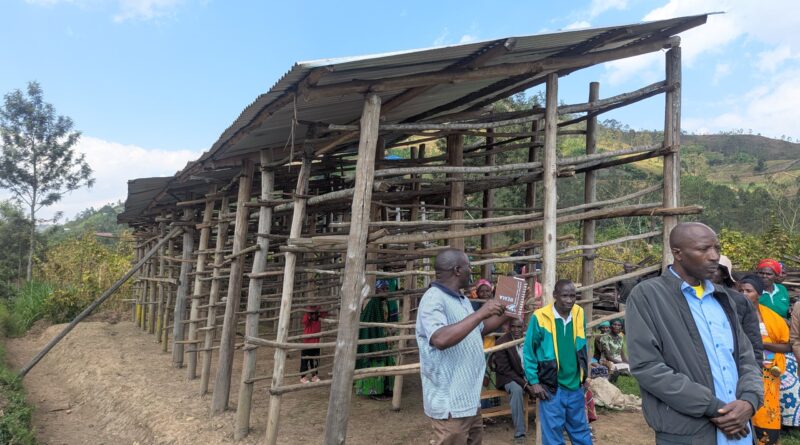
Despite these achievements, the cooperative says inadequate and aging drying infrastructure has emerged as a major bottleneck.
“Our most pressing challenge now is obsolete drying facilities. We are making efforts to construct additional infrastructure ourselves, but external support would be invaluable. Our current drying facility accommodates only 60 tonnes, whereas projected production is expected to reach 120 tonnes. We urgently require at least three robust drying units, each with a capacity of around 40 tonnes.”
The cooperative leader further noted that membership in the cooperative has become a catalyst for socio-economic transformation among farmers.
“I began farming with a small plot of land and lived in a thatched house. Through partnerships with agricultural development programmes, we acquired knowledge, skills, and opportunities.
Today, I no longer live in substandard housing. I am a productive farmer capable of generating sufficient yields while complying with government agricultural policies.”
To date, COTUMU has accumulated assets valued at more than RWF 400 million (approximately US$280,000). The cooperative has also constructed a facility earmarked for an agro-processing plant that will add value to farm produce.
Jean Paul Byeramfite, one of the founding members, said collective farming has fundamentally improved members’ economic circumstances.
“In the past, we cultivated crops but harvested very little. Today, we understand modern farming techniques, and productivity has improved considerably. Personally, income generated from agriculture enabled me to purchase cattle.
I am now both a crop farmer and livestock keeper, with easier access to organic manure. My living standards have improved significantly.”
Agriculture remains the backbone of Gakenke District’s economy. Official statistics indicate that the district has a population exceeding 389,110 residents, of whom 50.5% are women, while young people aged between 18 and 30 years constitute 30.2% of the population. Approximately 92.7% of residents depend on agriculture for their livelihoods.
Gakenke District Mayor Vestine Mukandayisenga said agriculture continues to be prioritized as a strategic pillar of local economic development.
“We are implementing programmes aimed at increasing the productivity of both staple and cash crops. These objectives are incorporated into the district’s performance contracts, and we intend to increase budget allocations for agriculture during the 2026/2027 fiscal year.
We will continue investing in subsidized improved seeds, fertilizers, and modern farming technologies.”
Addressing concerns over drying facilities, Aimé François Niyonsenga, the District Vice Mayor in charge of Economic Development, acknowledged that many existing structures have become obsolete.
“Gakenke District currently has 48 drying facilities supporting agricultural production. Nearly half of them are now aging and pose safety concerns. We are collaborating with cooperatives and development partners to rehabilitate all drying facilities that present risks before the upcoming maize harvest season.”
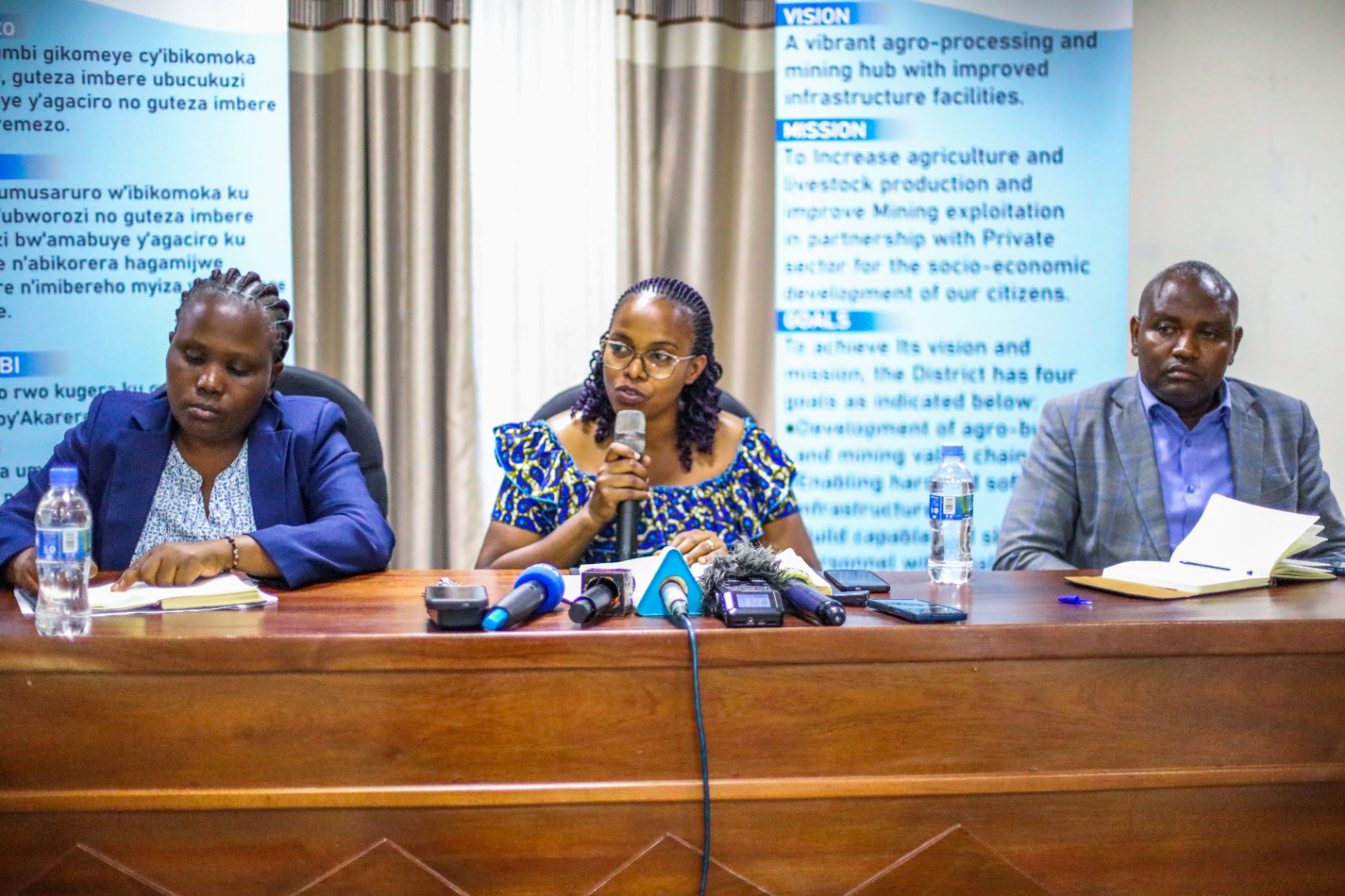
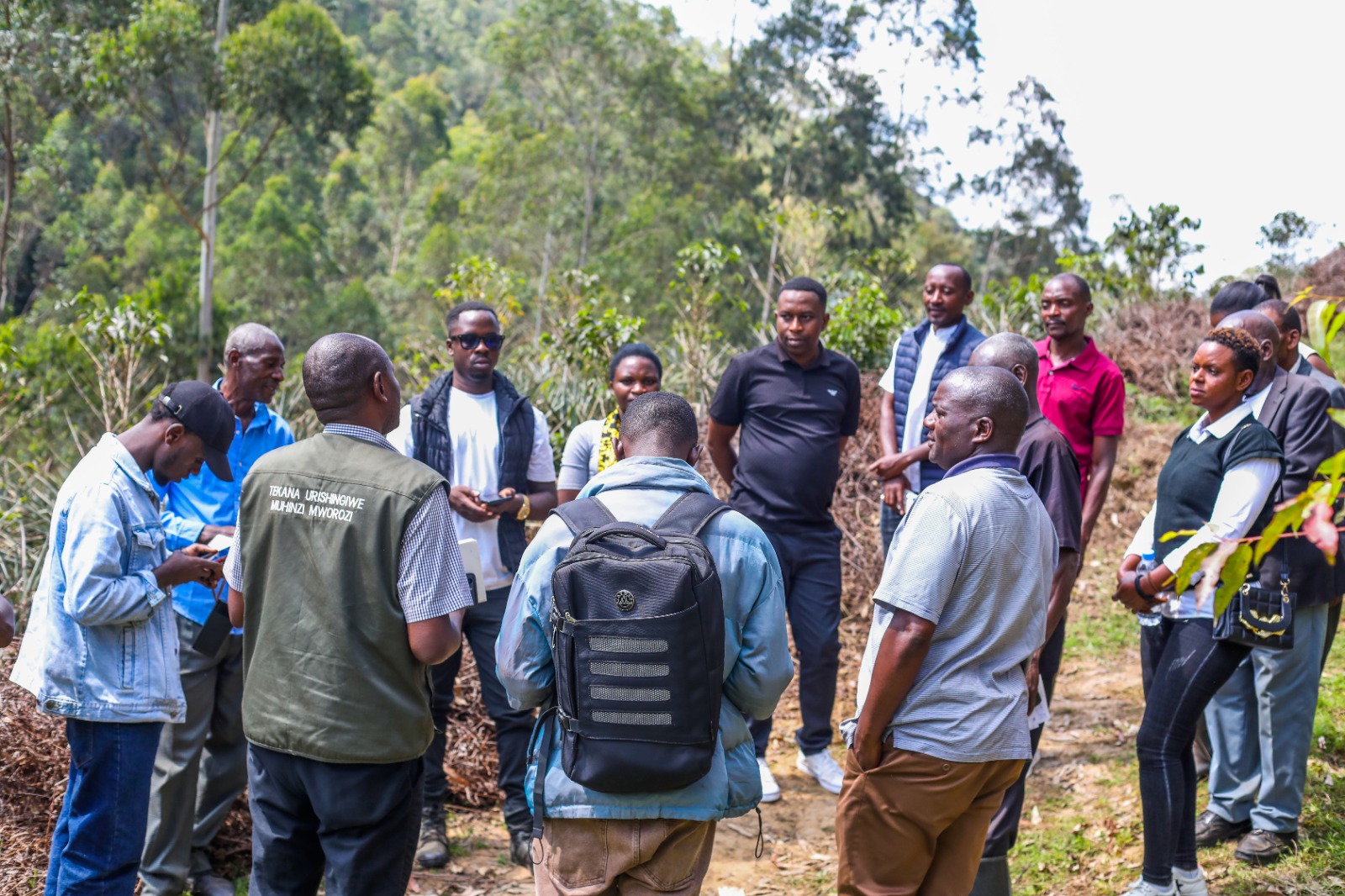
These issues were highlighted during a media briefing held by Gakenke District authorities on 19 June 2026, aimed at showcasing development achievements and ongoing investment priorities. The briefing was preceded by field visits to various projects, including agricultural initiatives, livestock enterprises, infrastructure developments, and housing projects for vulnerable households.
At the national level, agricultural transformation remains a key development priority through programmes promoting improved seed varieties, fertilizer use, soil conservation, strategic food reserves, post-harvest management, and agricultural value addition. The overarching objective is to establish a modern, climate-resilient, and market-oriented agricultural sector capable of enhancing food security, increasing rural incomes, and driving sustainable economic growth.