Northern Rwanda launches bid to become Rwanda’s first UNESCO Global Geopark
As the world increasingly seeks innovative approaches to reconcile environmental conservation with sustainable socio-economic development, Rwanda has embarked on a transformative initiative that could place the country among globally recognized territories possessing geological heritage of outstanding international significance.
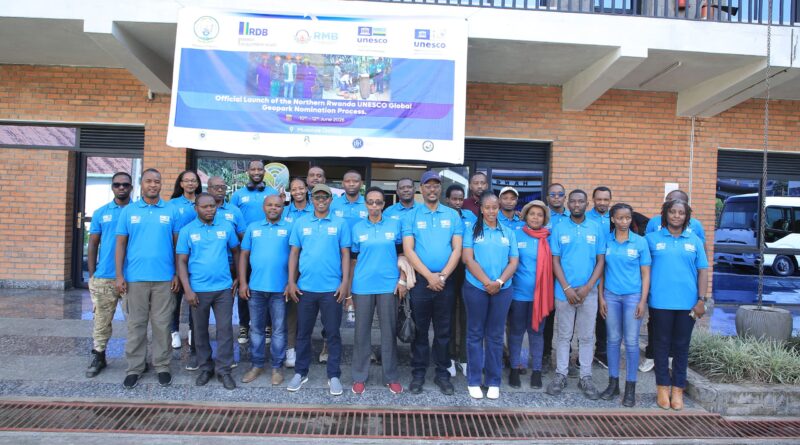
The Northern Province, in collaboration with the Rwanda National Commission for UNESCO (CNRU), has officially launched the nomination process for Northern Rwanda to be designated as a UNESCO Global Geopark, potentially becoming the first UNESCO Global Geopark in the country’s history.
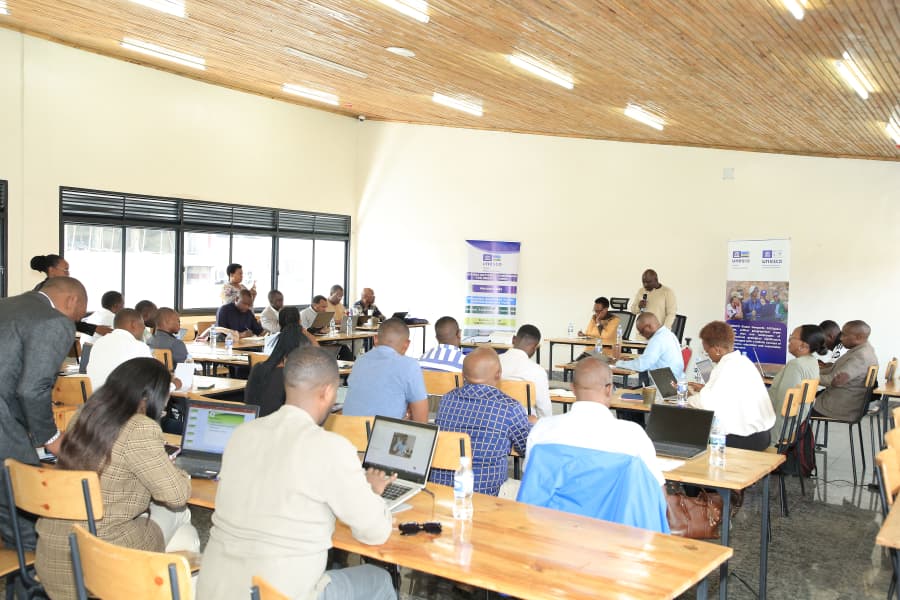
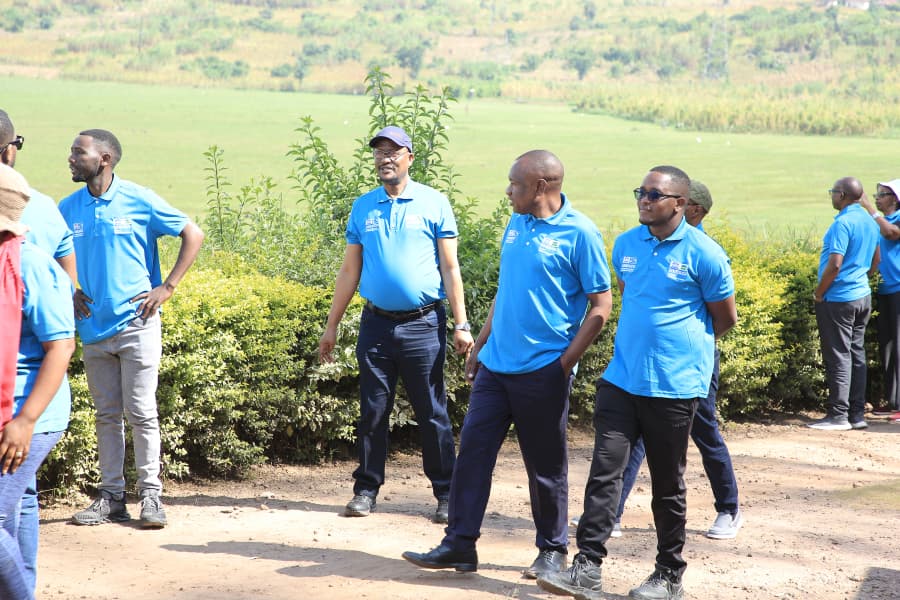
The official launch, held on June 11, 2026, in Musanze District, brought together government officials, geoscientists, environmental experts, academic institutions, research organizations, development partners, civil society representatives, and community stakeholders.
The initiative is grounded in a comprehensive field assessment conducted by Prof. Asfawossen Asrat Kassaye, a UNESCO Global Geoparks expert, who undertook an extensive mission in Northern Rwanda between September 27 and October 4, 2025.
During the mission, Prof. Asfawossen evaluated the region’s geological heritage, biodiversity, cultural assets, socio-economic potential, and opportunities for sustainable development linked to geoheritage conservation.
The resulting assessment concluded that Northern Rwanda possesses exceptional geological assets and substantial potential to satisfy UNESCO’s stringent criteria for Global Geopark designation.
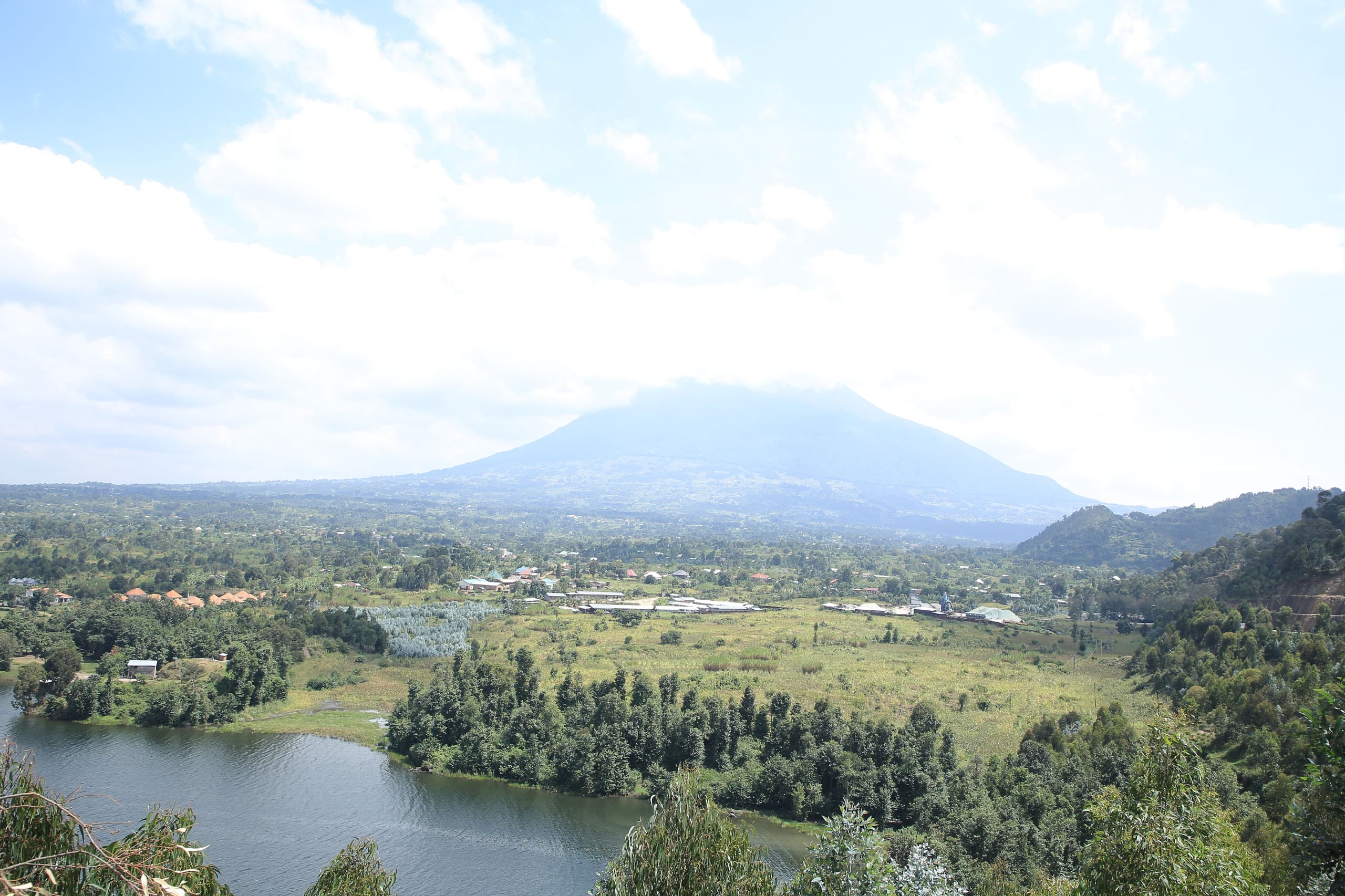
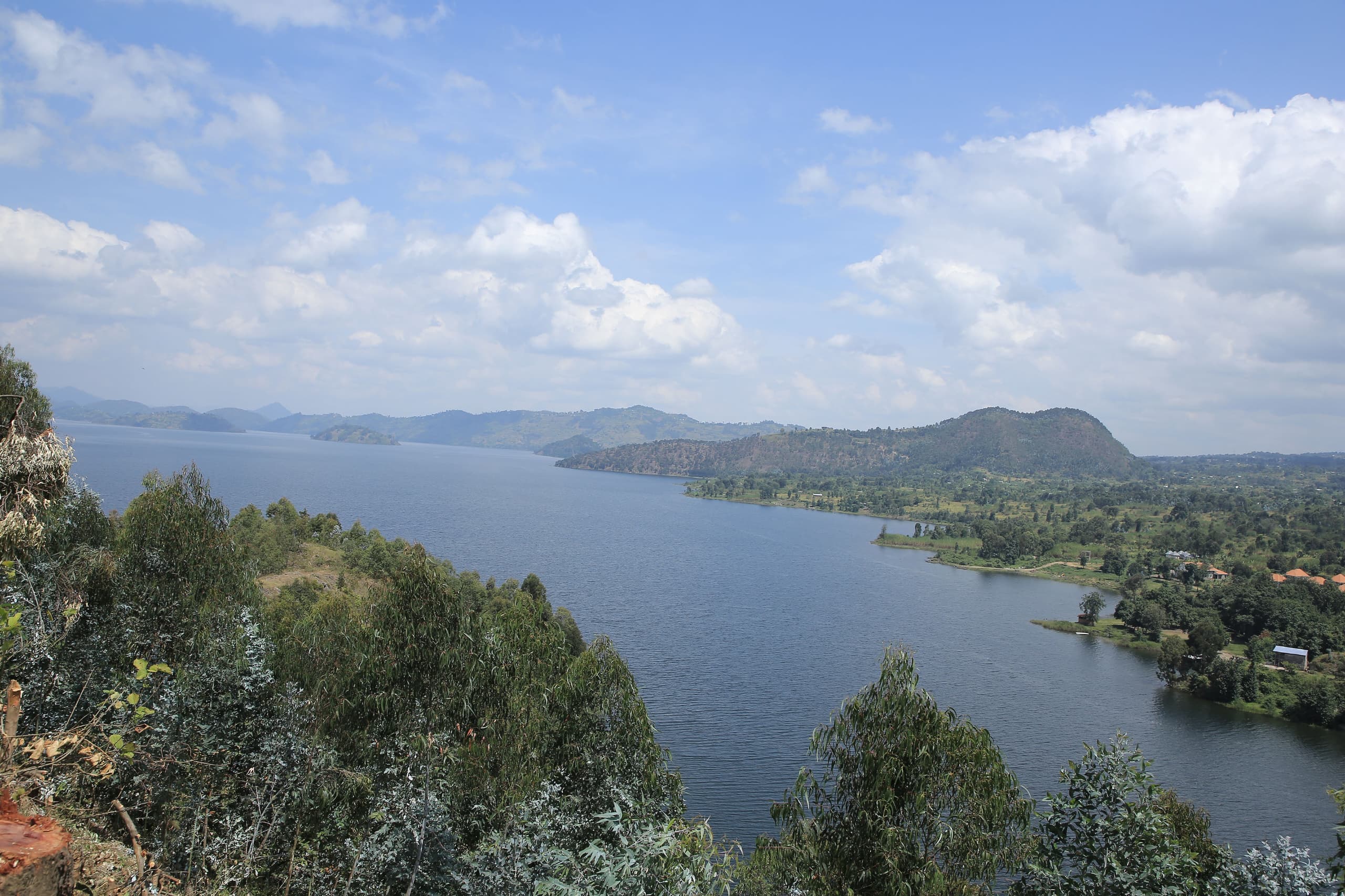
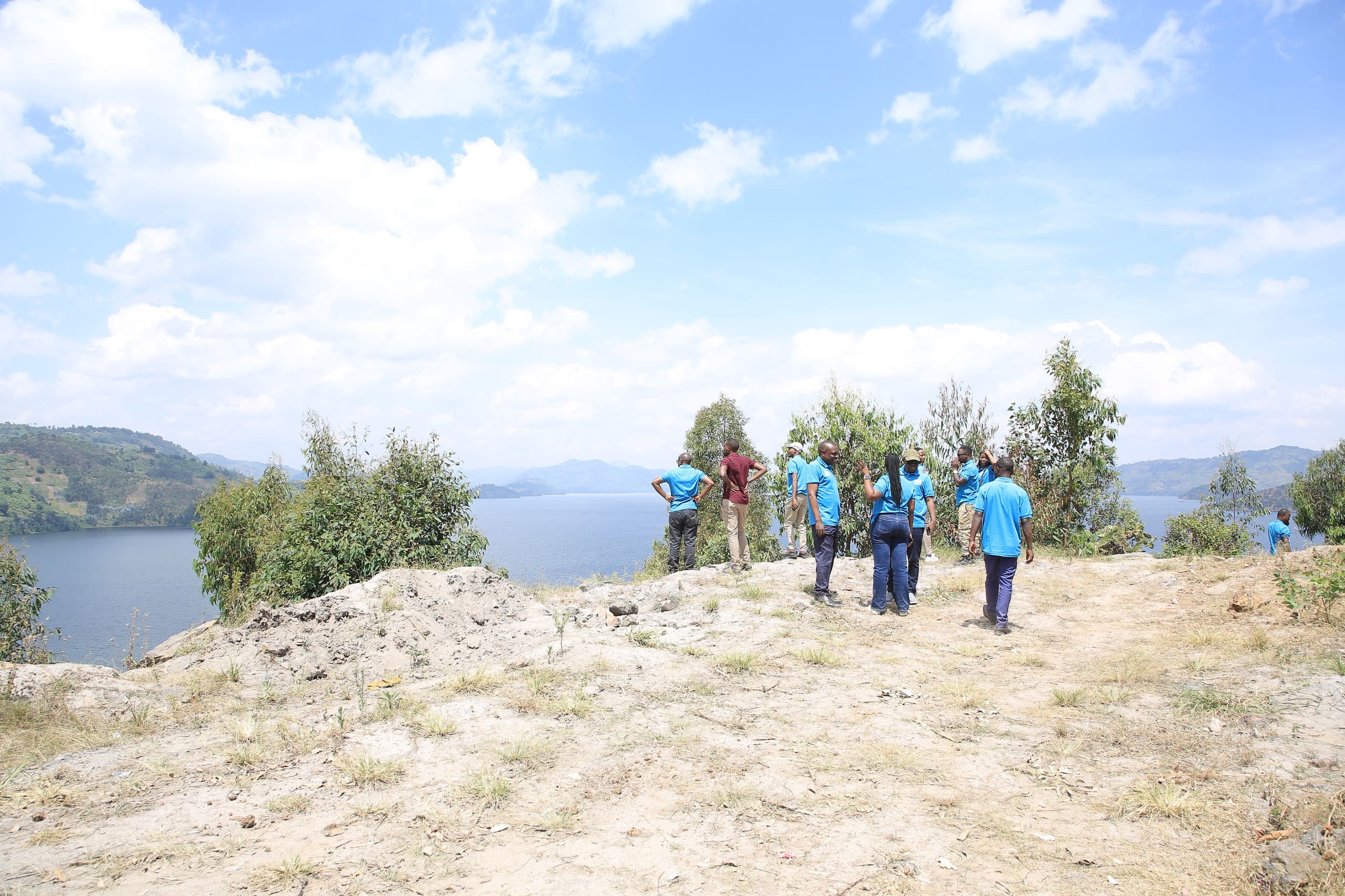
Among the most significant features identified were the Virunga Volcanic Chain, the Musanze Caves, Lakes Burera and Ruhondo (Twin lakes), the Rugezi Wetland, and ancient geological formations that provide critical evidence of the evolution of the East African Rift System.
To geoscientists, these are far more than scenic landscapes. They constitute invaluable archives of Earth’s history, offering unique insights into geological processes that have shaped the African continent and the planet over millions of years.
Speaking during the official launch, Maurice Mugabowagahunde, Governor of the Northern Province, described the initiative as a milestone not only for the province but for Rwanda as a whole.
“Today, we are not merely launching a process aimed at obtaining UNESCO recognition. We are initiating a long-term vision dedicated to conserving and promoting our natural, geological, and cultural heritage in a manner that generates tangible benefits for present and future generations,” he said.
The Governor emphasized that Northern Rwanda possesses a remarkable concentration of geological formations, lakes, caves, biodiversity, and cultural assets deserving enhanced recognition and protection.
“We envision a sustainable tourism model that creates employment opportunities, stimulates local entrepreneurship, empowers women and youth, and ensures that communities become the primary beneficiaries of the heritage they help preserve,” he added.
Mugabowagahunde further noted that the UNESCO expert mission provided scientific validation of the region’s potential while also highlighting the institutional work required to achieve designation.
“The UNESCO assessment confirmed that Northern Rwanda possesses heritage of international significance. At the same time, it reminded us that substantial work remains to be done in governance, scientific documentation, stakeholder coordination, and community engagement. The success of this journey will depend on our collective commitment and collaboration.”
Although the concept of a Geopark remains relatively unfamiliar to many Rwandans, experts argue that it represents one of the most innovative frameworks for integrating conservation with sustainable development.
Explaining the concept, Eng. Dominique Mvunabandi, Director of Science, Technology and Innovation at the Rwanda National Commission for UNESCO, stressed that a UNESCO Global Geopark is far more than a protected landscape.
“A Geopark is essentially an open-air laboratory and a living classroom of Earth sciences. It is a territory where geological heritage, biodiversity, culture, education, scientific research, and community development converge. The objective is not to restrict communities from utilizing their resources, but rather to empower them to conserve and sustainably benefit from those resources.”
He further explained that UNESCO Global Geoparks are built upon four fundamental pillars: geoheritage conservation, scientific research and education, geotourism development, and community empowerment.
“When UNESCO recognizes a Geopark, it is not merely acknowledging rocks, volcanoes, or caves. It is recognizing a territory’s ability to safeguard globally significant heritage while leveraging that heritage as a catalyst for education, scientific advancement, cultural preservation, sustainable tourism, and socio-economic transformation. In this regard, a Geopark serves as a bridge between conservation and sustainable development.”
Dr. Marie Christine Gasingirwa, Chairperson of the General Assembly of the Rwanda National Commission for UNESCO, underscored the strategic significance of the UNESCO Global Geoparks Programme.
“UNESCO Global Geoparks demonstrate that natural heritage can serve as a driver of scientific knowledge, innovation, education, tourism, and economic growth. Most importantly, they ensure that local communities become active participants and beneficiaries in heritage conservation efforts.”
She noted that the Northern Rwanda Geopark initiative aligns closely with UNESCO Rwanda’s strategic priorities concerning environmental stewardship, scientific advancement, sustainable tourism, and heritage preservation.
“Northern Rwanda possesses extraordinary assets capable of underpinning a model of sustainable development. If successfully implemented, this initiative will generate new opportunities in research, education, employment creation, and community development.”
Despite its considerable potential, UNESCO’s assessment highlighted that the nomination process remains at an early stage.
Key recommendations include conducting comprehensive geoheritage inventories, mapping and defining geopark boundaries, establishing governance structures, strengthening scientific research, increasing public awareness, and ensuring meaningful community participation throughout the process.
To support implementation, thematic technical working groups have been established covering governance and management, geoheritage research, natural and cultural heritage conservation, education and outreach, sustainable tourism development, communications, and international partnerships.
According to Prof. Digne Rwabuhungu, Dean of the School of Mining and Geology at the University of Rwanda and Chairperson of the Rwanda Geopark National Committee, UNESCO Global Geopark designation would significantly elevate Rwanda’s geological heritage profile on the global stage.
He observed that Rwanda is already internationally recognized for its mountain gorillas and biodiversity, but that its geological heritage remains comparatively underappreciated.
“When people think about Rwanda, they often think of mountain gorillas and wildlife tourism. However, there is another extraordinary story that remains largely untold a story embedded within our volcanic landscapes, caves, lakes, and ancient rock formations that preserve millions of years of Earth’s history. A Geopark will allow us to tell that story to the world.”
Prof. Rwabuhungu also emphasized the immense scientific value of Northern Rwanda as a natural research laboratory.
“The Virunga volcanic system, the Musanze Caves, Lakes Burera and Ruhondo, and the geological history of the East African Rift System collectively constitute a unique scientific resource. UNESCO designation would attract researchers, students, and academic institutions from across the globe seeking to study these exceptional geological phenomena.”
He noted that the benefits of a Geopark extend well beyond scientific research.
“In established Geoparks around the world, tourism is not limited to sightseeing. Visitors are encouraged to understand the origins, significance, and scientific value of landscapes. This enriches visitor experiences, increases tourism revenues, and ensures that economic benefits reach local communities. Such opportunities are particularly valuable for youth, women, entrepreneurs, and community-based tourism initiatives.”
Prof. Rwabuhungu further stressed the importance of safeguarding geological heritage before it is degraded or lost.
“Without adequate protection, sites of geological significance can be damaged by human activities or simply forgotten over time. A Geopark provides mechanisms for identifying, documenting, protecting, and transmitting this heritage to future generations. It is, in essence, a means of preserving Earth’s history written in our landscapes.”
In closing, he emphasized that the success of the initiative will depend on broad-based participation.
“The success of this nomination will not be determined solely by scientific studies or documents submitted to UNESCO. It will depend on the commitment of communities, government institutions, researchers, educational institutions, private sector actors, and development partners. When communities understand the value of their heritage, Geoparks become sustainable engines of development.”
The initiative is also expected to generate substantial benefits for communities living within and around the proposed geopark territory, particularly through community-based tourism, cultural enterprises, handicrafts, hospitality services, environmental education, and new employment opportunities.
If successful, Northern Rwanda will join the UNESCO Global Geoparks Network, which currently comprises more than 220 geoparks across over 50 countries worldwide.
In Africa, it would stand alongside internationally recognized sites such as the M’Goun UNESCO Global Geopark and Jbel Bani UNESCO Global Geopark in Morocco, as well as the Ngorongoro-Lengai UNESCO Global Geopark in Tanzania, renowned for its active volcanoes and paleoanthropological significance.
Globally, Northern Rwanda would join celebrated geoparks such as the English Riviera UNESCO Global Geopark in the United Kingdom, Magma UNESCO Global Geopark in Norway, Lesvos UNESCO Global Geopark in Greece, and Jeju Island UNESCO Global Geopark in South Korea.
Joining this prestigious international network would not only enhance Rwanda’s global visibility but also reinforce its reputation as a leader in sustainable tourism, environmental stewardship, scientific research, and heritage conservation.
Ultimately, if the nomination succeeds, Northern Rwanda could emerge as a flagship African example of how geological heritage, environmental conservation, scientific innovation, cultural preservation, and community development can be integrated into a single, transformative model of sustainable development.
Greenafrica.rw