
MINAGRI unveils robust strategies to attain food self-sufficiency and advance conservation agriculture
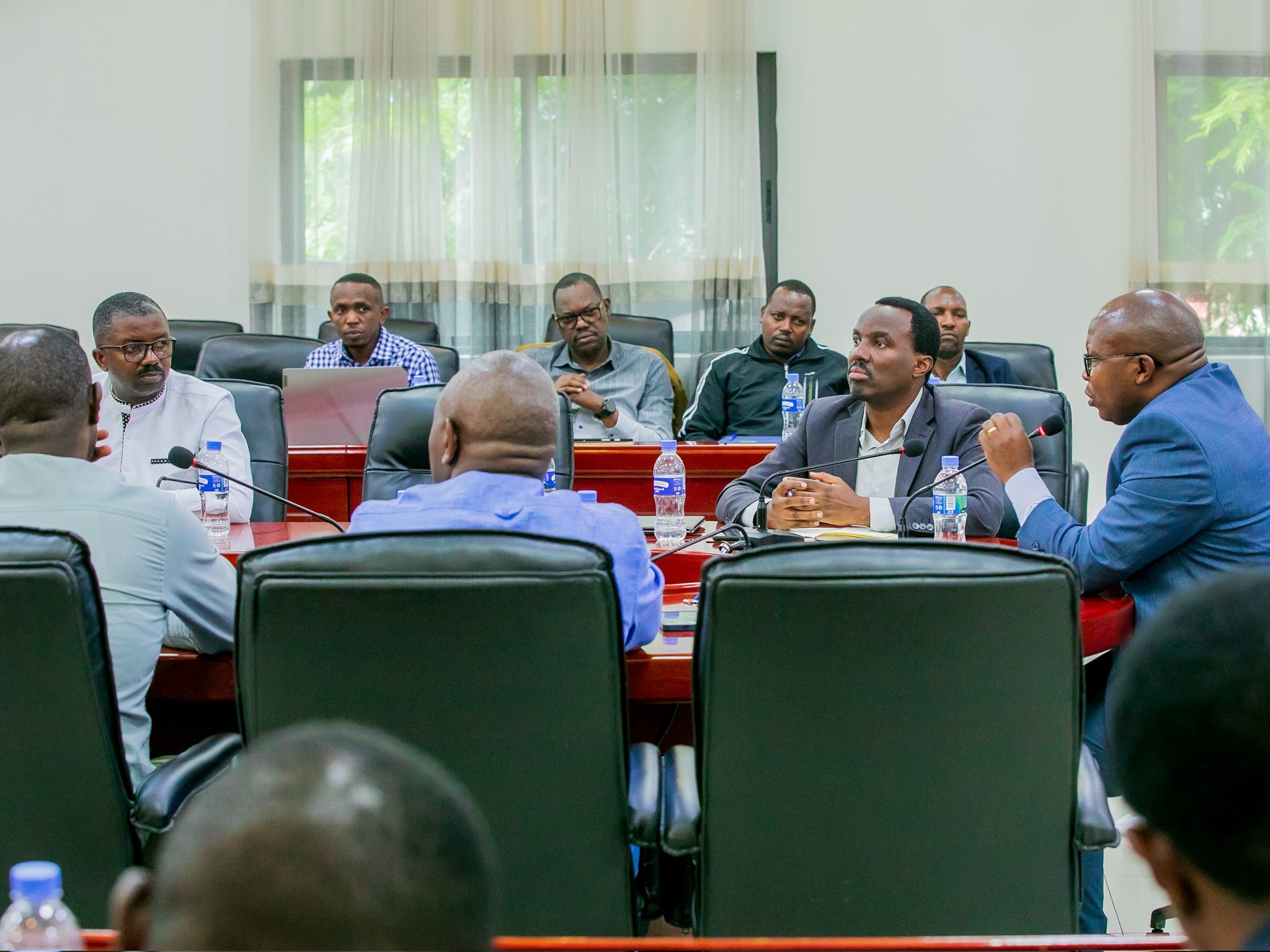
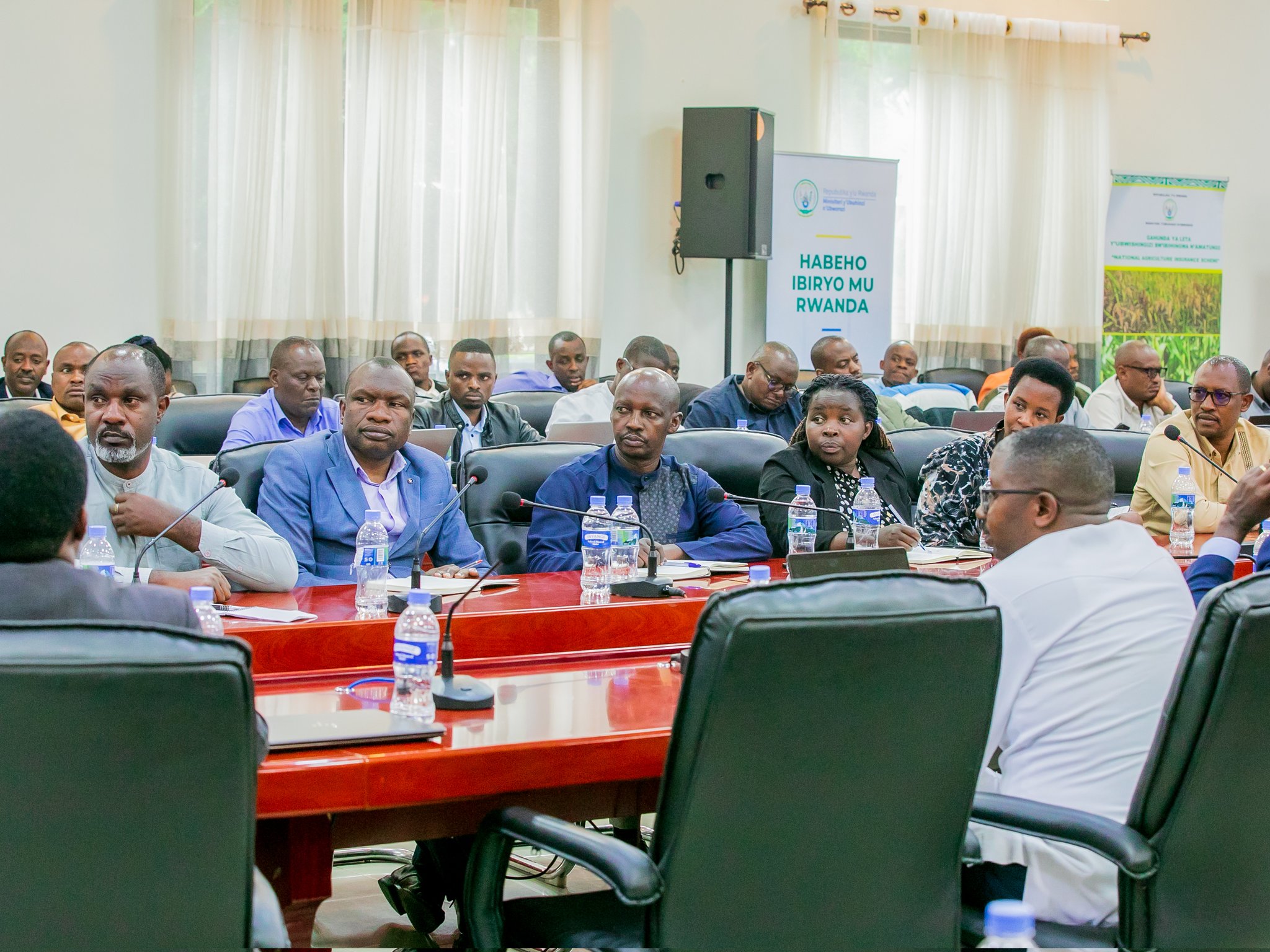
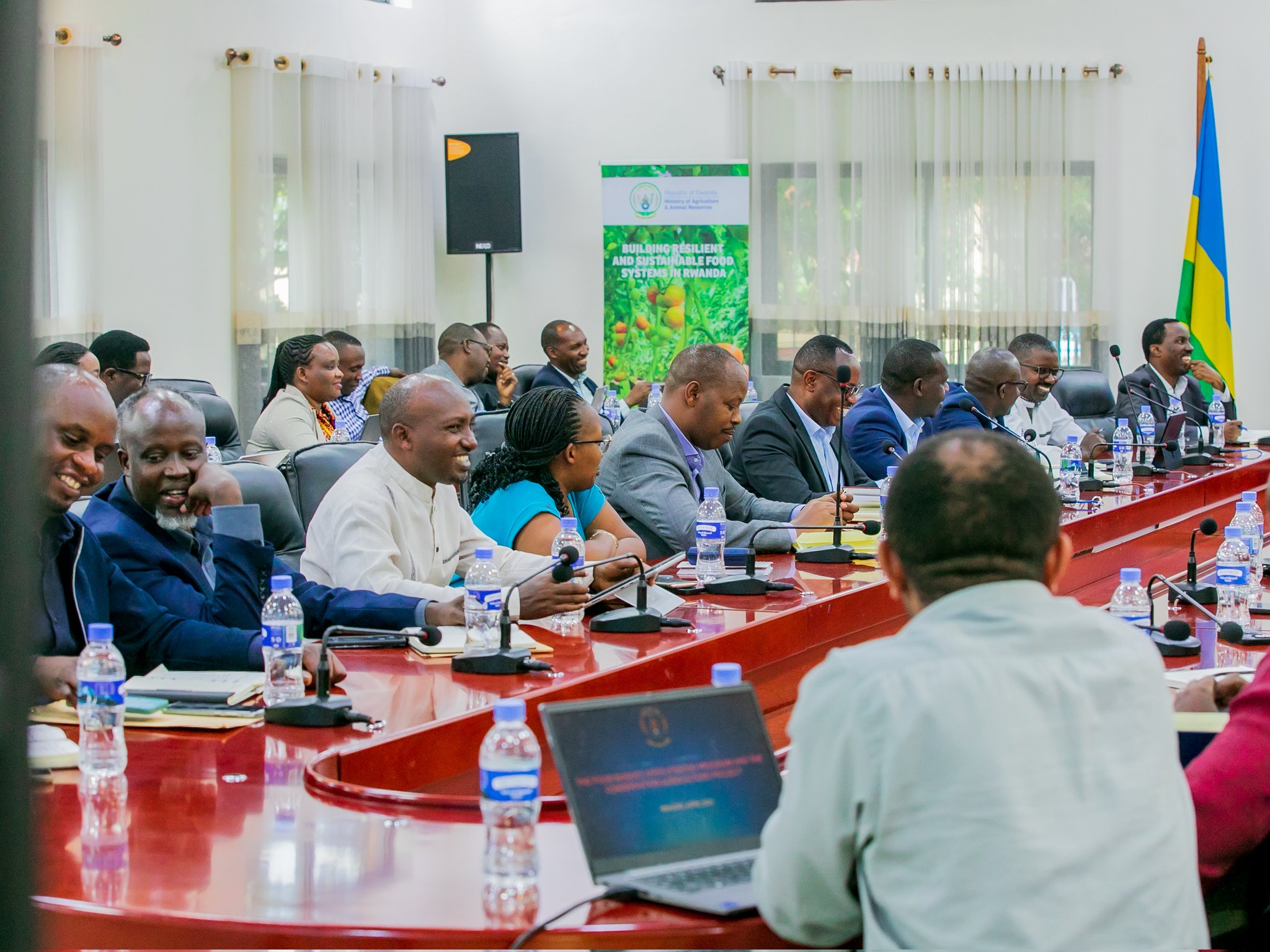
The Minister of Agriculture and Animal Resources, Dr. Telesphore Ndabamenye, convened a high-level meeting with Vice Mayors in charge of Economic Development, alongside Directors of Agriculture and Natural Resources from all districts across Rwanda, to deliberate on strategic interventions aimed at strengthening food security and promoting conservation agriculture.
The meeting critically examined persistent challenges undermining the agricultural sector, including climate variability, soil degradation, and suboptimal productivity among smallholder farmers.
Participants underscored that addressing these systemic constraints necessitates a coordinated, multi-stakeholder approach,particularly leveraging decentralized governance structures to ensure that policy directives are effectively translated into tangible outcomes at the grassroots level.
Dr. Ndabamenye emphasized that achieving sustainable food self-sufficiency requires a paradigm shift from conventional farming practices toward resilient and sustainable agricultural systems.
He highlighted the imperative to scale up the adoption of improved seed varieties, optimize irrigation infrastructure, and enhance the utilization of climate and weather intelligence to enable farmers to better adapt to the adverse impacts of climate change.
He further reiterated that conservation agriculture must be prioritized as a cornerstone of sustainable food production. This approach, which encompasses minimum soil disturbance, soil cover through organic mulching, and systematic crop rotation, is instrumental in preserving soil fertility, enhancing ecosystem resilience, and ensuring long-term agricultural productivity.
District authorities were urged to intensify farmer outreach initiatives, providing technical advisory services and capacity-building programs to facilitate the adoption of innovative and sustainable farming techniques.
They were also tasked with strengthening monitoring and evaluation mechanisms to ensure the effective implementation of these strategies, while improving farmers’ access to quality agricultural inputs and reliable market information.
The discussions also addressed the escalating impacts of climate change on agricultural outputs, prompting the formulation of adaptive measures such as expanding irrigation schemes, safeguarding soil and water resources, and reinforcing erosion control interventions, including afforestation and terracing.
Participants collectively affirmed that scaling up conservation agriculture practices will be pivotal in enabling Rwanda to achieve its long-term objectives of food security and environmentally sustainable agricultural development. They further acknowledged that robust collaboration between the Ministry of Agriculture and decentralized administrative entities is critical to the successful execution of these initiatives.
The meeting concluded with a set of actionable resolutions aimed at enhancing institutional coordination, expanding farmer training programs, and strengthening implementation oversight frameworks, all geared toward fostering a resilient, productive, and sustainable agricultural sector in Rwanda.