Africa calls for correction of global map distortion as AU-backed campaign hains momentum
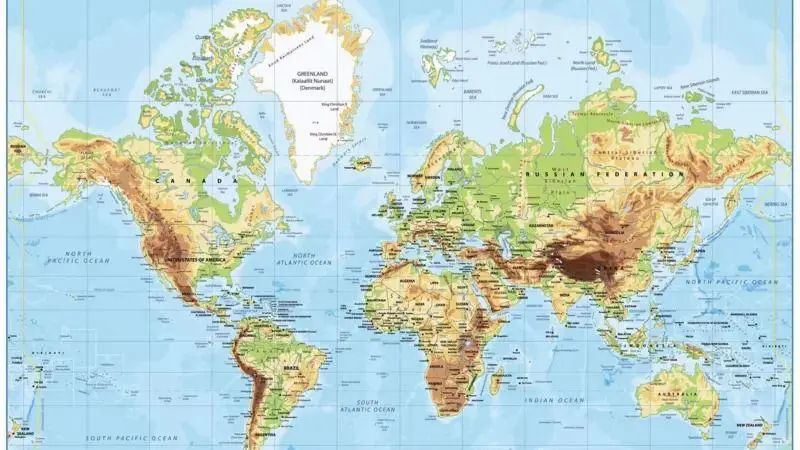
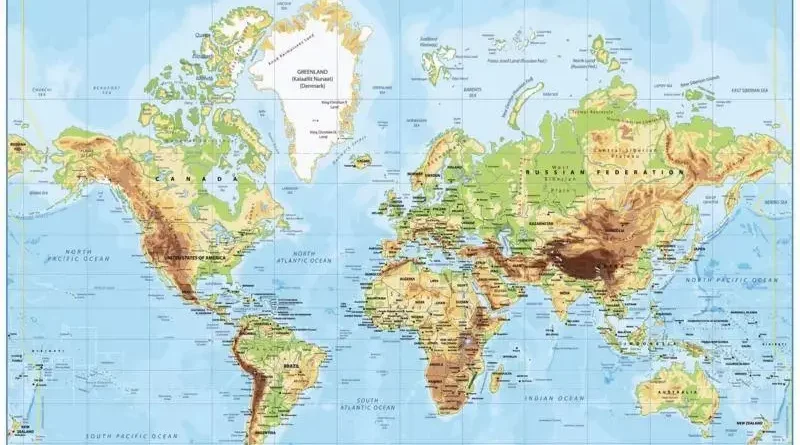
After Asia, Africa is the second-largest continent in the world, covering approximately 30 million square kilometres. However, on the widely used Mercator projection map, Africa is visually distorted to appear comparable in size to Greenland an island once considered for acquisition by Donald Trump despite Greenland being less than 2.5 million square kilometres.
Rather than being a neutral cartographic convention, this systematic distortion of Africa’s true geographical scale has long been criticized for shaping global perceptions of the continent, often minimizing its actual size, significance, and geopolitical weight in the collective imagination.
This concern is at the heart of a growing initiative endorsed by the African Union (AU), which supports a global advocacy campaign known as “Correct The Map”. The campaign calls for the adoption of more accurate world map projections that represent Africa’s true proportions without distortion.
In line with this agenda, Togo,having been mandated within AU structures to champion the initiative is preparing to formally petition United Nations member states to encourage the global use of map projections that faithfully reflect Africa’s real geographic scale.
Cartographers and geographers note that projections such as the Mercator, while historically useful for navigation, significantly exaggerate landmasses near the poles while shrinking those closer to the equator. Alternative projections, such as the Gall-Peters projection, attempt to address these distortions by preserving relative area accuracy.
Supporters of the campaign argue that map design is not merely technical but also political and educational, as it influences how continents are perceived in terms of importance, development, and global relevance.
If successful, the initiative could mark a significant shift in global cartographic standards and contribute to a more accurate and balanced representation of Africa in education systems, media, and international discourse.