Rwanda steps up efforts to bridge innovation and agri-food markets
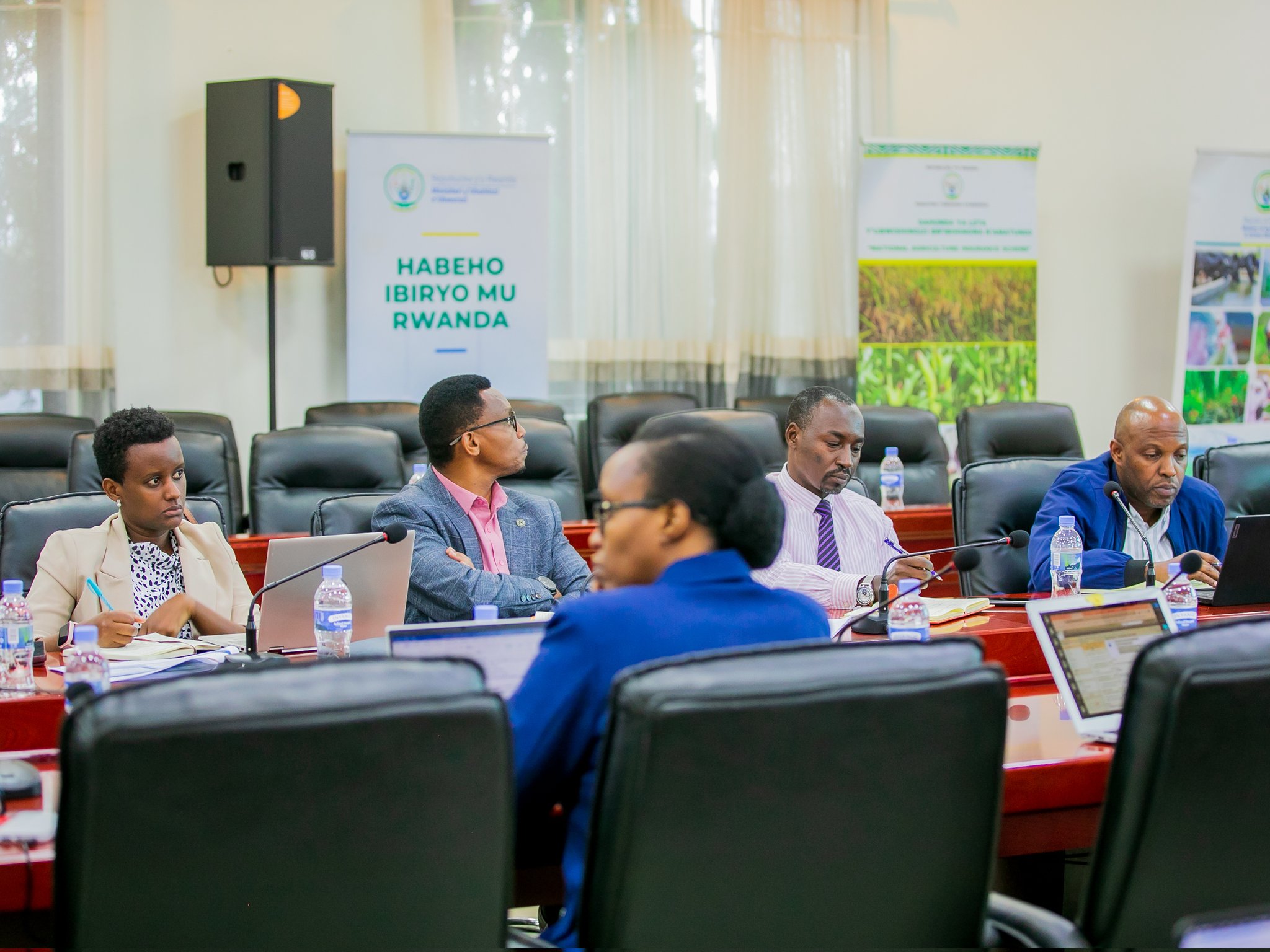
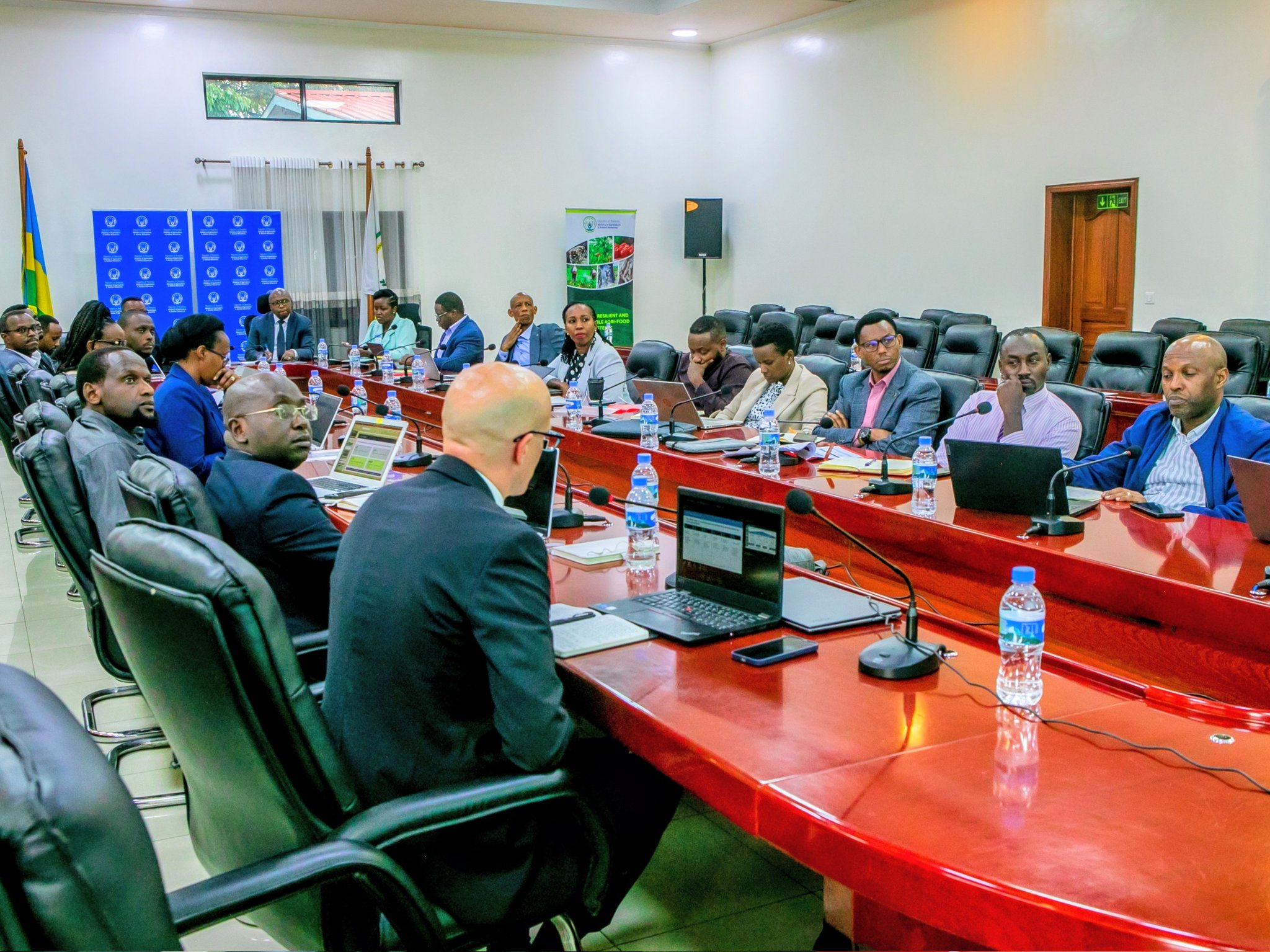
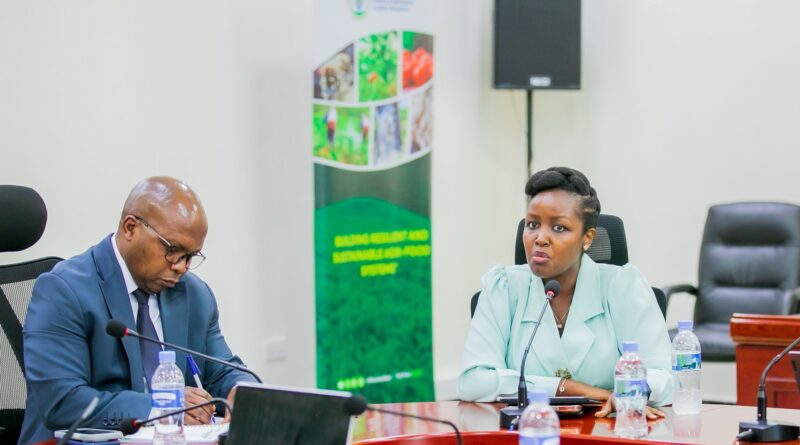
On April 16, 2026, the Minister of Agriculture and Animal Resources, Dr. Telesphore Ndabamenye, together with the Minister of ICT and Innovation, Paula Ingabire, co-chaired a high-level consultative meeting to deliberate on the development of Rwanda’s Food Innovation Ecosystem Framework.
This strategic framework is being jointly designed by the Ministry of Agriculture and Animal Resources (MINAGRI) and the Ministry of ICT and Innovation.
The meeting convened key public sector institutions and strategic stakeholders across agriculture, information and communication technology, commerce, and investment, with the objective of aligning priority interventions to Rwanda’s national food and nutrition security agenda.
Deliberations focused extensively on establishing an implementable and results-oriented framework capable of accelerating the translation of research-driven innovations from laboratory settings into scalable, market-ready solutions.
Participants underscored the critical need for a robust, integrated innovation pipeline that effectively connects researchers, farmers, private sector actors, and investors to unlock the full potential of agri-food innovations.
Stakeholders emphasized that such a coordinated ecosystem is essential to addressing persistent structural challenges within the agri-food sector, including low agricultural productivity, post-harvest losses, and suboptimal nutrition outcomes.
Dr. Ndabamenye highlighted that modern agricultural transformation is contingent upon the effective integration of scientific knowledge and technological advancement. He stressed that research outputs must be operationalized and disseminated at the farm level to enhance productivity, resilience, and adaptive capacity in the face of climate variability.
On her part, Minister Paula Ingabire articulated the transformative role of ICT and innovation in reshaping the agri-food landscape. She noted that data-driven technologies, digital platforms, and advanced analytics can significantly improve farmers’ access to real-time information, financial services, and markets, while also catalyzing the development of innovative, context-specific solutions.
Participants reached a consensus on the imperative to establish a high-impact, well-coordinated food innovation ecosystem that not only facilitates the commercialization of innovations but also positions Rwanda as a regional hub for agri-food innovation and investment. Particular emphasis was placed on fostering youth-led innovation and enhancing the participation of emerging entrepreneurs within the sector.
The overarching vision is to transition Rwanda from a consumption-oriented agricultural system to a knowledge-based, innovation-driven agri-food economy characterized by value addition, competitiveness, and export readiness.
This high-level engagement marks a significant milestone in Rwanda’s strategic trajectory toward building a resilient, technology-enabled, and market-oriented agri-food system capable of ensuring sustainable food security, improved nutrition, and inclusive economic growth.