Burera: Planting season launched with a focus on increasing productivity and soil conservation
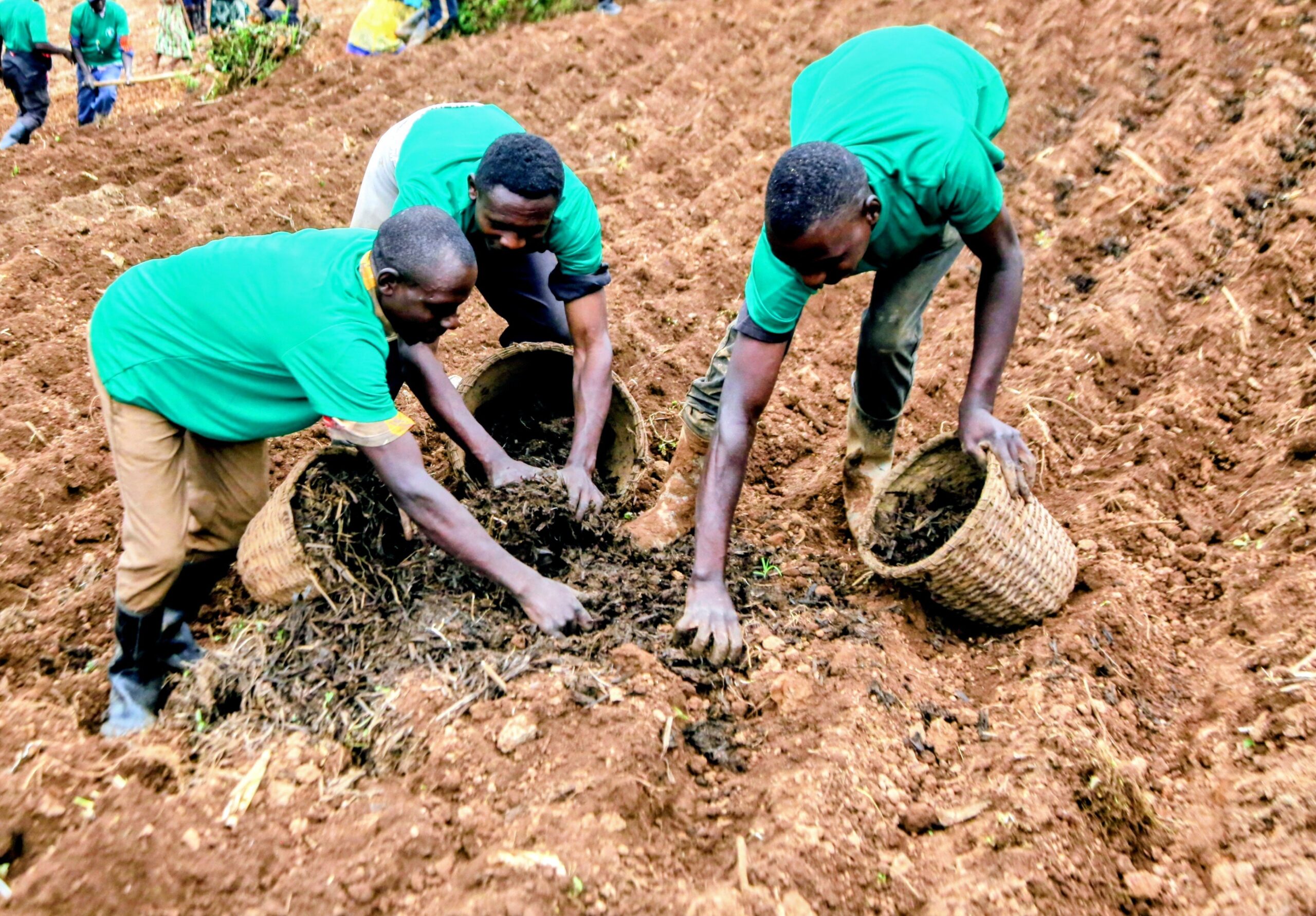
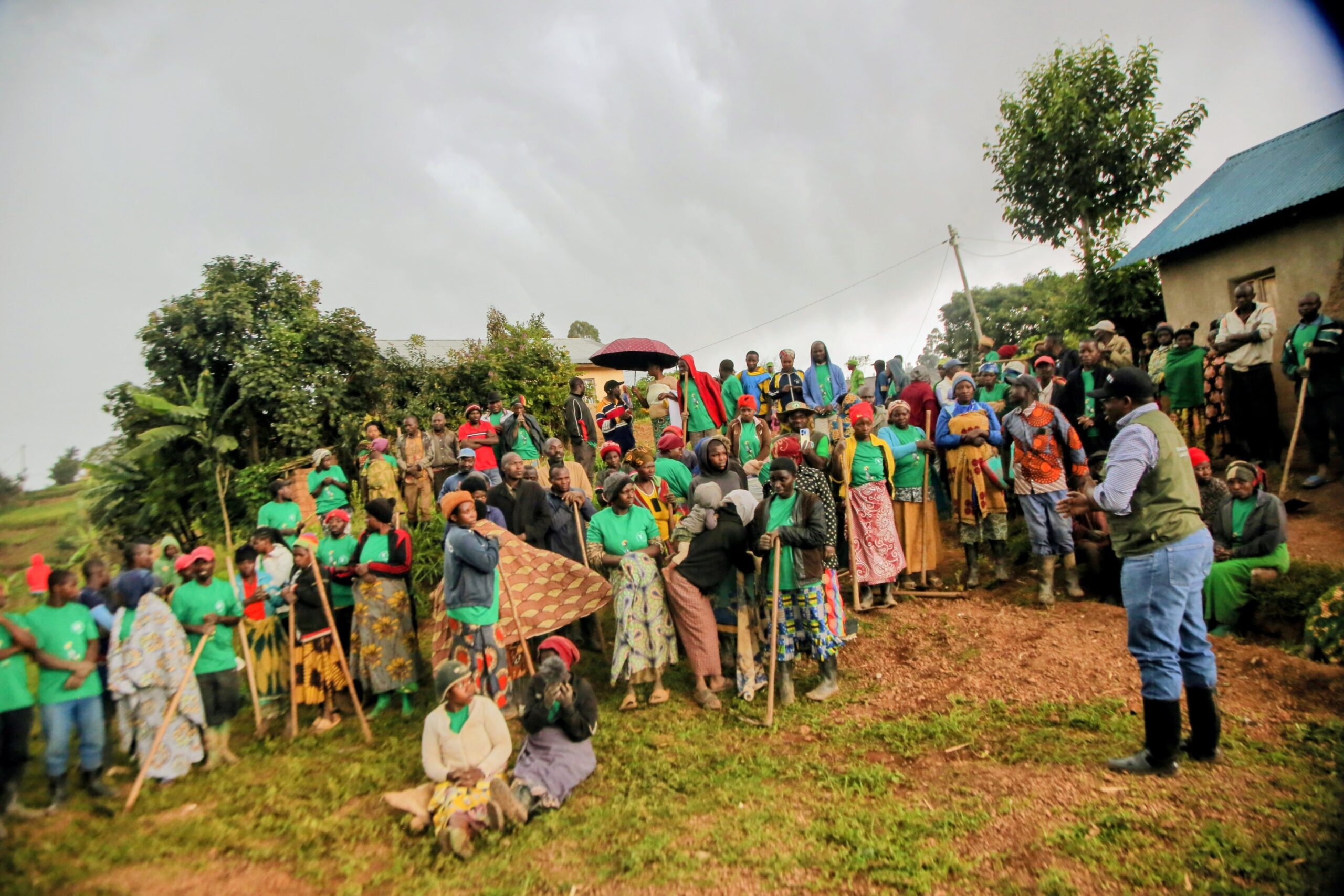
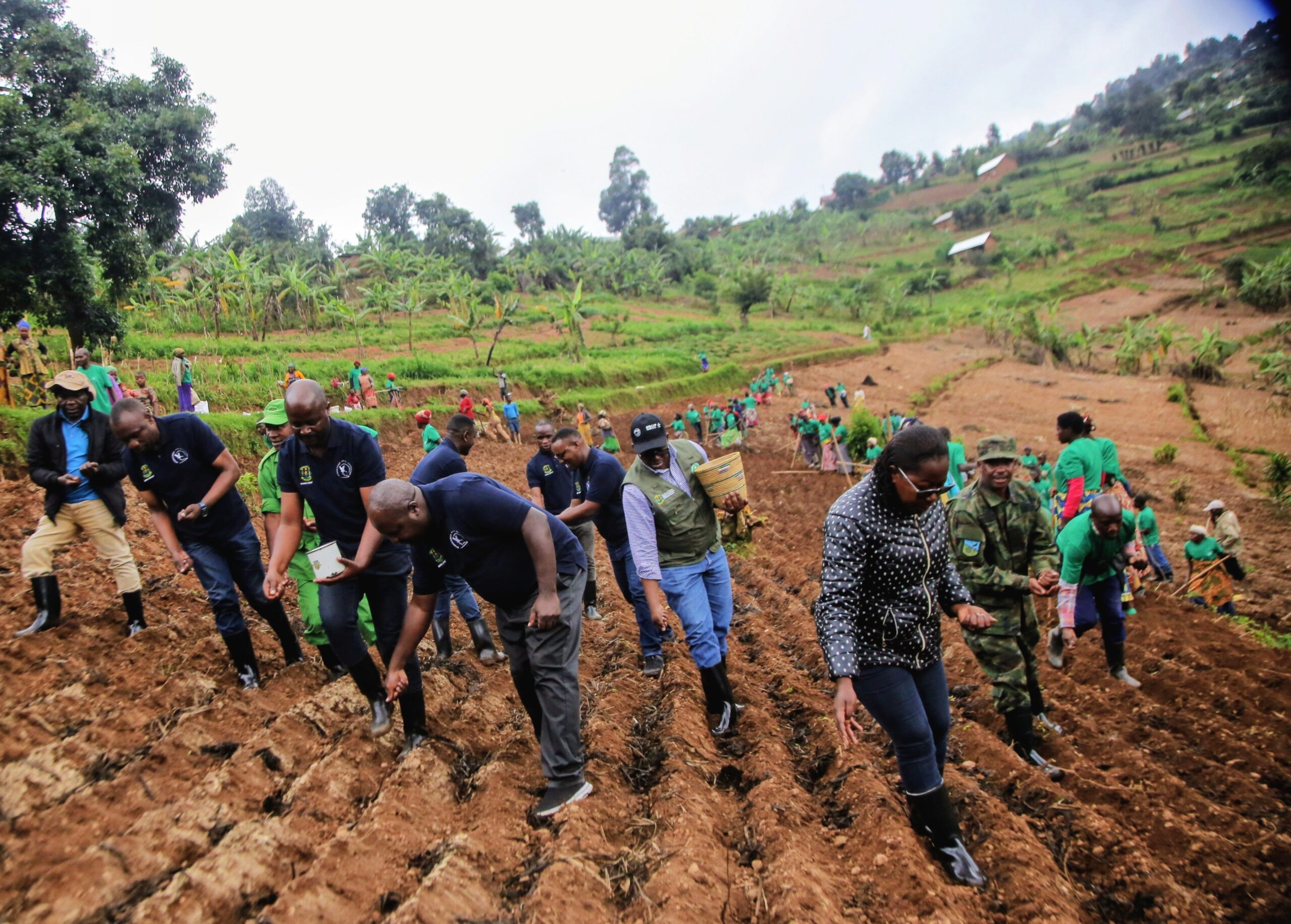
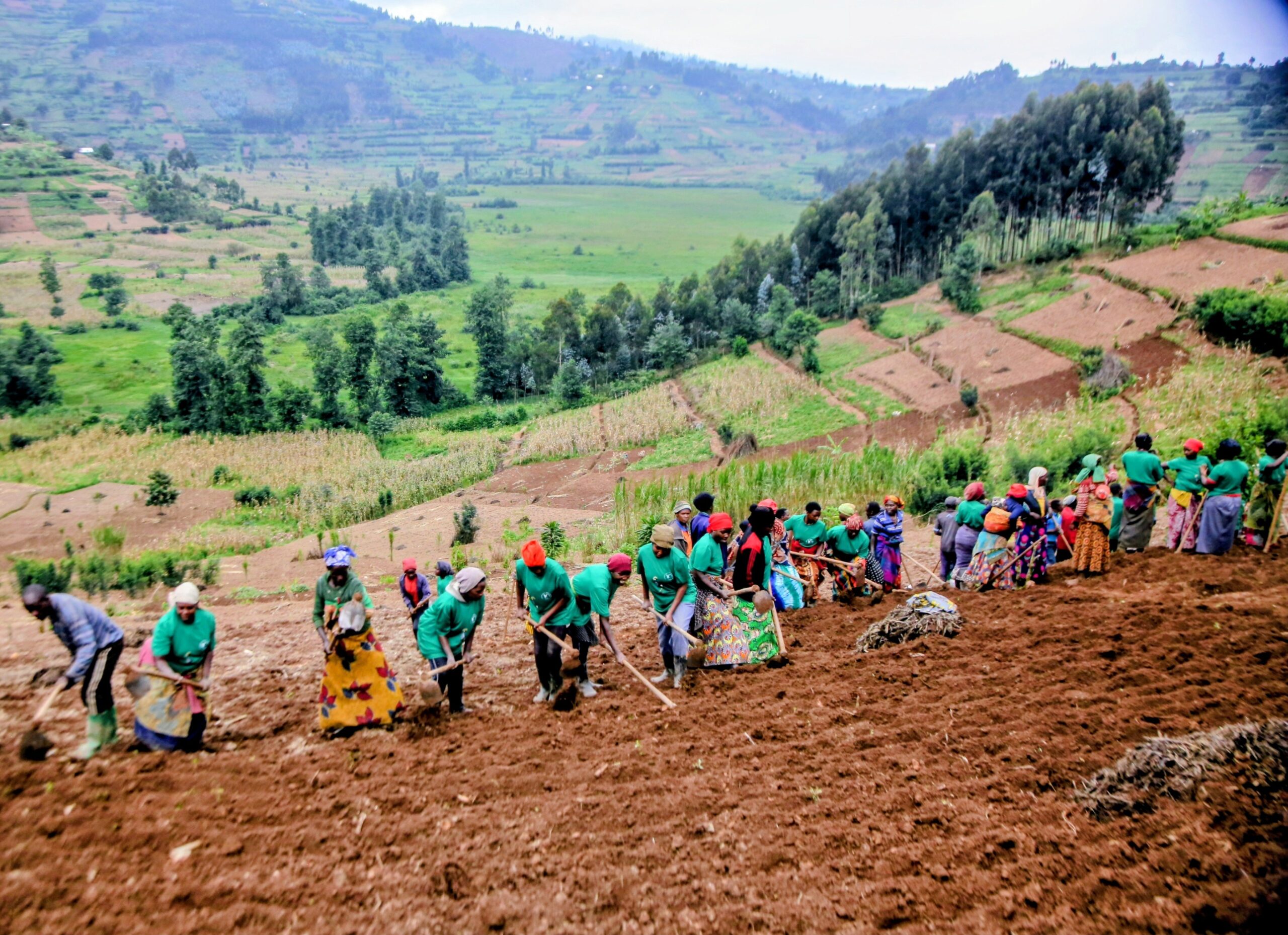
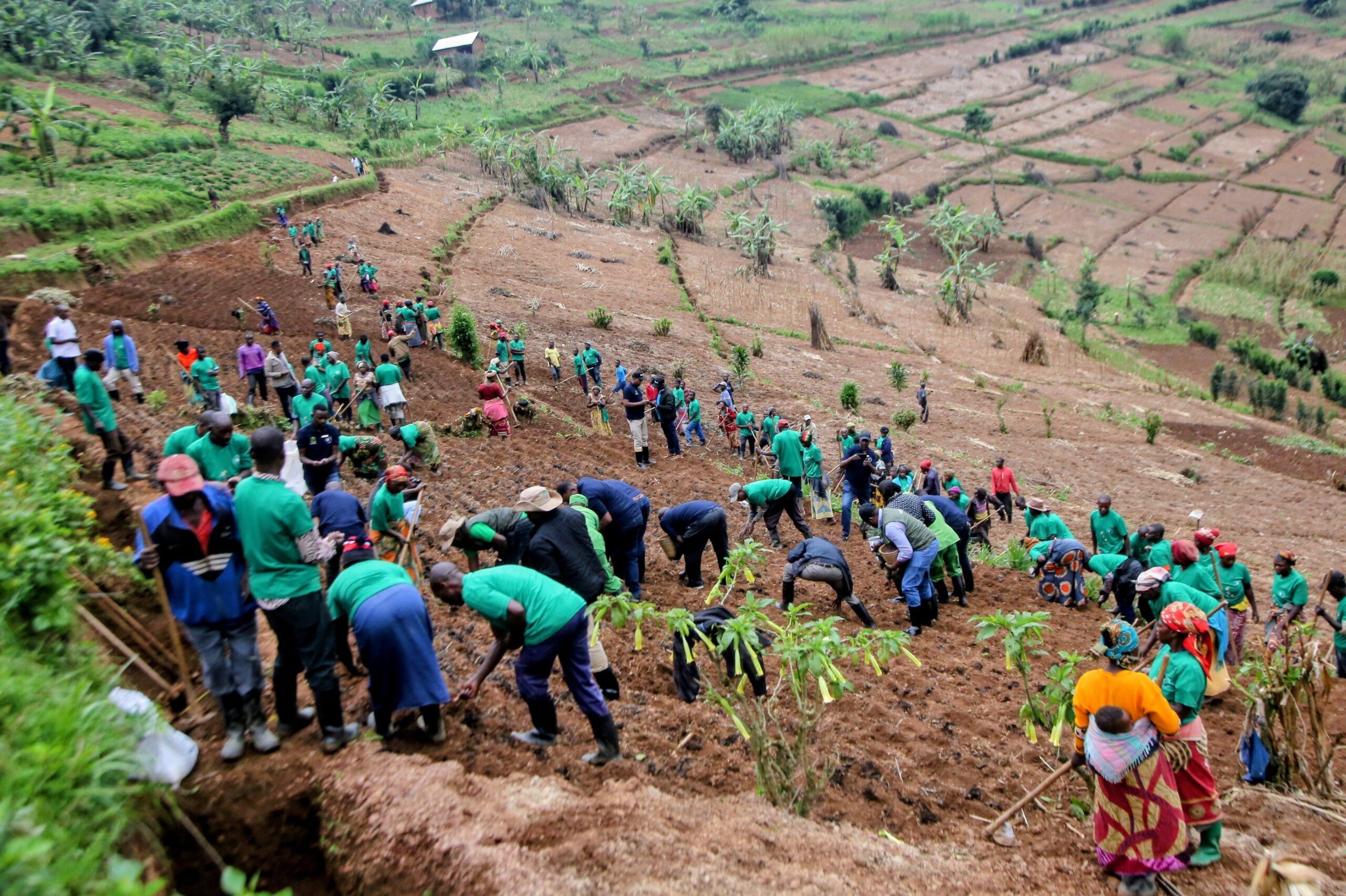
In Burera District, at Bisaga site located in Rwerere Sector, the 2026B planting season was launched on March 18, 2026, where beans were planted on 16 hectares of land bordering a marshland that had been severely affected by soil erosion.
Landowners in the area say erosion had been a major challenge to their productivity, as seeds and fertilizers were often washed away by runoff water.
Nduwayezu said: “Our soil used to flow into the river due to water coming from the hills, and even the grass cover was destroyed because of the heavy soil movement.”
Umwari Sofie added: “In areas without erosion control measures, rainfall would wash soil from the hills into our fields, and during harvest time, we would end up with nothing.”
Farmers now say they are hopeful for better yields after receiving improved seeds and fertilizers, as well as benefiting from erosion control measures such as trenches, planting of soil-binding trees, and bamboo.
Umwari Sofie said: “We expect production to increase because we have received fertilizers and all necessary inputs. In the coming days, we will no longer face losses caused by erosion, as we now have proper guidance on farming and soil conservation.”
She added that the trenches and erosion control structures put in place will help protect the river and prevent further land degradation. Farmers have also been trained to grow fodder crops to support livestock and reduce environmental pressure.
The Mayor of Burera District, Mukamana Solina, urged farmers to continue improving their farming practices and to protect the marshland, emphasizing its importance to their livelihoods.
She said: “Residents should avoid encroaching on the marshland and instead continue implementing erosion control measures such as digging trenches, planting trees and bamboo along farm boundaries, and constructing terraces, which provide a sustainable solution.”
Charles Kayijamahe, Director of International Clean Foundation, which supported conservation efforts in the marshland, especially for grey crowned cranes, highlighted the importance of protecting the ecosystem.
He said: “Conservation activities like these help restore and secure the marshland. When people stop encroaching on it, it regenerates, becomes productive again, and helps us conserve biodiversity, especially species like the grey crowned crane.”
The Permanent Secretary in the Ministry of Agriculture and Animal Resources, Olivier Kamana, who attended the event, encouraged farmers to aim for high productivity while also protecting the environment.
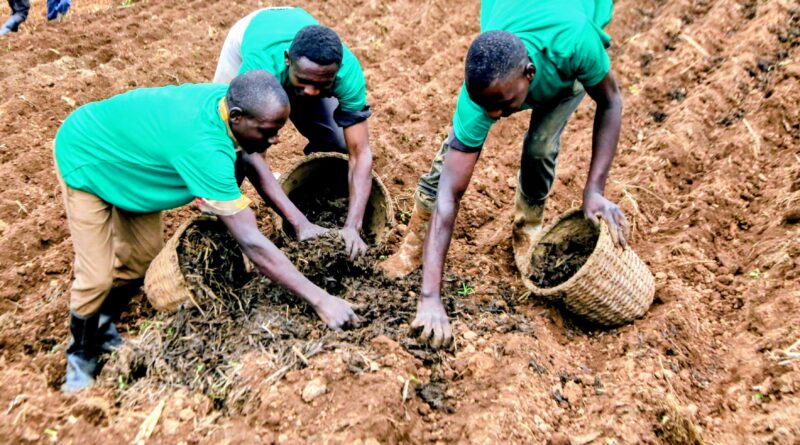
He said: “We can farm while conserving biodiversity and the environment and still achieve good yields. We urge farmers to maintain erosion control structures, especially during this rainy season, and to use certified improved seeds along with chemical fertilizers combined with organic manure to boost production and combat malnutrition and stunting.”
During this planting season, Burera District plans to cultivate beans on over 13,000 hectares, potatoes on more than 6,100 hectares, wheat on 4,400 hectares, and maize on 600 hectares.
At the Bisaga site where the launch took place, over 25 tons of lime and one ton of chemical fertilizer were distributed. In addition, more than 17,000 trees and over 220,000 bamboo seedlings were planted to strengthen soil conservation and enhance agricultural productivity.