Traders and horticulture farmers call for reforms in carrot marketing
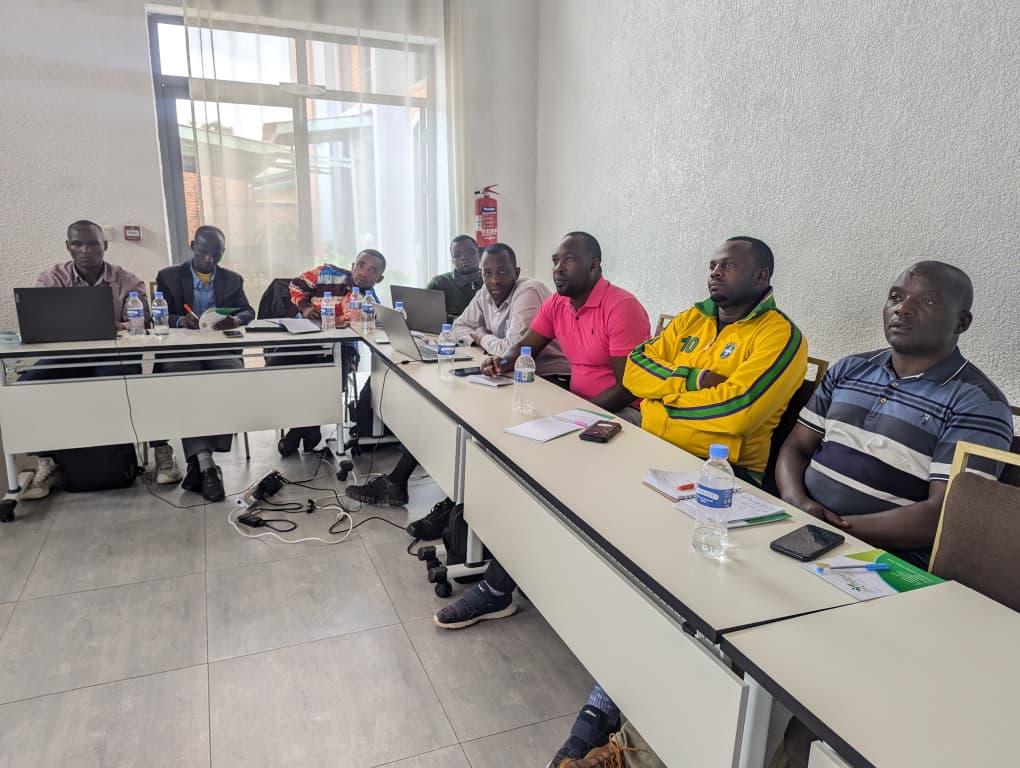
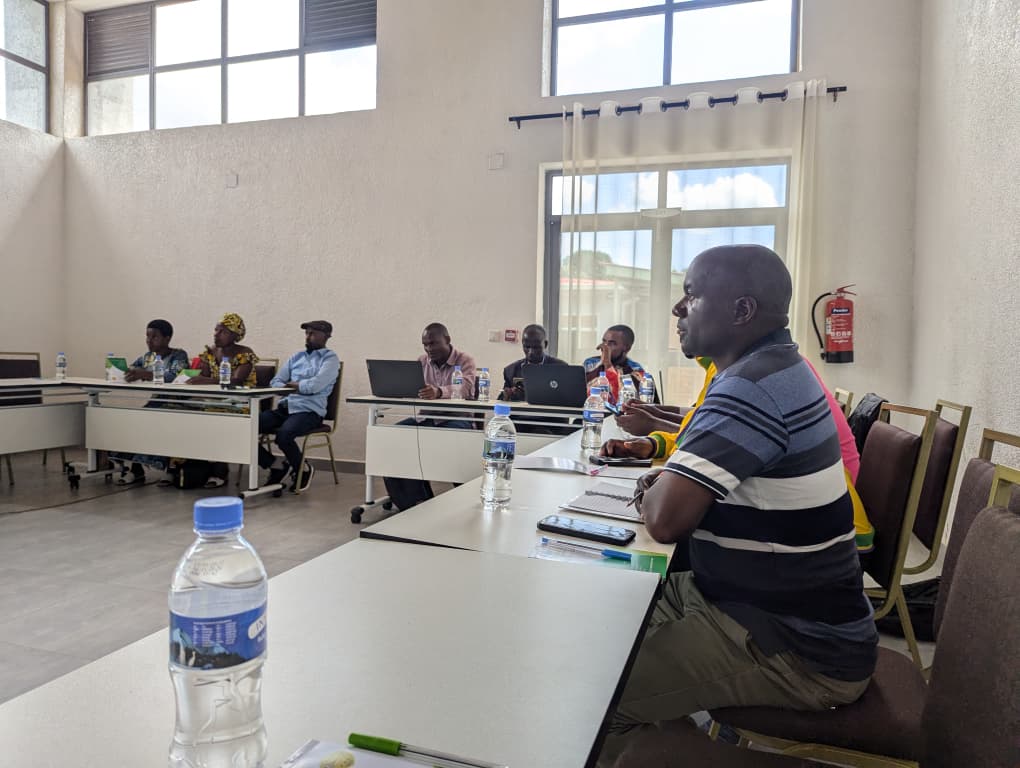
During a two-day consultative meeting held on December 15–16, 2025, organized by the Rwandan non-governmental organization Advocates for Consumer Rights (ADECOR), vegetable and fruit (Horticulture)farmers and traders expressed concern over persistent gaps in the way carrots are marketed from the farm to the final consumer.
The meeting, which began on Monday, December 15, 2025, took place in Musanze District in the Northern Province. It particularly aligned with government priorities on food safety standards, promotion of sustainable vegetable and fruit farming, and improving farmers’ and traders’ access to both domestic and international markets.
Participants noted that although they have benefited from various trainings on agricultural production and agribusiness, they continue to face challenges linked to traditional trading practices. These practices, they said, often result in losses for farmers.
READ ON X : https://x.com/greenafricarw/status/2000491634870669791?t=rd-4uBiTJUE8SKqp0HVygg&s=19
Scolatride IMANIZABAYO, ADECOR’s representative in Rubavu District and a vegetable, fruit, and banana farmer, explained that selling carrots through estimation and bundling rather than weighing significantly undermines agricultural development.
“This is an issue we have questioned for a long time,” she said. “A carrot farmer invests heavily in land preparation, seeds, pesticides, and fertilizers, yet when it comes to harvest, buyers take the produce without weighing it. You may find that a sack weighing 120 kg is counted as only 100 kg.”
She added: “We need carrots to reach the market after being weighed in kilograms, just like other crops such as potatoes, maize, and beans. That would help us know how much we invested, how much we harvested, and what we actually earned.”
The President of the Vegetable and Fruit Farmers’ Platform in Musanze District, which brings together individual farmers, cooperatives, and other actors in the vegetable and fruit value chain, Ngabonziza Theodor, also highlighted the losses farmers incur when carrots are sold without proper weighing.
“This problem exists everywhere,” he said. “Buyers come directly to the farm, select well-packed sacks, but ignore the actual weight. This can cause losses on both sides because no one knows the exact weight. You might think a sack contains 100 kg when it actually has 90 kg, or assume it has 80 kg when it exceeds that.”
He added that introducing proper weighing systems would allow buyers to know exactly what they are purchasing and help sellers assess the true value of their produce based on their investment.
The meeting aimed to strengthen collaboration across the vegetable and fruit agricultural value chain, improve food safety, promote environmentally friendly production, and enhance competitiveness in markets across the Northern and Western corridors.
ADECOR’s Executive Secretary, Damien Ndizeye , noted that carrots are still traded in poorly organized and informal ways, which slows development and reduces the income farmers should earn.
“It is true that carrots are sold in a disorganized and informal manner,” he said. “This leads to inflated prices and situations where each trader or farmer overfills sacks to please buyers or middlemen who transport the produce to urban markets rather than final consumers.”
He explained that farmers often incur losses because they do not know the exact weight of what they are selling. “Whether the sack contains more or less than expected, it is not accounted for, because the unit of sale is simply ‘a sack.’ We encourage them to weigh their produce so that 100 kg is clearly defined and applied uniformly across all districts. This would improve trade, increase profits, and eliminate the chaos and losses, especially among vegetable and fruit farmers.”
The meeting brought together participants from five districts within the corridorRubavu, Nyabihu, Musanze, Gakenke, and Rulindo,aiming to exchange ideas and jointly seek solutions to challenges facing the vegetable and fruit farming sector.
Attendees included members of committees representing stakeholders in the vegetable and fruit value chain, district agricultural officers, private sector actors, technical institutions, and consumer representatives.
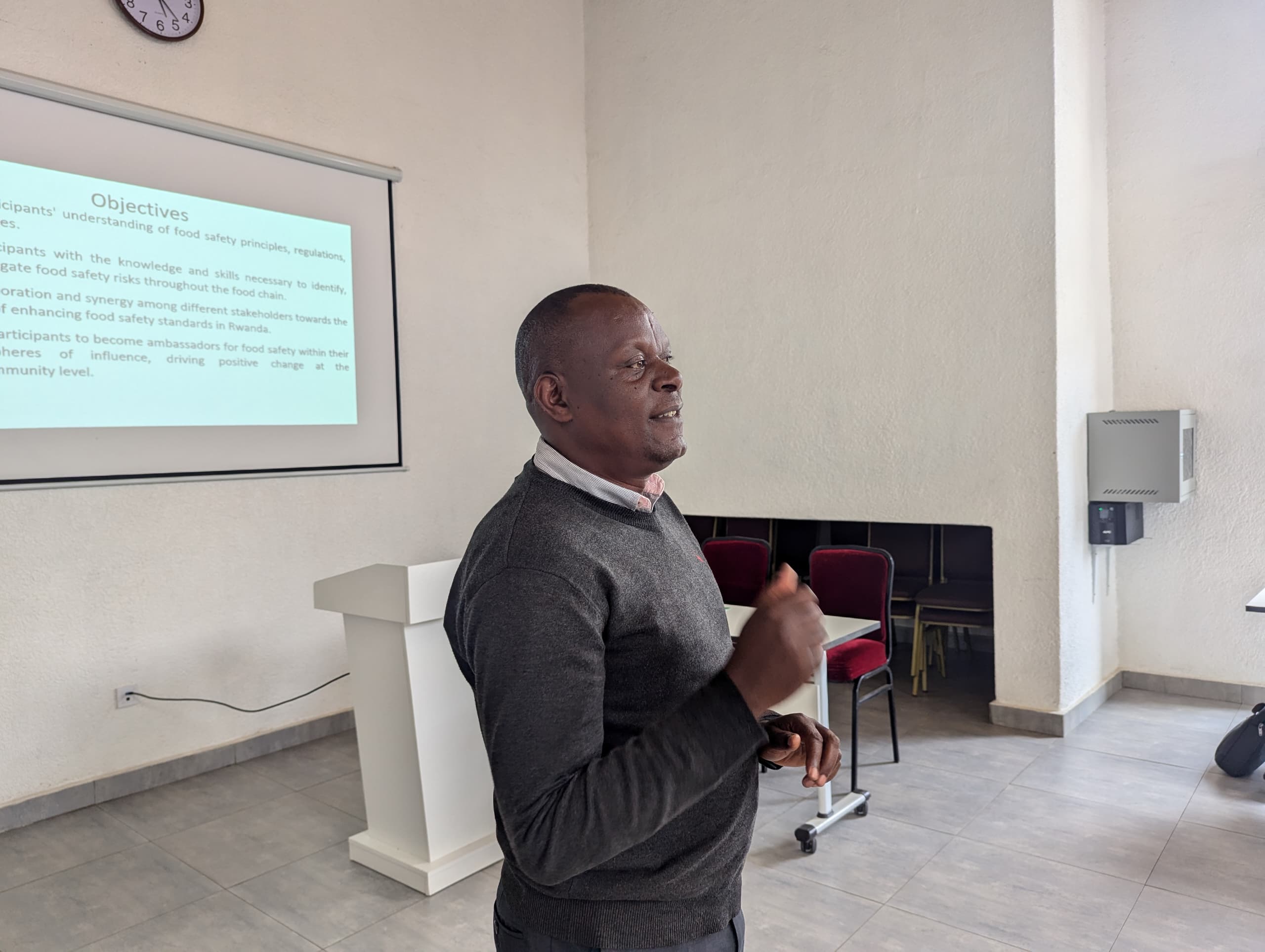
While opening the meeting, Ngandahayo Jean, the Musanze District officer in charge of agriculture and livestock, emphasized that training stakeholders involved in vegetable and fruit farming and trade helps them understand the entire process from farm to trader and ultimately to the consumer. He stressed the importance of maintaining quality standards, practicing environmentally friendly agriculture, and safeguarding consumer health.
He added that such training helps farmers understand the correct use of fertilizers and pesticides, noting that some farmers mistakenly believe that using excessive amounts increases yields. This practice, he warned, damages soil health, harms biodiversity such as pollinators, and exposes consumers to health risks, including cancer.
The meeting strongly supports government priorities related to food safety standards, sustainable vegetable and fruit production, and facilitating farmers’ and traders’ access to both local and international markets.
In 2025, as part of its objectives, ADECOR carried out various activities, including training farmers and consumers, promoting mindset change, especially in horticulture farming and trade reducing post-harvest losses, and encouraging compliance with food quality and safety standards. The organization also empowered consumers to identify and avoid substandard products.
Founded in 2008 in the City of Kigali, ADECOR is a Rwandan organization dedicated to protecting consumer rights and now operates across various districts of the country.