Ngororero: Environmental conservation and agriculture are transforming lives through ARCOS’ MULAKILA project
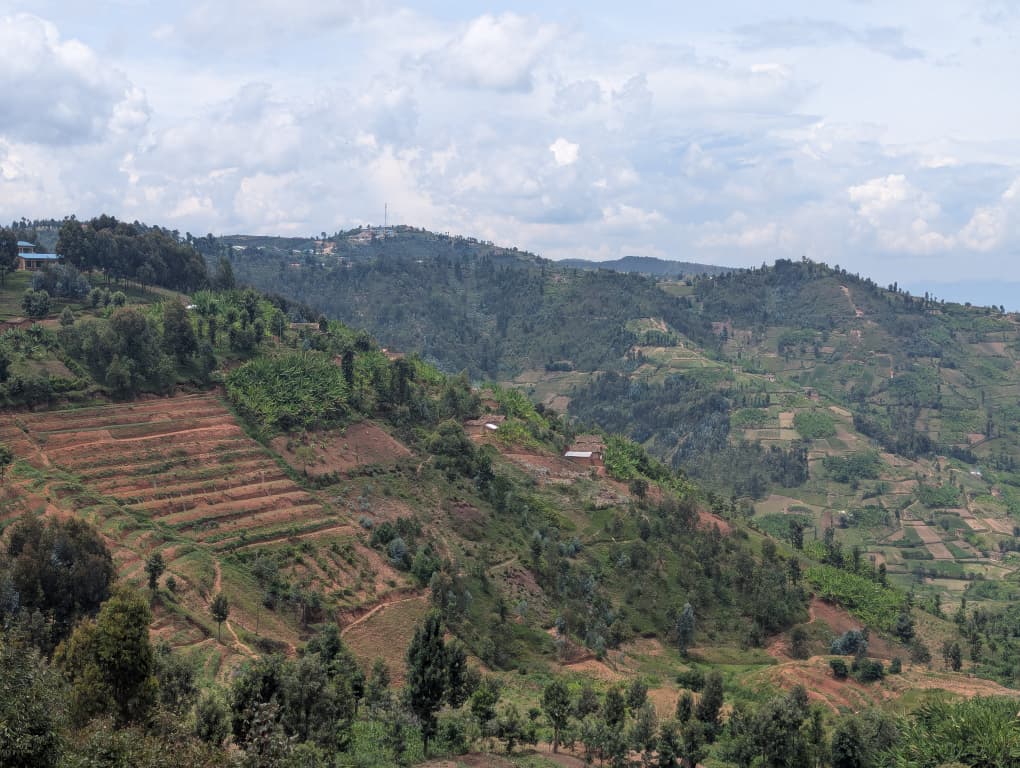
Efforts to conserve the environment, including tree planting, anti-erosion measures, terracing, and strengthening crops to increase agricultural productivity are being intensified in Ngororero District through collaboration between farmers, local authorities, and various development partners. This comes after a significant portion of the district’s budget was allocated to agriculture and livestock.
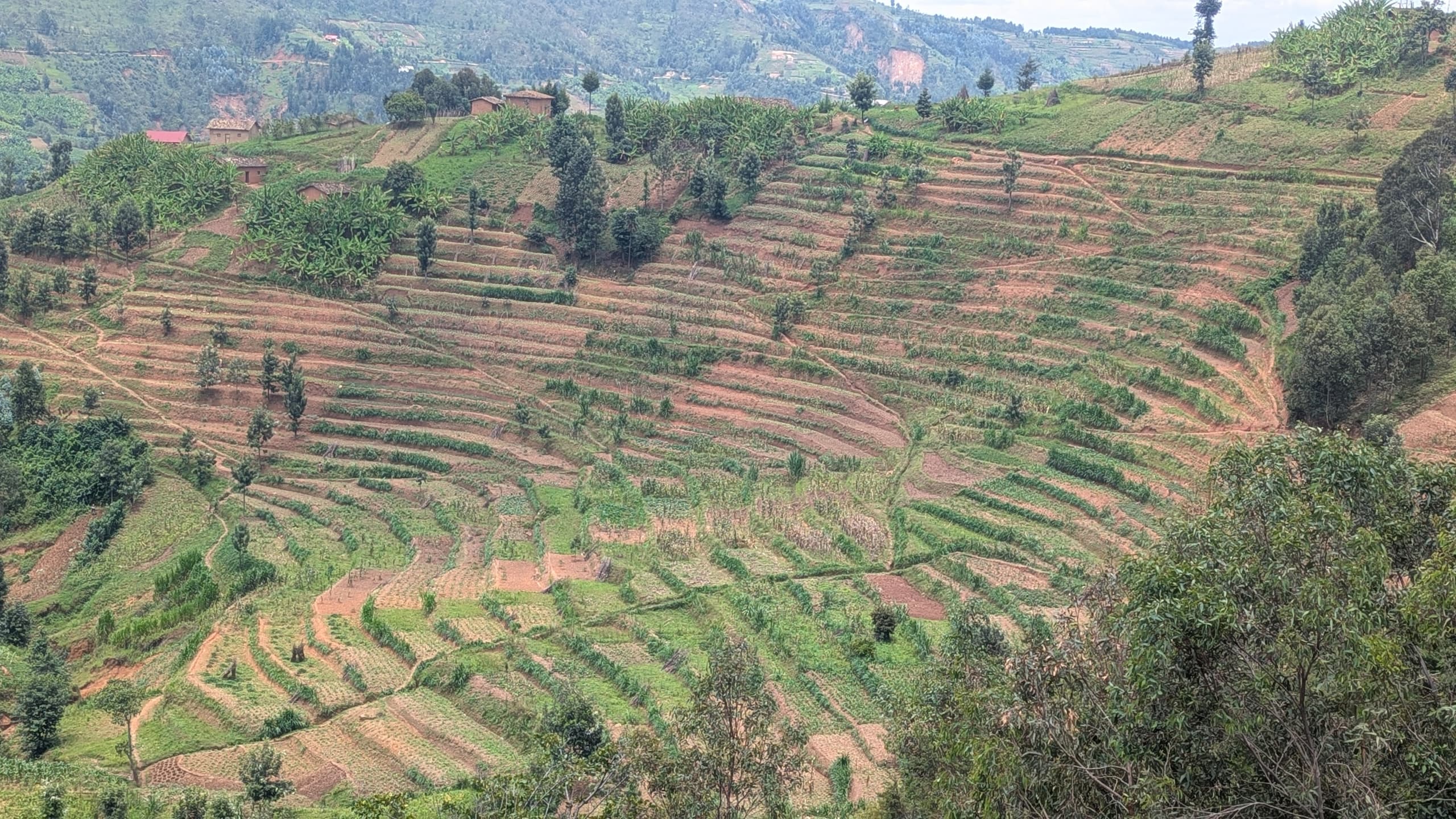
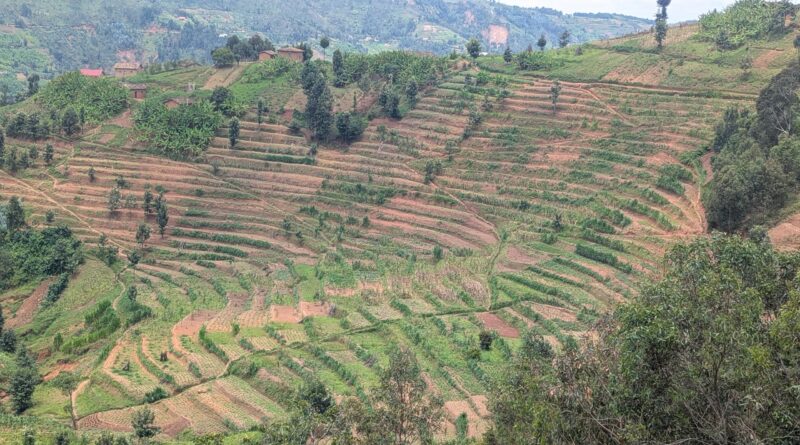
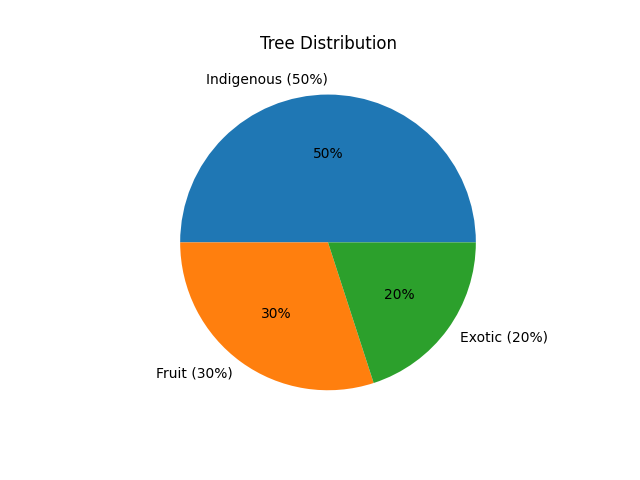
Residents say the MULAKILA project continues to bring them numerous benefits through the work of ARCOS Network. The project supports farmers in constructing both radical and progressive terraces and provides different types of trees (50% indigenous species, 30% fruit trees, and 20% exotic species). The project is also providing farmers with coffee seedlings, which is a key cash crop for the country and, thus, a source of income for the communities.
These trees help restore soil fertility, prevent erosion, improve nutrition through edible fruits, and absorb CO2 from the atmosphere, which is indispensable for climate change mitigation.
Farmers note that beyond combating erosion, which previously destroyed their farms and led to poor harvests, they have also gained employment opportunities through terrace construction and tree planting.
This has enabled them to earn income and improve their livelihoods, while also receiving training that enhances their knowledge in environmental conservation.
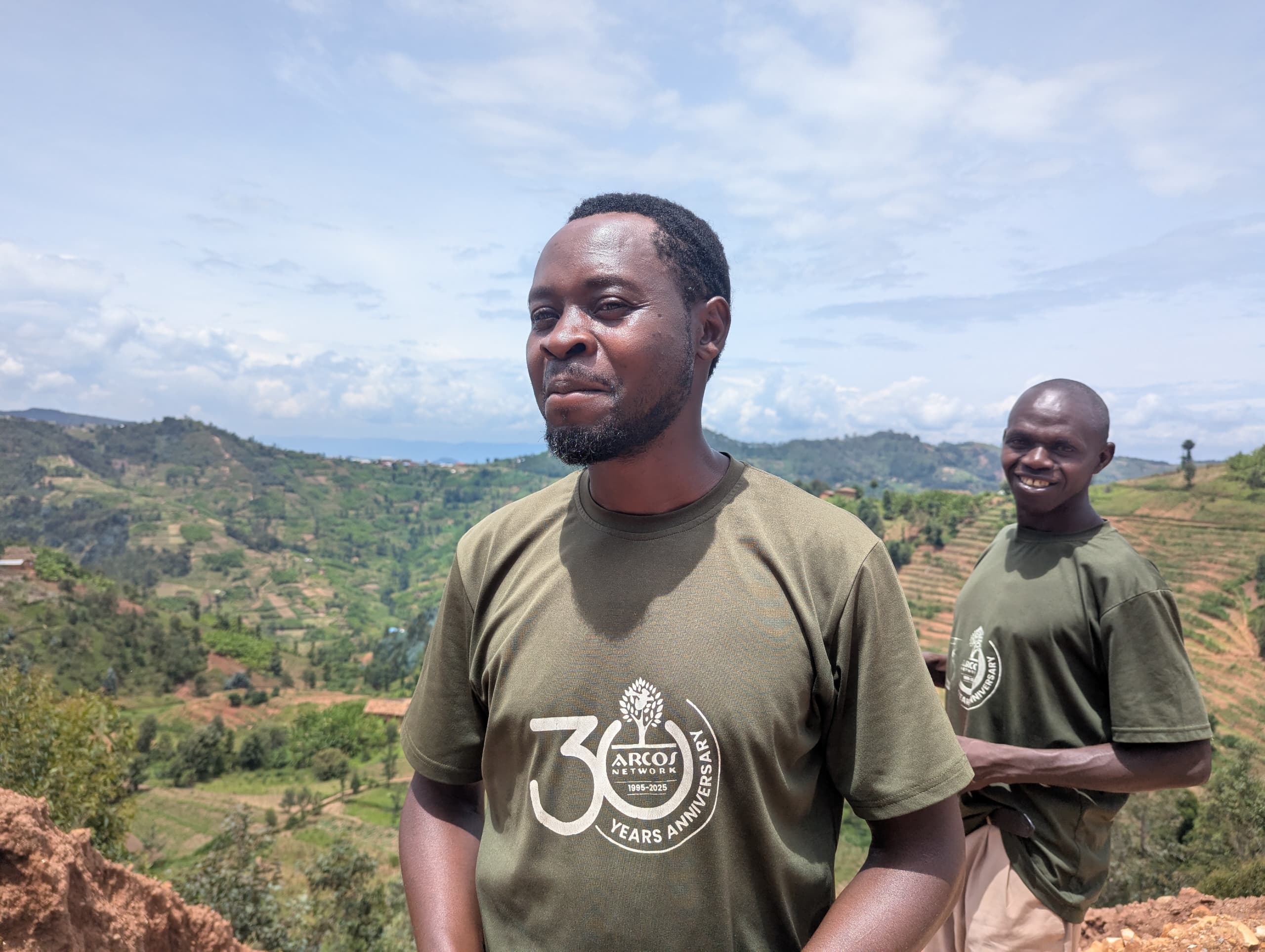
Jean Pierre Niyonsenga from Ndaro Sector said:“These terraces built by the MuLaKiLa Project are very valuable because our land is steep. Our soil used to be washed away by erosion, especially during the rainy season, but now things are improving.
The soil remains intact, and the fertilizers we apply stay in place, helping our crops grow better.”
He added:“Our production has significantly increased. Previously, we harvested between 30 and 50 kilograms of beans per hectare, but now we get at least 200 kilograms. As we continue conserving the soil, yields will keep improving. We are still at the beginning, but as soil acidity decreases, the situation will continue to improve.”
He further explained that they received organic manure and lime, and the project trains them on manure production and other sustainable agriculture land management (SALM) practices to improve soil nutrients for better crop productivity.
Residents also say the initiative has supported livestock development through collaboration between government programs and ARCOS partners.
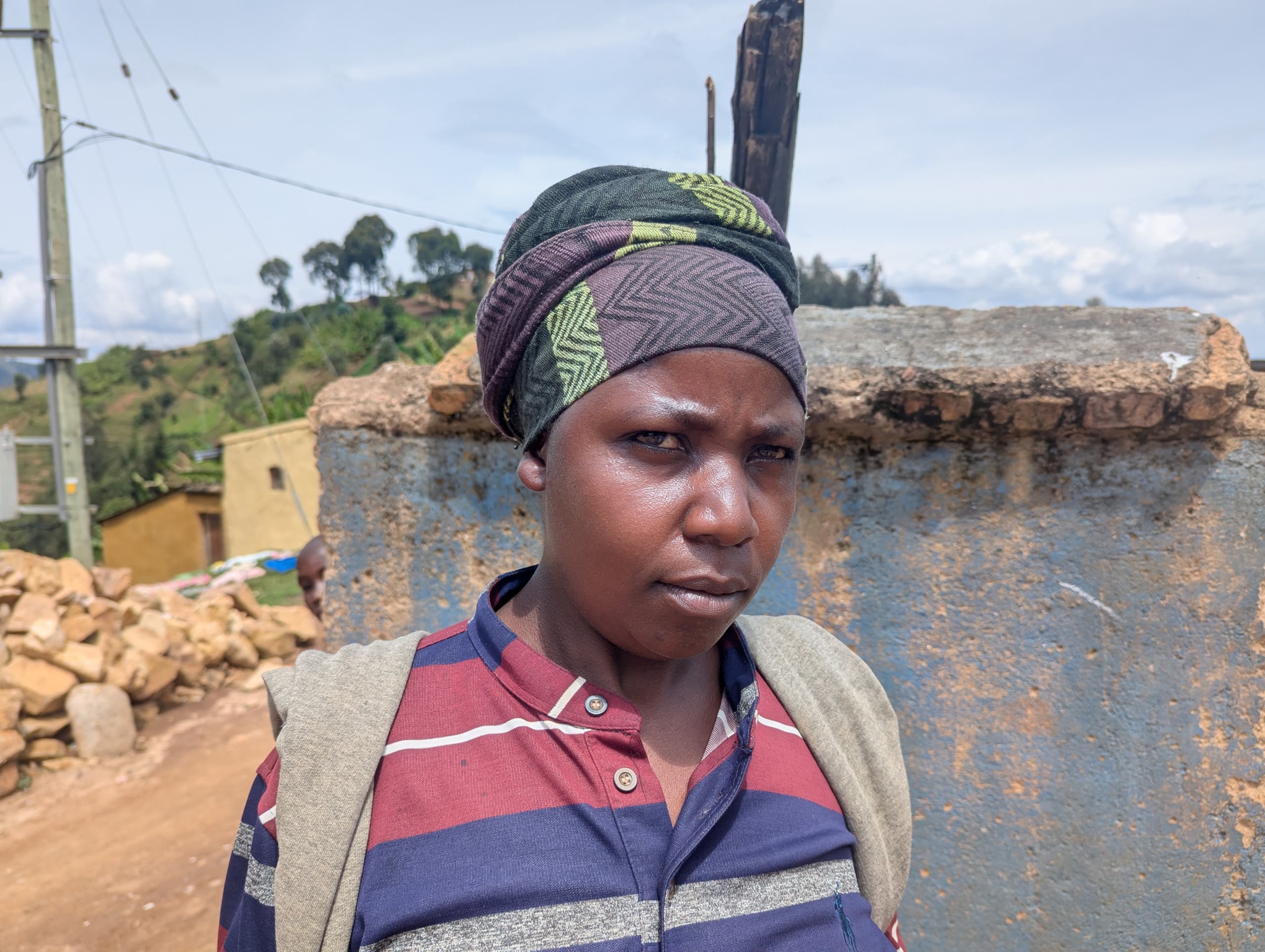
Marie Louise Uwitonze highlighted that community members contribute their land and labor, while the project provides jobs, enabling them to earn income and improve their lives.
She said:“In addition to terraces, they planted fodder crops that support livestock farming. This allows someone who had one cow to increase to two. Zero grazing has helped us take better care of our animals. They also introduced us to the Umusave Fund, which provides loans to FNAs (Friends of Nature Associations: groups of farmers working with the project). We can access loans starting from 500,000 RWF to invest in agriculture and livestock.”
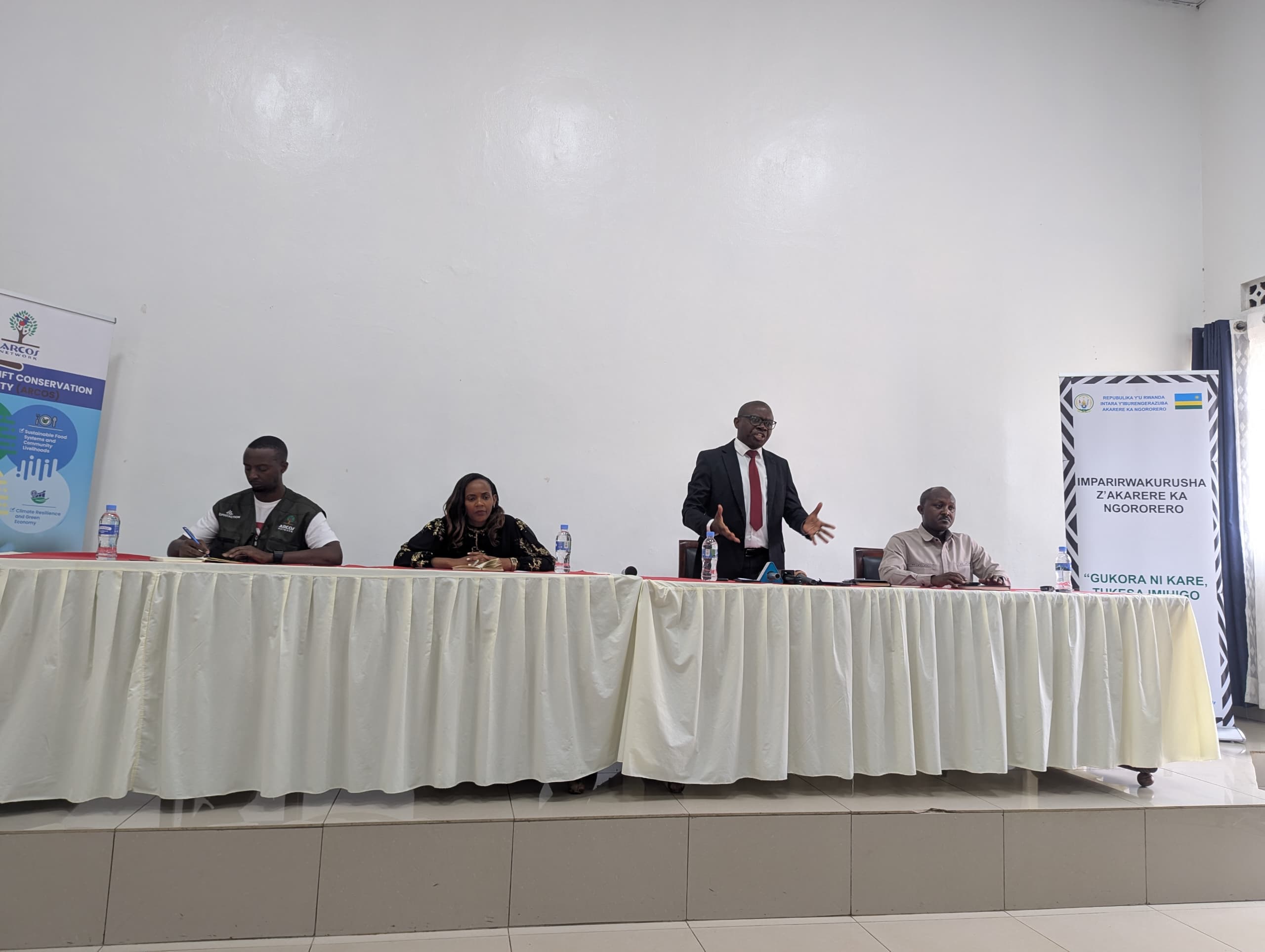
The Ngororero District leadership emphasized that ARCOS activities play a major role in achieving district goals, including improving livelihoods, protecting the environment, and increasing agricultural and livestock productivity.
They noted that Ngororero is a mountainous district where more than 95% of residents depend on agriculture and livestock, which is why the sector receives significant attention.
The Mayor of Ngororero District, Christophe Nkusi, said:“Our district is mountainous, which is why a large portion of the budget goes to agriculture. We are committed to improving agriculture and livestock so that people’s livelihoods improve and productivity increases.”
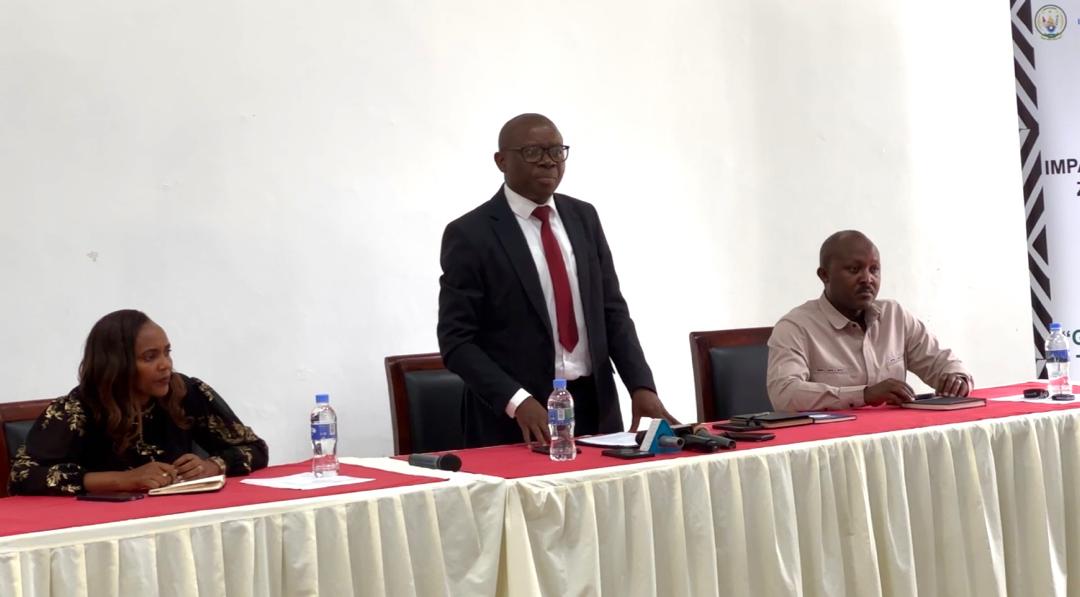
Dr. Amani MABANO, the MULAKILA Project Manager at ARCOS and regional coordinator for Central and West Africa, explained that ARCOS implements about 12 projects across 17 districts in Rwanda. In the Western Province, a major project called MULAKILA (Mukura-Gishwati Forest Lake Kivu Landscape) focuses on building resilience to climate change and promoting sustainable agricultural value chains around Mukura-Gishwati forest and Lake Kivu.
The project, launched in March 2023, operates in Rutsiro and Ngororero districts and aims to restore degraded land while improving the livelihoods of over 40,000 households of smallholder farmers. Key activities include tree planting and terracing.
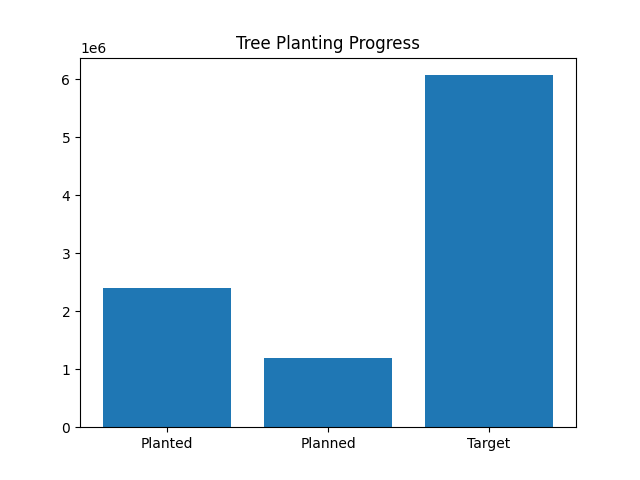
In terms of tree planting, more than 6,069,000 trees are planned across both districts, especially in agricultural landscapes and woodlots. The project has to construct radical terraces on 2,400 hectares and progressive terraces on 7,739 hectares between 2023 and 2027. In Ngororero alone, 2,400,528 trees have already been planted, with an additional 1,200,015 planned for this year. Of these, 50% are indigenous trees, 30% are fruit trees such as avocado, mango, macadamia, orange, and lemon to combat malnutrition, and 20% are exotic species like Grevillea and Alnus that provide fodder and complement slower-growing indigenous species.
Amani added that in land restoration efforts, 816 hectares of radical terraces have been completed, with an additional 375 hectares planned for 2026. Progressive terraces cover 2,530 hectares, with another 1,265 hectares planned. These terraces are supported with organic manure, lime, and agroforestry practices to improve soil fertility and control erosion.
Farmers also receive improved seeds such as beans and maize, along with nitrogen-fixing trees. To boost coffee production, farmers are paid 200 RWF per seedling they themselves produce and plant and also receive fertilizers (5 kilograms per seedling) to support proper crop management.
The project also contributes to reducing air pollution through a carbon initiative, where planted trees absorb carbon dioxide, the the greenhouse gas with the highest contribution to global warming. This generates carbon credits that are sold on international markets, creating additional income for farmers.
Over a 30-year period, farmers are expected to earn more than €24.5 million (approximately 40 billion RWF) for carbon-benefit sharing, while total benefits could reach 50 billion RWF, including those related to tree conservation. Farmers will receive 50 RWF per tree as an incentive for maintenance.
The program operates under Rwanda’s carbon market regulations set by the Rwanda Environment Management Authority (REMA) in collaboration with the Ministry of Environment, which ensure that communities benefit from projects implemented on their land.
Through the Umusave Fund, which has mobilized over €840,000, residents access loans to invest in agriculture and livestock. In Ngororero, 195 green projects have already been funded with over 447 million RWF, while total investments exceed 484 million RWF.
Farmers are organized into groups called Friends of Nature Associations (FNAs). In Ngororero, there are 609 such groups, each comprising 25 to 30 members. These groups start with the capital of 500,000 RWF and are expected to grow into cooperatives or companies over time.
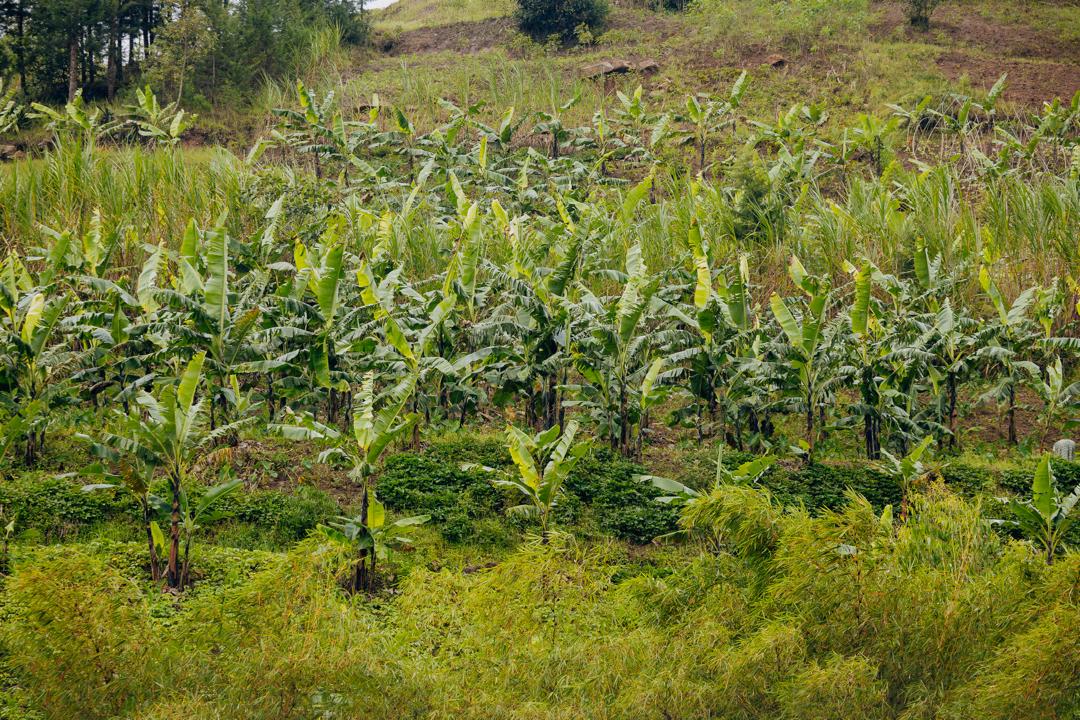
The project has also supported banana rehabilitation, with over 333,200 banana plants distributed, and plans are underway to establish nurseries for easier access to seedlings.
Overall, the project has created employment opportunities for many residents and employs 88 skilled staff in agriculture and environmental management who work closely with farmers daily, supporting them from planting to harvesting.
ARCOS is a Rwandan organization founded in 1995 by Dr. Sam KANYAMIBWA, focusing on environmental conservation and community development. It employs about 200 staff and operates across several districts in Rwanda, except in the Southern Province.
ARCOS stands for Albertine Rift Conservation Society. The Albertine Rift is a mountainous region stretching from Ethiopia to Zambia. Its work focuses on four thematic areas: biodiversity conservation and ecosystem restoration, sustainable food systems and livelihoods, education for sustainable development, and climate resilience and green economy.
Ngororero District, where the project operates, is located in the Western Province and covers over 679 square kilometers, with a population exceeding 370,000. It comprises 13 sectors, 73 cells, and more than 400 villages. Due to its mountainous terrain, strong emphasis is placed on soil conservation and erosion control, aligned with sustainable development for its residents.