
Musanze: Wisdom School champions sustainable education through Biogas innovation
Wisdom School, located in Musanze District, has embarked on a transformative journey toward environmentally sustainable education by adopting biogas as its primary cooking energy source, replacing firewood that contributes to deforestation.
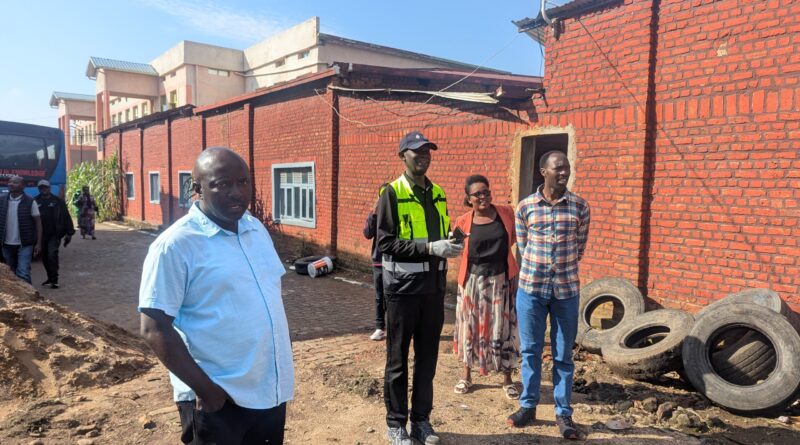
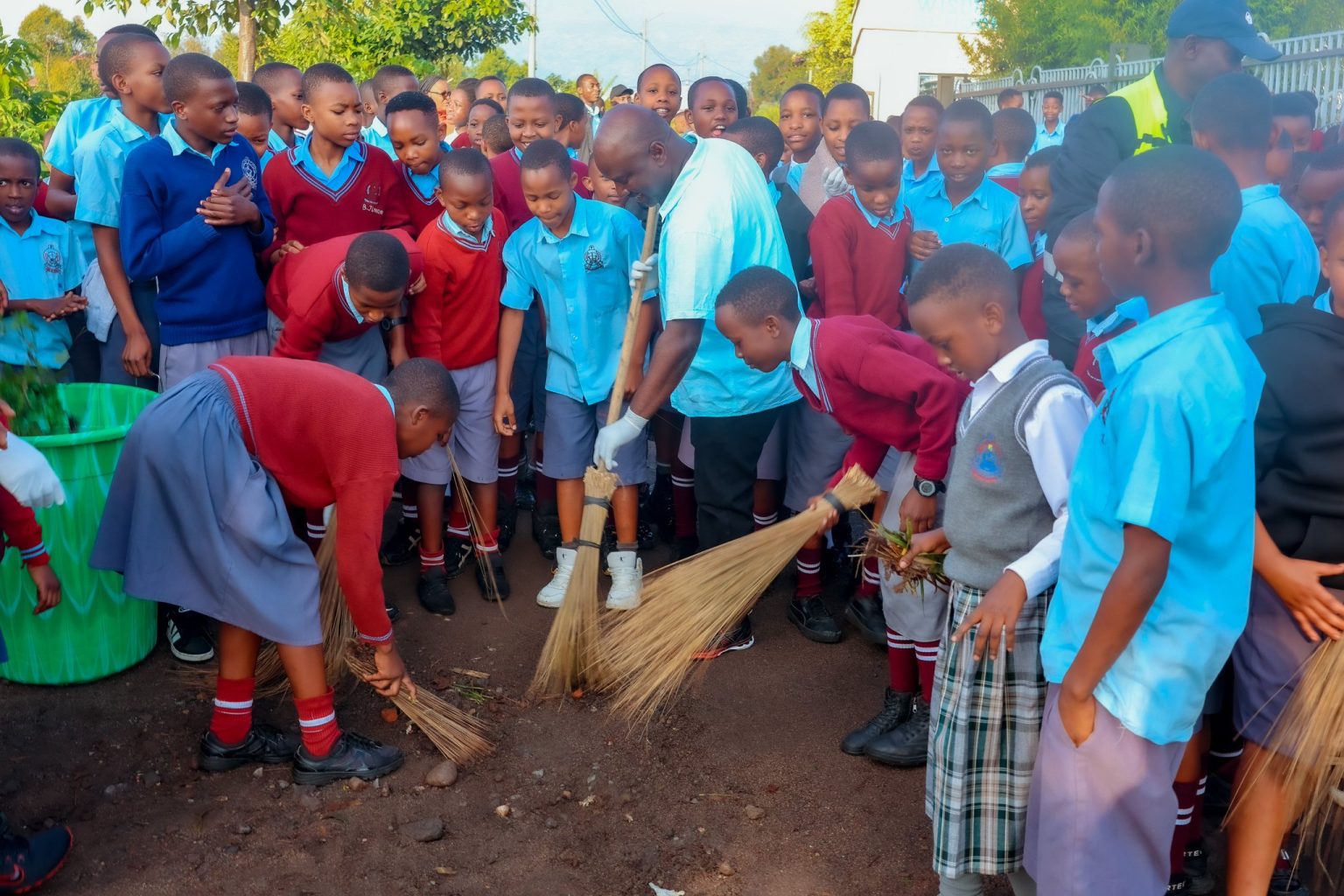
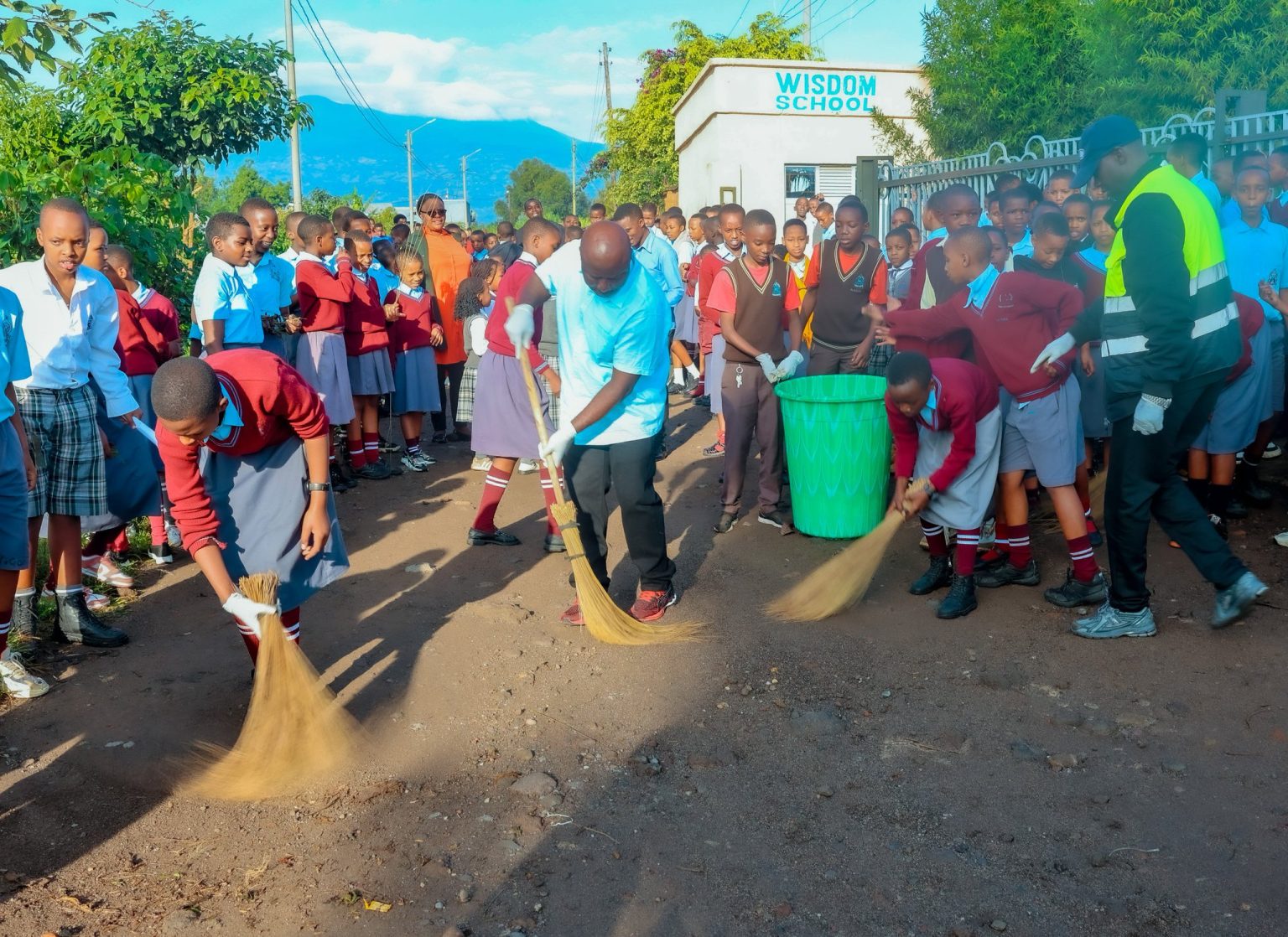
This development was highlighted on Tuesday, February 10, 2026, during a community cleanliness exercise attended by the Governor of Northern Province, Maurice Mugabowagahunde.
The event included a general clean-up across the school compound and a tour of ongoing development projects, including livestock farming and agricultural initiatives that support students’ access to balanced nutrition without heavy reliance on market purchases.
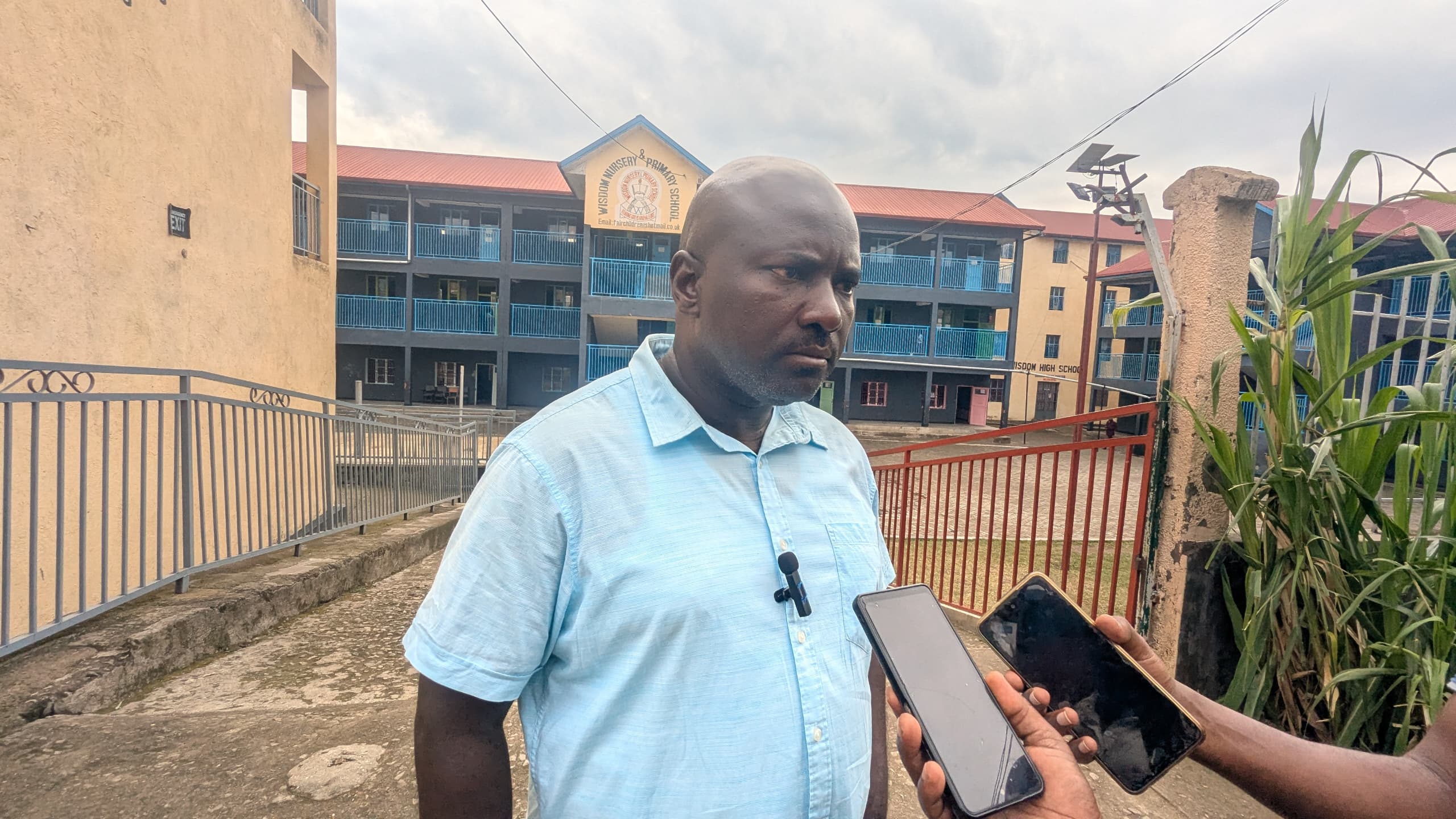
The Head Teacher of Wisdom School, Elie Nduwayesu, explained that the decision to use biogas was driven by the need to reduce dependence on firewood and protect forests from continuous degradation.
He stated:“We are committed to ensuring that the education we provide goes hand in hand with environmental protection. It is not sustainable to keep cutting down trees every term for firewood when we have the capacity to convert livestock waste into energy.”
He further noted that biogas technology transforms livestock and sanitation waste into cooking gas, reducing air pollution while improving hygiene standards.
He added:“We want our students to understand that waste is not merely something to discard; it can be a valuable resource. This is how we cultivate a mindset focused on sustainable development.”
He continued:“We have already confirmed that livestock waste can successfully generate biogas. To expand our energy capacity, we are now exploring the use of human waste as well. If livestock waste can produce energy effectively, there is every reason to believe that other organic waste can do the same.”
Among the facilities inspected were drainage systems and protective infrastructure designed to safeguard the Rwebeya River, which flows behind the school, helping to prevent soil erosion and protect water resources. Sports grounds and various school buildings were also reviewed, with acknowledgment that some projects still require additional support through collaboration with local authorities.
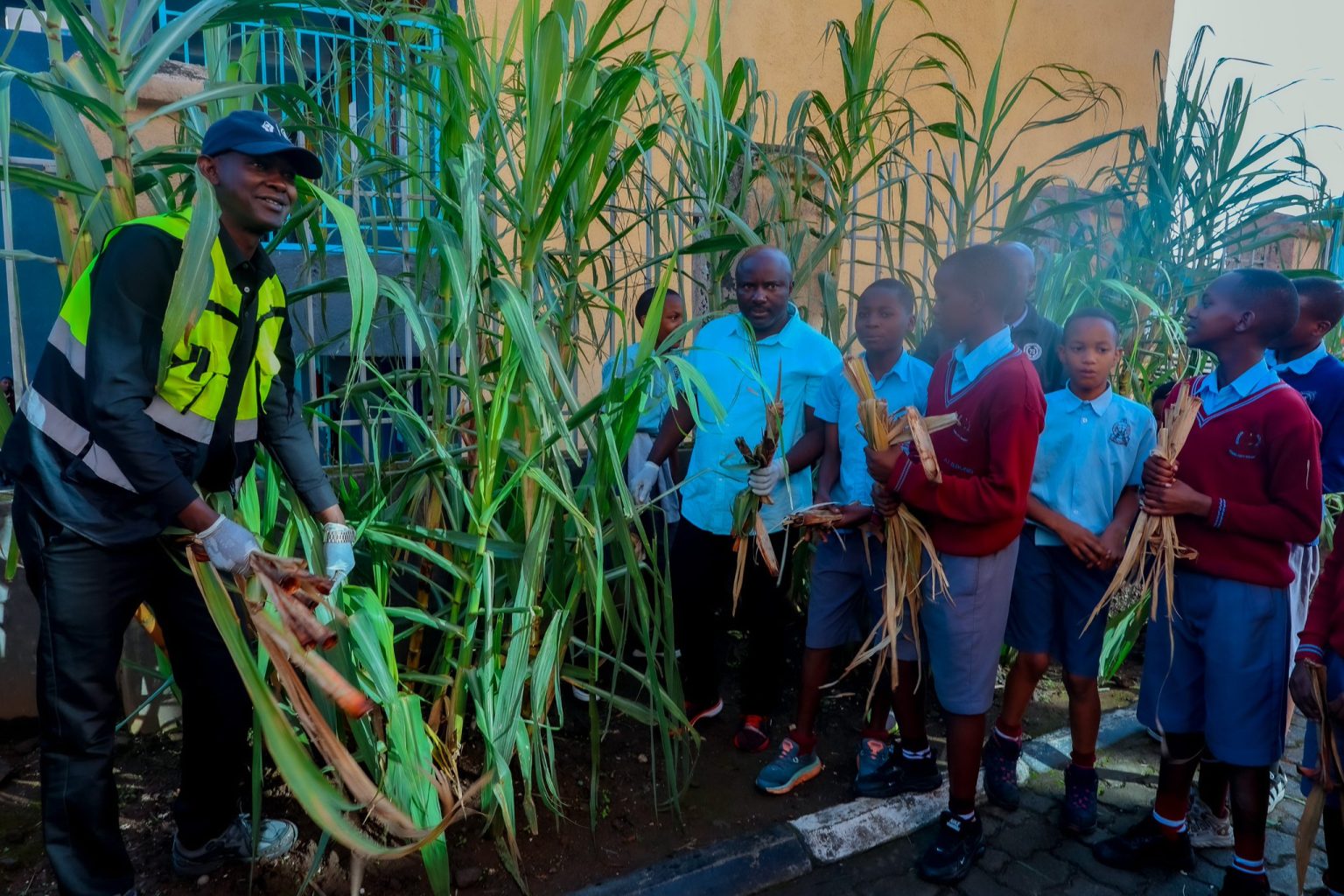
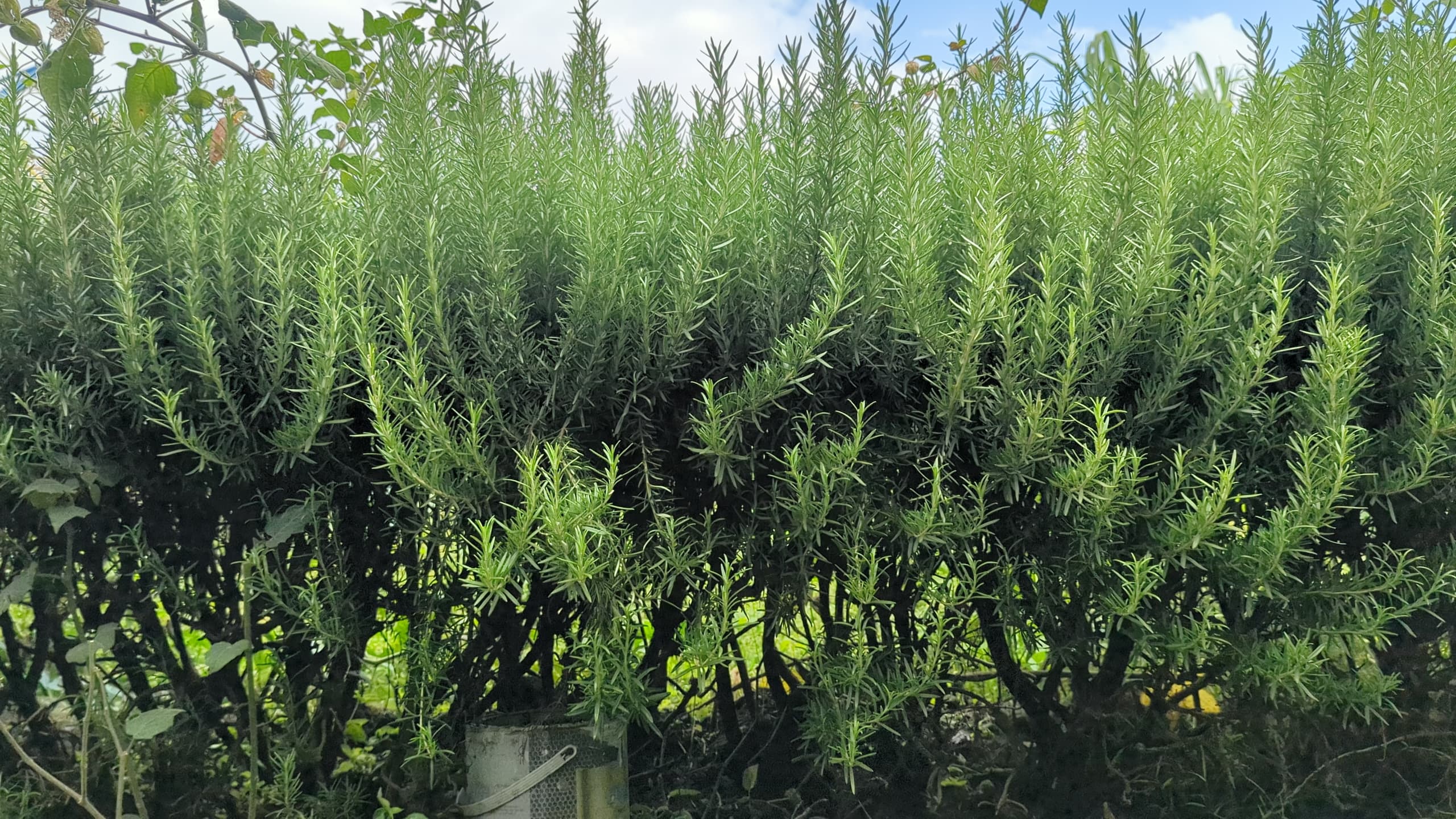
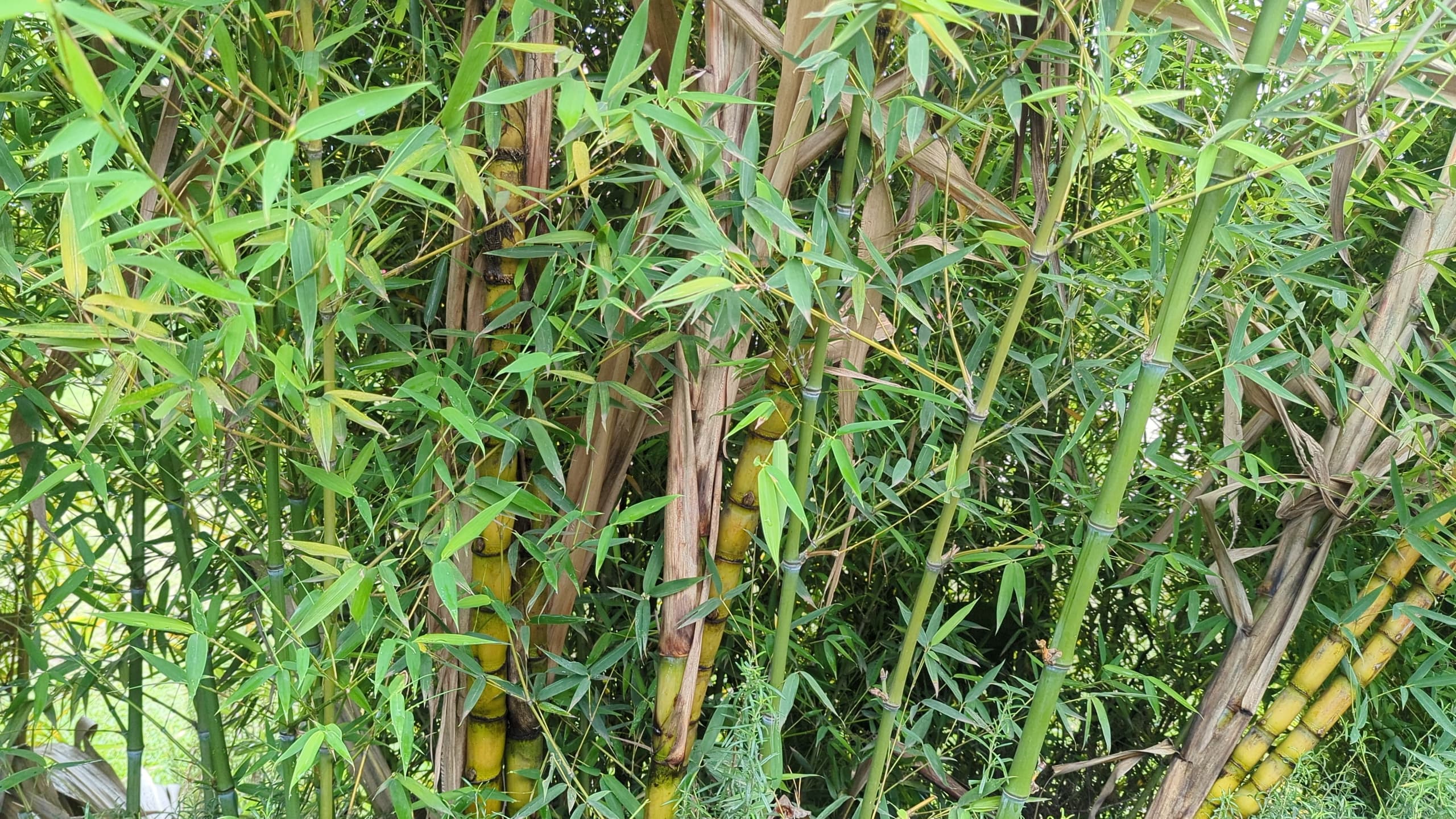
To enhance nutrition and promote a greener environment, the school has planted various fruit trees, including avocados, papayas, sugarcane, and bananas.
Nduwayesu Elie emphasized that these trees contribute to students’ balanced diets while improving air quality within the school environment.
He remarked:“Planting a tree is planting life. We want our students to grow up understanding that environmental protection is not solely the government’s responsibility, but a shared duty.”
Students also shared reflections on the importance of hygiene and environmental responsibility.
Analyse Uwase said:“This activity taught us that cleanliness should define us wherever we are. We will continue practicing it at school and at home, because hygiene leads to good health.”
Marie Claire Uwimana added:“Cleanliness is a culture that should characterize everyone. When we take care of our bodies, our clothing, and our surroundings, we prevent diseases and set a good example.”
Isaac Sendagire, the students’ representative, emphasized that cleanliness reflects both personal discipline and institutional quality.
He stated:“When a school maintains cleanliness and protects its environment, it reflects the level of education and the mindset of its learners.”
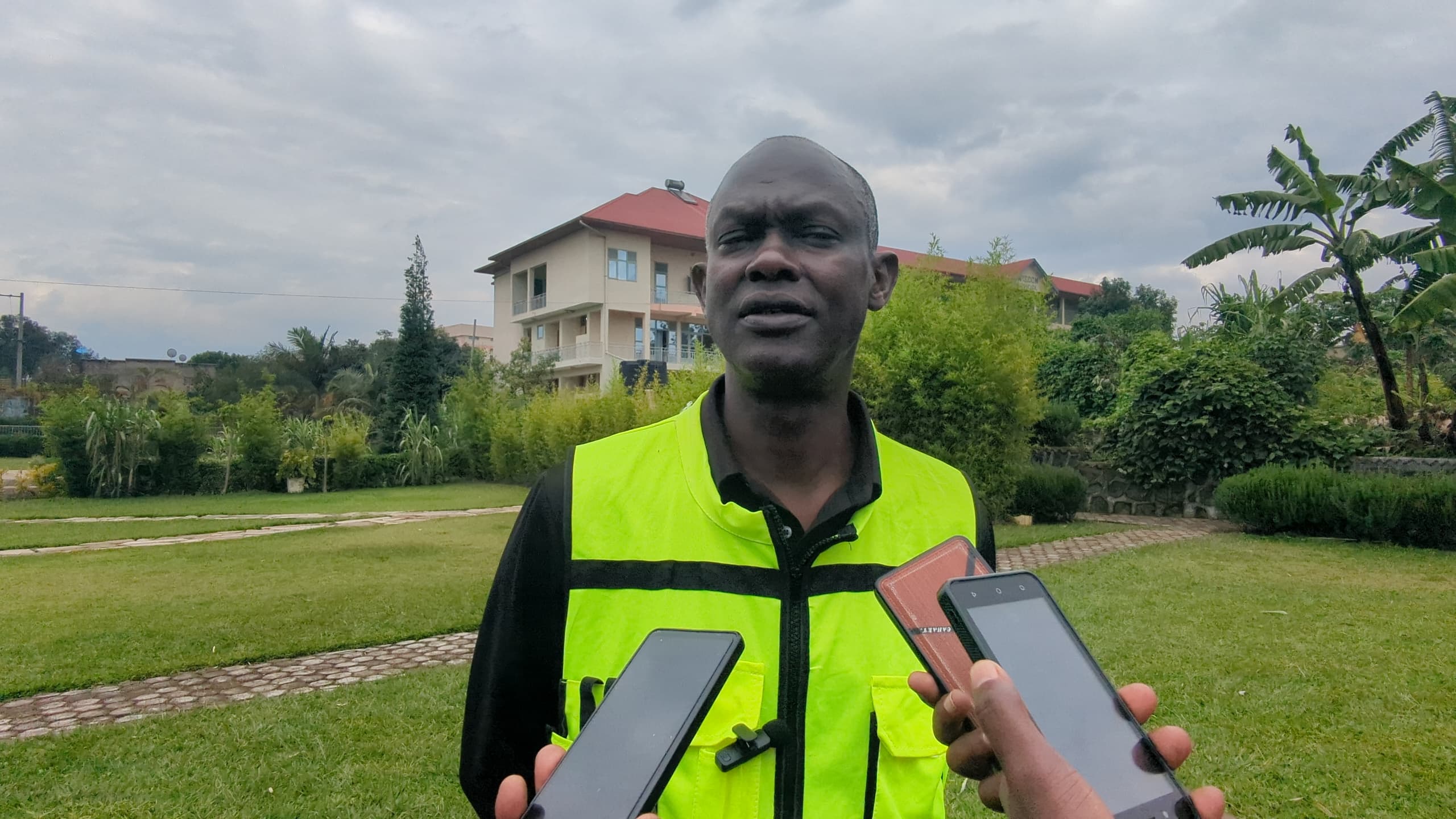
The Governor of Northern Province, Maurice Mugabowagahunde, commended the school’s environmental efforts and pledged continued support.
He noted:“Adopting biogas and prioritizing environmental protection demonstrates a strong commitment to sustainable development. Schools should serve as catalysts for change in forest conservation and the promotion of renewable energy.”
He also encouraged students to uphold cleanliness and avoid harmful behaviors.
He added:“Cleanliness must become part of daily life. What you learn here should be visible wherever you go, because you represent Rwanda’s future.”
Wisdom School’s initiative aligns with Rwanda’s national environmental and renewable energy strategies. Rwanda has committed to maintaining forest cover at a minimum of 30% of its total land area, with recent data indicating that forest coverage has surpassed this benchmark through sustained afforestation and restoration programs.
To reduce reliance on firewood and charcoal, the government has invested significantly in promoting biogas technology. National programs supporting the installation of biogas digesters in households, schools, and health facilities have enabled thousands of beneficiaries and institutions to transition to renewable energy. In particular, large schools and correctional facilities have been encouraged to cut firewood consumption by more than 50% through biogas adoption.
These efforts are aligned with Rwanda’s commitment to reduce greenhouse gas emissions by 38% by 2030, as outlined in its Nationally Determined Contributions (NDC) under global climate action frameworks. Together, these measures aim to foster sustainable development grounded in environmental protection and innovative waste-to-energy solutions.
The school administration affirmed that its environmental initiatives will extend beyond the campus, with plans to collaborate with surrounding communities in promoting cleanliness and environmental stewardship, ensuring that students become role models within the broader society.
A really good blog and me back again.