Musanze: RAWO promotes Humane Education to shape children’s future through animal welfare and environmental conservation
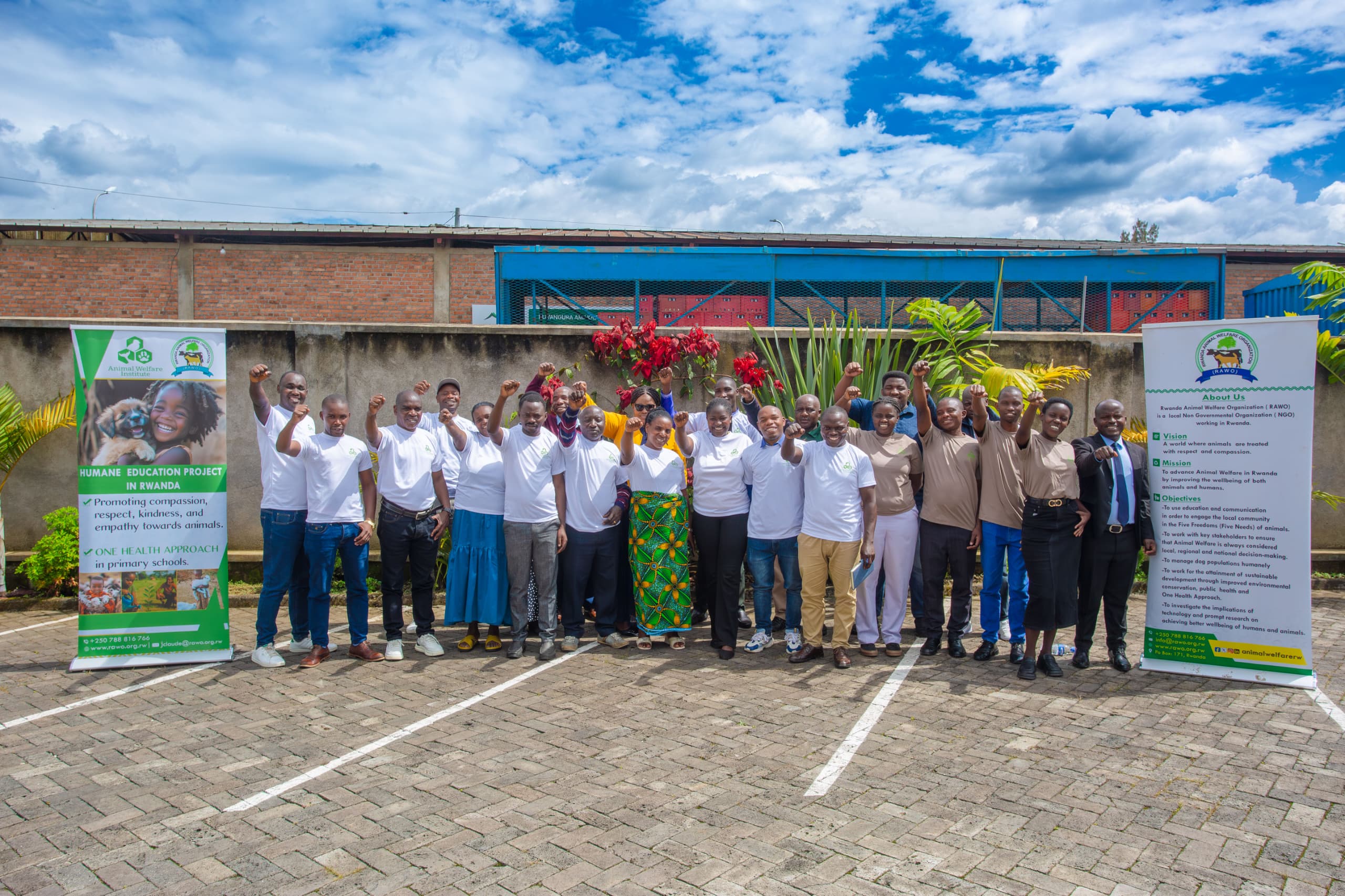
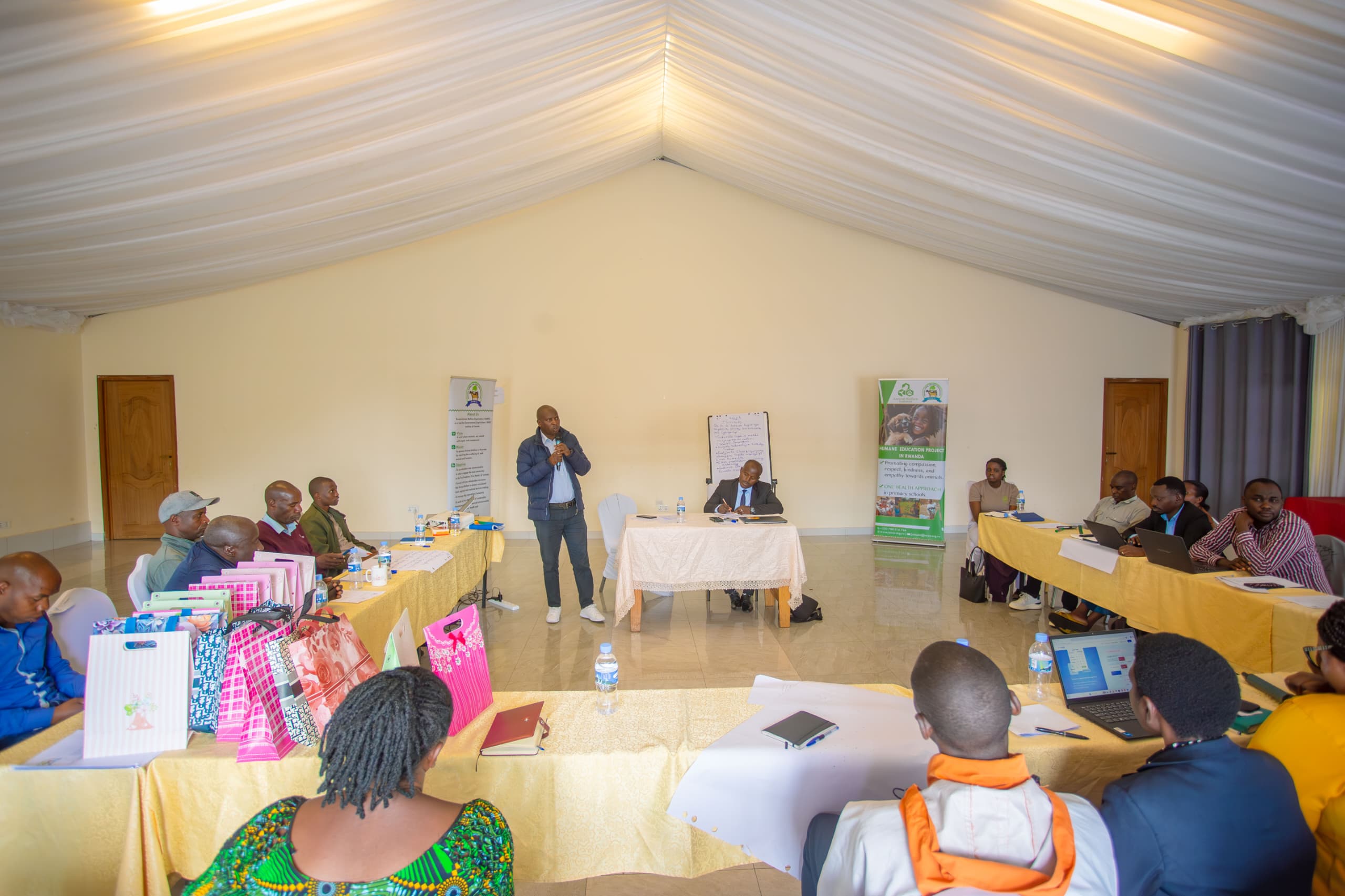
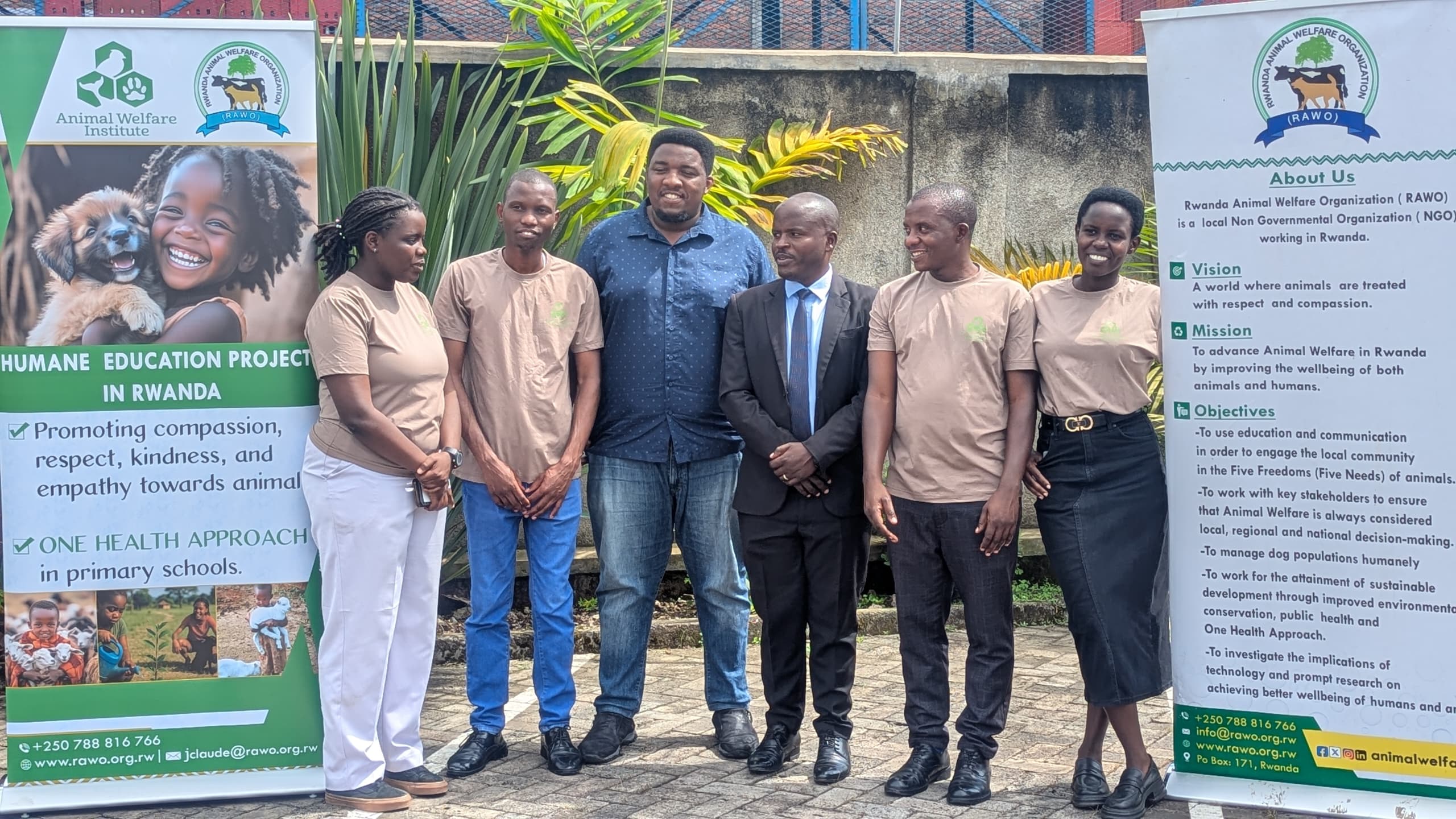
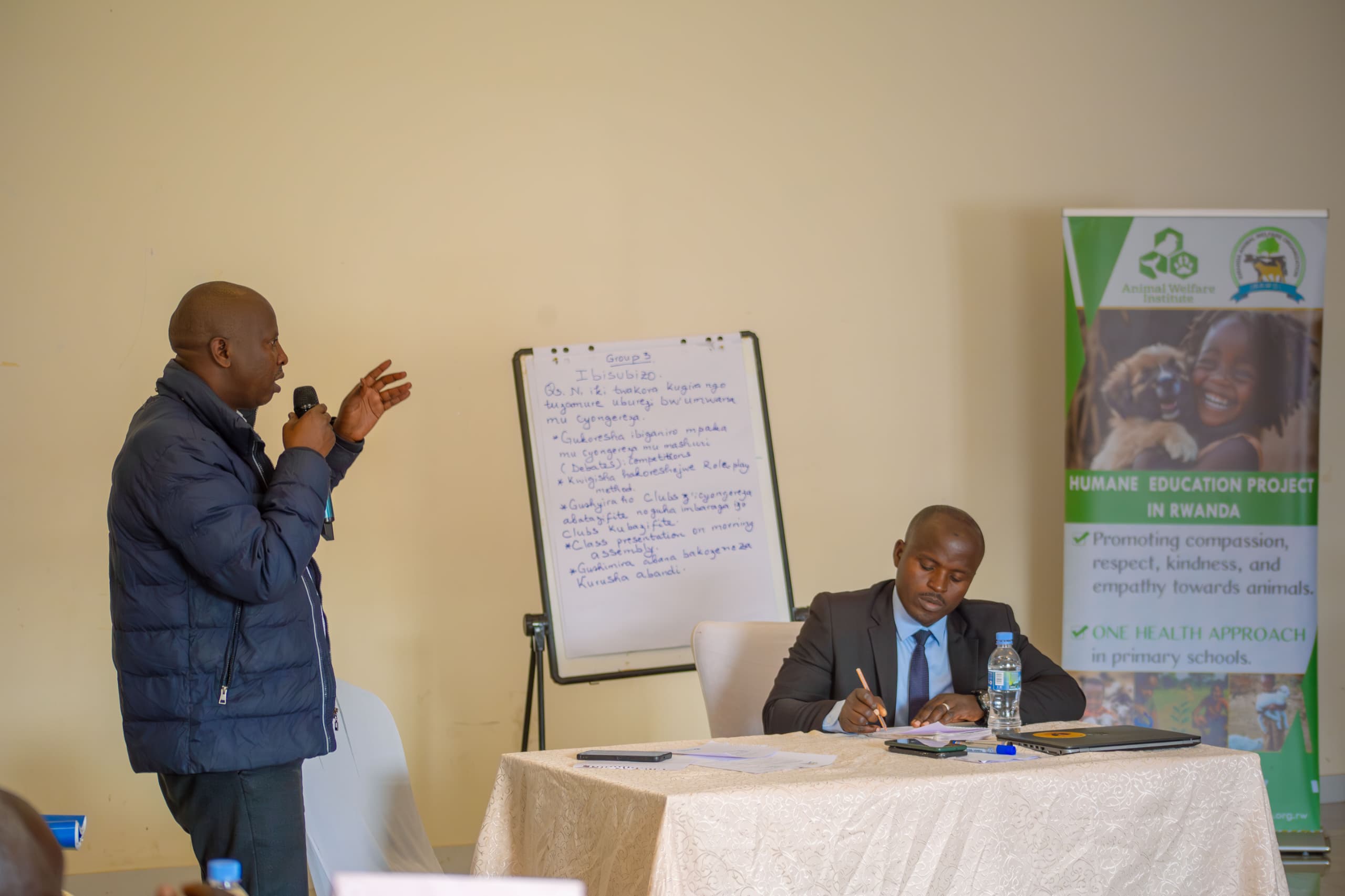
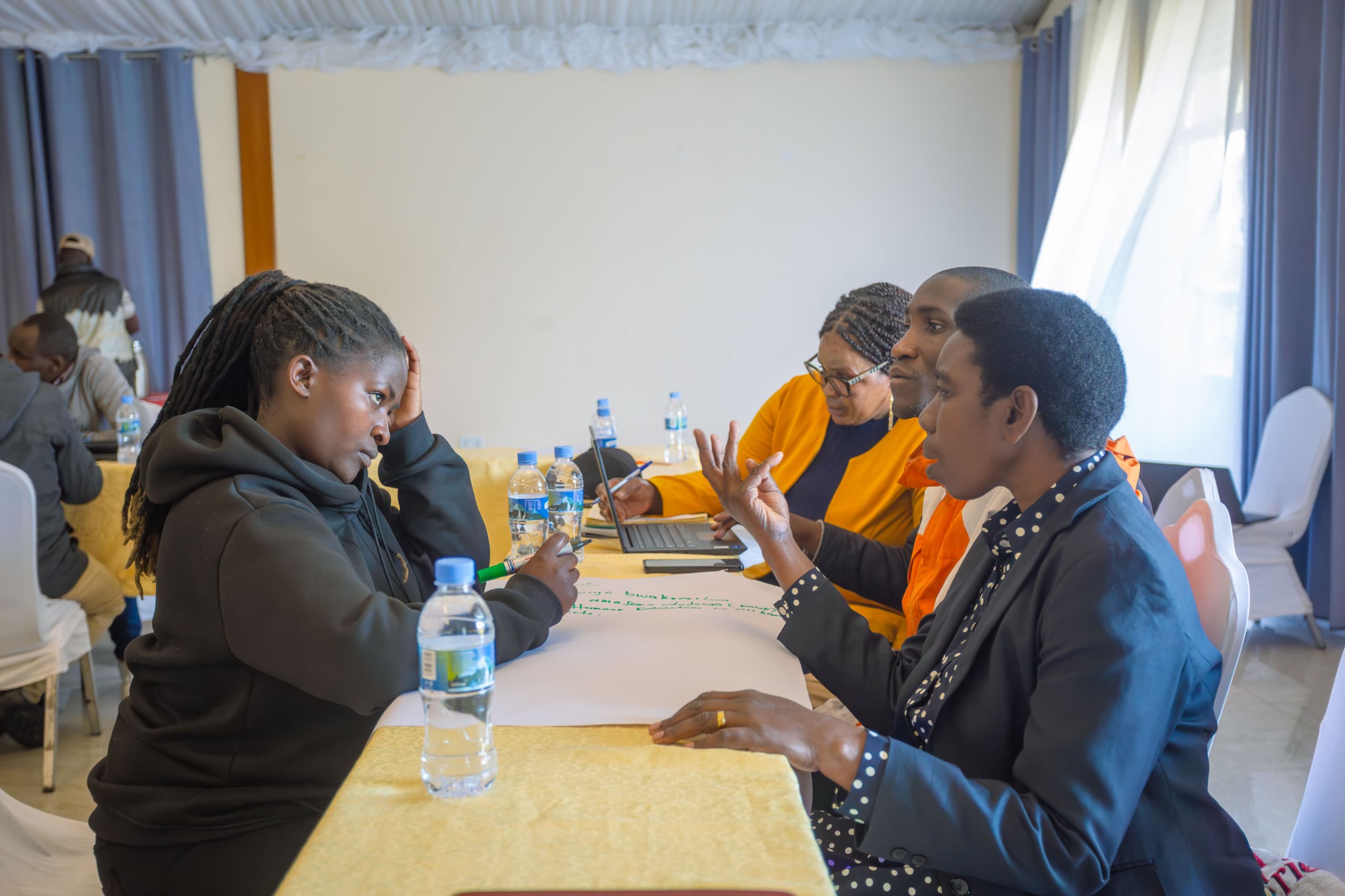
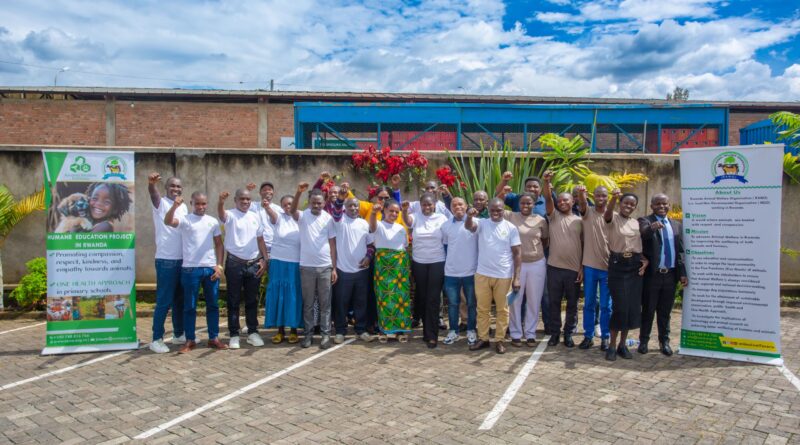
The Rwanda Animal Welfare Organization (RAWO), in partnership with Musanze District, convened a workshop bringing together 25 participants, including primary school leaders and members of the RAWO team.
The workshop was strategically designed to evaluate the progress of the previously implemented Humane Education project in Musanze District, while gathering feedback and practical insights from headteachers and mentors to strengthen the successful implementation of the 2026 phase.
In Musanze District, across eight schools located near Volcanoes National Park, ongoing initiatives are laying a strong foundation for children’s future through quality education rooted in environmental stewardship and animal welfare values.
Click here to read another related article
On Wednesday, April 1, 2026, RAWO conducted a workshop that brought together 16 school leaders from these institutions. The Workshop aimed to promote Humane Education an approach that nurtures compassion, respect, and responsibility toward animals, the environment, and biodiversity.
The workshop focused on instilling core values among primary school learners, including empathy, kindness, respect, and compassion, particularly in relation to animals and nature. This approach is designed to raise a generation of responsible future leaders capable of contributing to a more sustainable and humane world.
RAWO is an organization dedicated to promoting animal welfare and rights, but its work extends beyond advocacy to play a transformative role in children’s education, especially in communities living near wildlife habitats.
The organization has established environmental and animal welfare clubs in eight schools: Kamwumba, Muhe, Nyabitsinde, Bisate, Kabara, Kampanga, Rushubi, and Kabwende. Each club comprises between 30 and 50 students who are equipped with knowledge and values to become ambassadors for biodiversity conservation.
Participants in the workshop emphasized that these clubs have significantly improved students’ understanding of ecosystems and the importance of protecting both domestic and wild animals. This exposure enables children to develop respect for animal life and recognize their intrinsic right to well-being.
Juvenal Muhawenayo, a teacher at GS Kabara in Ninda Cell, Nyange Sector, noted that the initiative has positively transformed students’ learning attitudes.
“The clubs established in our schools have helped students develop a genuine love for learning, as they acquire diverse knowledge, including English communication skills, social interaction, and environmental awareness. This has contributed to reducing school dropout rates,” he stated.
“Teaching children compassion also strengthens discipline. A child who understands that animals deserve care is less likely to harm others. It also helps challenge outdated beliefs that encouraged harming animals due to cultural myths and taboos.”He added
Read another related article 2
Animal conservation plays a critical role in Rwanda’s economy, particularly in the Northern Province, where wildlife-based tourism,especially gorilla trekking attracts visitors from around the world. Instilling conservation values in children at an early age equips them with the knowledge and passion needed to sustainably benefit from these resources in the future.
Stella Fideline Niyonkuru, a facilitator working with RAWO in schools and communities, emphasized that these clubs also contribute to English language development.
“We aim to raise children who understand the value of animals and can confidently communicate with tourists, which will benefit their future livelihoods,” she explained.
“We teach children proper animal care and introduce them to the ‘One Health’ concept, which highlights the interconnection between human, animal, and environmental health. Within the next three years, we expect significant improvement in their English proficiency and self-confidence.”She added
Animals play a vital role in maintaining ecological balance. Effective conservation ensures environmental stability, helps mitigate the impacts of climate change, and supports key sectors such as agriculture and tourism.
In 2023, World Animal Protection stated that “protecting animals is not only about their welfare, but also about safeguarding human life and the planet as a whole.” Similarly, in 2022, United Nations Environment Programme emphasized that “biodiversity is essential for economic development and human well-being, and protecting animals is key to sustaining ecosystems.”
Students involved in these clubs are demonstrating notable improvements in academic engagement. Beyond acquiring knowledge, they develop values that motivate them to remain in school and pursue their ambitions. This has contributed to addressing dropout challenges previously observed in communities surrounding Volcanoes National Park, where some children were drawn into domestic labor.
Innocent Dusabumuremyi, the Musanze District official in charge of education, commended RAWO’s contribution, stating:
“These initiatives are highly impactful as they broaden children’s understanding and motivate them to learn. We will continue to support and promote this program.”
He added, “Initially, RAWO appeared to be a small initiative, but its growing impact on education quality and animal welfare is now evident. As a district, we are committed to strengthening collaboration.”
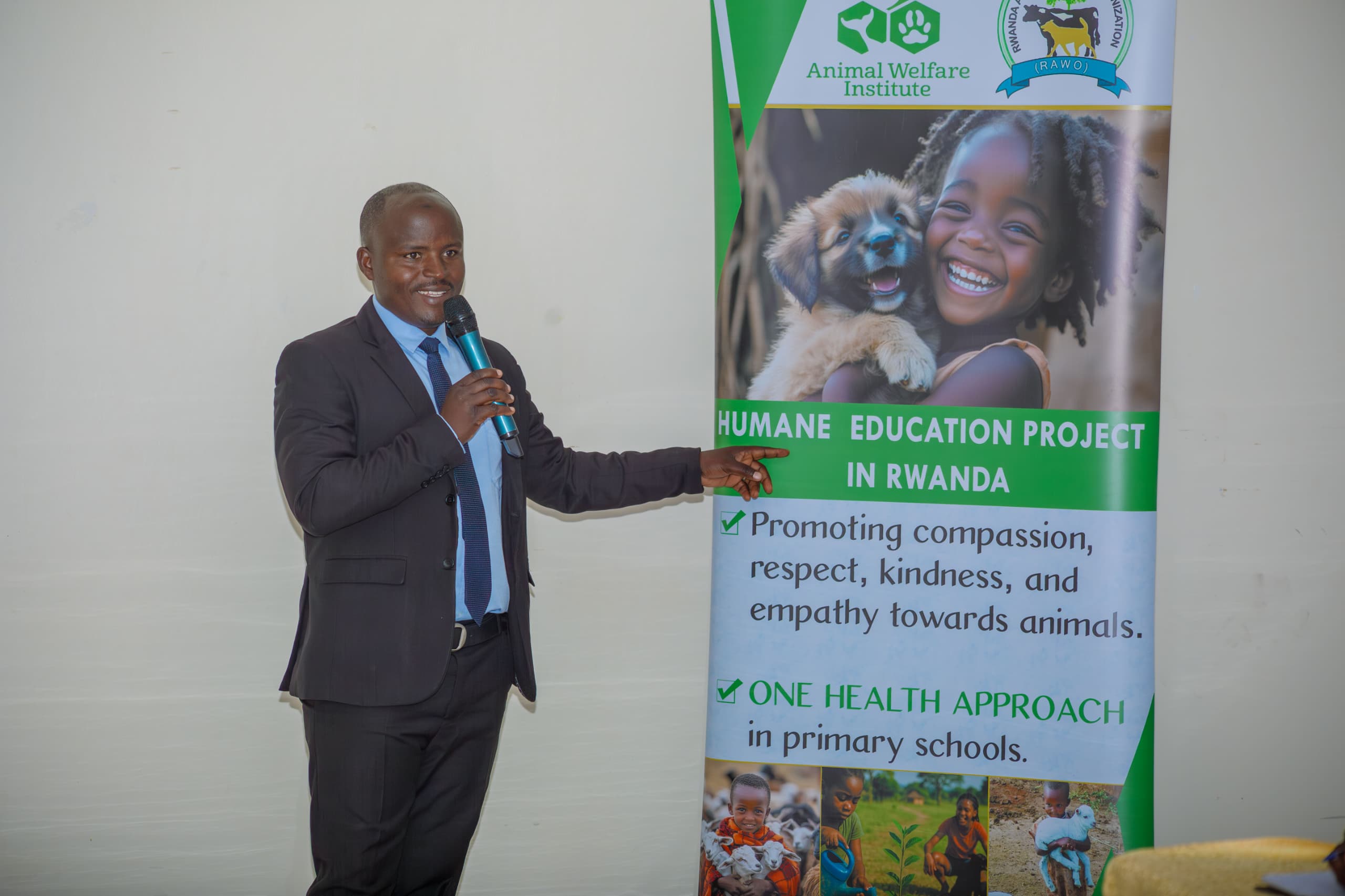
Dr. Jean Claude Masengesho, the Executive Director of RAWO, explained that the project aims to transform children’s mindsets and strengthen their connection to education.
“We established these school clubs as a pathway to encourage children to love school, especially after identifying dropout as a key challenge. These clubs act as a catalyst for both academic and moral development,” he said.
He further noted that RAWO, founded in 2021, initially focused on training livestock keepers in proper animal care, reducing stray dog populations, and advocating for animal rights at the national level.
He emphasized that proper animal care,particularly for dogs,should align with the internationally recognized Five Freedoms of animal welfare: access to food and water, appropriate shelter, freedom from harm, access to veterinary care, and the ability to express natural behaviors.
He highlighted that dogs are among the animals most loved by children, making them an effective entry point for promoting humane treatment.
Click here to read the 3rd related article
Global studies indicate that children are among those most frequently exposed to dogs, which is why RAWO educates them on safe and responsible interaction,avoiding aggressive behavior, not provoking animals, and showing care, especially toward abandoned puppies by providing food and water where possible.
Despite challenges such as some parents prioritizing domestic responsibilities over education, school leaders and district authorities affirm that stronger collaboration with families will help address these issues.
RAWO’s initiatives demonstrate that Humane Education is a powerful and transformative approach to building a sustainable future. Children raised with values of compassion, environmental responsibility, and animal welfare are more likely to become conservation advocates, tourism professionals, and responsible leaders.
This marks a significant step toward strengthening Musanze District and Rwanda’s Northern Province as a hub for sustainable tourism, driven by biodiversity conservation and improved community livelihoods.