Kirehe: The sun that once caused crops to wither is now harnessed to boost agricultural production
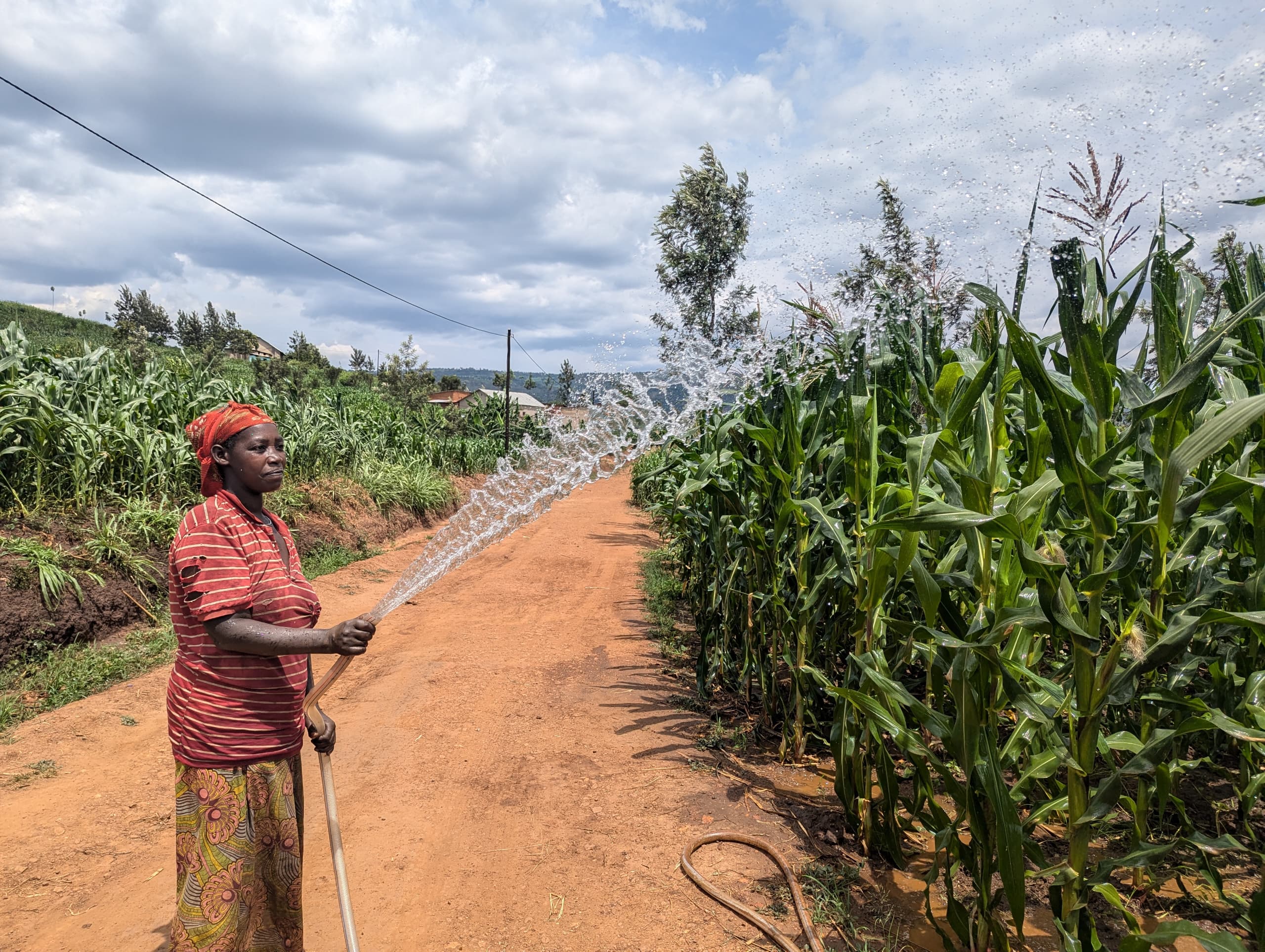
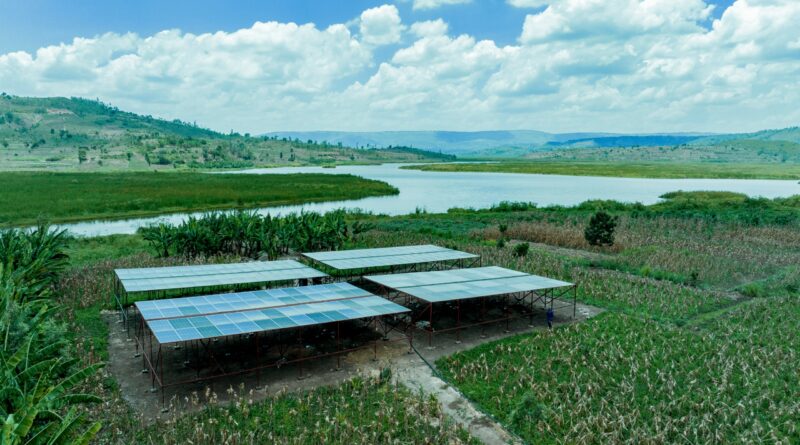
A total of 120 hectares of farmland in Musaza Sector, Kirehe District in Rwanda’s Eastern Province are now recording increased crop yields thanks to irrigation systems powered by solar energy.
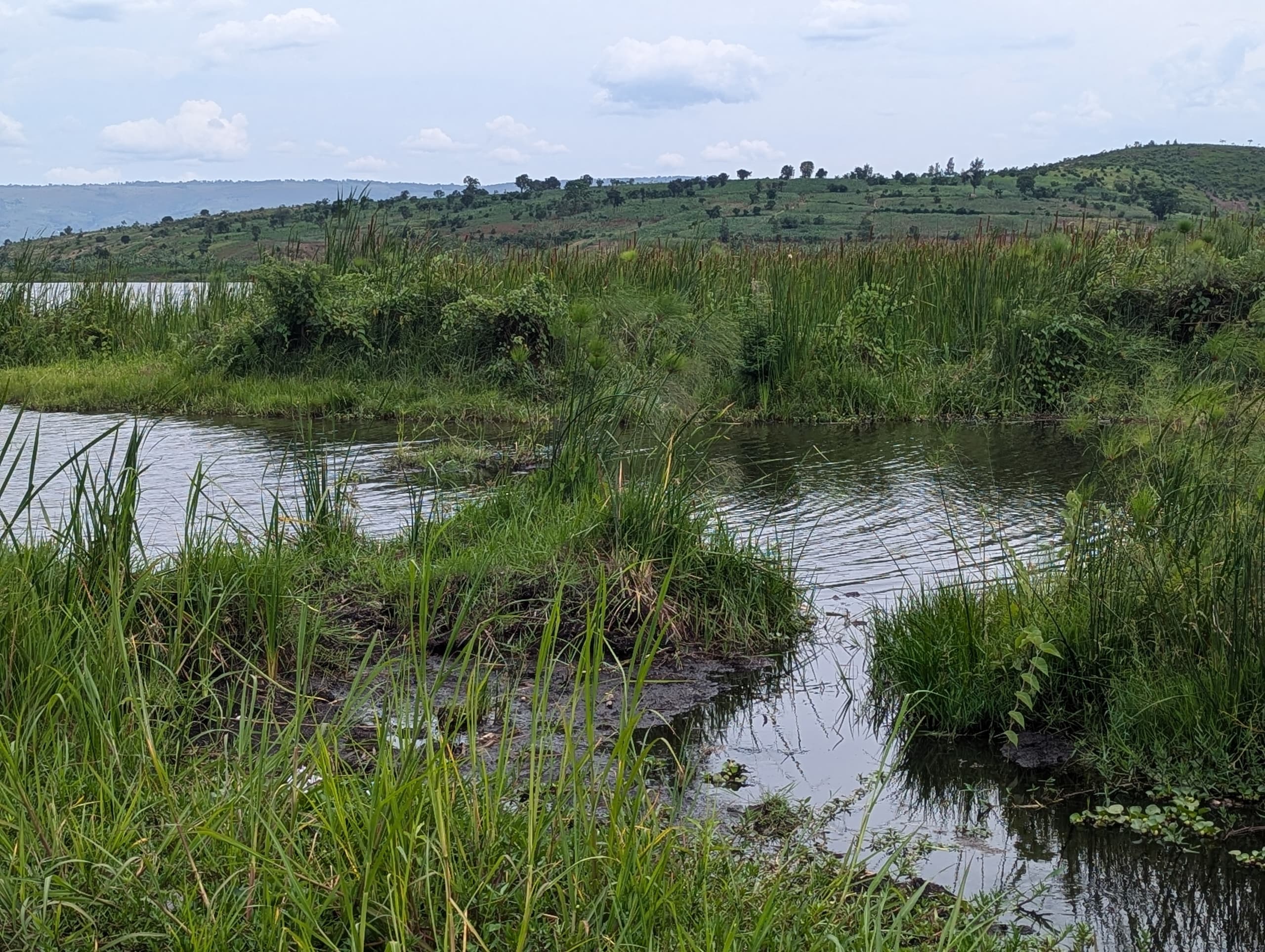
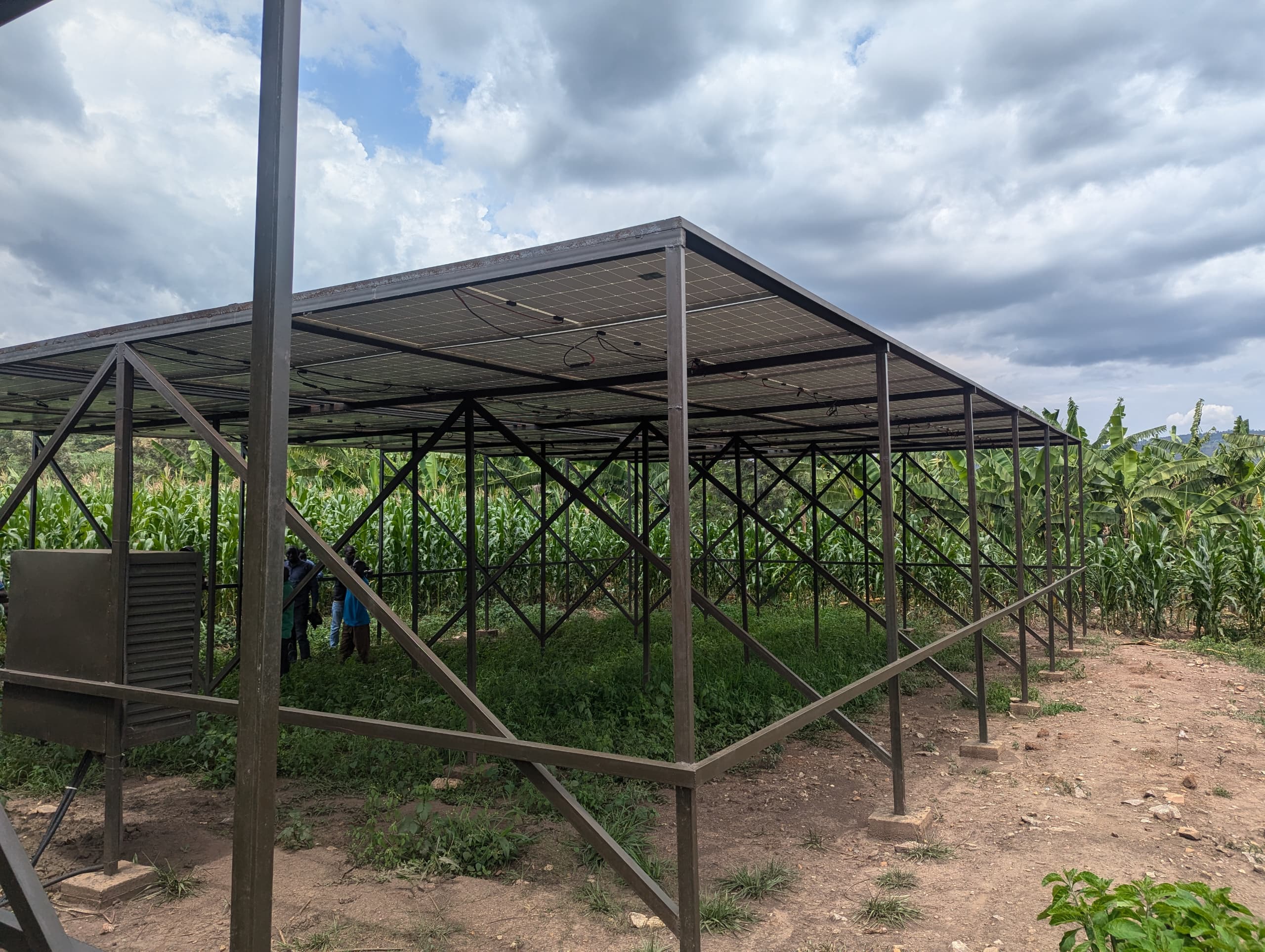
This progress comes after the area, long known for severe droughts caused by extreme heat, received a sustainable solution that uses sunlight to generate power needed to pump water from the Akagera swamp to farmers’ fields.
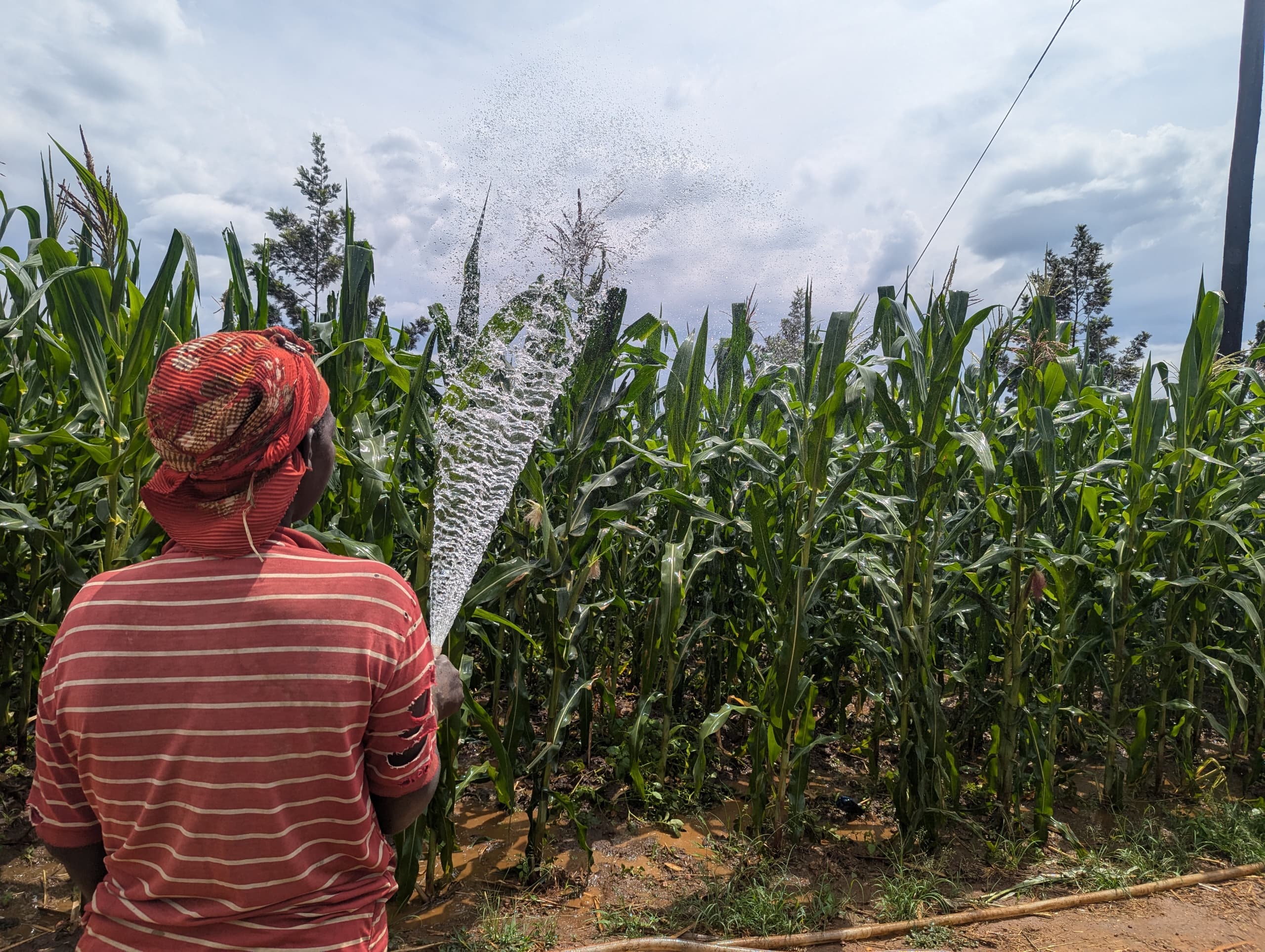
Members of local farming cooperatives say the irrigated plots have significantly improved food production and food security as they can now water their crops using solar-powered systems.
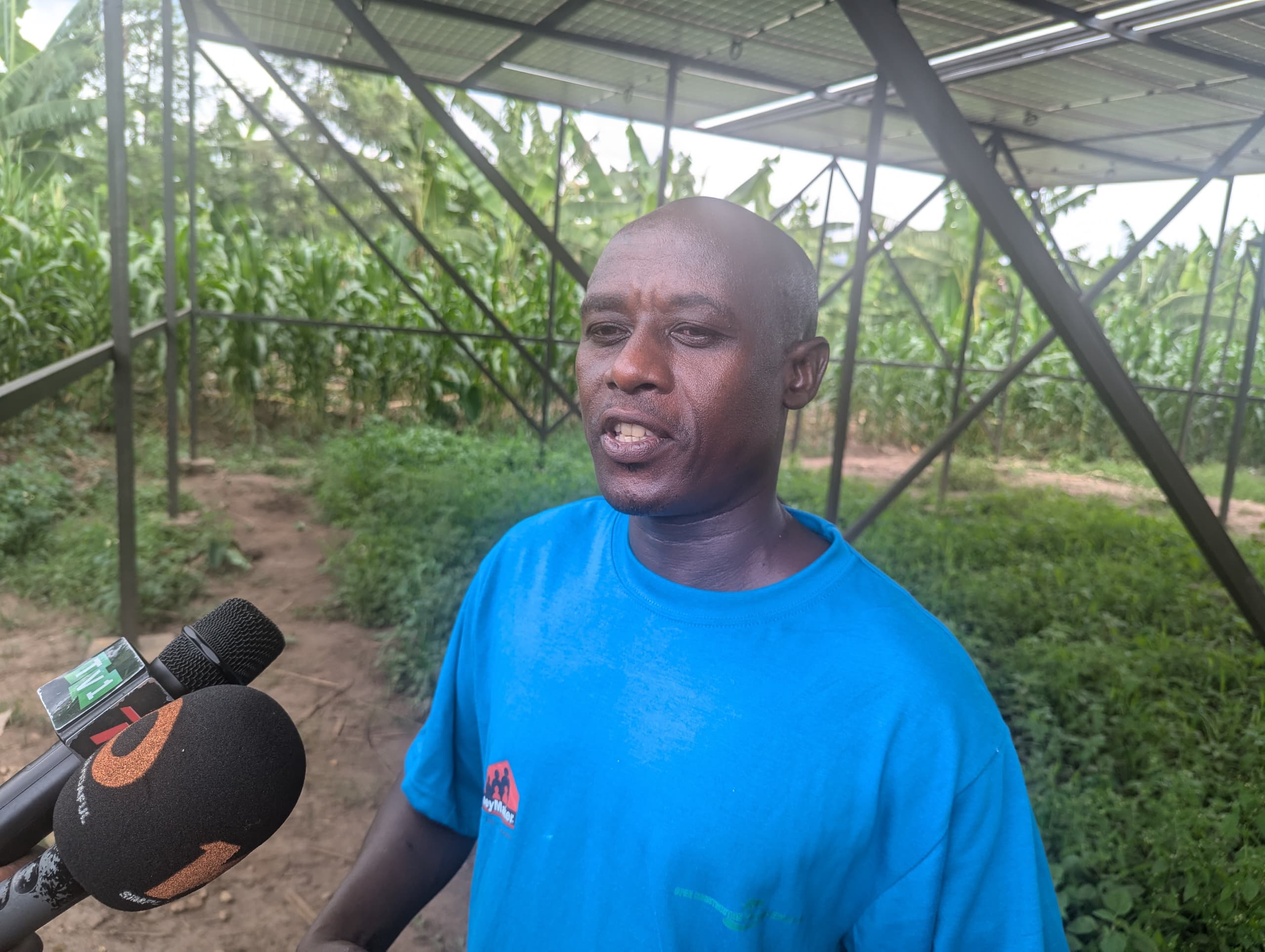
Valenci Ntaganda, a farmer from Gicuma Village in Gasarabwayi Cell, says irrigation has changed their farming practices and raised productivity, unlike before when they constantly struggled with harsh weather.
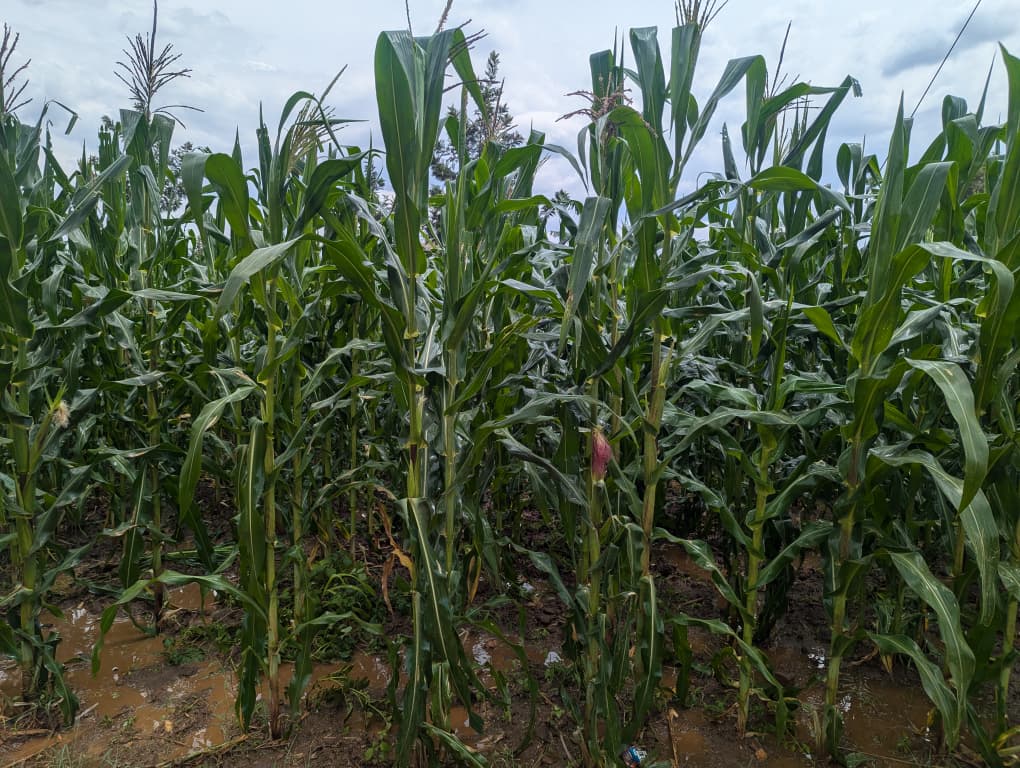
He says:“Before we started irrigating, the heat would destroy our crops, and maize would dry up. Even for those of us close to water sources, we relied on generators, which polluted the air and consumed a lot of fuel, causing losses. After we were given the solar-powered system, everything changed,it brought real, visible improvements in our harvests.”
Farmers attribute this progress to the Rwanda Environment Management Authority (REMA) and Kirehe District through the LCDF 3 project, funded by the Global Environment Facility (GEF), which aims to help communities adapt to climate change and improve food security.
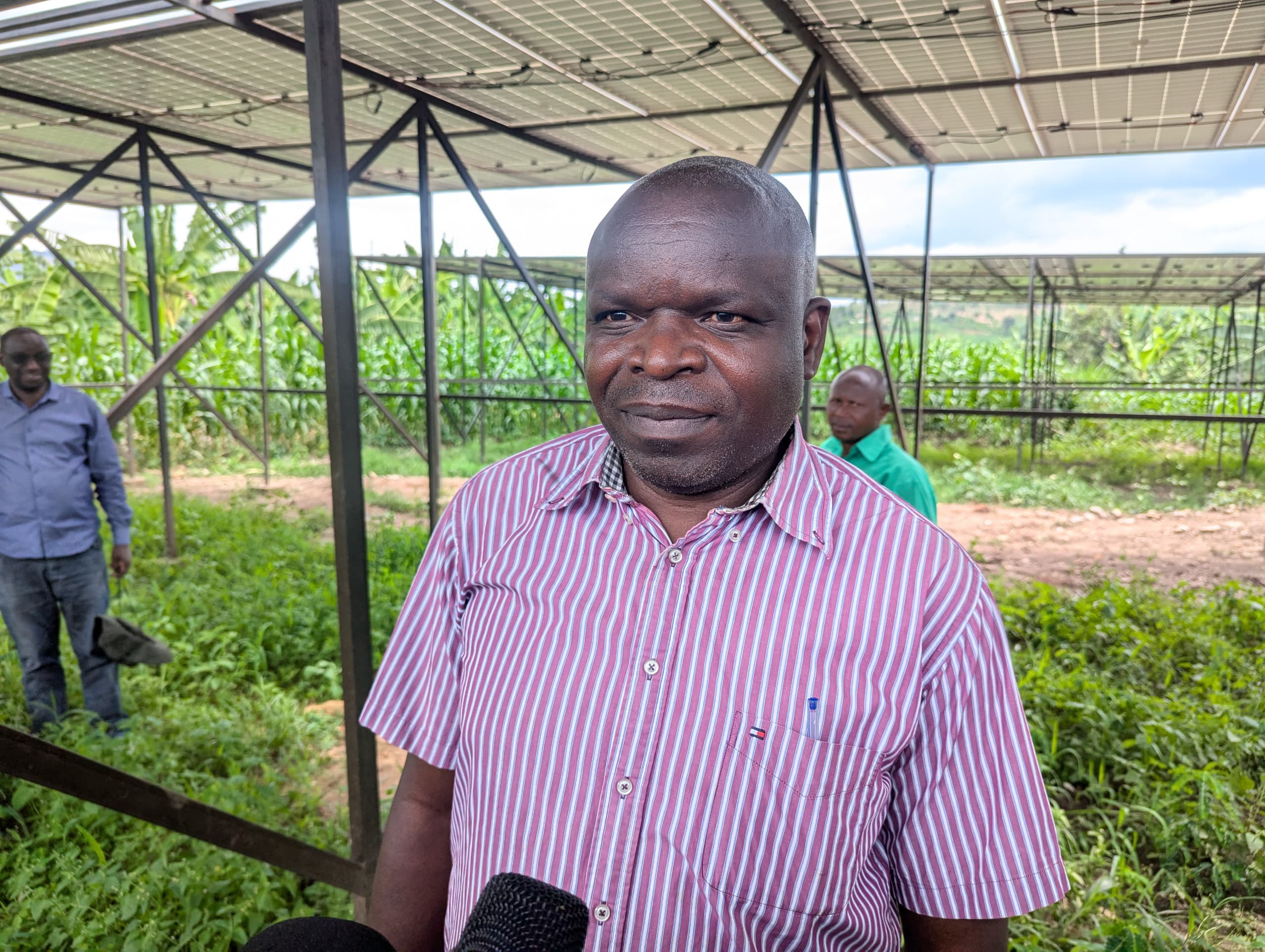
Musaza Sector agronomist Dieudonne Mudaharana says farming in the area had been extremely difficult, but solar-powered irrigation has enabled farmers to increase the number of growing seasons and diversify their crops to include vegetables and potatoes.
He explains: “This area used to suffer from intense heat and long dry spells, leading to poor harvests and tough living conditions. Since the project began in 2024 irrigating uses solar power, crops have revived and yields have improved.”
He adds: “Before irrigation, we had only two farming seasons,A and B. In season A we planted maize, and in B we grew beans. Now we also have season C, where farmers grow potatoes and vegetables, similar to what happens in the Northern Province. Farmers now see that they can plant in all seasons because irrigation has solved the problem of heat.”
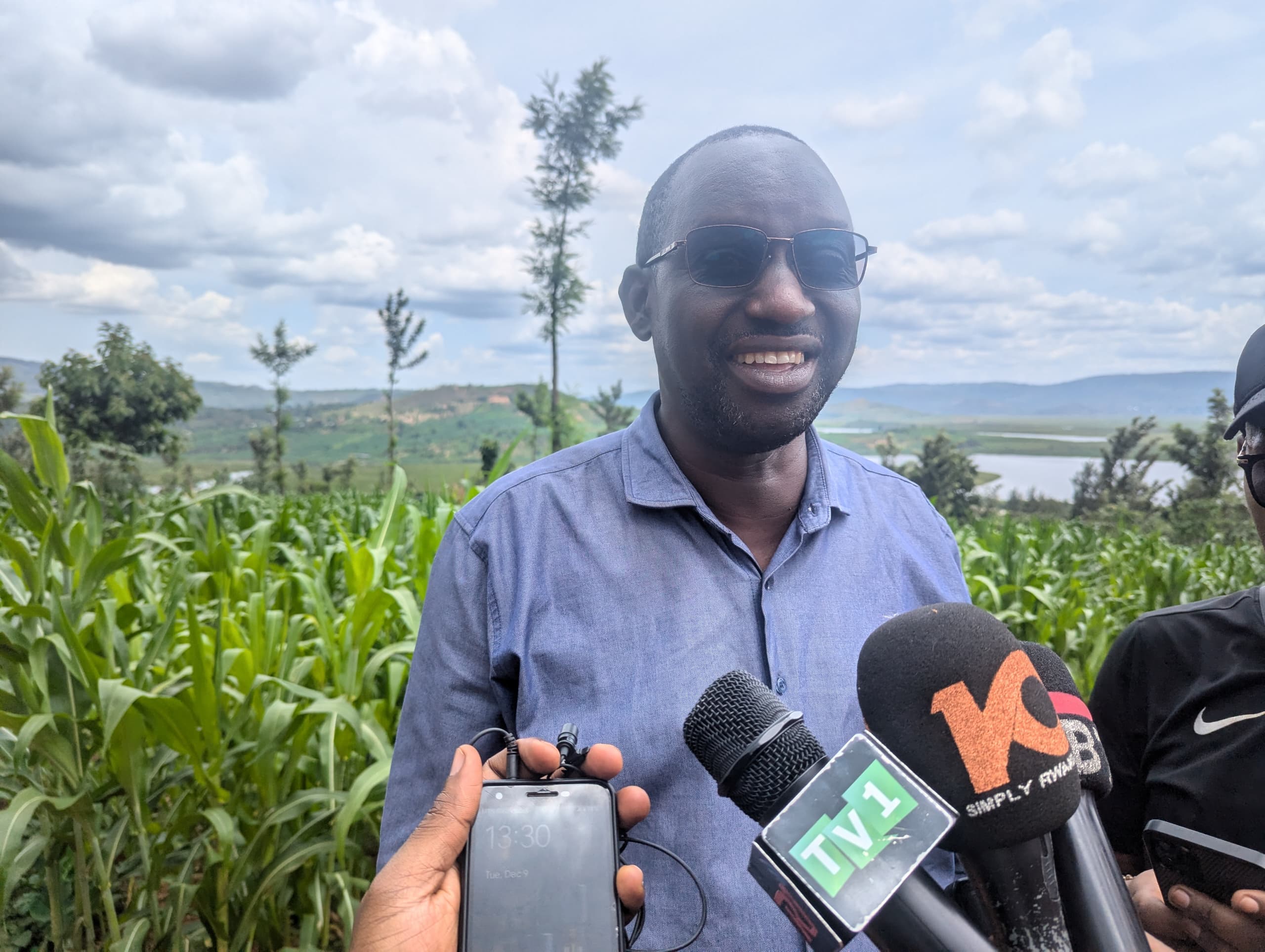
Charles Sindayigaya, the LCDF 3 project coordinator at REMA, says the project supports communities by providing solar-powered irrigation to increase crop production and reduce the impacts of drought, which previously forced some families to migrate in search of food.
He states: “This project helps people cope with climate change and supports vulnerable households. We currently irrigate 120 hectares and intend to expand as more resources become available. The impact on beans, vegetables, maize, and potatoes is significant, and improved harvests are already enhancing people’s livelihoods.”
He further notes that the project, which will run for six years, began with 20 hectares, expanded to 40, then 80, and now reaches 120 hectares.
“All these areas are currently irrigating maize, which was not possible before,” he says.
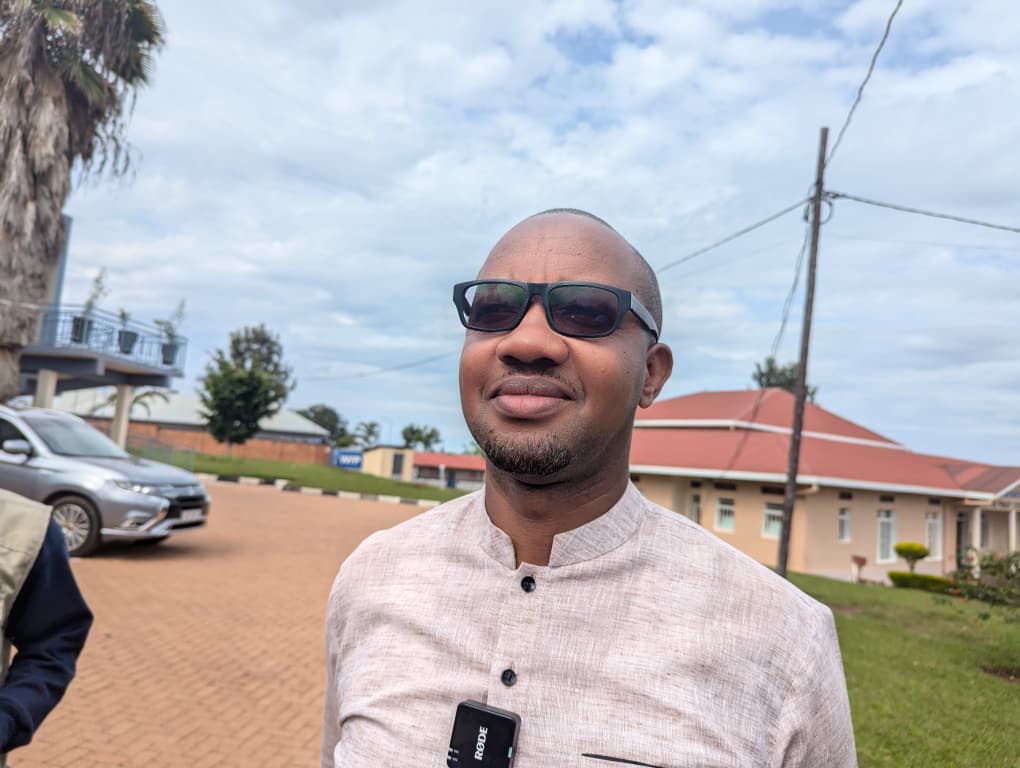
Kirehe District Mayor Bruno Rangira says the irrigated fields have boosted production and expanded cultivable land, helping the district move toward full food security.
He says: “This project has helped make the district productive. In the past, farmers could not grow anything without rain, but today they cultivate irrigated plots in all seasons, and yields have greatly increased.”
The LCDF 3 project, operating in Gakenke and Kirehe, has a budget of $8.5 million. Its activities include constructing radical and progressive terraces, restoring and planting forests, planting agroforestry trees, relocating residents from high-risk zones, and providing infrastructure such as electricity, water, and rainwater harvesting tanks to combat erosion and support sustainable development.
Despite the progress made, some sectors such as Nyarubuye, Mahama, and Mpanga(…) still face challenges from prolonged heat, and efforts are needed to extend irrigation systems to those areas.