Governor Mugabowagahunde Maurice promises change as questions rise over Musanze’s rapid urban upgrade lacking tall trees
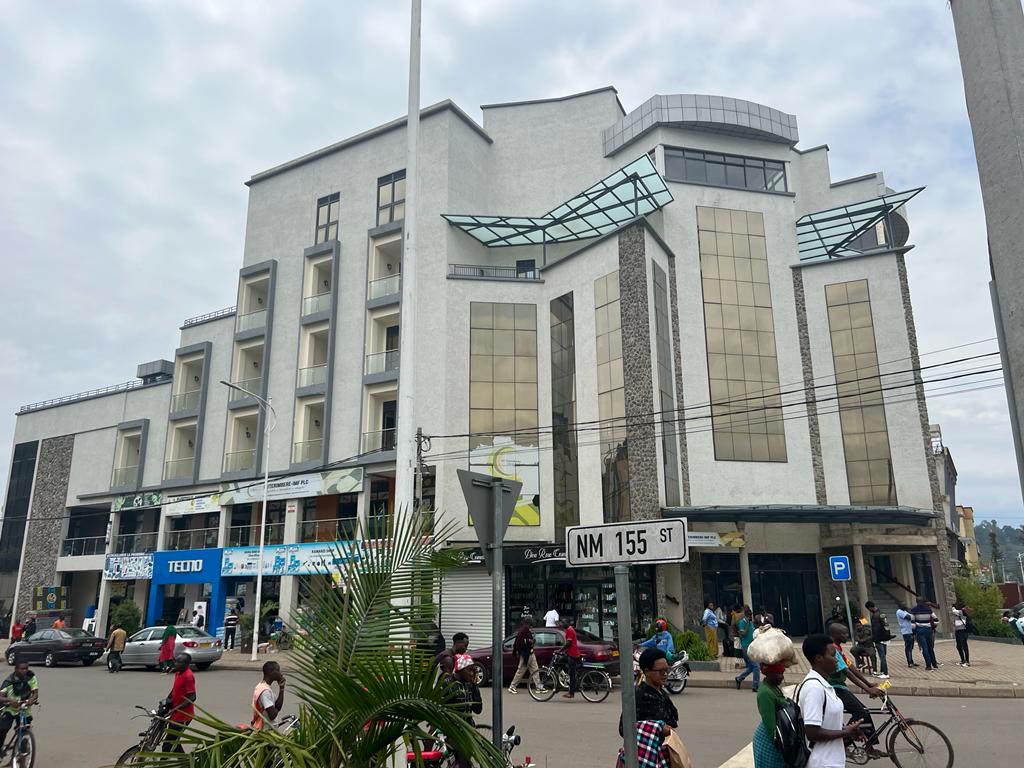
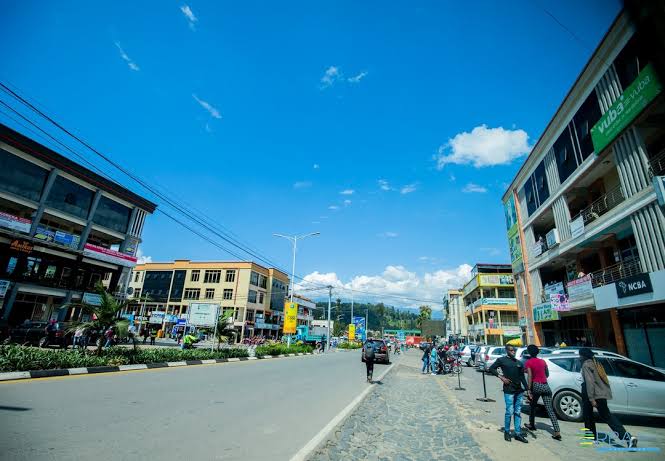
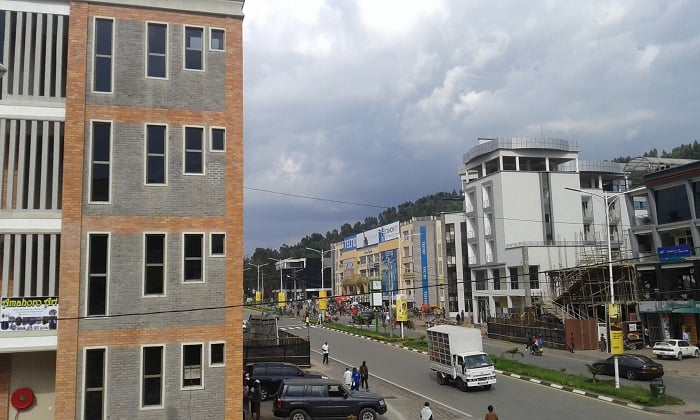
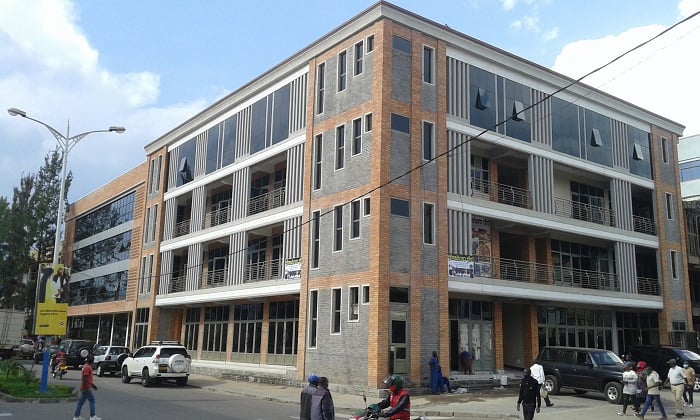
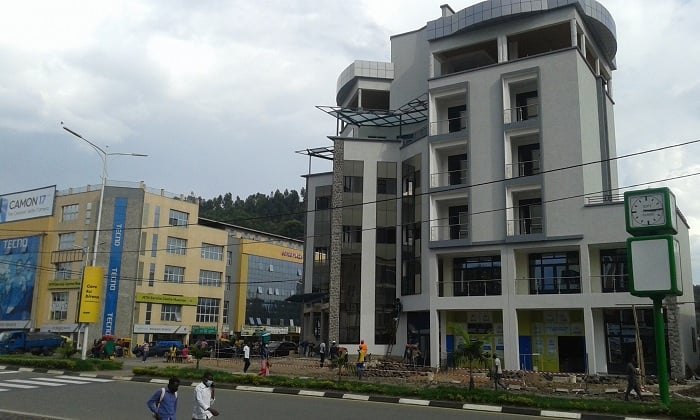
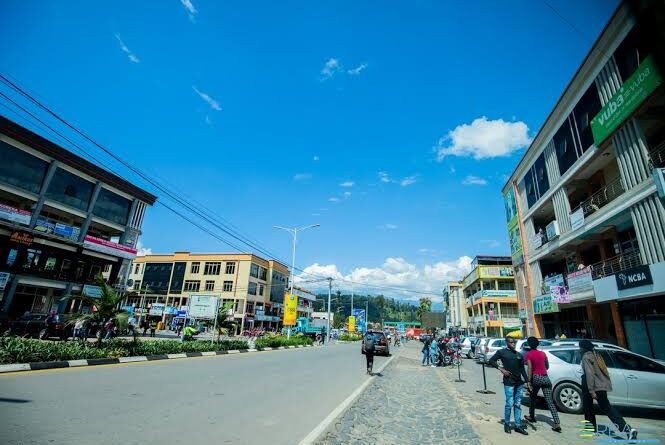
The City of Musanze continues to position itself as one of Rwanda’s fast-growing secondary cities supporting national development beyond Kigali. Modern infrastructure, including high-rise buildings, paved roads, and new markets such as Goico and Kariyeri, has significantly transformed the city’s image in recent years.
Despite these improvements, concerns remain that the city is expanding rapidly without integrating enough tall trees and substantial green spaces,key elements in mitigating climate change, reducing excessive heat, and improving air quality.
Musanze has made progress in planting flowers and palm trees, especially along major roads and surrounding areas, mainly to enhance the city’s beauty. However, environmental experts point out that this is far from sufficient in the absence of large canopy trees that can absorb air pollutants and provide strong natural cooling.
As the city grows, human and vehicle traffic has increased, alongside emissions from industries and small-scale workshops. This has raised pollution levels to the point where Musanze,known for its naturally cool climate,risks gradually turning into a heat-stressed urban area. Tall trees inside the city center continue to disappear, except for those in the outskirts and the volcanic landscapes that naturally supply cool, fresh air.
A study by the United States Environmental Protection Agency (EPA) shows that large trees can reduce city temperatures by 2°C to 4°C and cut air pollution by up to 20% in densely populated urban areas. In Musanze, where high-rise buildings and concrete surfaces are increasing, the impacts of climate change could intensify if tree coverage does not increase in tandem.
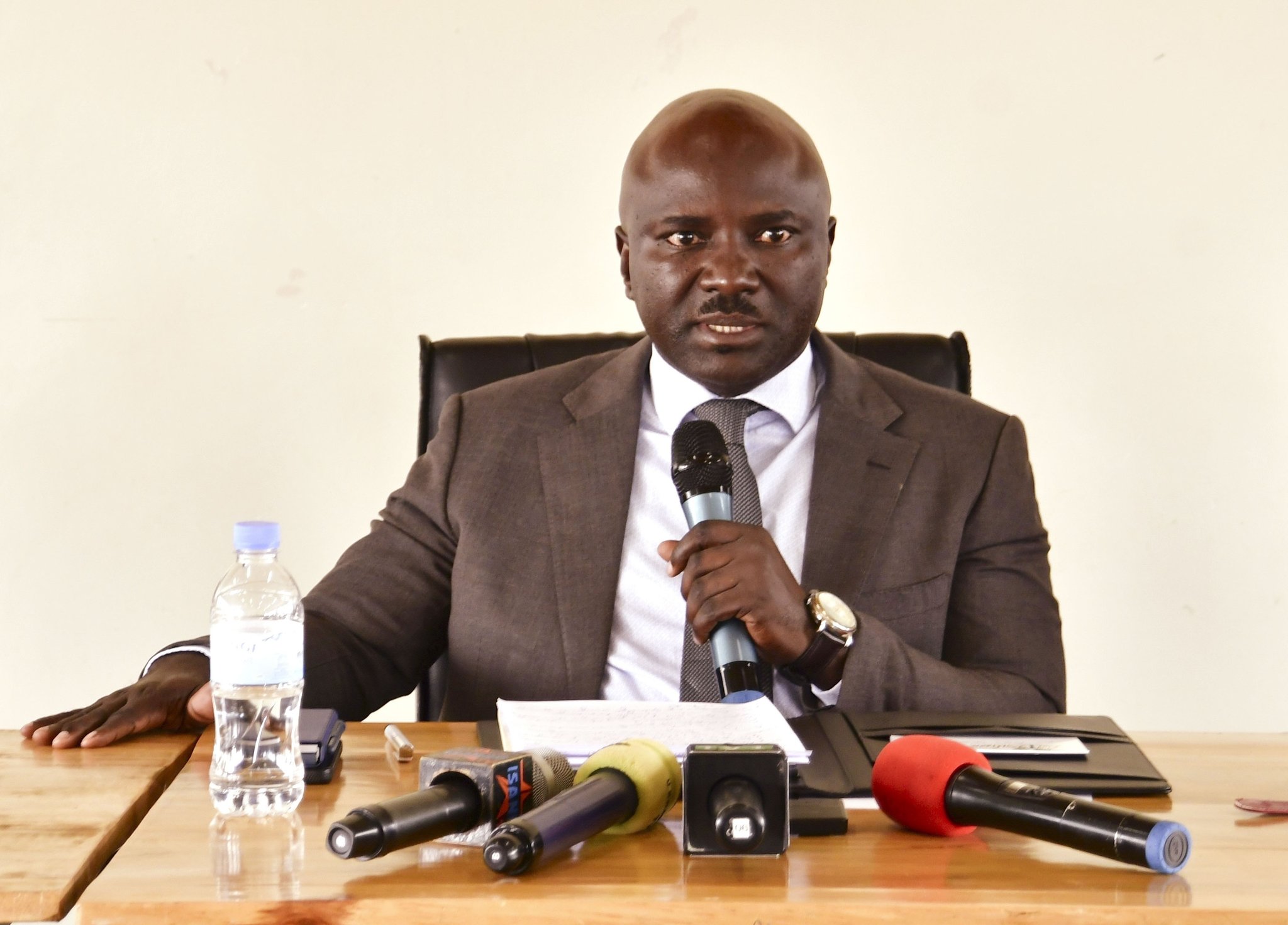
During a press briefing on November 28, 2025, Northern Province Governor Mugabowagahunde Maurice addressed these concerns, stating that Musanze’s development must be aligned with environmental protection.
He said:“As you can see, our city of Musanze is growing. Ongoing expansion works as Rwanda’s second city after Kigali are continuing steadily. This is why we must combine construction with strong environmental protection efforts. We must build while safeguarding natural ecosystems.”
The Governor announced that the province aims to plant five million trees in the near term, including air-purifying species, soil-stabilizing species, and rain-attracting species to protect the city and surrounding districts.
He added that this initiative will be implemented annually, meaning the number of trees planted could exceed five million as Musanze works to expand green spaces, conserve soil, and prevent erosion triggered by paved and rocky urban development.
He said:“This is not only for the city. We have a plan to plant more than five million trees to preserve our climate, our soil, and the air around Musanze. It is an annual commitment involving multiple environmental partners.”
Climate change and poorly planned urban expansion could negatively affect agriculture around Musanze and neighbouring districts,Burera, Gakenke, and Nyabihu,known for high productivity in potatoes, maize, and beans.
According to FAO research, rapidly growing urban areas tend to experience rising soil temperatures, which stresses crops, reduces moisture, and increases water demand.
Musanze is crossed by key rivers such as Mpenge, Mukungwa, and Kigombe, all vital for agriculture and local livelihoods. The Kigombe River,which passes through the city is at risk of flooding during heavy rains due to large paved areas that reduce water infiltration.
Research by Rwanda’s Water, Sanitation, and Hygiene (WASH) project shows that rainfall runoff increases by 40% in areas dominated by concrete compared to natural soil. Rivers could also carry more urban waste if tree-planting and urban drainage measures do not keep pace with the city’s construction boom,posing risks to irrigation-dependent agriculture.
The Rwanda Forestry Authority (RFA) is among the government institutions taking the lead in addressing these issues. Nationwide, Rwanda aims to increase national forest cover to 30% by 2026 under the NST2 development strategy.
Non-governmental organizations such as ARCOS Network, IUCN, and Karisimbi Eco-Alliance are also expected to intensify support for tree-planting, riverbank restoration, and community environmental awareness.
These interventions align with the NST2 vision of promoting sustainable and climate-resilient development to protect both human health and agriculture,especially in volcanic highlands like Musanze.
The Governor’s meeting with journalists brought together Northern Province authorities, district mayors, security agencies such as Police and RIB, and various partners to assess progress in strengthening sustainable governance. They also reviewed existing challenges and discussed ways to improve citizen welfare in the province.
While Musanze has made great strides in development, the gap in planting tall trees and restoring strong green spaces remains a significant concern for safeguarding both public health and the environment.