Child malnutrition highlighted as a threat to growth and brain development
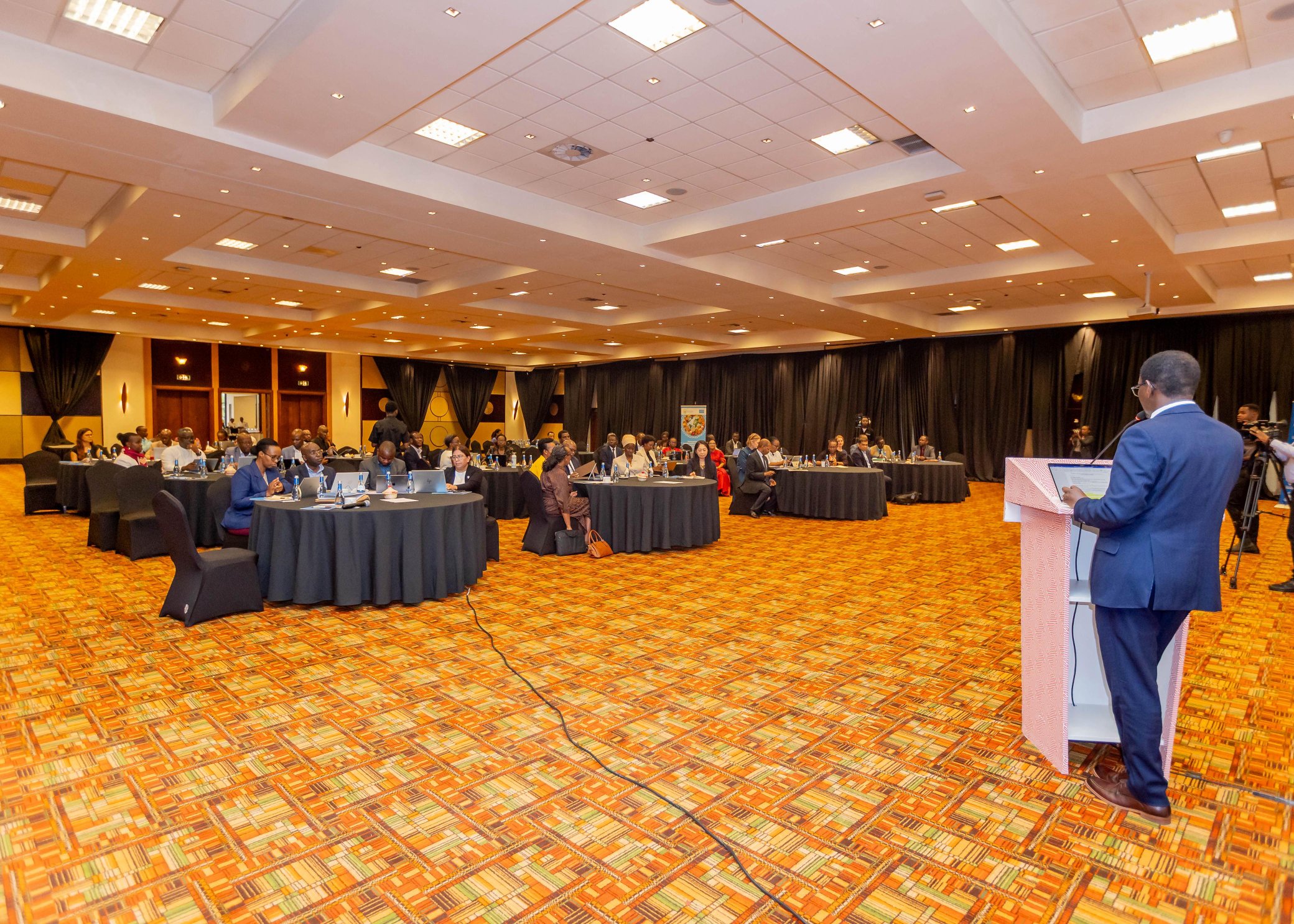
During a discussion held on Tuesday, December 2, 2025, bringing together various institutions involved in combating stunting and child malnutrition, several persistent challenges contributing to these issues in Rwanda were highlighted.
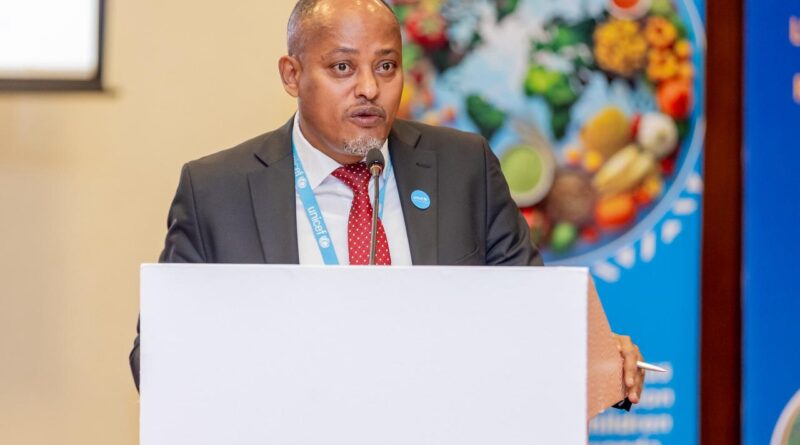
Assumpta Ingabire, Director General of the National Child Development Agency (NCDA), stated that several factors continue to fuel child malnutrition.
She said: “The biggest issue we observe is the limited knowledge among parents. Starting with pregnant women who are supposed to attend at least eight antenatal check-ups, we have not even reached 55% attendance. When a mother goes to a health center, she is checked, advised on her condition, and given supplements and vitamins. If she does not go, she cannot receive them.”
She added: “Secondly, we still lack sufficient food. A child must eat a variety of meals; they cannot eat the same type of food for an entire week. Their diet must be changed frequently and include different nutrients.”
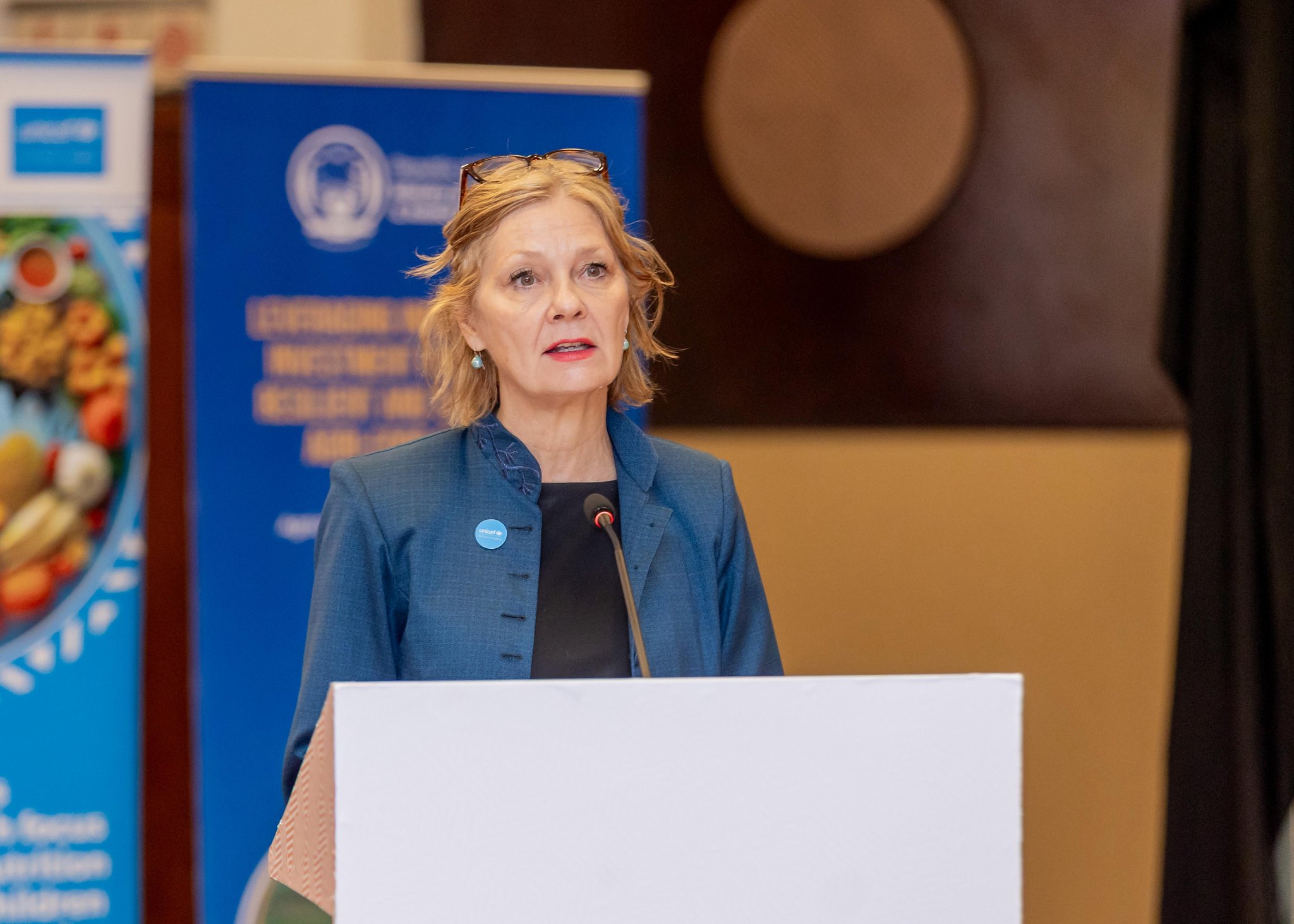
Lieke van de Wiel, UNICEF Rwanda Representative, emphasized that when children do not eat foods rich in essential nutrients, they fail to grow properly,both physically and mentally. She stressed that everyone must ensure children access nutritious foods.
She said: “It is extremely important that children are fed nutrient-rich foods so they can grow properly. When we neglect children and fail to feed them well, they become vulnerable to diseases caused by malnutrition.”
“We pay particular attention to children aged 2 to 5 because they have specific nutritional needs. If they do not receive the right foods and instead are given meals lacking nutrients, they will not grow as they should, and their brains will not develop properly. They will struggle academically. It is important to support them early, which is why we are here to identify accessible nutritious foods for families and ensure parents know how to prepare them affordably.”
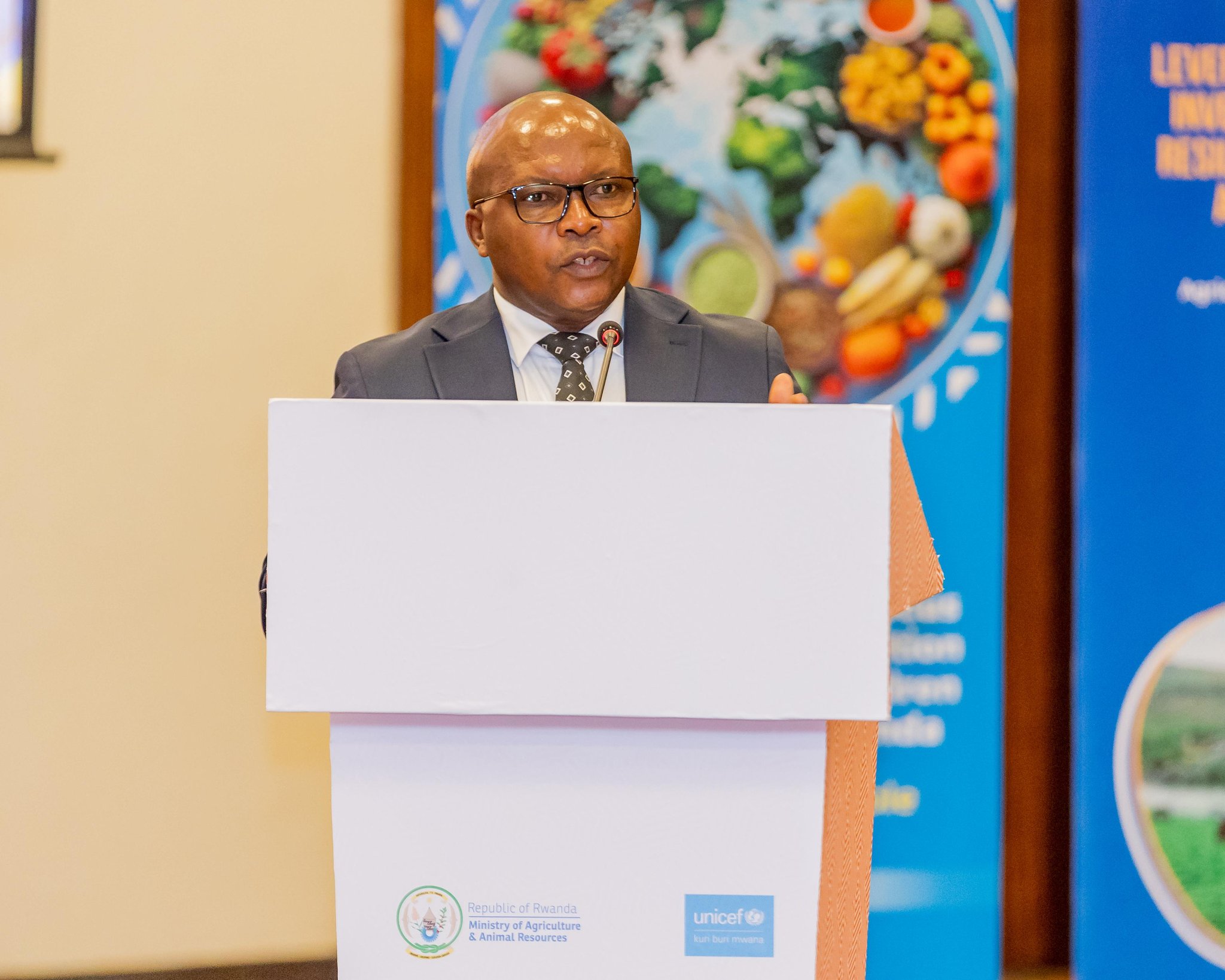
Minister of Agriculture and Animal Resources, Dr. Telesphore Ndabamenye, noted that stronger collaboration, awareness campaigns, and increased agricultural and livestock productivity are essential to address malnutrition.
He said: “When it comes to meals, you cannot eat what you have not harvested. Food must be available for people to eat. Many programs are in place to improve agricultural production. We have introduced a grain reserve initiative to help collect various foods to ensure enough supply. We are also strengthening livestock programs—both small and large animals—to increase the supply of meat, eggs, and milk.”
Minister Ndabamenye indicated that although Rwanda has made progress in reducing poverty and improving the health sector, malnutrition remains a problem among children under five, pregnant women, and breastfeeding mothers.
This is attributed to challenges within the food system, where nutritious foods are not sufficiently available, are costly, or remain inaccessible to many families.