Balancing economic growth and public health: President Trump’s rollback of the 2009 endangerment finding
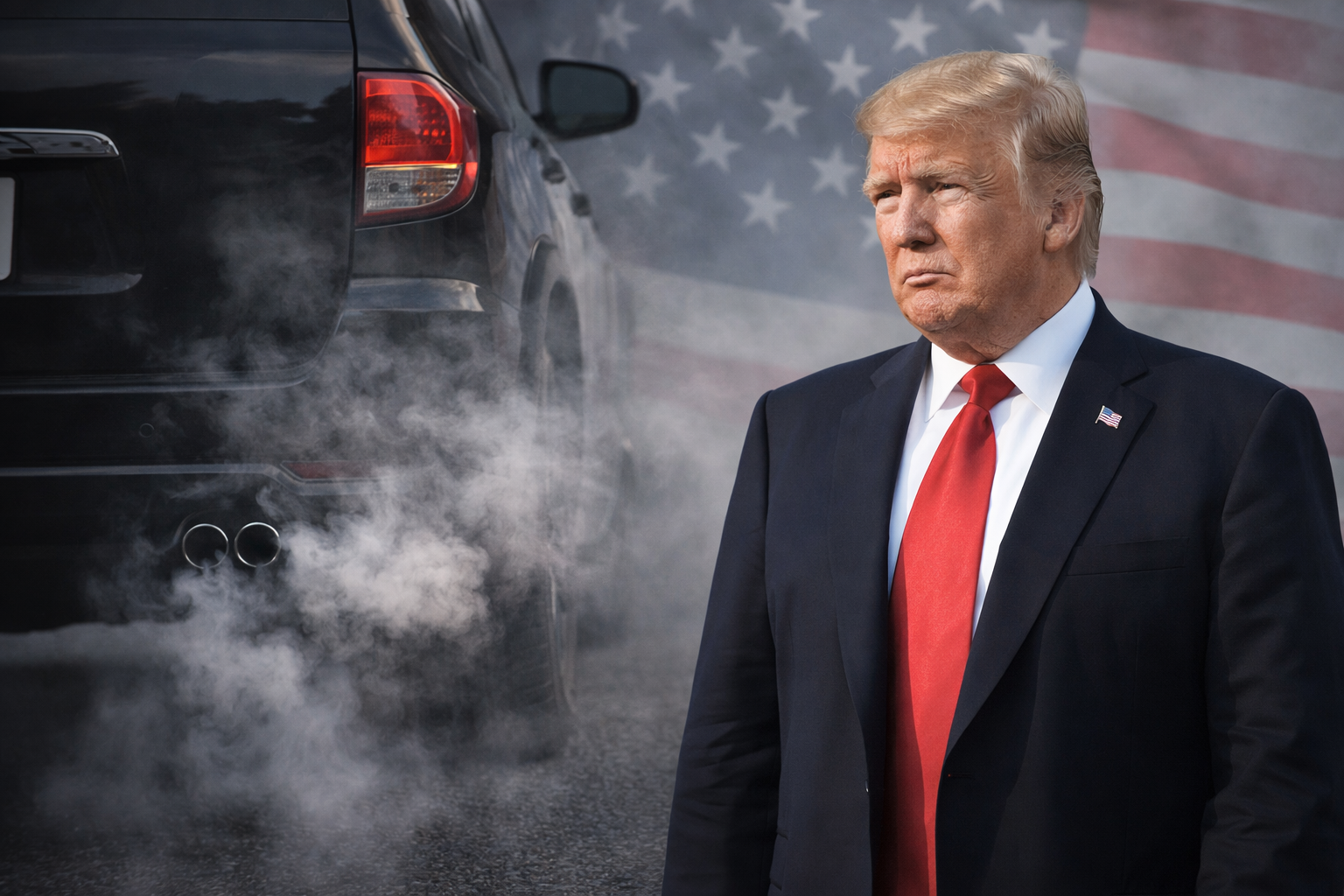
President of the United States Donald Trump has decided to roll back a regulation that was introduced in 2009 under President Barack Obama, which determined that greenhouse gas emissions endanger public health.
The decision, known as the “Endangerment Finding,” was established by the Environmental Protection Agency (EPA). It concluded that gases such as carbon dioxide, methane, and nitrous oxide significantly contribute to climate change and pose serious risks to human health, including respiratory diseases, heart conditions, and deaths linked to extreme heat.
For more than 15 years, this determination served as the legal foundation for regulations limiting emissions from vehicles and industrial sources. The Trump administration argues that the rule imposed a heavy burden on the U.S. economy.
According to the White House, repealing the measure will allow automakers to avoid costly emissions-control technologies, potentially reducing the price of new vehicles by approximately $2,400 per car.
President Trump maintains that prioritizing economic growth and easing financial pressure on consumers is more important than maintaining strict environmental regulations that, in his view, could weaken industries and lead to job losses.
However, environmental organizations and climate scientists view the move as a major setback in the fight against climate change. They argue that the Endangerment Finding was grounded in strong scientific evidence demonstrating that greenhouse gas emissions harm both human health and the environment.
Critics warn that loosening emissions standards could increase air pollution, worsen respiratory illnesses,particularly in large urban areas and undermine global efforts to limit rising temperatures, as outlined in the Paris Climate Agreement, which aims to keep global warming within internationally agreed thresholds.
Since returning to office, Donald Trump has implemented additional policy changes reflecting his emphasis on economic expansion and traditional energy sources.
He has announced plans to expand domestic oil and gas drilling, including in areas that previously had stricter environmental protections. He has also scaled back certain programs promoting renewable energy, such as solar and wind power, arguing that these industries should compete in the market without substantial government subsidies.
Furthermore, his administration has reintroduced tariffs on imported goods as part of an effort to protect American industries and advance the “America First” agenda, a policy framework focused on prioritizing domestic interests.
Taken together, these actions signal a broader approach aimed at reducing regulatory constraints on industry, limiting federal oversight in environmental matters, and promoting short-term economic growth.
The decision to reverse the 2009 regulation continues to spark intense debate between those who believe economic priorities should come first and those who argue that public health and the planet’s future deserve greater protection.
Opponents of the administration have indicated that they may challenge the decision in court, insisting that safeguarding public health is a fundamental responsibility that should not be weighed against the market price of a car.