AI technology set to transform meat inspection and animal disease detection in Rwanda
Rwanda continues to take significant steps toward adopting modern technology in the agriculture and livestock sector, particularly in safeguarding public health and improving the quality of animal products.
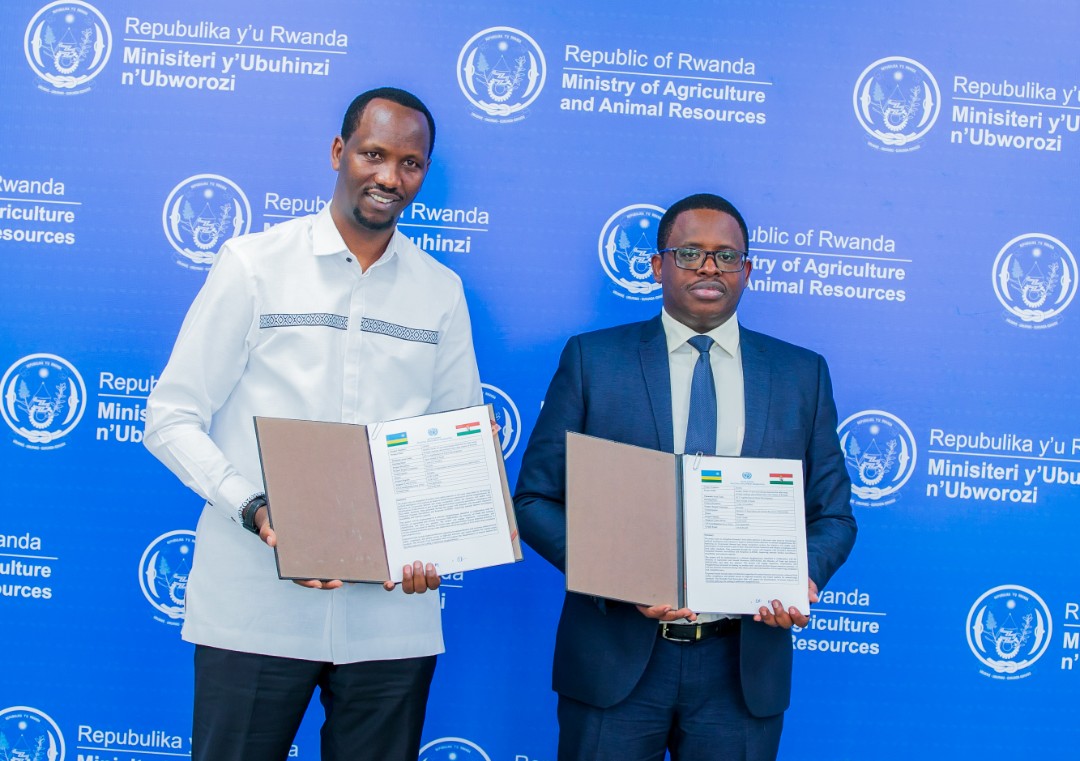
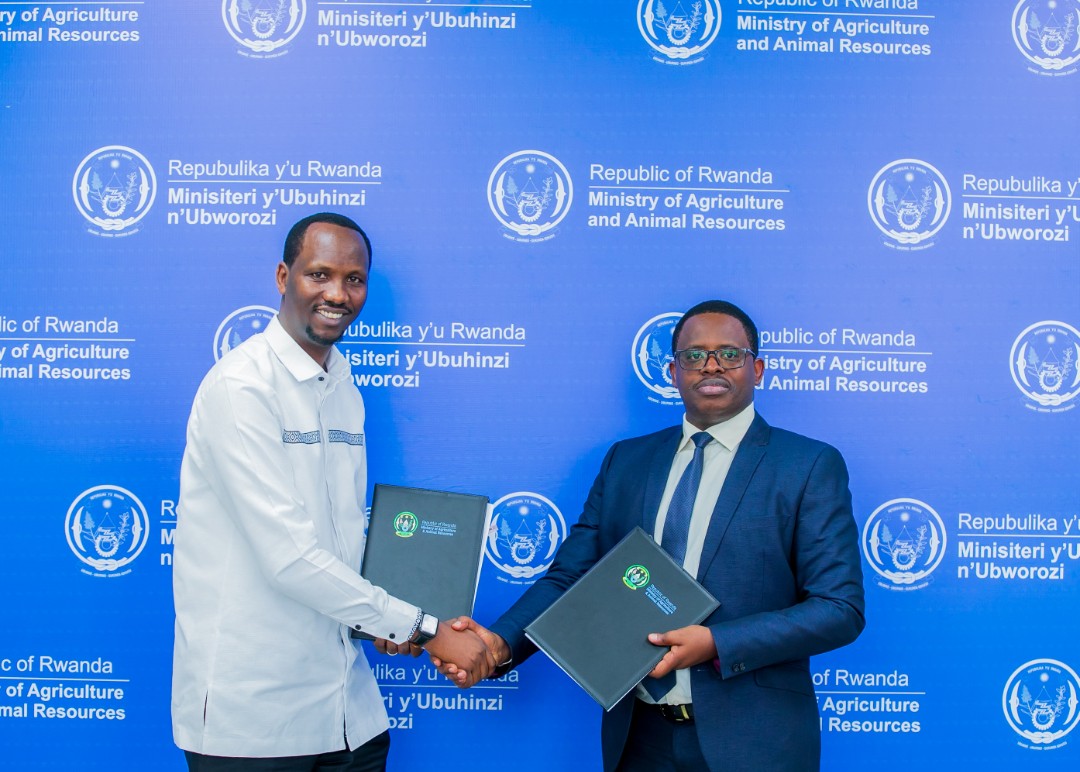
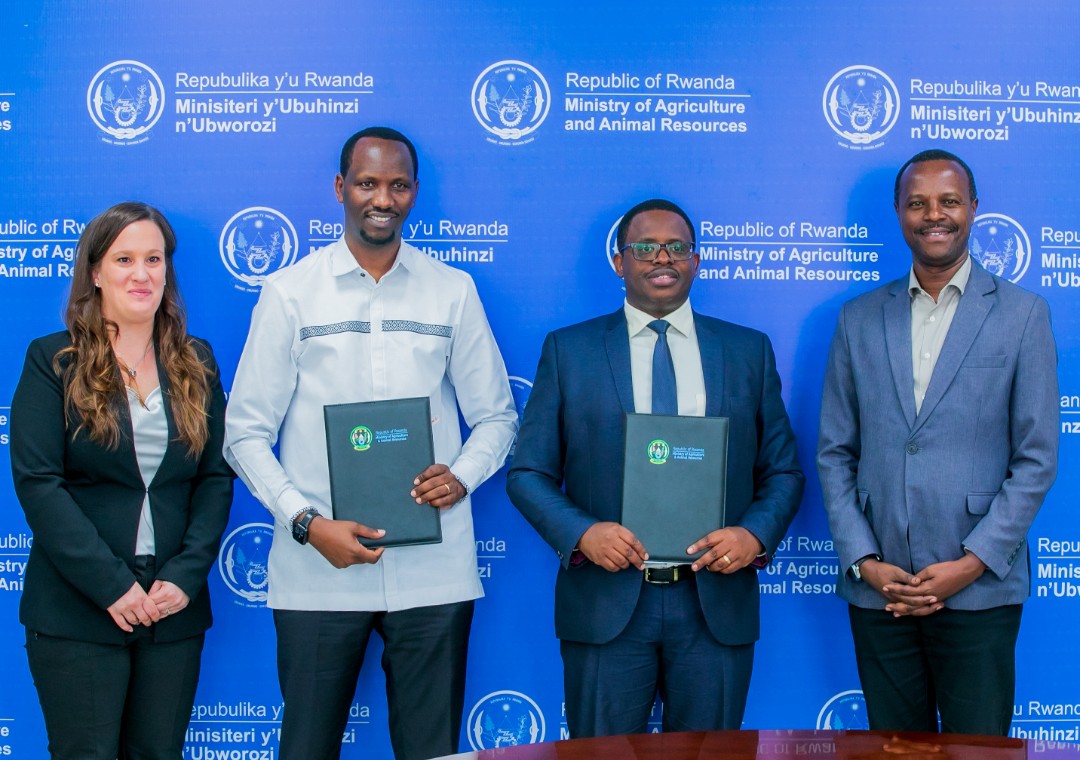
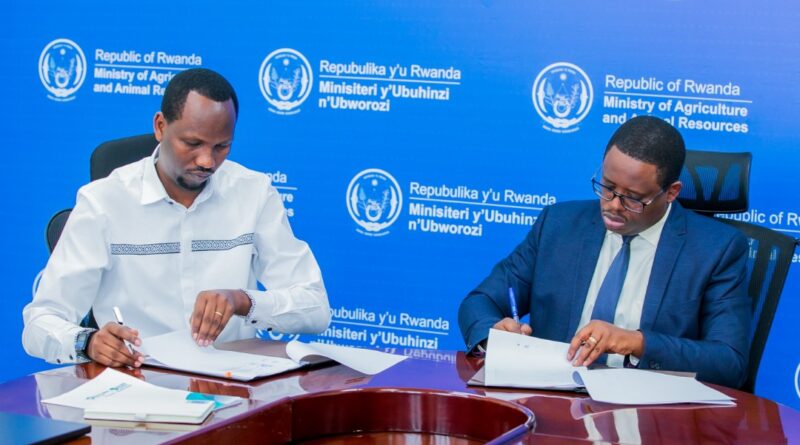
On Saturday, April 11, 2026, at the Ministry of Agriculture and Animal Resources (MINAGRI), the Permanent Secretary, Olivier Kamana, signed a one-year project agreement in partnership with United Nations Industrial Development Organization. The project aims to strengthen the use of Artificial Intelligence (AI) in detecting animal diseases in slaughterhouses.
The initiative is funded by the Embassy of Hungary in Rwanda, reflecting strong international cooperation in advancing technology-driven agriculture and enhancing food safety in Rwanda.
This development comes at a time when efforts are intensifying to find sustainable solutions to reduce the risks posed by animal diseases, particularly zoonotic diseases that can be transmitted from animals to humans.
Traditionally, meat inspection in slaughterhouses relies on the expertise and judgment of veterinary inspectors. However, some disease indicators are not easily visible to the human eye, which can allow unsafe meat to enter the market, posing risks to consumers and economic losses to farmers and traders. This is where the new AI-powered system comes in not to replace inspectors, but to support and enhance their work.
The technology will utilize computer vision, where advanced cameras analyze meat and animal carcasses in real time. These systems will detect abnormalities such as unusual coloration, lesions, swelling, or other irregularities. The data collected will then be processed by AI models trained on large datasets of both healthy and diseased meat, enabling accurate differentiation between safe and unsafe products.
In addition, the system will rely on machine learning, allowing it to continuously improve its accuracy over time as it processes more data. This will enable faster and more reliable decision-making, helping inspectors quickly determine whether meat is fit for consumption or should be rejected.
Another key component of the project is the creation of a national database on animal diseases detected in slaughterhouses across the country. This data will help authorities monitor disease trends, respond quickly to potential outbreaks, and strengthen long-term planning for both animal and public health.
Experts in agriculture and livestock development note that integrating AI into this sector will significantly boost consumer confidence in meat products, reduce losses for farmers, and enhance trade in livestock products both locally and internationally. It also highlights Rwanda’s commitment to leveraging innovation to accelerate sustainable development.
The project aligns with Rwanda’s broader vision of building a modern, knowledge-based agricultural sector. In the future, AI could also be applied in other areas such as on-farm animal health monitoring, early disease detection, and predictive outbreak management.
Over the course of the one-year implementation period, the project will serve as a critical pilot to assess the scalability of this technology. If successful, it could revolutionize meat inspection systems not only in Rwanda but across the region, serving as a model for how technology can protect public health and drive agricultural growth.