Musanze: 28 Personnel from different sectors trained in international human rights law
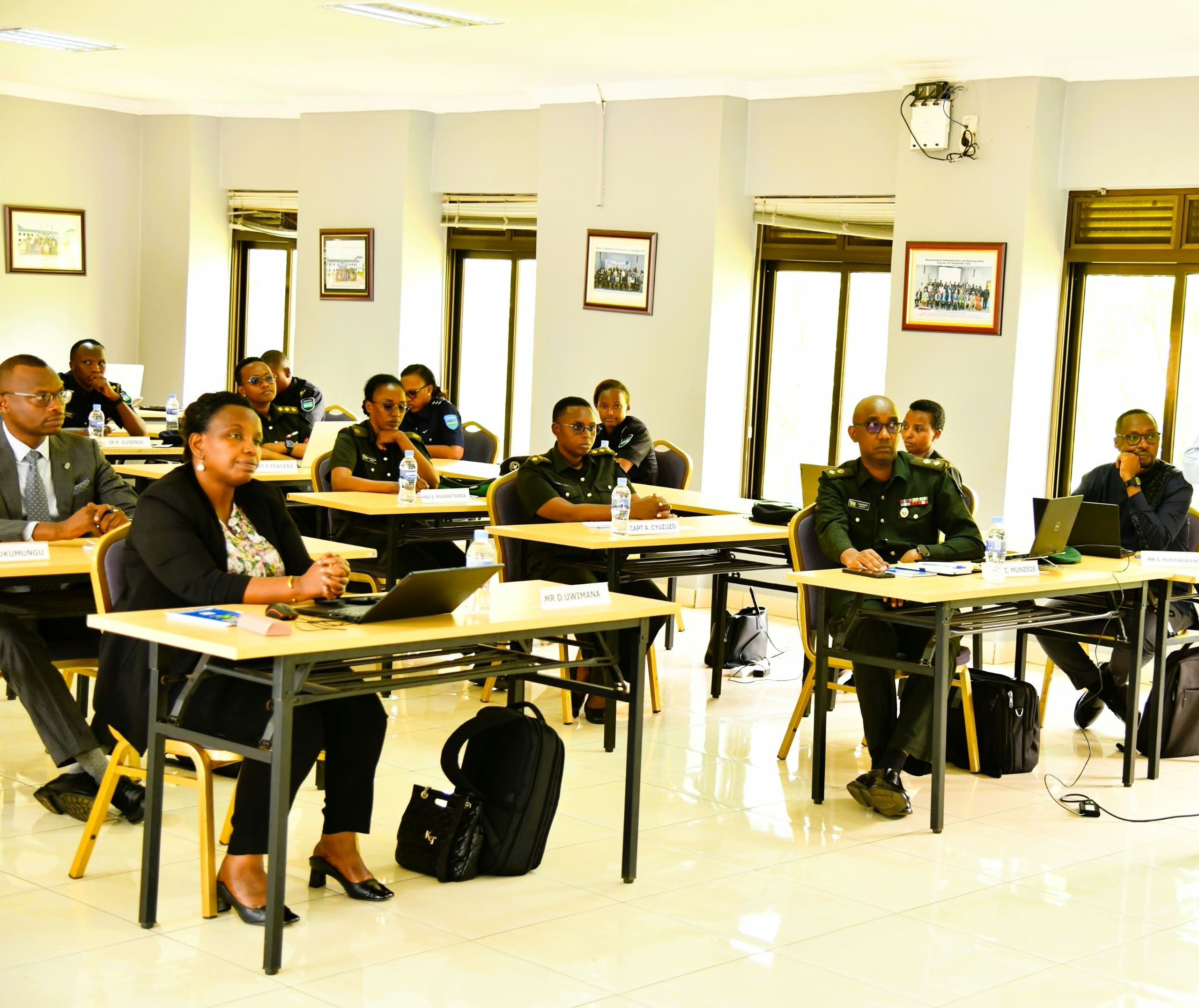
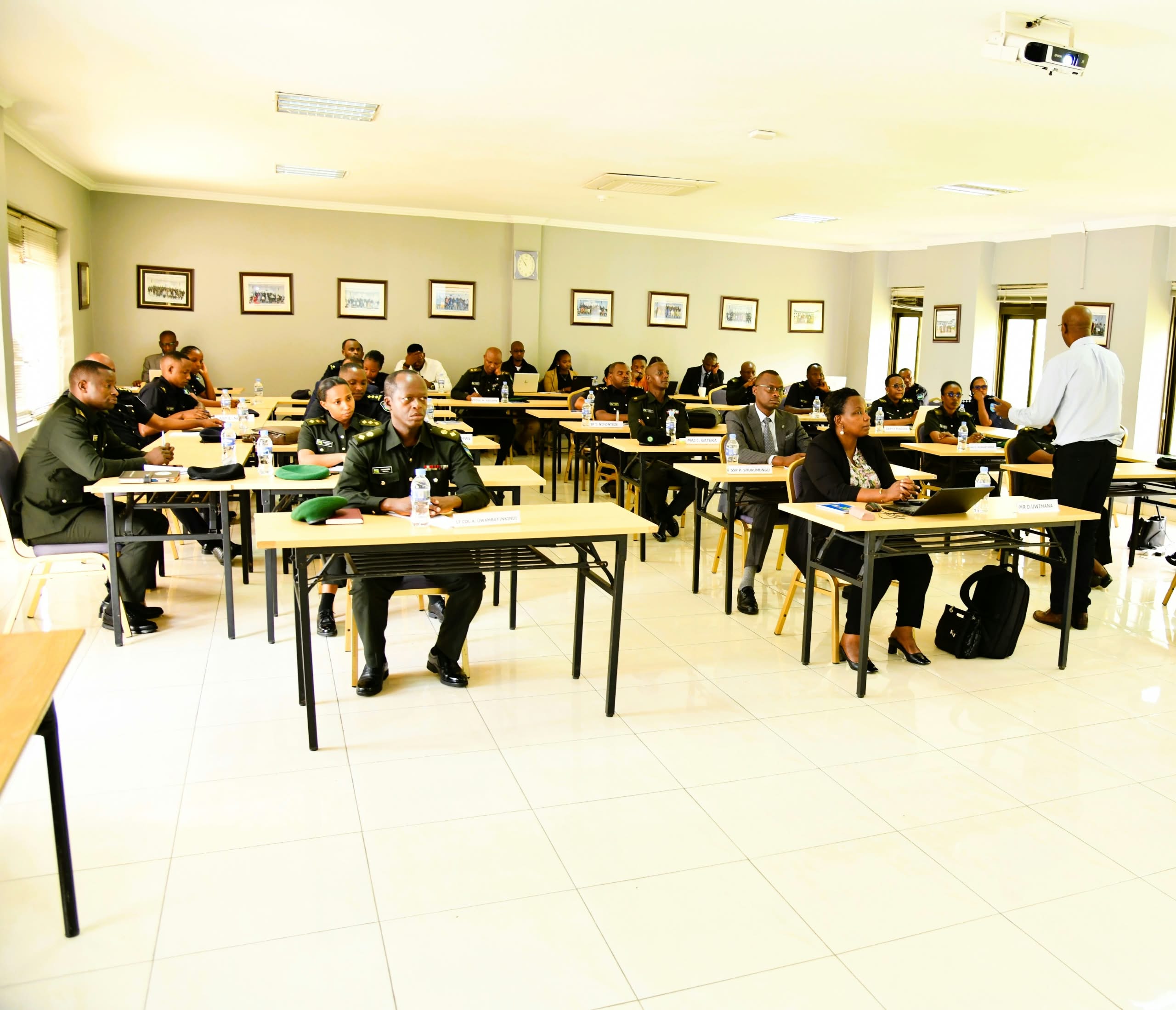
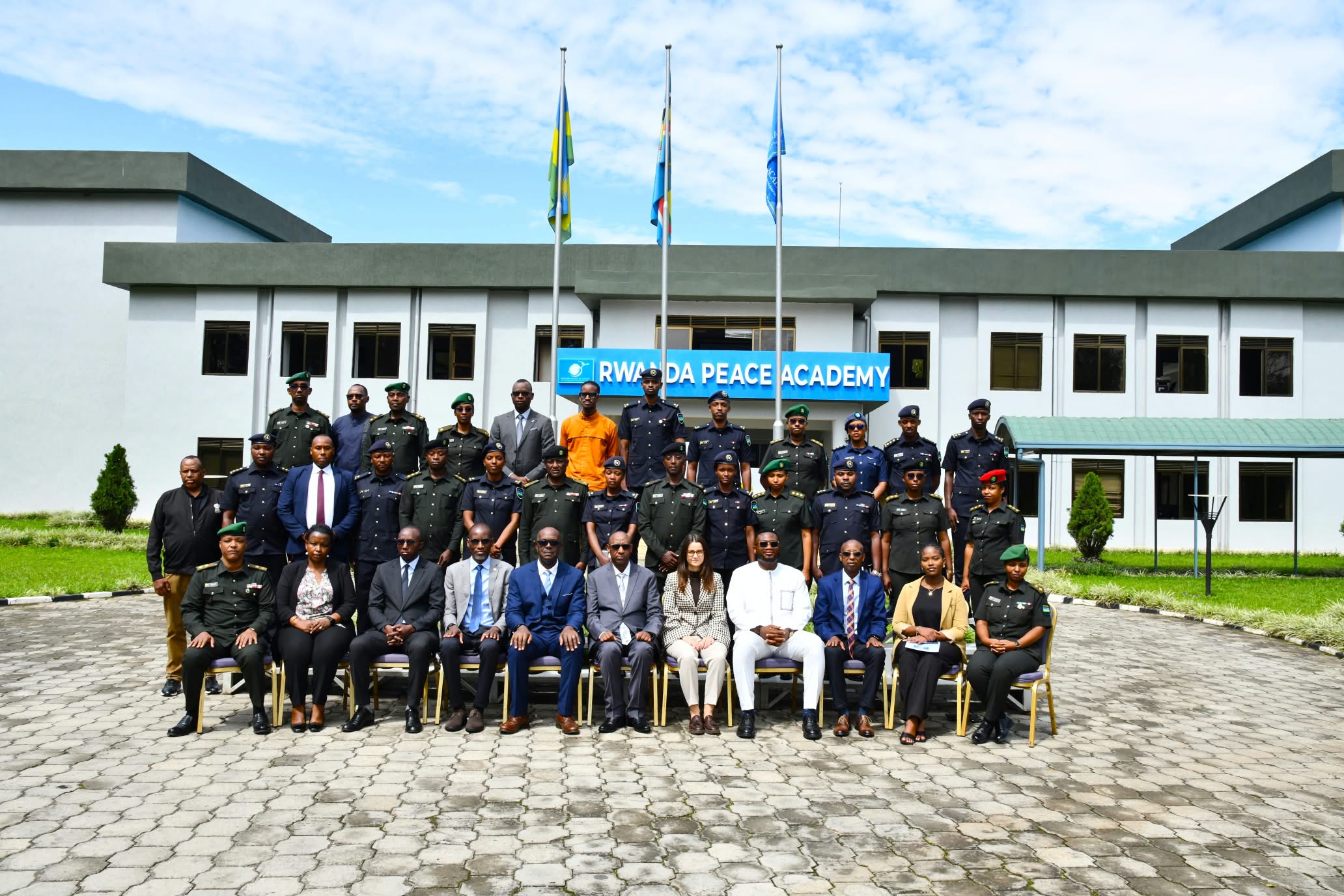
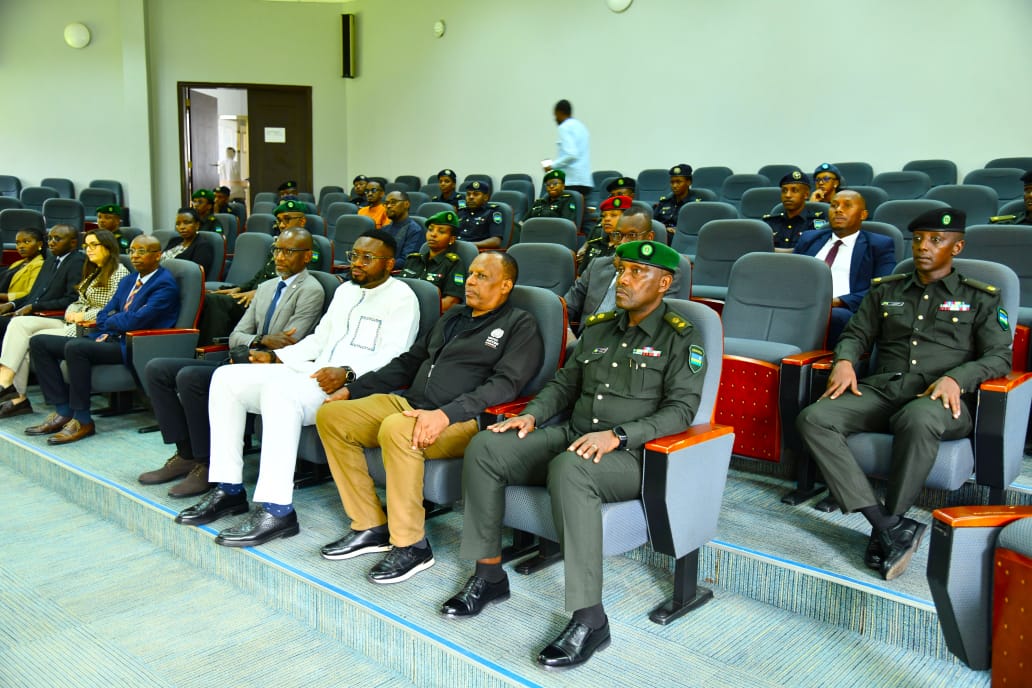
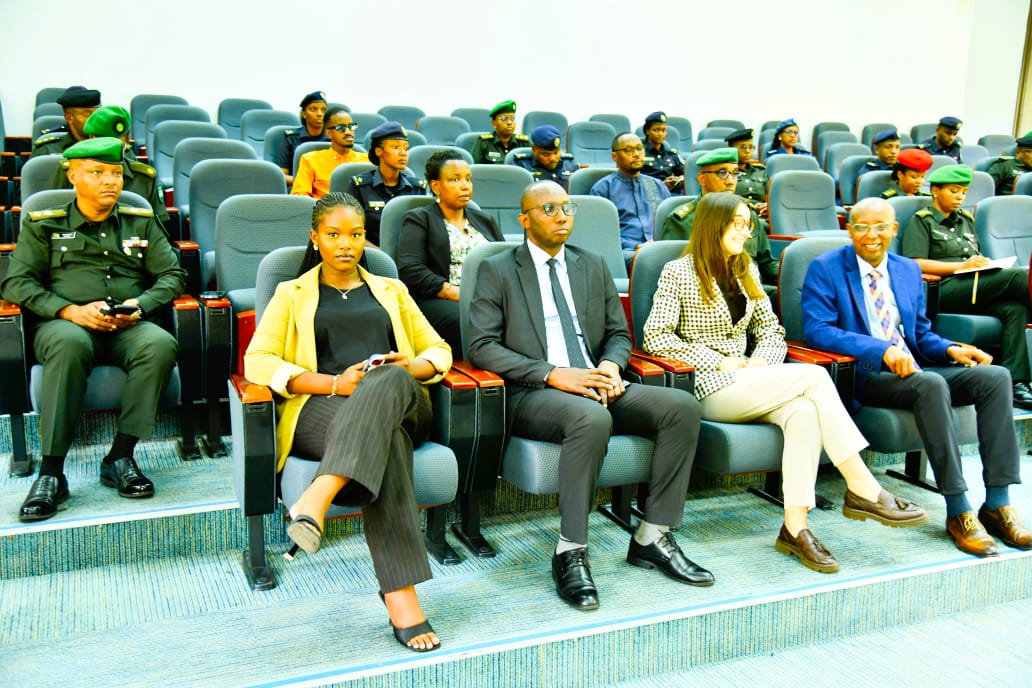
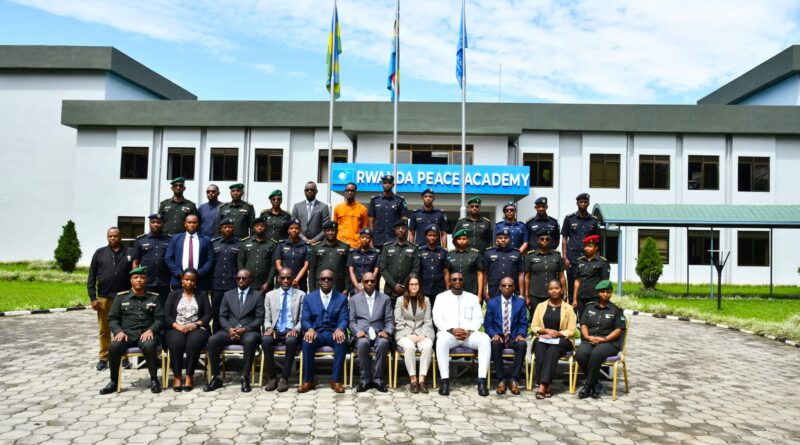
On Monday, 2 November 2026, a training course aimed at strengthening the knowledge of military, police and civilian personnel on international human rights law in peace support operations was officially launched at the Rwanda Peace Academy (RPA), located in Nyakinama, Musanze District.
The course, titled International Human Rights Law in Peace Support Operations, brings together 28 participants from Rwanda, including military officers, police officers and civilians from different institutions.
It aims to equip participants with knowledge of international legal frameworks, human rights standards and practical skills necessary to uphold and protect human rights during peace support operations, both nationally and internationally.
Jean Pierre Kizito, an official from the Ministry of Justice participating in the training, said the course would deepen participants’ understanding of the importance of respecting human rights in different circumstances.
“Human rights must be respected during peacetime, armed conflict and even after conflict. The lessons we will learn here will help us gain a better understanding of how to protect and uphold these rights in the course of our daily responsibilities,” he said.
He added that bringing together military, police and civilian personnel is particularly important because it allows different institutions to exchange knowledge and develop a shared understanding of human rights protection.
He also highlighted the need to strengthen public awareness so that citizens can better understand their rights, including their scope and limitations.
Representing the Rwanda Defence Force (RDF), Lt Col Marie Chantal Umuhoza said the training would strengthen military personnel’s capacity to perform their duties, particularly during peacekeeping missions in different countries.
“This training will help us gain a deeper understanding of how human rights should be respected across different categories of people, including those we work with, those we serve and the general population,” she said.
She added that Rwanda’s military personnel operate alongside communities and institutions from different countries during peace support missions, making respect for human rights a fundamental principle guiding their conduct.
Michael Ngabirano, Senior Human Rights Advisor to the UN Resident Coordinator and Head of the UN Human Rights Office in Rwanda, said the partnership with the Rwanda Peace Academy was essential in preparing personnel for peace support operations.
He noted that Rwanda plays a significant role in peacekeeping missions conducted under the United Nations and the African Union, making it important for military, police and civilian personnel deployed on such missions to have adequate knowledge of human rights standards.
He explained that the training would cover a range of issues, including the rights of women, children, injured persons and people displaced by armed conflict or natural disasters.
“It is important for military, police and civilian personnel to train together because they work alongside one another when deployed in peace operations. They need a common understanding and the necessary knowledge to perform their duties effectively while respecting the rights of women, children and other civilians,” Ngabirano said.
He also highlighted the importance of understanding international humanitarian law, particularly the distinction between civilians and military objectives, as well as the legal protections afforded to captured persons and those who surrender during armed conflict.
The Head of the Rwanda Peace Academy, Rtd Col Jill Rutaremara, urged participants to actively engage in the training and make the most of the opportunity to acquire knowledge and practical skills that they can apply in their respective duties and share with colleagues.
“We encourage you to follow the training attentively, acquire relevant knowledge and develop your professional skills. Make the most of this opportunity by learning from one another and sharing the knowledge you gain with others,” he said.
Rwanda is among the leading contributors to international peace support operations, deploying military and police personnel to various missions around the world. The country is reported to have approximately 5,000 troops serving in different peacekeeping missions, placing it among Africa’s leading contributors.
The five-day training runs from 2 to 6 November 2026 and is jointly organised by the Rwanda Peace Academy (RPA), the UN Human Rights Office in Rwanda and the United Nations Children’s Fund (UNICEF).
The initiative seeks to strengthen the capacity of military, security and civilian personnel to work together effectively in peace support operations while upholding international legal standards and protecting human rights.