Kungahara project poised to leave farmers with greater capacity to boost productivity and curb post-harvest losses
Partners implementing the Kungahara Project, funded by the European Union (EU), say the initiative has made significant strides in strengthening farmers’ productive capacity, improving the production of vegetables, fruits and potatoes, and reducing losses associated with post-harvest deterioration.
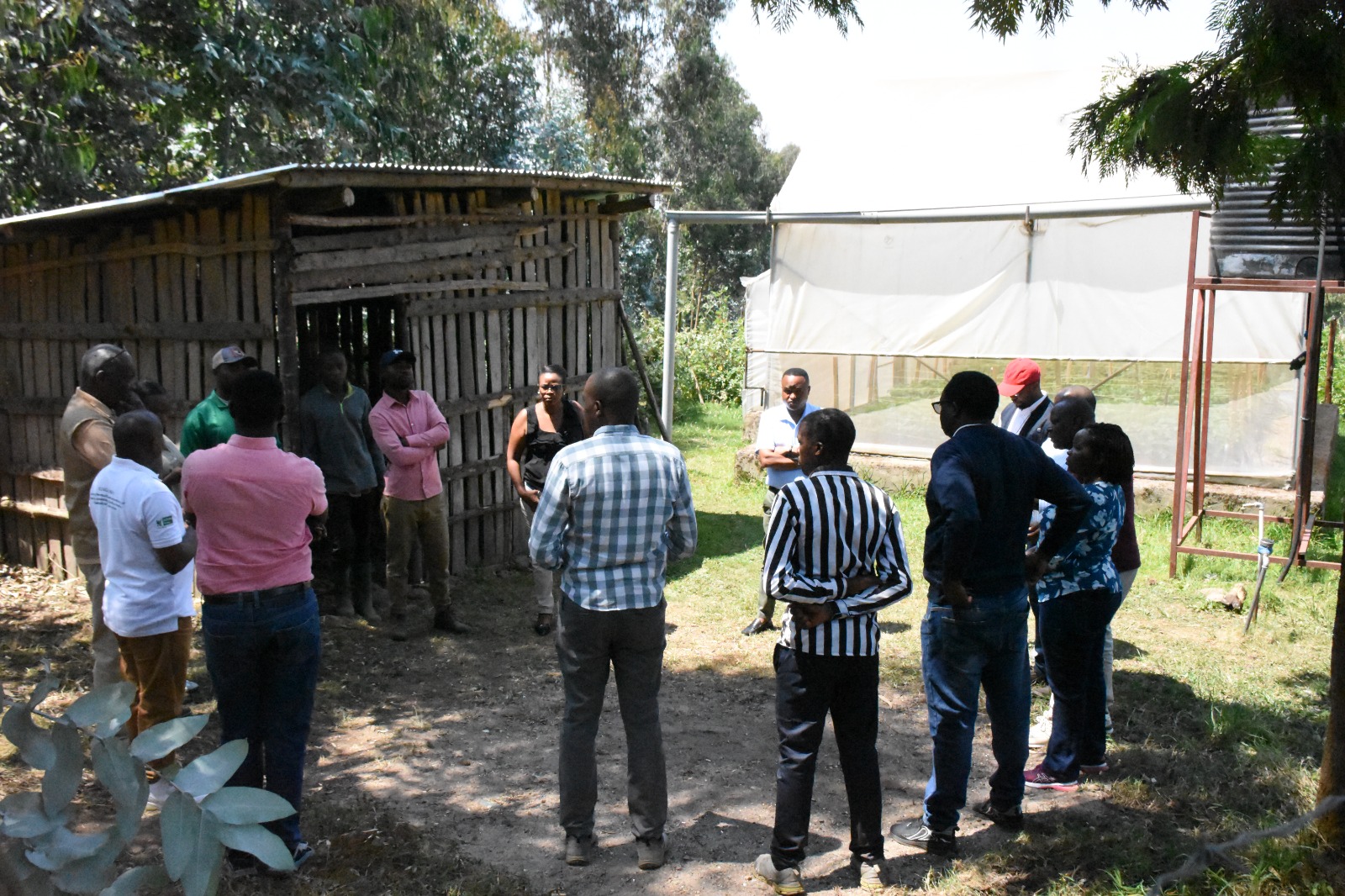
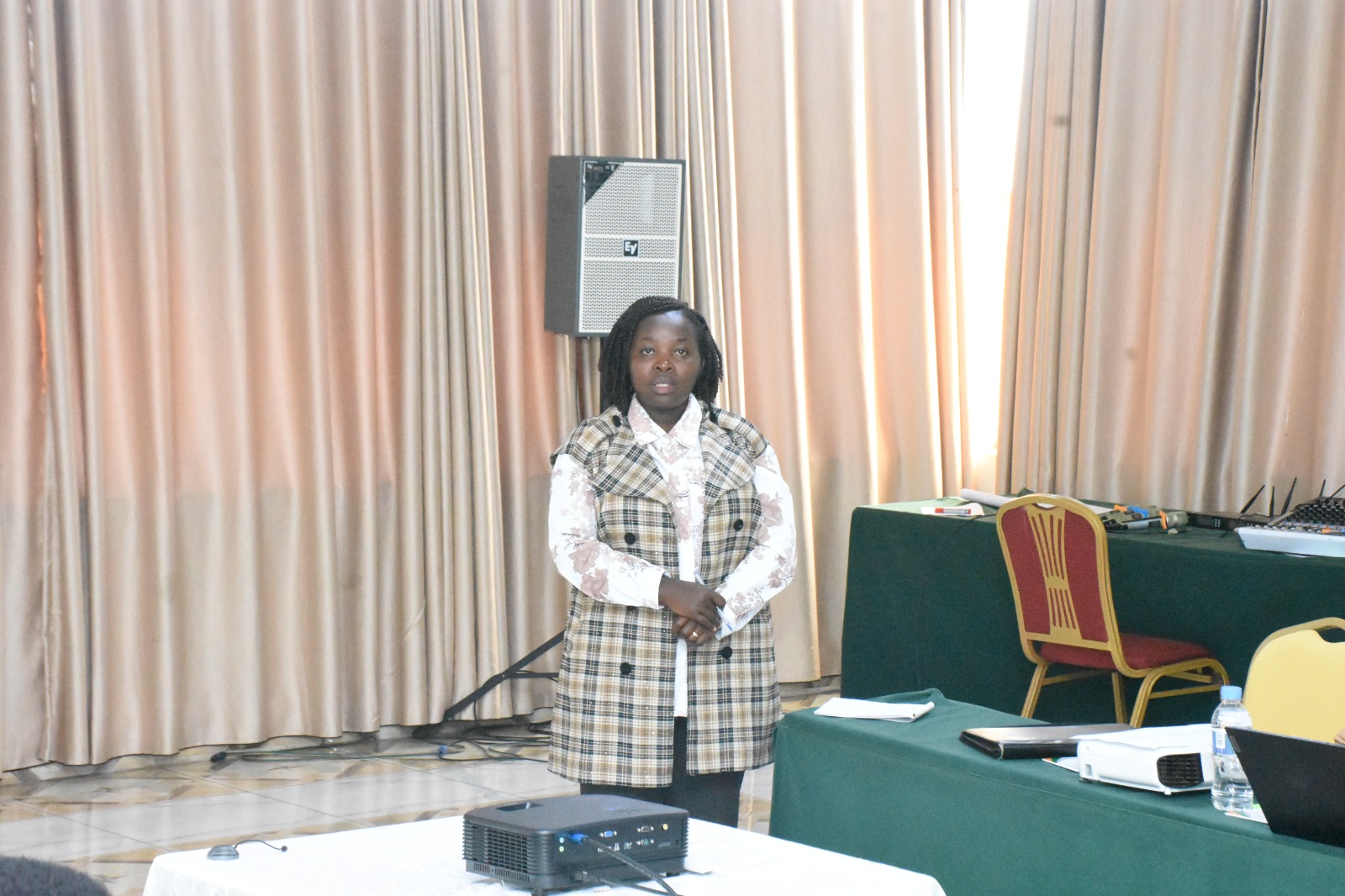
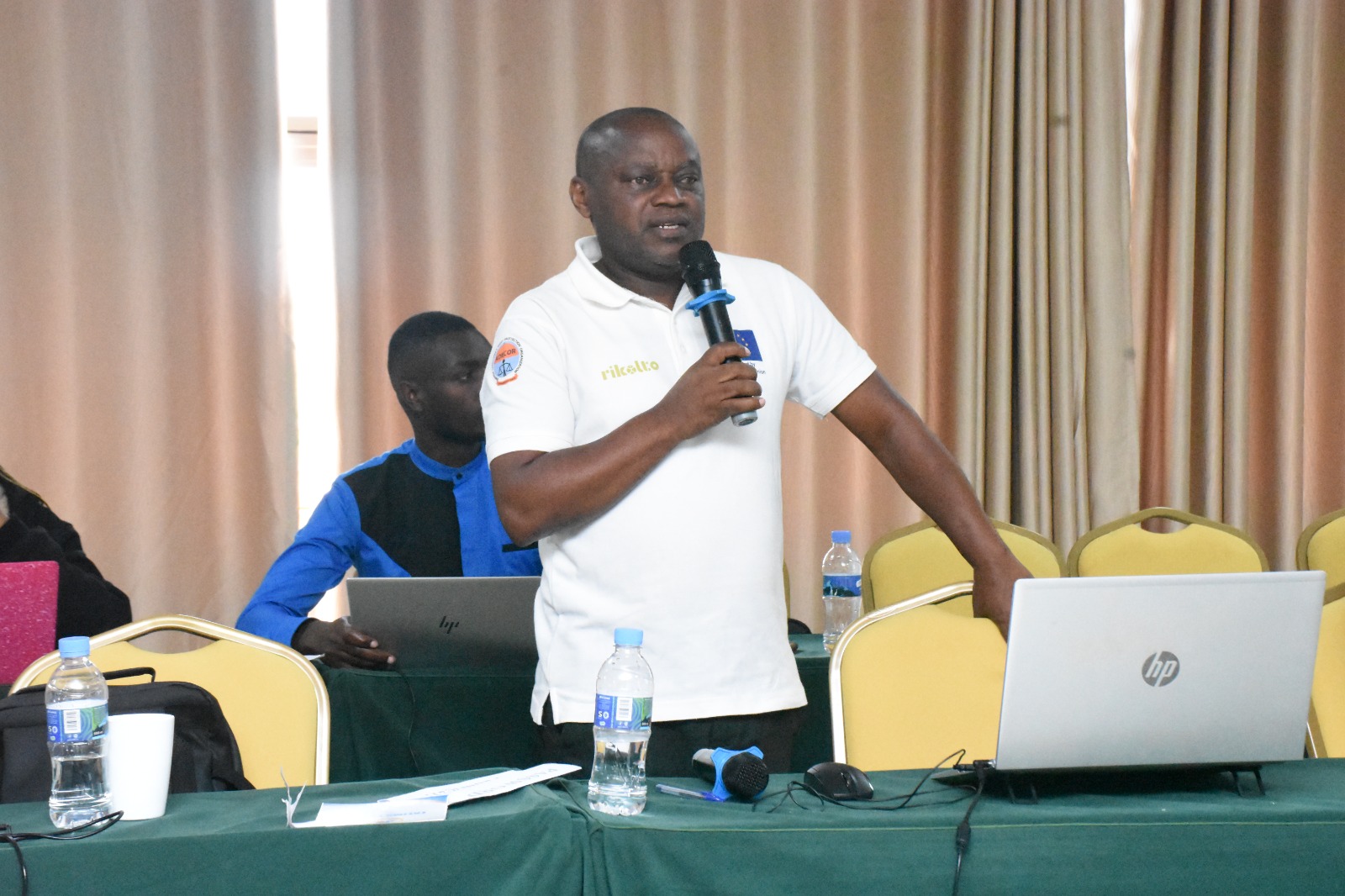
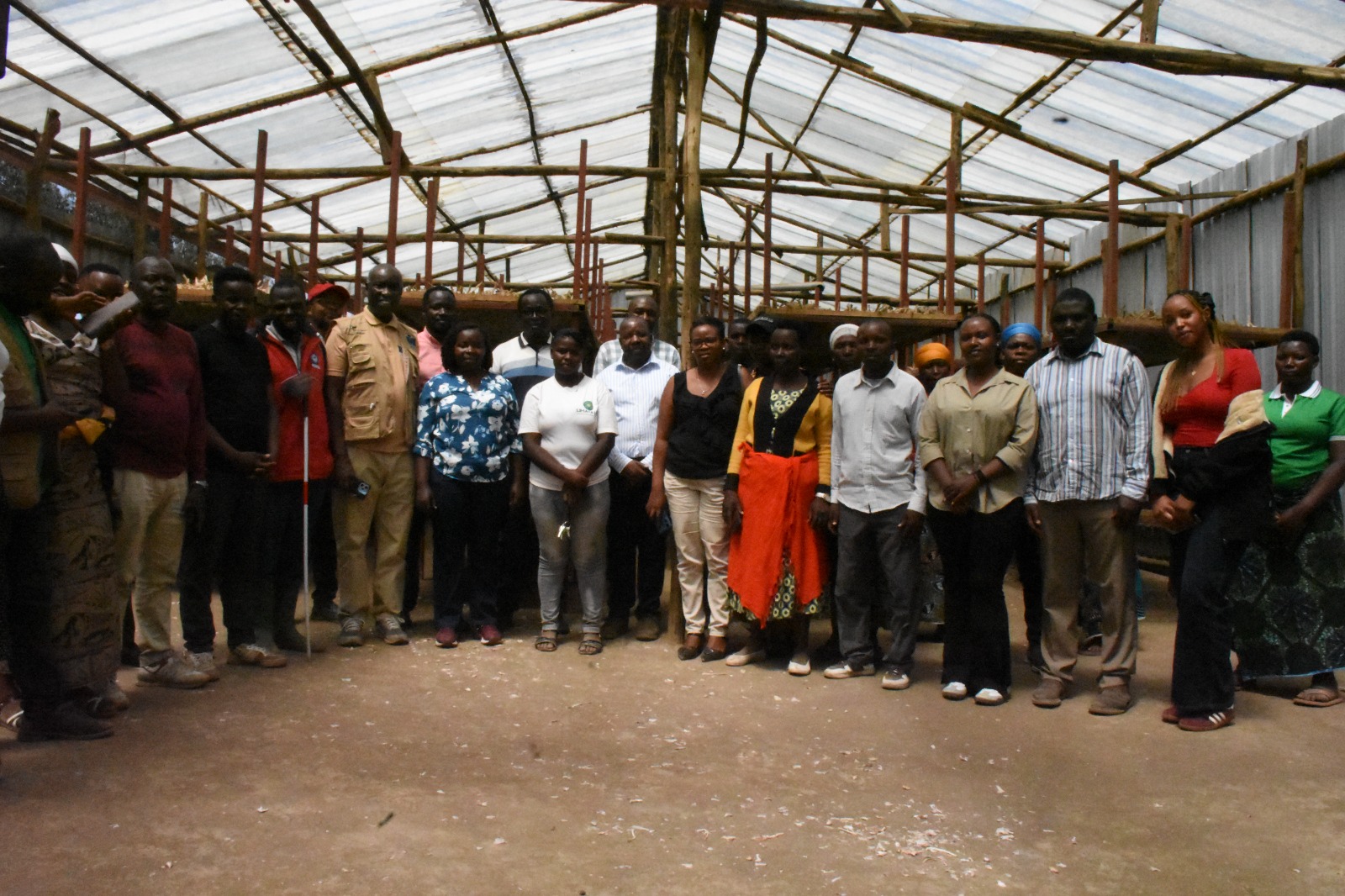
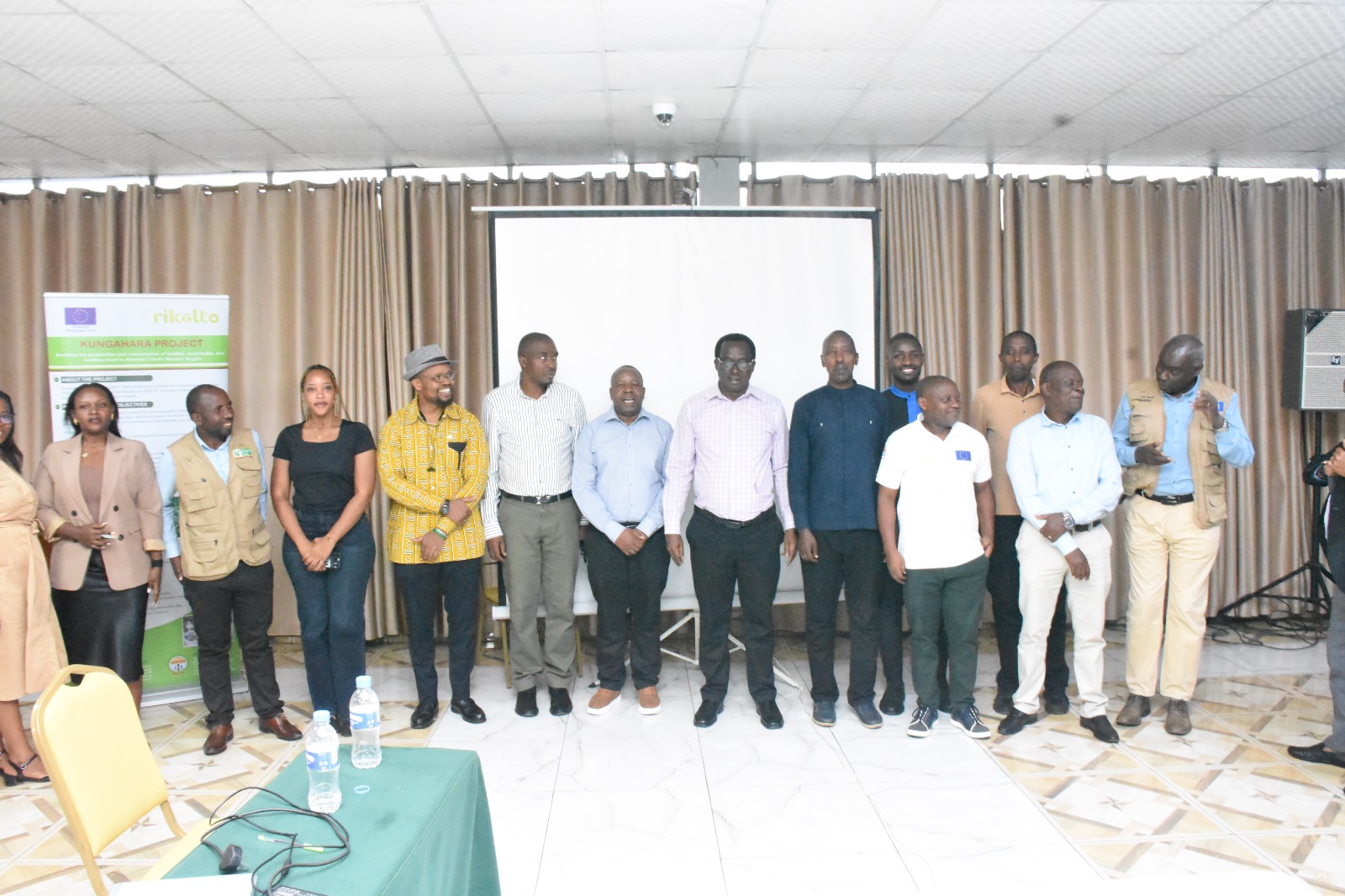
The achievements were highlighted during a meeting of the Kungahara Project Advisory Committee held in Musanze District on September 10, 2026, following a field visit conducted on September 9, during which participants inspected project-supported interventions in Musanze and Nyabihu districts.
Mbonyi Paul, who works with the Association for Consumer Protection in Rwanda (ADECOR), said the Advisory Committee serves as a strategic oversight platform that provides direction on the implementation of the project and assesses whether its interventions are delivering against the objectives for which they were established.
“We held a meeting of the Advisory Committee on the implementation of the Kungahara Project. It is a project funded by the European Union and implemented by Rikolto, Kilimo Trust and ADECOR,” he said.
He explained that, as the project enters its final year, the meeting was primarily intended to assess progress made so far, while placing particular emphasis on mechanisms for institutionalising and sustaining the gains achieved so that they continue generating tangible benefits beyond the project’s closure.
Kungahara has concentrated on strengthening the agricultural value chain, particularly in potatoes, vegetables and fruits, through farmer capacity development, improved access to quality planting materials and the adoption of modern agricultural technologies.
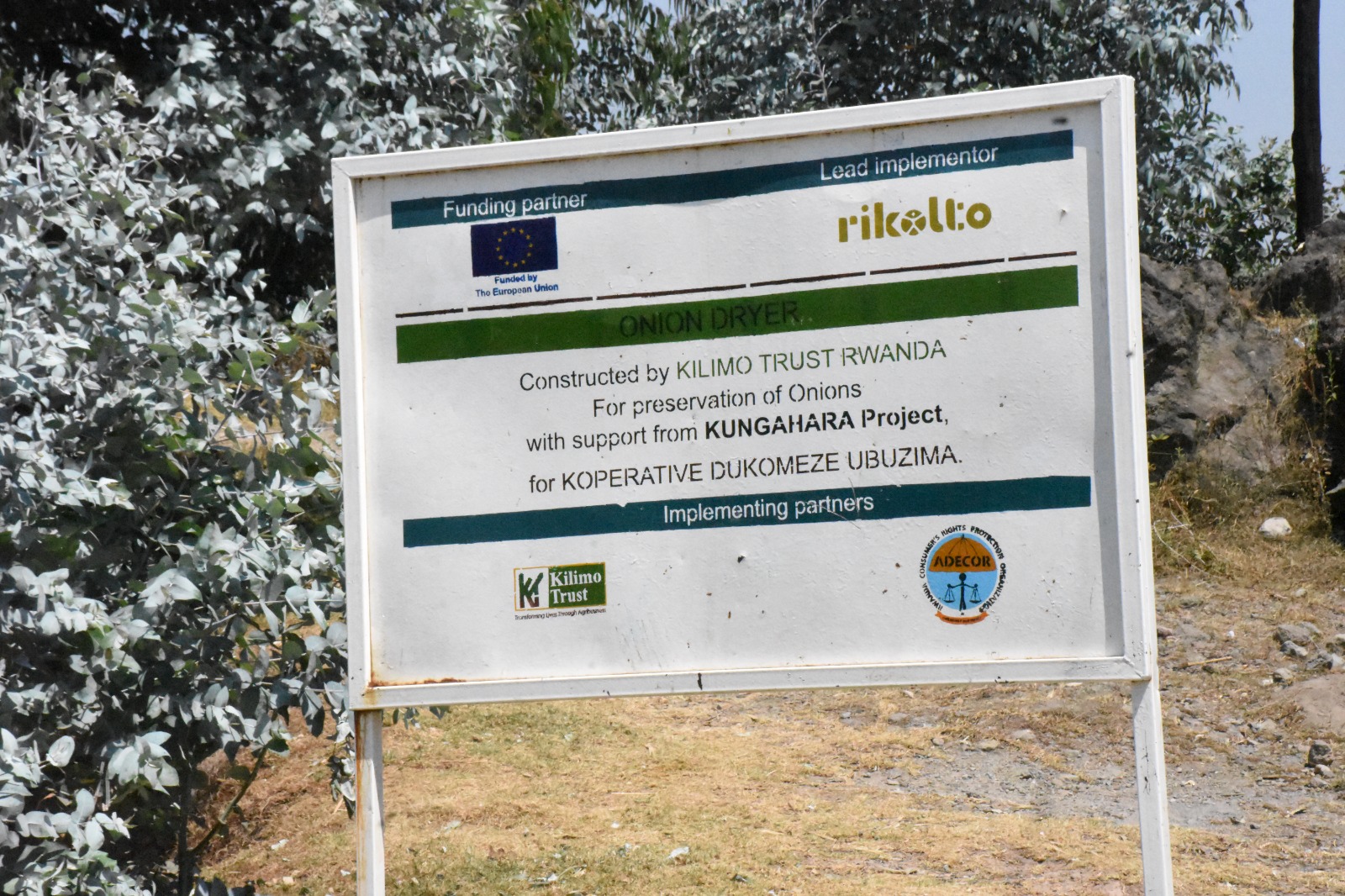
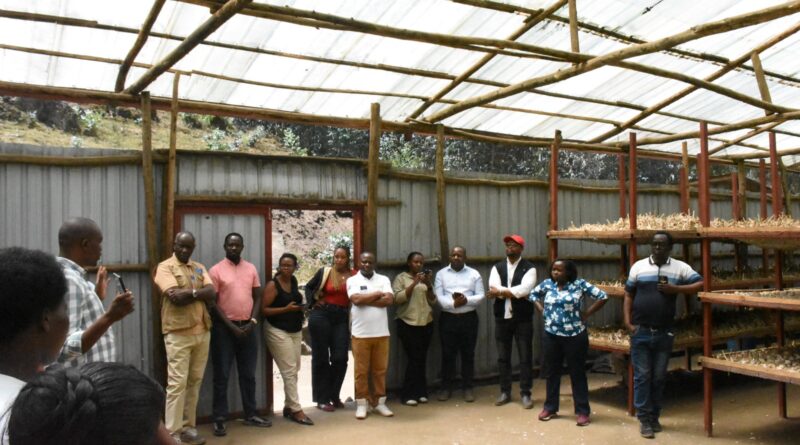
To mitigate post-harvest losses, the project has supported the establishment of infrastructure including onion and garlic drying facilities, as well as cold-storage facilities designed to preserve vegetables under appropriate conditions before they reach the market.
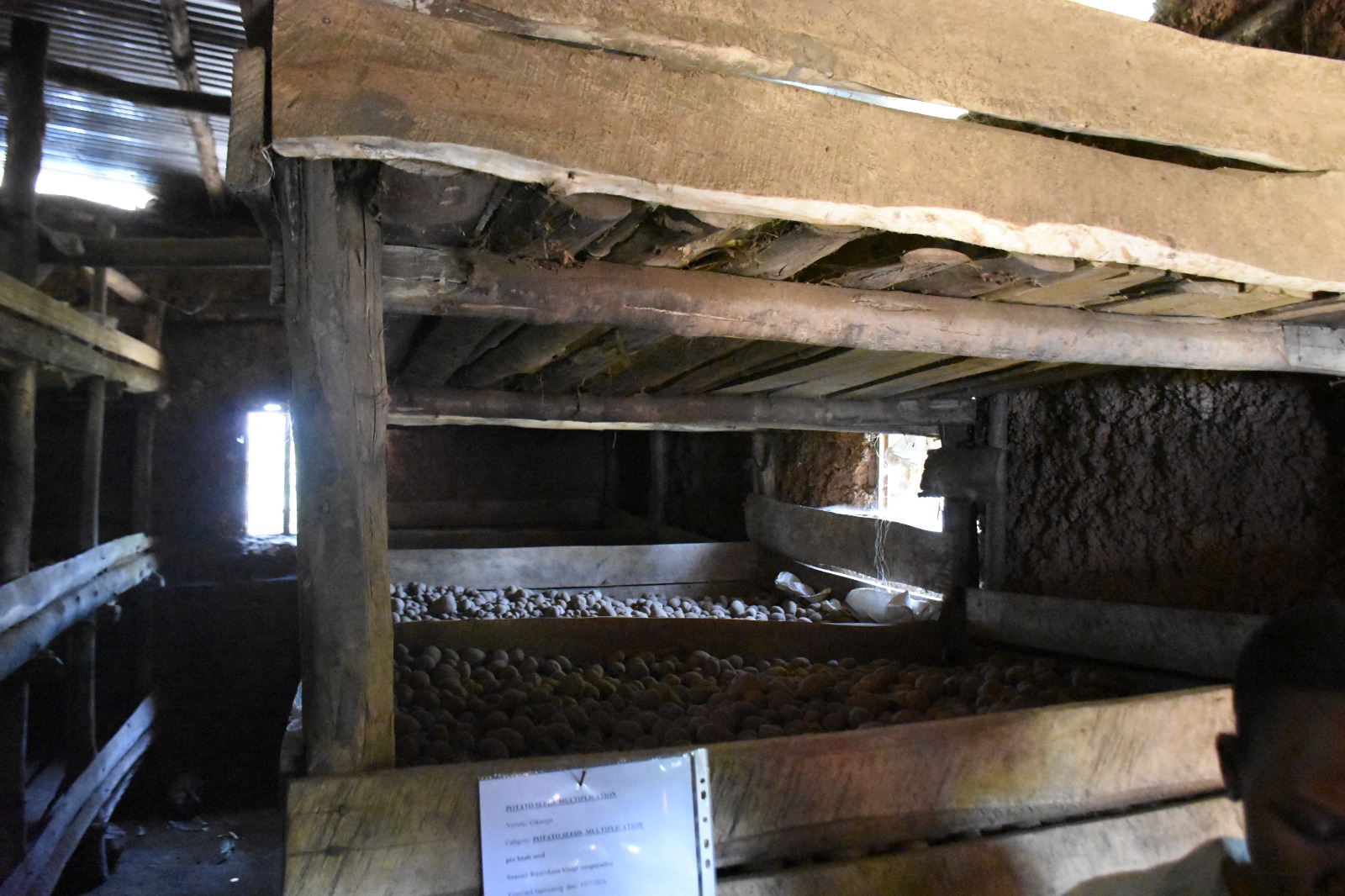
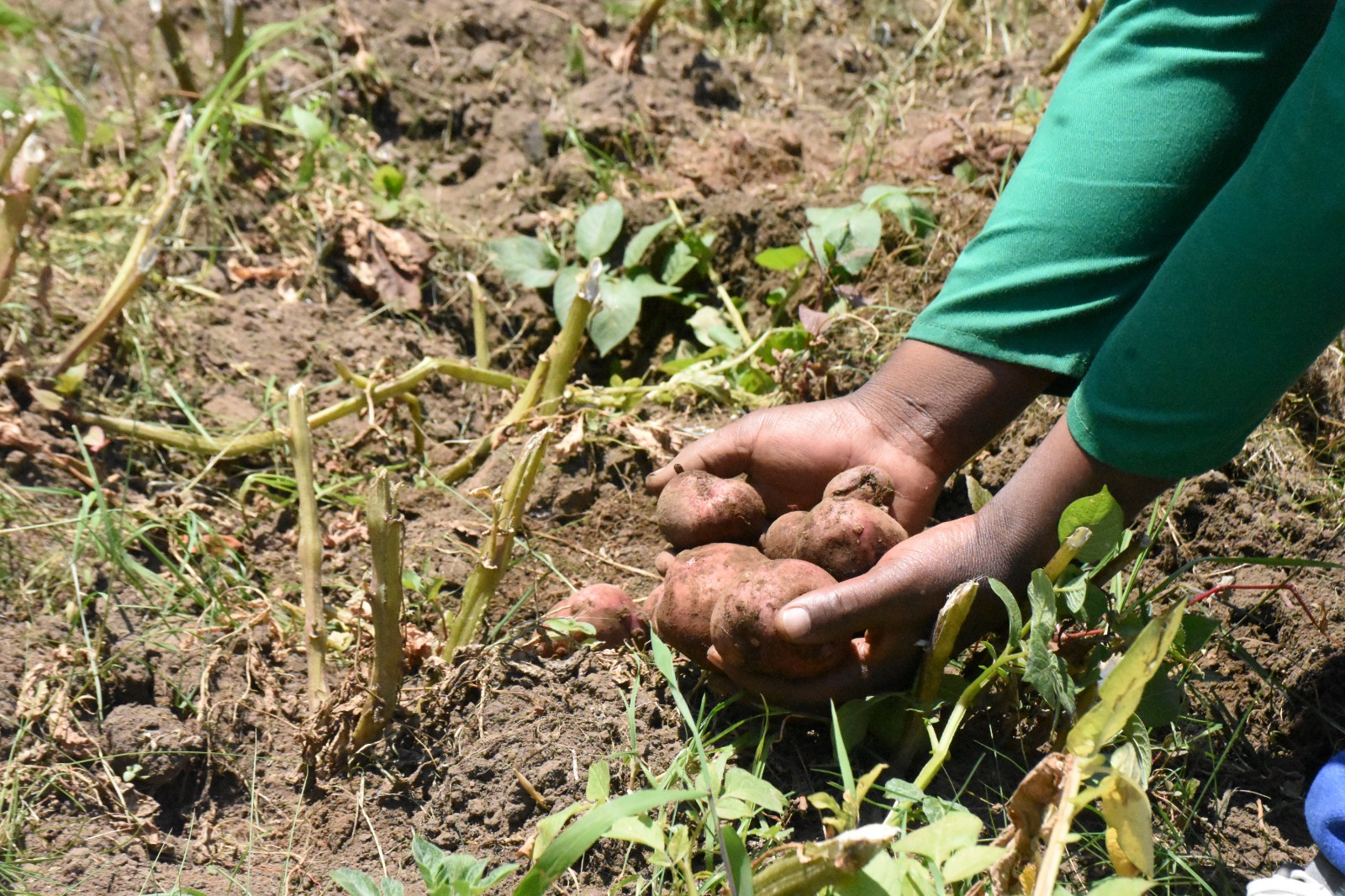
The project has also supported the multiplication of potato seed through different stages of the seed system, complemented by training programmes designed to enhance farmers’ technical knowledge of post-harvest management, production planning and value addition.
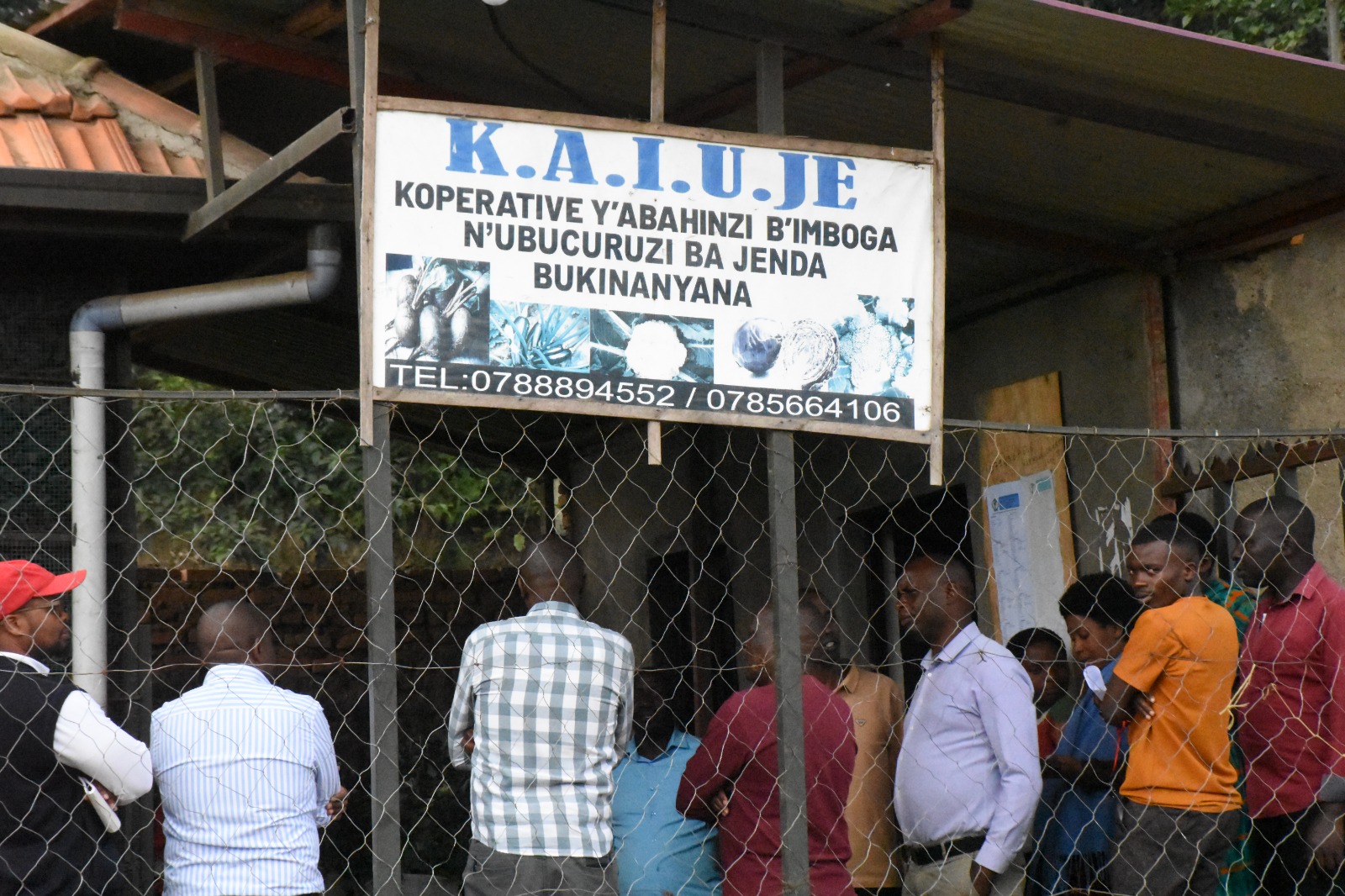
Another key component has been the strengthening of linkages among farmers, traders, local authorities and other actors across food value chains, with the objective of ensuring that agricultural produce reaches markets in a safe, consistent and quality-assured condition. These interventions have included markets such as Kariyeri in Musanze town, Gataraga and Mukamira.
Kain Mvanda, Director General of Rikolto East Africa, said Rikolto is implementing a five-year strategic programme that commenced in 2022 across Rwanda, Tanzania, Uganda and the Democratic Republic of Congo (DRC), with Kungahara constituting one of the initiatives implemented under the broader programme.
He said Kungahara is a five-year project funded by the European Union and designed to support approximately 6,000 farmers in increasing agricultural productivity and yields per hectare, particularly for nutrient-dense crops such as vegetables and fruits.
“We introduced modern agricultural technologies, supported farmers in accessing quality planting materials and promoted other approaches that enable them to increase productivity. But we did not focus exclusively on production; we also addressed the challenge of post-harvest losses, particularly in vegetable production,” Mvanda said.
He noted that post-harvest losses in vegetable production can reach as high as 40% in the absence of adequate systems and infrastructure for preserving agricultural produce.
To address the challenge, the project has established solar-powered drying facilities that enable farmers to dry their produce under controlled and more reliable conditions, reducing their vulnerability to rainfall and other environmental factors that previously compromised conventional drying practices.
According to Mvanda, the approach has contributed to improved onion quality while strengthening farmers’ bargaining power and enabling them to secure better prices in the marketplace.
“Previously, farmers were receiving around RWF300, but in some cases they are now earning up to RWF600, depending on the quality of their produce and their ability to aggregate it and negotiate collectively with buyers,” he said.
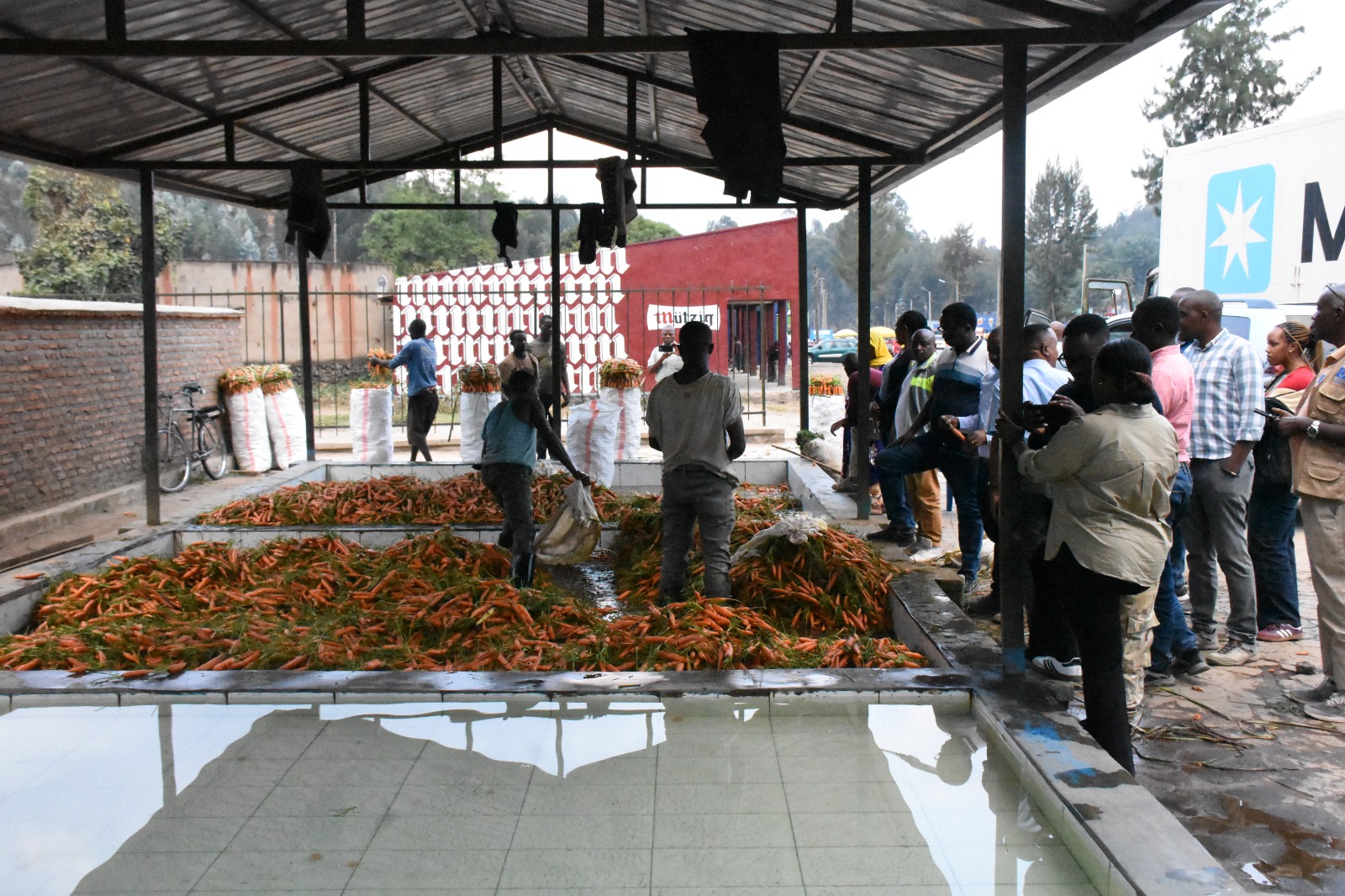
In Musanze District, Kungahara has also introduced interventions aimed at improving food hygiene and safety. In Gataraga, farmers use a designated carrot-washing facility supplied with clean water rather than relying on river water that may be exposed to contamination.
The facility also utilises solar energy to pump water, reflecting the project’s broader emphasis on environmentally sustainable and climate-conscious agricultural practices.
Ngendahayo Jean, Director in charge of Agriculture, Livestock and Natural Resources in Musanze District, said the interventions visited on September 9—including potato seed multiplication facilities and the carrot-washing infrastructure in Gataraga—have the potential to generate lasting benefits for local agricultural communities.
He explained that potato seed multiplication activities are being undertaken in collaboration with young people, creating employment opportunities while increasing the availability of quality potato planting materials for farmers in Musanze and neighbouring districts.
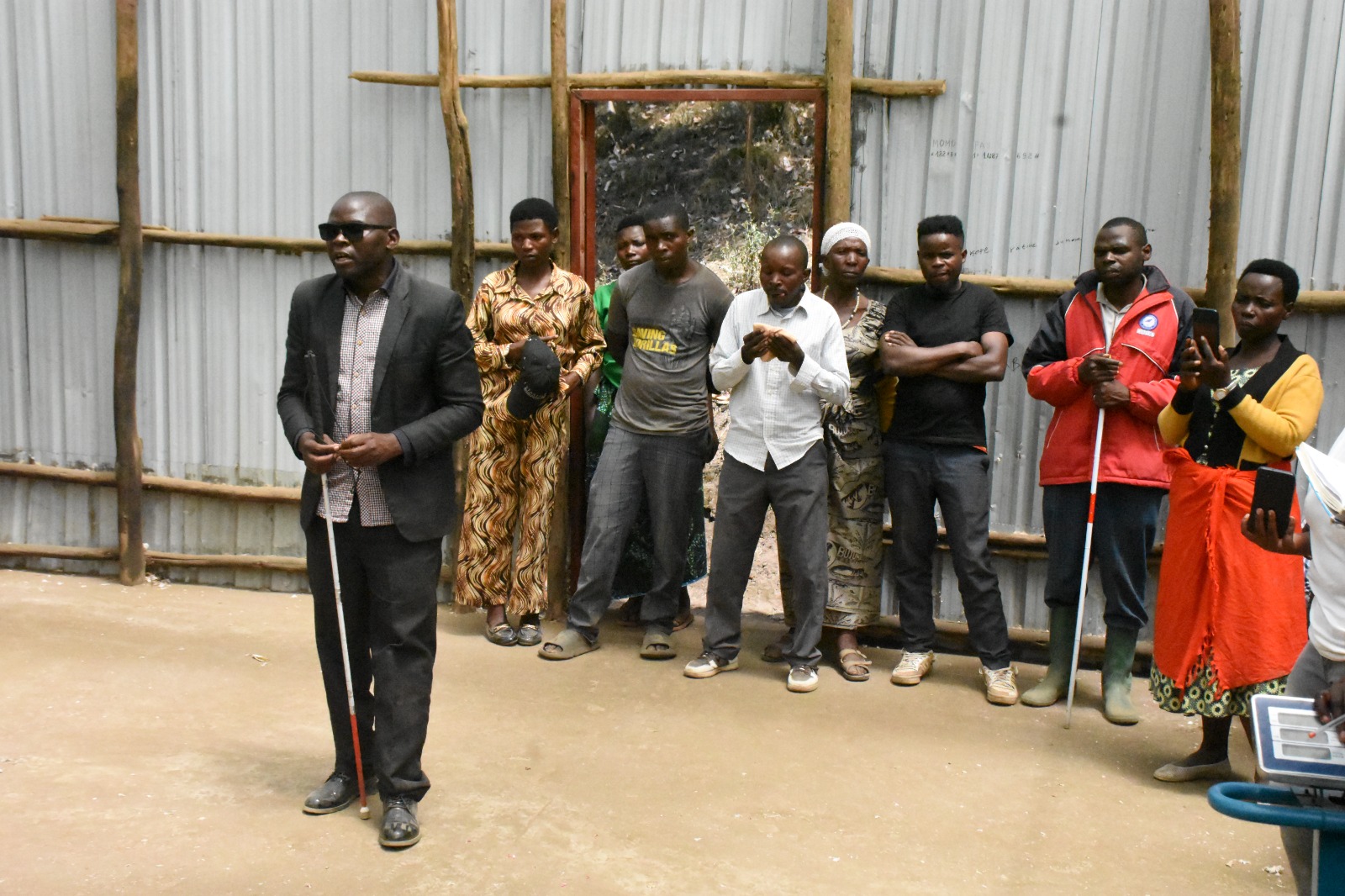
Ngendahayo also commended the work of Dukomeze Ubuzima Cooperative, a farmer organisation composed of people with disabilities, which engages in agricultural production and improved storage and preservation of onions and garlic.
He said the cooperative has progressed to the point where it is supplying produce to hotels and has also developed markets beyond Rwanda, including in Kenya.
“It is a significant achievement because the members of this cooperative are people with disabilities who have come together and demonstrated their capabilities. Their message that ‘even a person with a disability is capable’ is a powerful lesson, because their work also contributes to the wider community,” he said.
Implemented over a five-year period, the Kungahara Project has sought to strengthen potato, vegetable and fruit value chains, increase productivity and yields per hectare, reduce post-harvest losses, improve food quality and safety, and connect farmers to higher-value markets.
As the project enters its final year, its partners say increasing emphasis is being placed on ensuring that the infrastructure, technical expertise and institutional capacities established through Kungahara remain functional and productive, enabling farmers and other value-chain actors to sustain the gains achieved after the project formally concludes.