Rwanda unveils Major plan to safeguard biodiversity and drive sustainable growth
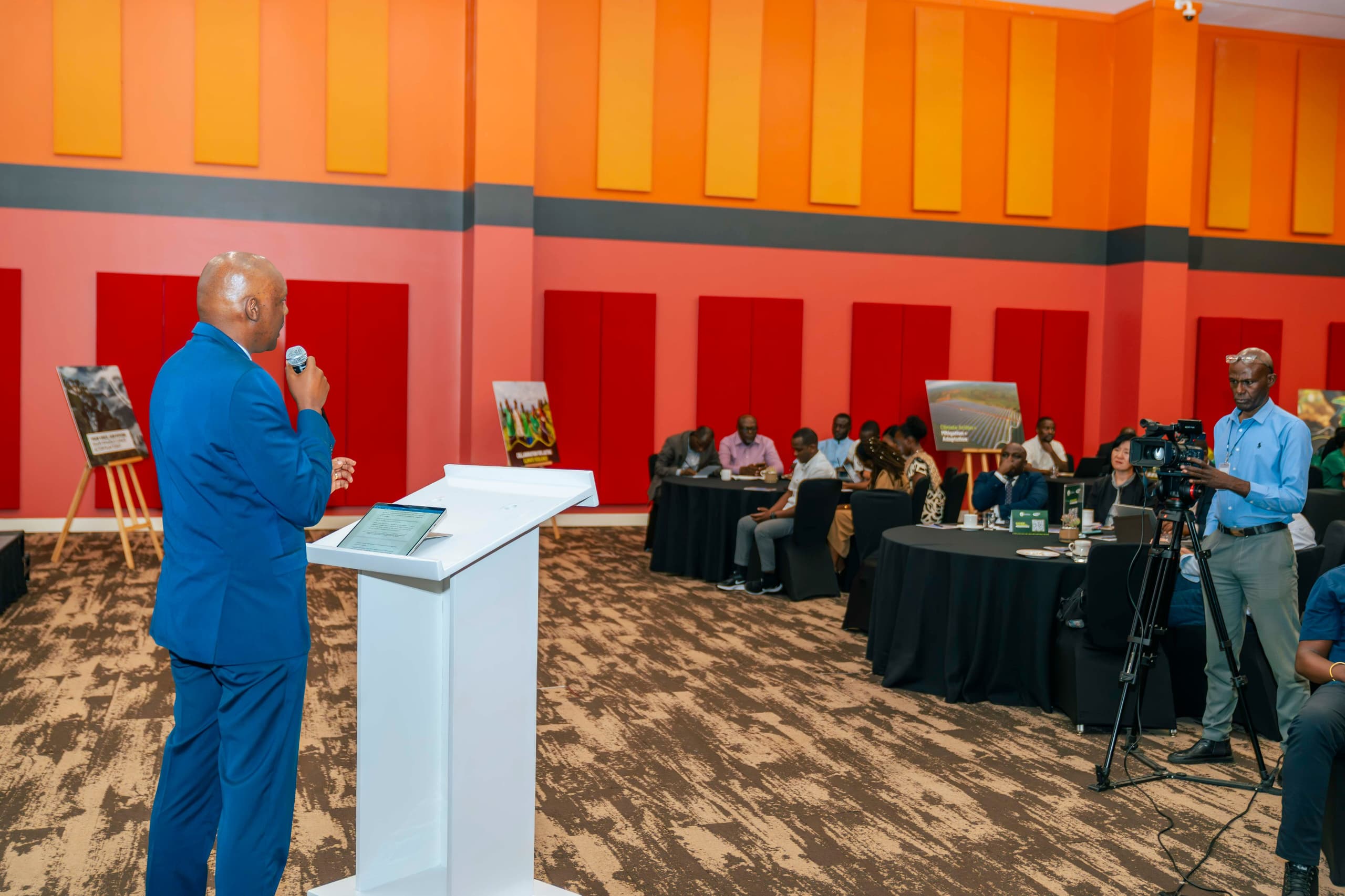
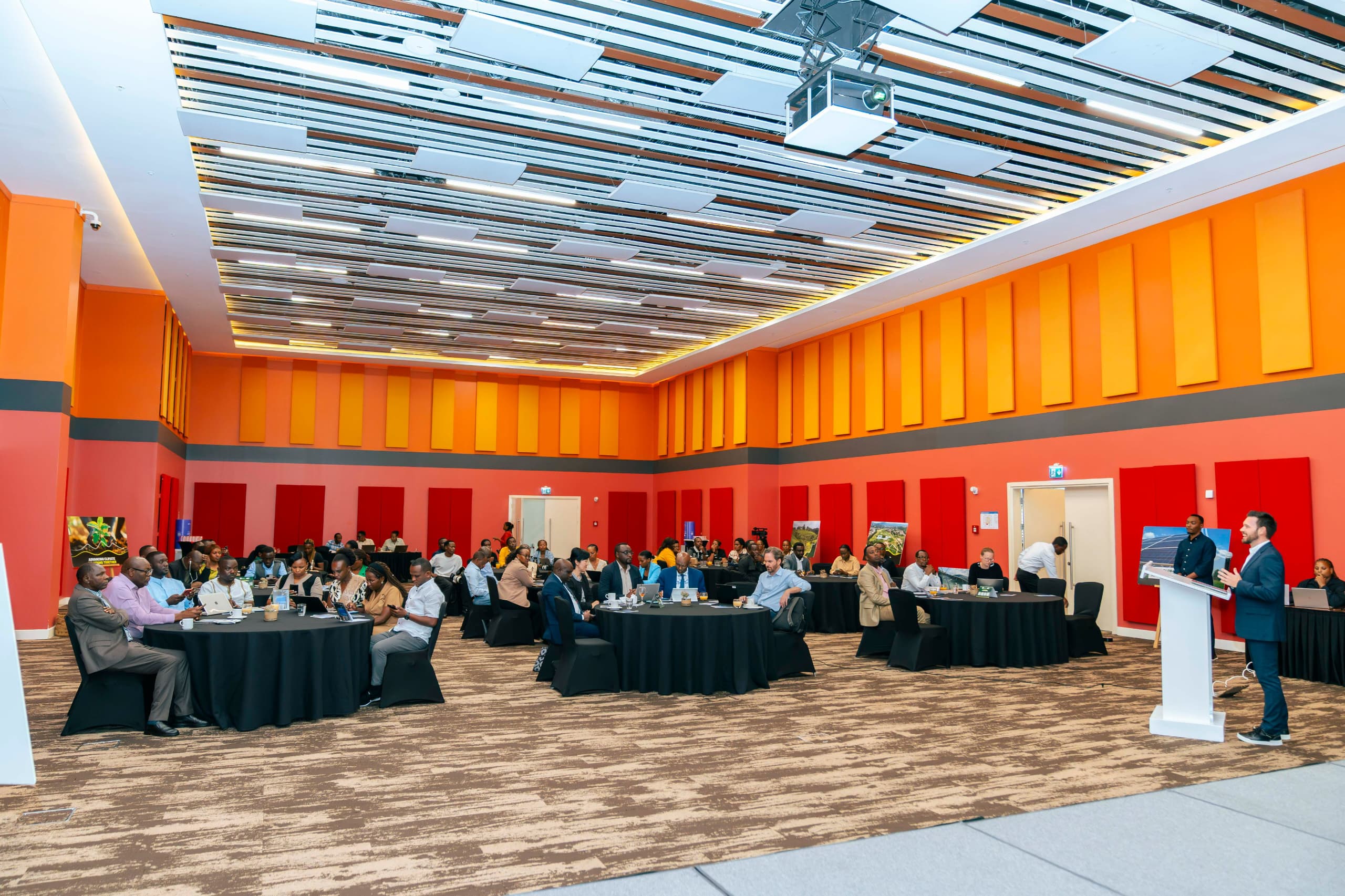
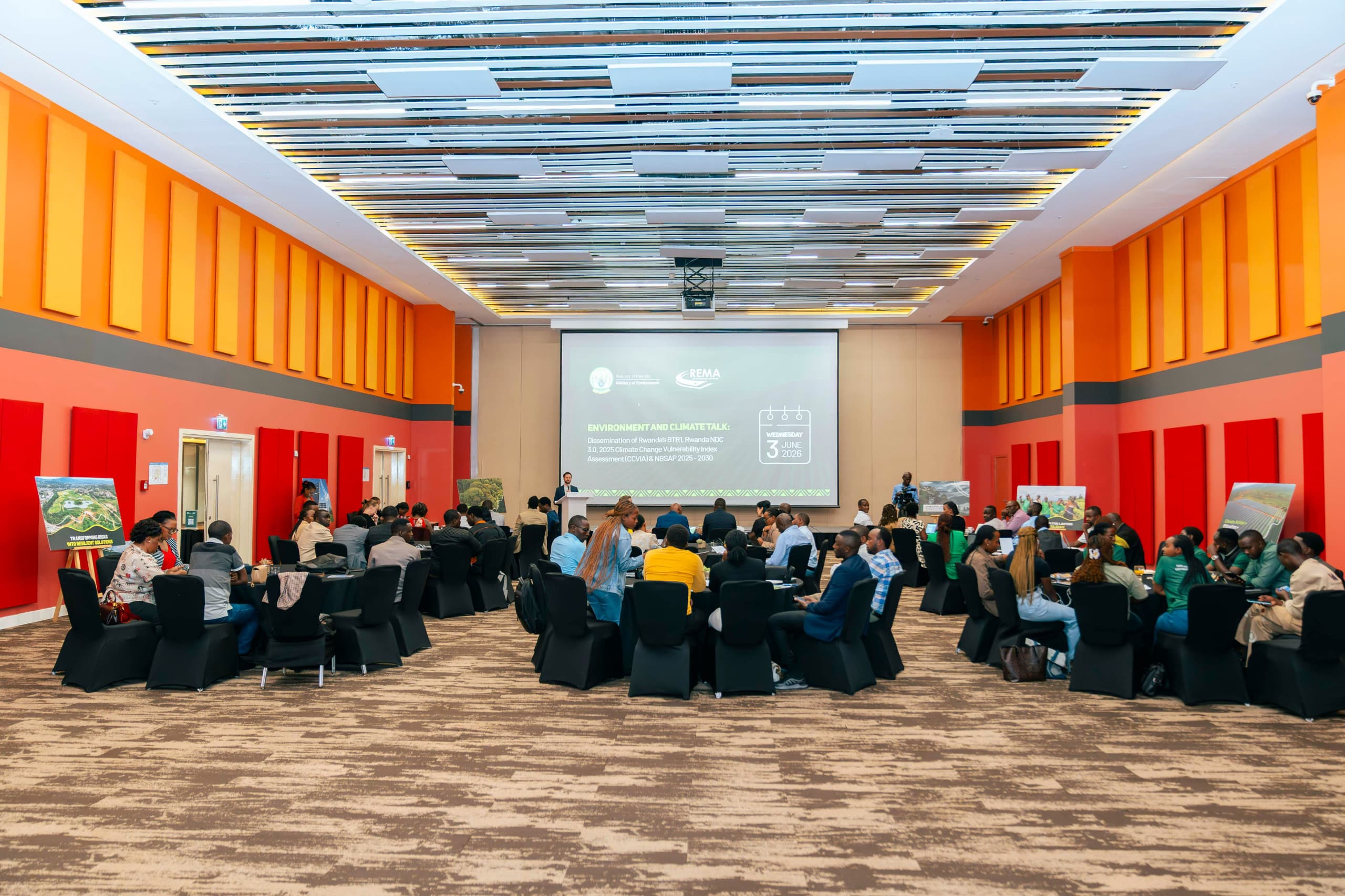
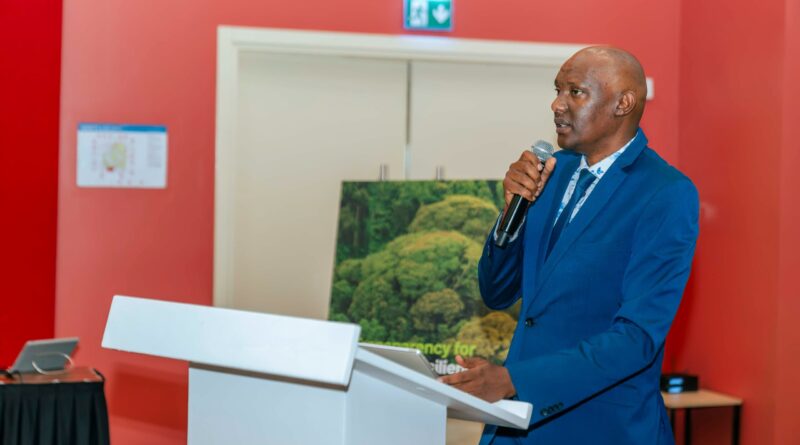
Rwanda has rolled out an updated national blueprint designed to preserve its wealth of plant and animal life, breathe new life into damaged ecosystems, and harness the power of nature to fuel economic progress and improve people’s lives. The plan was presented by the Rwanda Environment Management Authority (REMA) in Kigali on June 3, 2026, during Environment Week.
The National Biodiversity Strategy and Action Plan (NBSAP) lays out 22 goals to be delivered before the decade’s end, placing Rwanda firmly within the global Kunming-Montréal Biodiversity Framework, the landmark international agreement reached in 2022.
The timing is no accident. Rwanda’s natural environments are buckling under pressure from a growing population, shifting land use, rising pollution, encroaching invasive species, and the widening effects of climate change. Without bold intervention, the damage could prove irreversible.
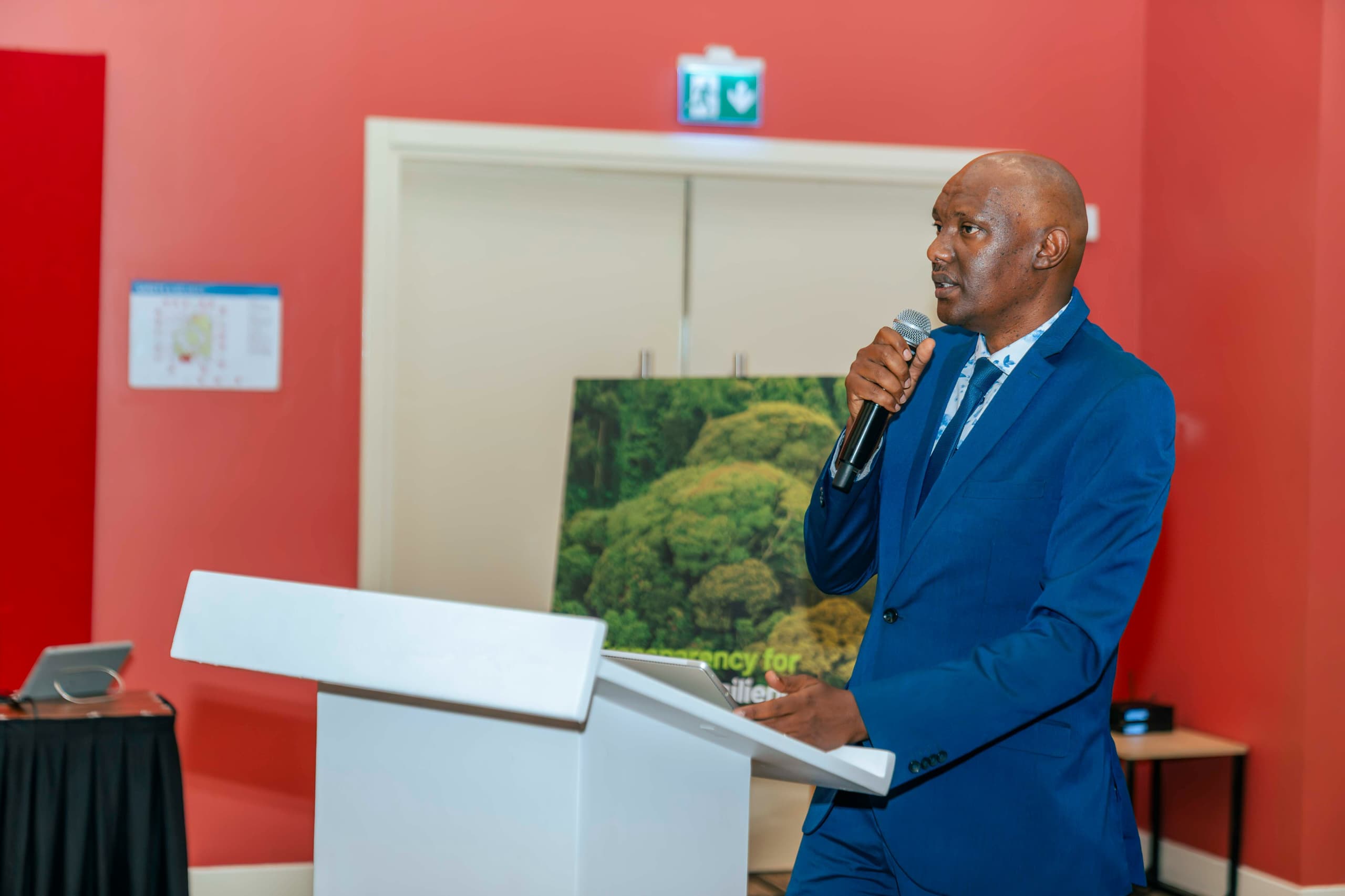
Faustin Munyazikwiye, Deputy Director General of REMA, framed the plan’s origins plainly. “Rwanda, like other countries, has signed the international convention on biodiversity, and we therefore need to present a plan showing how we will properly manage biodiversity over a five-year period,” he said.
The 2025–2030 document, he explained, takes a clear-eyed look at the current health of Rwanda’s ecosystems, sets out how existing threats will be confronted, and outlines concrete steps to protect and expand what remains without overlooking what has already been achieved, whether in plants surviving in harsh and specific conditions, in parks and other landscapes, in degraded forests where indigenous trees are making a comeback, or in the wildlife that calls these places home.
“We are investing in biodiversity because it is the foundation of sustainable development, food security, water resources, tourism, and climate resilience,” REMA officials told attendees gathered at the Kigali Convention Centre for the unveiling.
Rwanda may be small on the map, but its natural heritage is vast. The country shelters an extraordinary range of mammals, birds, reptiles, amphibians, and plant species. Its flagship parks—Volcanoes, Nyungwe, and Akagera—have become global symbols of what determined conservation can achieve, drawing visitors from around the world and injecting vital income into the national economy.
The strategy, however, does not shy away from uncomfortable realities. Wetlands and river catchments, among the most ecologically sensitive areas in the country, remain exposed to mounting human and environmental pressures. A significant share of Rwanda’s most biologically important zones still lacks any formal protection—a vulnerability the new plan is determined to address.
The plan’s headline ambition is to bring 30 percent of Rwanda’s land and freshwater ecosystems under protection by 2030, while restoring an equivalent share that has already been lost or degraded.
Getting there will mean transforming how the land is farmed, how wetlands and forests are managed, how invasive species are controlled, and how communities engage with the natural world around them. Even Rwanda’s cities are part of the equation, with green spaces and nature-friendly infrastructure set to become fixtures of urban development.
The benefits reach beyond conservation. Cleaner rivers, more stable soils, more reliable harvests, and communities better equipped to weather climate shocks are all expected to follow if the plan is implemented with conviction.
The strategy makes a case that has gained ground globally: conservation and economic development can reinforce each other rather than compete. Restoring forests, planting nurseries, monitoring ecosystems, growing ecotourism, and running community conservation schemes will all create employment with deliberate efforts to bring young people and women into these emerging green industries.
The private sector is also in the frame, with businesses being called on to understand their dependence on nature, clean up their practices, and put money behind conservation.
Delivering on the strategy will not be cheap. Estimates put the total cost at around USD 355 million. Rwanda plans to piece this together from government allocations, international aid, dedicated conservation funds, and private capital. A new Biodiversity Finance Facility is being proposed to bring these sources into alignment and plug the holes that remain.
REMA will hold the coordinating role, but the strategy is explicit that lasting change cannot be driven from the top alone. It will take buy-in from every level—government ministries, district authorities, the private sector, international partners, and the communities living closest to the land.
More than a policy document, this plan is a statement of intent: that Rwanda’s forests, wetlands, and wildlife are not obstacles to progress, but the very foundation upon which the country’s future is being built.