The Minister urges Gicumbi community to safeguard Green Gicumbi gains
Residents of Gicumbi district testified that the initiative significantly expanded forest cover through free afforestation programs, while simultaneously playing a transformative role in soil stabilization and environmental conservation.
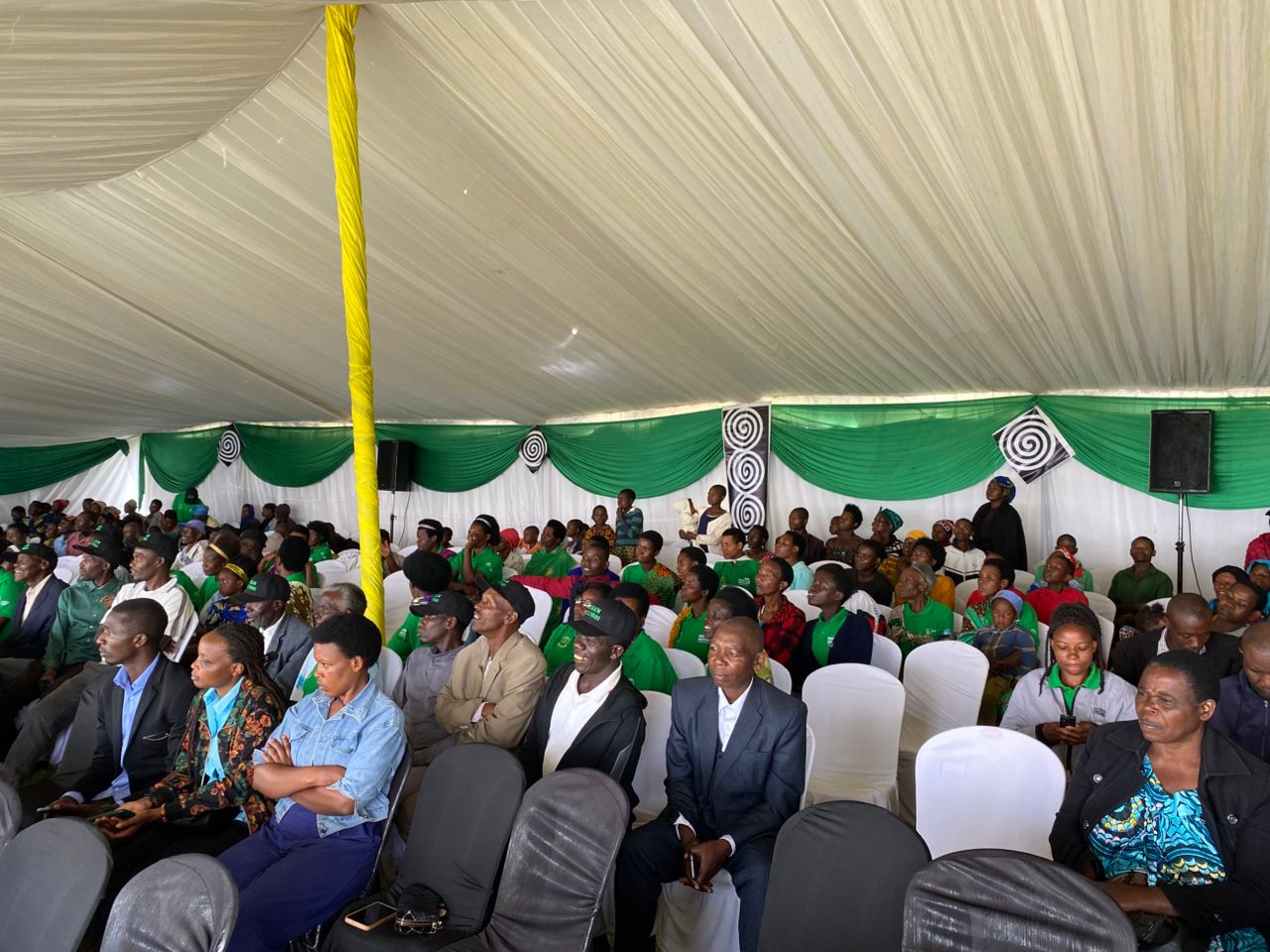
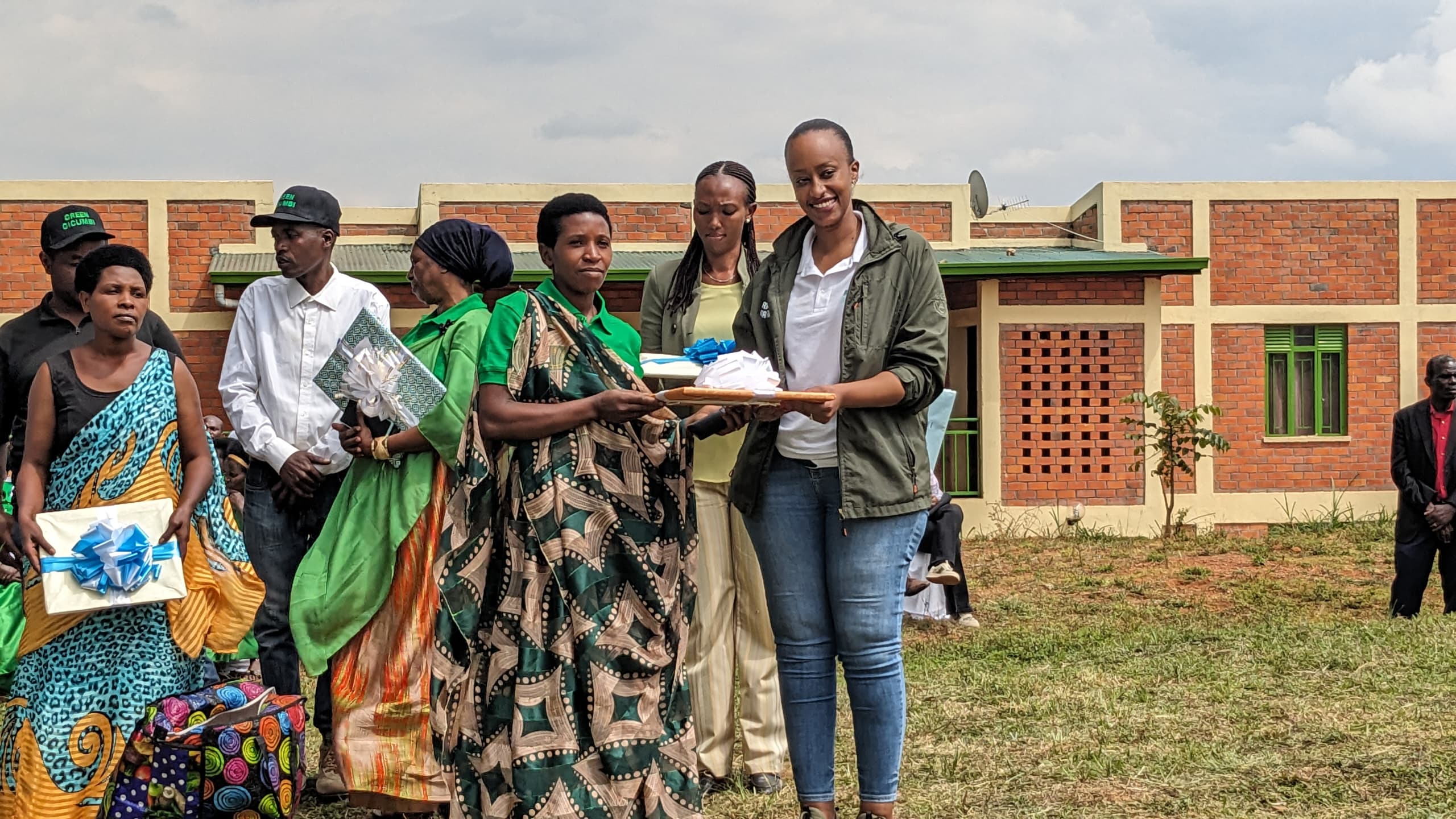
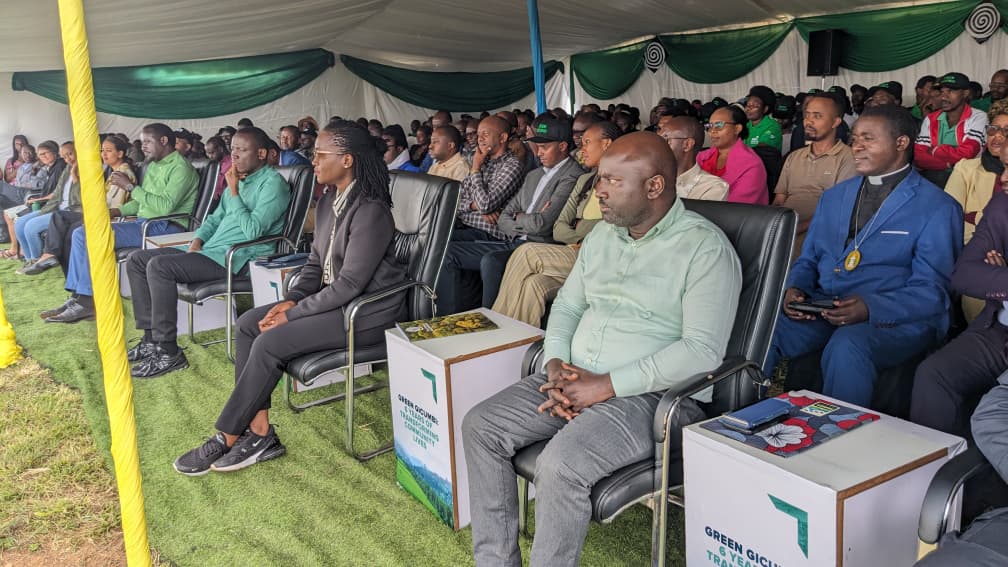
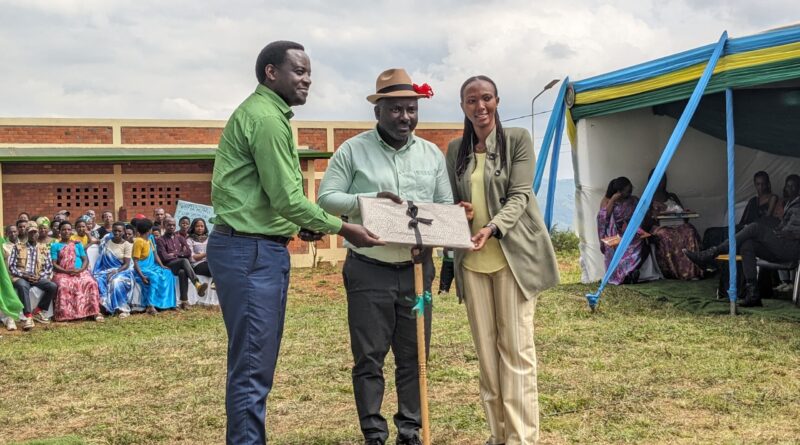
They made the remarks on May 29, 2026, during the official closure ceremony of the Green Gicumbi Project, an event attended by Dominique Habimana alongside Bernadette Arakwiye and Maurice Mugabowagahunde.
Beneficiaries of the initiative stated that the project’s interventions, primarily centered on environmental stewardship and climate resilience, were implemented with remarkable effectiveness, achieving what they described as a near-complete success rate.
Over the course of six years, the Green Gicumbi Project concentrated extensively on anti-erosion measures, afforestation, terracing, relocation of households previously settled in high-risk zones, and the establishment of model climate-resilient villages designed to withstand the adverse impacts of climate change.
Additional undertakings included the conservation of the Muvumba catchment area, tea cultivation on mountainous slopes, bamboo plantation aimed at protecting the river traversing the Gatuna wetland, livestock distribution to vulnerable households, and the creation of employment opportunities for cooperative members.
These beneficiaries were also equipped with professional training in savings culture and environmentally sustainable economic practices within their respective sectors.
Mupendaraha Theoneste, one of the beneficiaries, revealed that the terraces constructed on his farmland have effectively prevented soil erosion that previously devastated his crops.
Another resident, Celestin, explained that the project enabled him to venture into apiculture, a business that has since evolved into an industrial-scale enterprise with access to international markets for honey and beeswax products.
Out of the 21 sectors constituting Gicumbi, nine directly benefited from the Green Gicumbi Project, while discussions are ongoing regarding the possible extension of environmental protection interventions to the remaining sectors.
Rwanda Green Fund Chief Executive Officer Teddy Mugabo described the project as an exemplary model in environmental conservation and climate adaptation, urging future investors and development actors to uphold accountability and responsibility in project implementation in order to accelerate national development.
Meanwhile, Bernadette Arakwiye emphasized that all stakeholders involved in executing the project demonstrated a commendable commitment to advancing sustainable livelihoods, environmental preservation, and community resilience against climate-related shocks.
She stated: “Over the past six years, this project has generated tangible and measurable outcomes across the nine sectors where it operated. We need more development initiatives that prioritize citizens’ welfare while strengthening their capacity to withstand the consequences of climate change.”
Dominique Habimana likewise called upon residents to preserve the infrastructure and environmental assets established under the project.
He remarked: “We urge citizens to diligently maintain the forests planted for them, the rehabilitated farmland, and the climate-resilient houses constructed through the Green Gicumbi Project.”
The Mayor of Gicumbi, Emmanuel Nzabonimpa, affirmed that local authorities will continue collaborating with residents to preserve the project’s accomplishments while also replicating successful environmental protection strategies in areas that were not covered during the six-year intervention period.