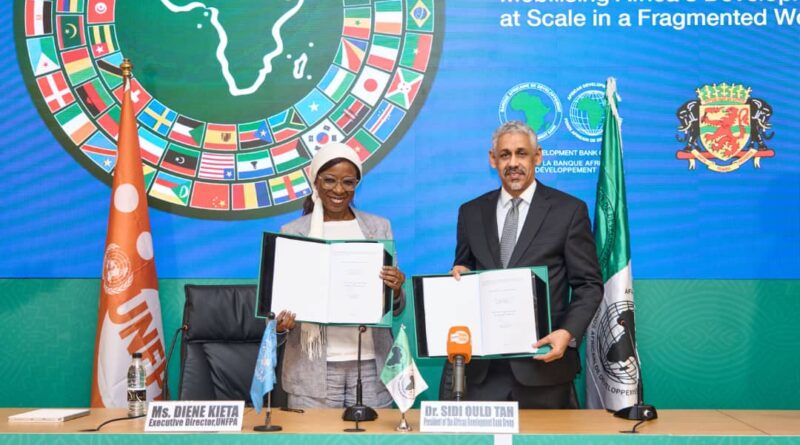
UNFPA and African Development Bank forge landmark partnership to advance maternal health and Africa’s demographic dividend
The United Nations Population Fund (UNFPA) has announced a new strategic partnership with the African Development Bank (AfDB) aimed at strengthening maternal health systems and unlocking Africa’s demographic dividend as a catalyst for sustainable economic transformation.
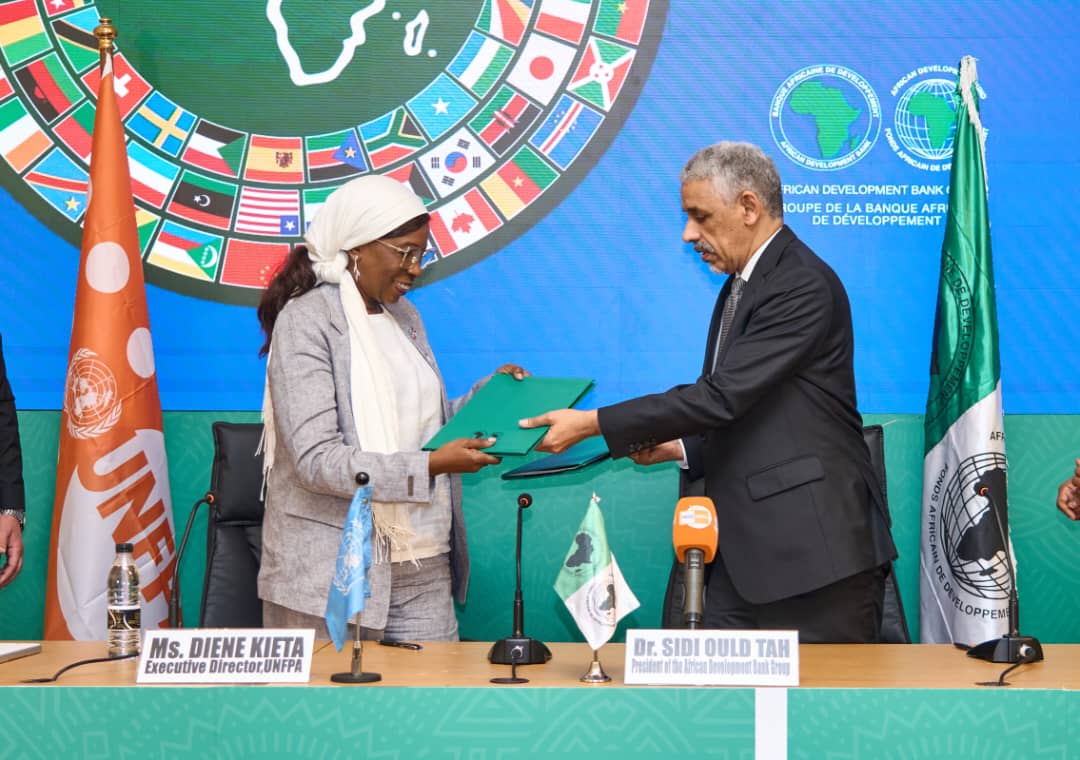
The Memorandum of Understanding was signed on May 26, 2026, on the sidelines of the African Development Bank Annual Meetings held in Brazzaville and New York. The agreement positions maternal health and demographic resilience not merely as public health priorities, but as essential drivers of economic growth, productivity, human capital development and long-term social stability across the African continent.
Despite significant progress made over the past decades in reducing maternal mortality rates, Africa continues to face major structural challenges, including unequal access to quality healthcare services, weak health infrastructure and persistent financing gaps.
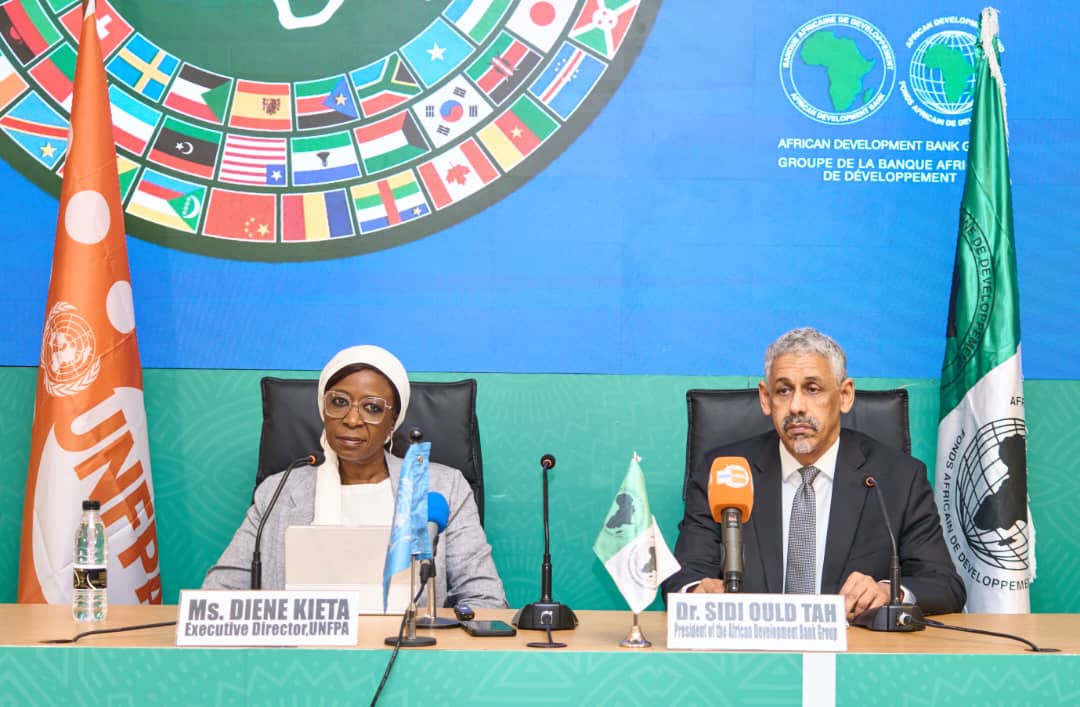
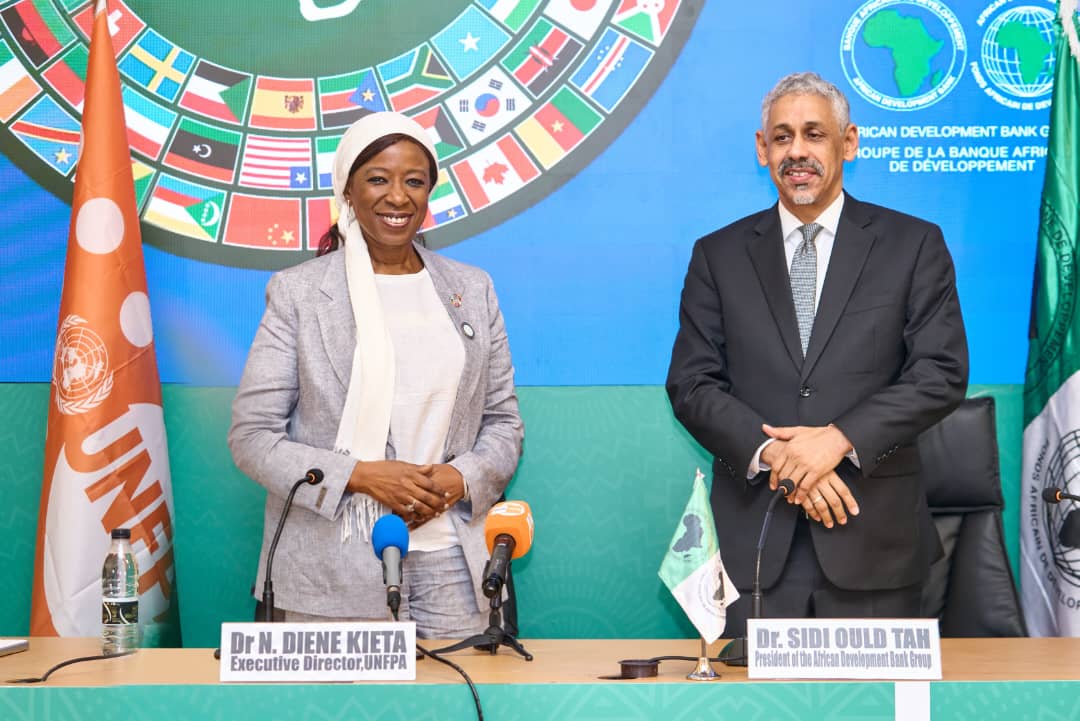
Speaking during the signing ceremony, UNFPA Executive Director Diene Keita emphasized that Africa’s future prosperity depends heavily on strategic investments in women and young people.
“Africa holds immense untapped potential if we prioritize investments in women’s health and youth empowerment. Sustainable economic progress cannot be achieved without addressing preventable maternal deaths, which remain one of the continent’s most pressing development challenges,” she stated.
Keita added that the renewed partnership demonstrates a shared commitment to placing maternal health and human capital development at the center of Africa’s economic transformation agenda.
Under the new framework, UNFPA and the African Development Bank will collaborate on innovative financing models and implementation strategies designed to help African countries increase investments in women and youth as engines of growth and resilience.
Key priority areas include modernizing the healthcare workforce through digital training platforms, strengthening local procurement and supply systems, upgrading climate-resilient health infrastructure, and accelerating the digitization of health information systems.
The partnership builds on more than three decades of collaboration between UNFPA and AfDB, dating back to 1992, focused on advancing healthcare systems and data-driven development initiatives across Africa.
Among the notable achievements of this long-standing cooperation is the modernization of Côte d’Ivoire’s national population census, which improved demographic projections related to fertility, mortality and migration trends.
In Cameroon, joint interventions enhanced access to Emergency Obstetric and Newborn Care services across 11 health districts, increasing antenatal care coverage to 90 percent in targeted communities while also raising modern contraceptive prevalence rates beyond the national average.
In Madagascar, awareness campaigns linking water, sanitation and hygiene practices with reproductive health and gender equality reached eight rural regions, contributing to broader community health outcomes.
The collaboration has also supported the integration of gender equality, sexual and reproductive health, and protection measures into climate adaptation planning across ten countries in East and Southern Africa.
UNFPA further noted that it will continue working closely with the African Development Bank to ensure demographic transition strategies are integrated into national financing frameworks, helping governments recognize investments in health and human rights as smart and sustainable investments for Africa’s future.
UNFPA is the United Nations agency dedicated to sexual and reproductive health and rights. Operating in more than 150 countries and territories, the agency supports millions of women, girls and young people through essential healthcare services, protection from gender-based violence, and access to critical information about their health, rights and wellbeing.