
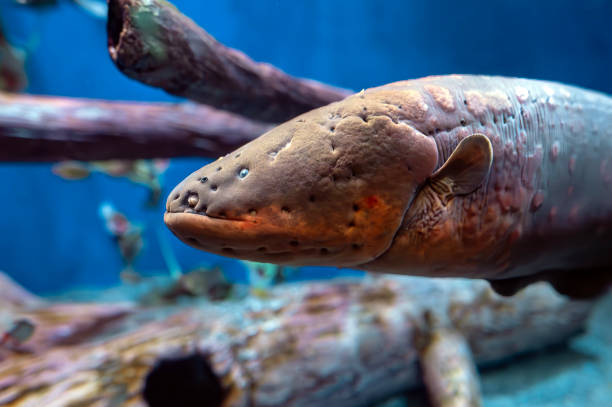
Electrogenic Fish: The astonishing aquatic species capable of generating electricity
Within the enigmatic and largely unexplored aquatic world, there exist extraordinary fish species endowed with the remarkable ability to generate electricity, as though they harbor an internal bioelectric power source.
Among these fascinating organisms are the electric eel, electric ray, and electric catfish species that have long captivated the curiosity of scientists and environmental scholars alike.
Although they are often colloquially described as “fish with electricity,” the phenomenon they exhibit is not akin to conventional fire or artificial energy, but rather a form of biologically generated electrical discharge.
This capability arises from specialized cells known as electrogenic cells, through a process scientifically referred to as electrogenesis.
These cells function analogously to biological batteries, having evolved from modified muscle tissues. When activated, thousands of these cells synchronize to produce substantial electrical outputs, enabling the fish to defend itself or incapacitate prey.
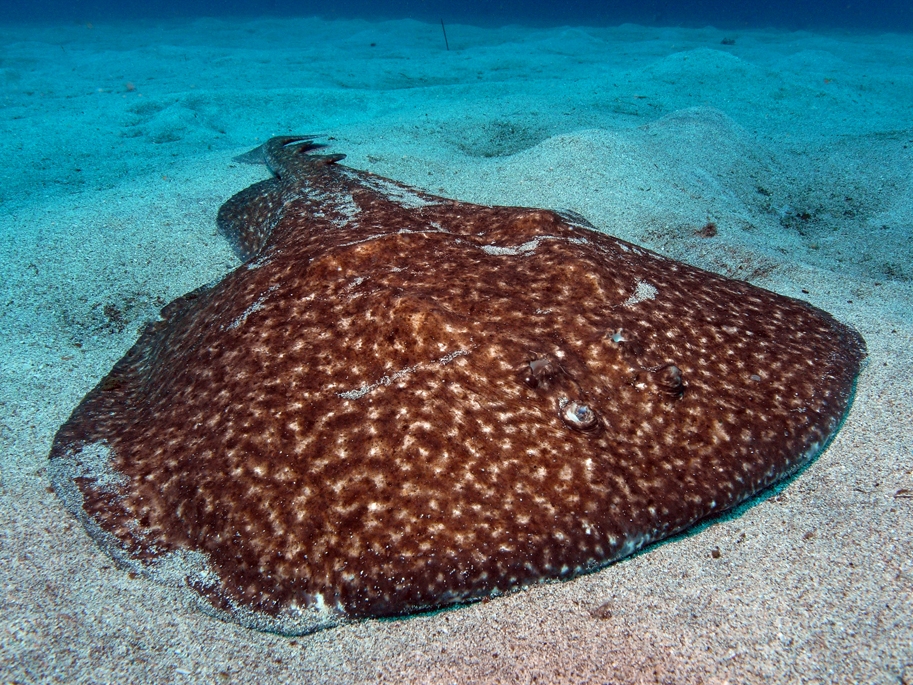
The resulting electric discharge can be sufficiently potent to stun, deter, or even injure other organisms.
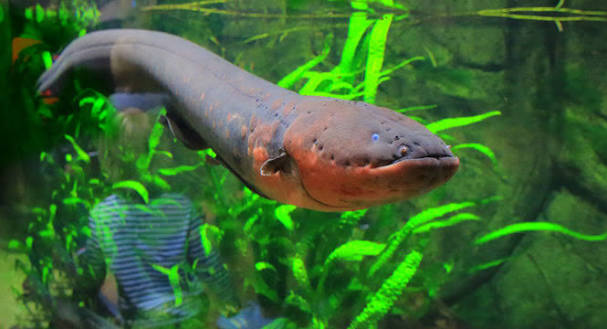
A quintessential example is the electric eel, which can emit electrical shocks exceeding 600 volts,an intensity capable of disorienting or incapacitating nearby animals, and potentially posing a danger to humans upon direct contact.
Geographically, these electrogenic species inhabit diverse ecosystems. The electric eel is predominantly found in the freshwater basins of South America, particularly within the Amazon and Orinoco river systems, where waters are typically warm, slow-moving, and rich in aquatic vegetation. Conversely, the electric catfish is widely distributed across African freshwater systems, including rivers and lakes, while electric rays are primarily marine species inhabiting oceans across the globe.
Beyond self-defense, these fish utilize electricity as an effective predatory mechanism. By emitting rapid electrical pulses, they can immobilize prey almost instantaneously, thereby facilitating capture. Additionally, some species generate low-voltage electrical fields for electrolocation,a sensory adaptation that allows them to navigate and perceive their surroundings in turbid or low-visibility waters by interpreting the return of electrical signals.
Reproductively, these fish generally follow oviparous patterns similar to other fish species, laying eggs that develop externally. In certain cases, such as with the electric eel, males have been observed constructing nests and exhibiting parental care by guarding the eggs until they hatch, thereby increasing offspring survival rates in otherwise precarious aquatic environments.
Ecologically, electrogenic fish play a pivotal role in maintaining aquatic biodiversity. As predators, they regulate the populations of other organisms, contributing to ecological balance. Simultaneously, they are also part of the food chain, serving as prey for larger predators that have evolved mechanisms to tolerate or evade their electrical defenses.
It is crucial to emphasize that the electricity produced by these fish is fundamentally distinct from combustion-based fire; it is a sophisticated biological process intrinsic to their physiology. This unique adaptation has garnered significant scientific interest, inspiring research into bioelectricity and its potential applications in fields such as bioengineering and renewable energy technologies.
Ultimately, these species exemplify the extraordinary complexity and ingenuity of natural systems, illustrating how aquatic organisms can evolve highly specialized mechanisms that transcend ordinary human expectations.
Understanding and preserving such biodiversity is an essential step toward safeguarding ecosystems and promoting sustainable environmental stewardship.