Transparency International Rwanda releases CPI 2025, Hhghlighting Rwanda’s position in the fight against corruption
On Tuesday, 10 February 2026, Transparency International Rwanda (TI-RW) officially released the Corruption Perceptions Index (CPI) 2025 during a press conference held at Sainte Famille Hotel in the City of Kigali.
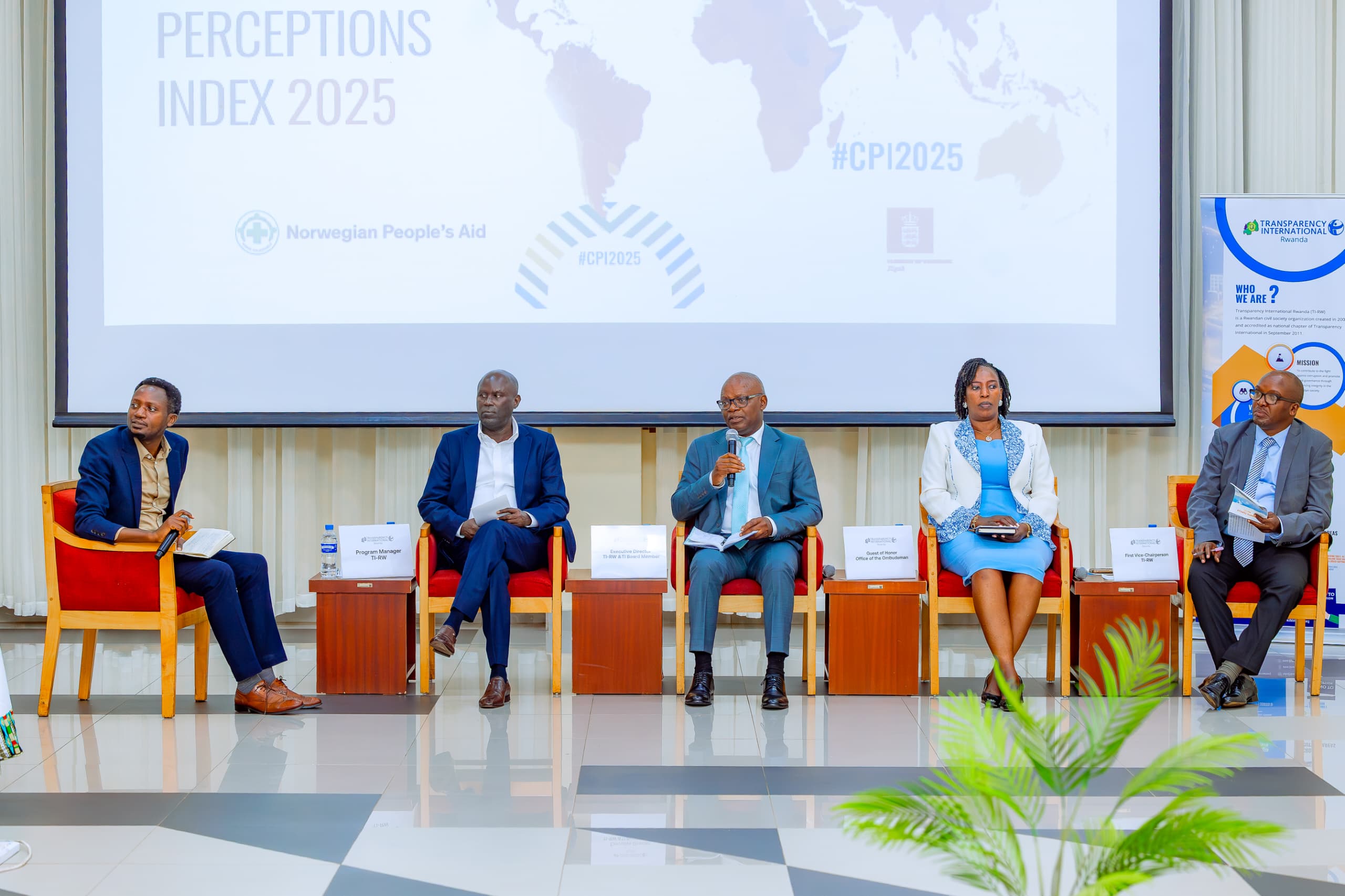
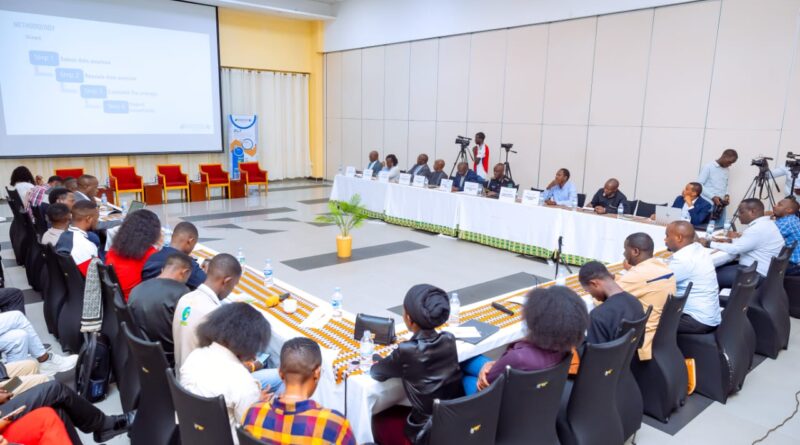
The event brought together TI-RW leadership, representatives from various institutions, anti-corruption partners, and members of the media. Its objective was to present evidence-based findings and research data on perceptions of corruption within public institutions in Rwanda and at the global level.
The CPI 2025 is one of the most widely used international tools for measuring perceived levels of corruption in the public sector. The index assesses more than 180 countries and territories worldwide, drawing on 13 independent and credible data sources from international institutions and research organizations.
The CPI uses a scale ranging from 0 to 100, where:
0 indicates extremely high levels of corruption,
100 reflects very high standards of integrity and good governance.
These scores are calculated based on surveys and assessments involving private-sector actors, economists, governance experts, and international research institutions, providing an overall picture of how corruption is perceived within a country’s public sector.
In her opening remarks, the First Vice-Chairperson of TI-RW emphasized that the CPI is a critical tool that enables countries to assess themselves using objective data. She noted that the index helps policymakers design and implement anti-corruption policies and strategies grounded in evidence rather than assumptions or perceptions alone.
This was followed by an in-depth presentation of the CPI 2025 findings by Albert Rwego Kavatiri, TI-RW Program Manager. He explained in detail how the CPI is produced, how data is selected and analyzed, how scores are calculated, and how CPI results help assess governance standards, transparency levels, and investor confidence in a country.
The event also featured a video presentation on CPI 2025, illustrating global corruption trends. The report shows that corruption remains a major obstacle to development worldwide, affecting economic growth, public service delivery, citizens’ livelihoods, and the implementation of the Sustainable Development Goals (SDGs),particularly in developing countries.
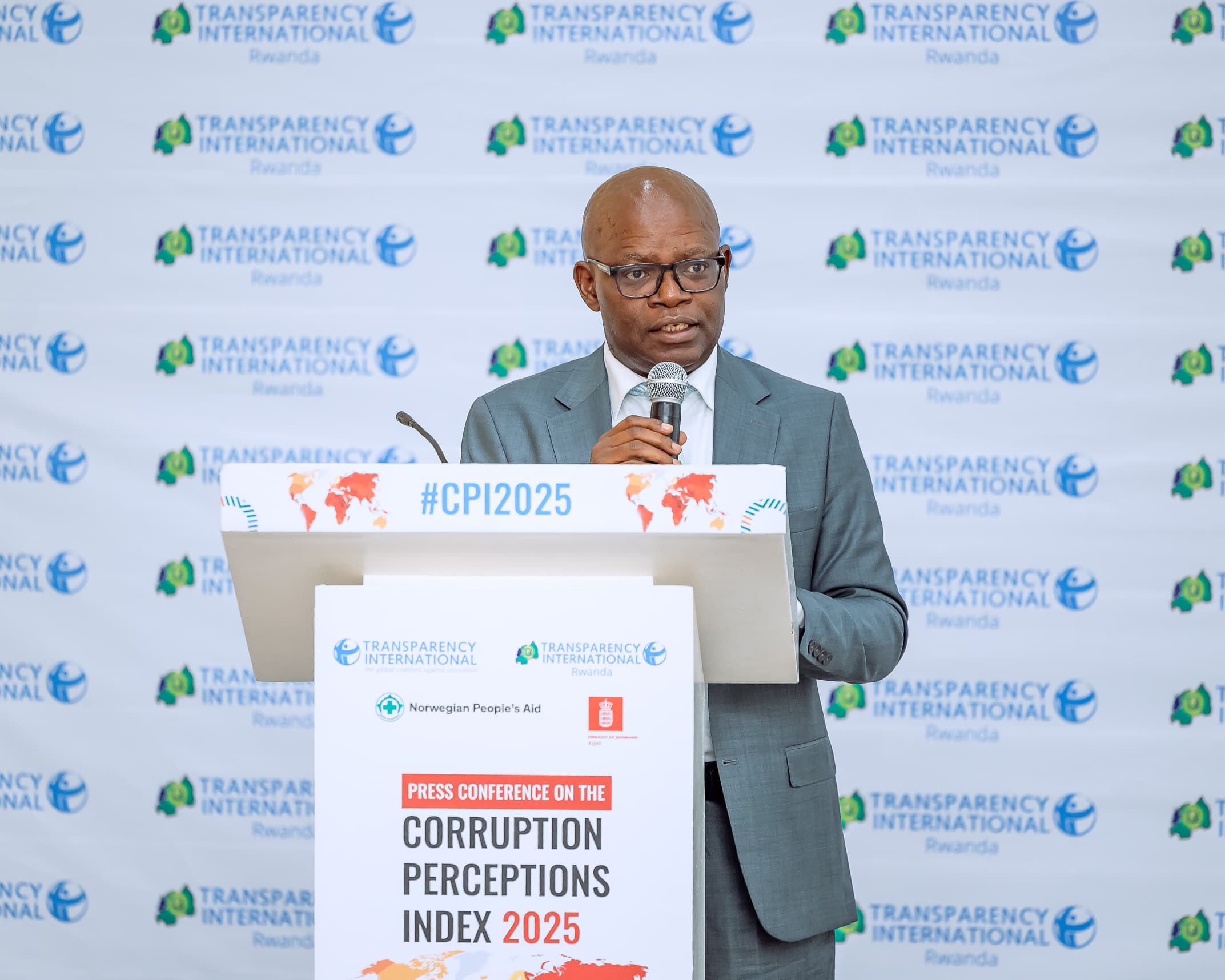
In his keynote address, Apollinaire Mupiganyi, Executive Director of TI-RW and a Board Member of Transparency International at the global level, stated that although notable progress has been made in combating corruption, the CPI report highlights persistent gaps. He stressed the need to strengthen the role of citizens, civil society organizations, and the media in preventing and fighting corruption.
He stated:“CPI data clearly shows that combating corruption requires sustained efforts, accountability, and the promotion of a culture of integrity across all sectors—public, private, and civil society alike.”
The keynote was followed by an interactive question-and-answer session with journalists, which lasted over an hour. Discussions focused on how the CPI is developed, what its findings mean for citizens’ daily lives, its implications for national development, and measures needed to further improve anti-corruption performance in the years ahead.
In closing, TI-RW called upon government institutions, the private sector, the media, and citizens at large to continue working together in the fight against corruption, with a strong emphasis on transparency, accountability, monitoring public resource management, and implementing the recommendations contained in CPI reports.